Updates and opportunities from the Coliberation Lab, a research lab devoted to Disabilit Justice in Tech. Rua M. Williams (@FractalEcho) at Purdue University.
I'd be remiss to not acknowledge the magnificent paper by @FractalEcho, @SimoneSmarr, Diandra Prioleau, & @DrJuanGilbert that we modeled the activity & conversation off of, "Oh No, Not Another Trolley" available at: https://t.co/bXFlDOxu6x, summary thread: https://t.co/QJHdITlTgk
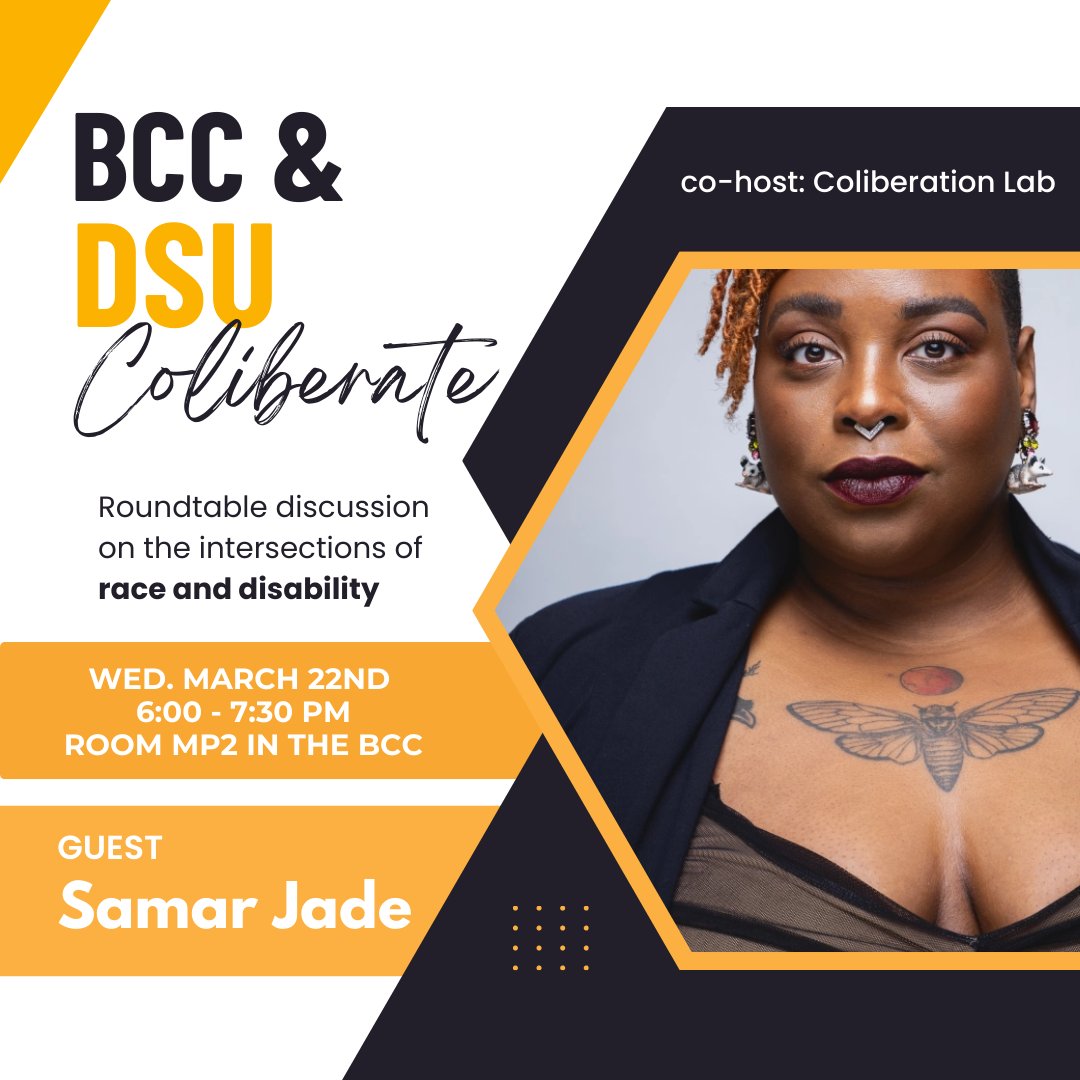
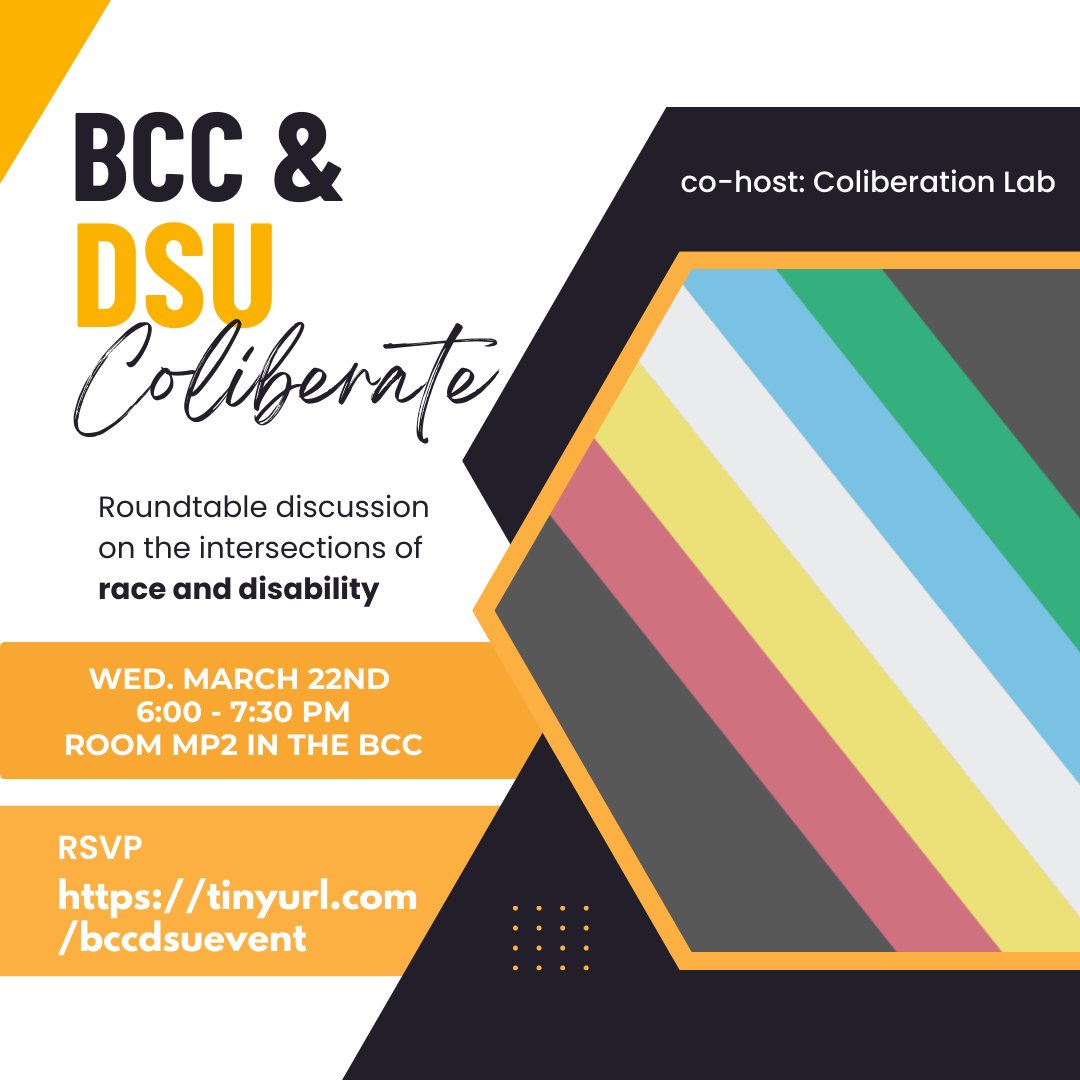
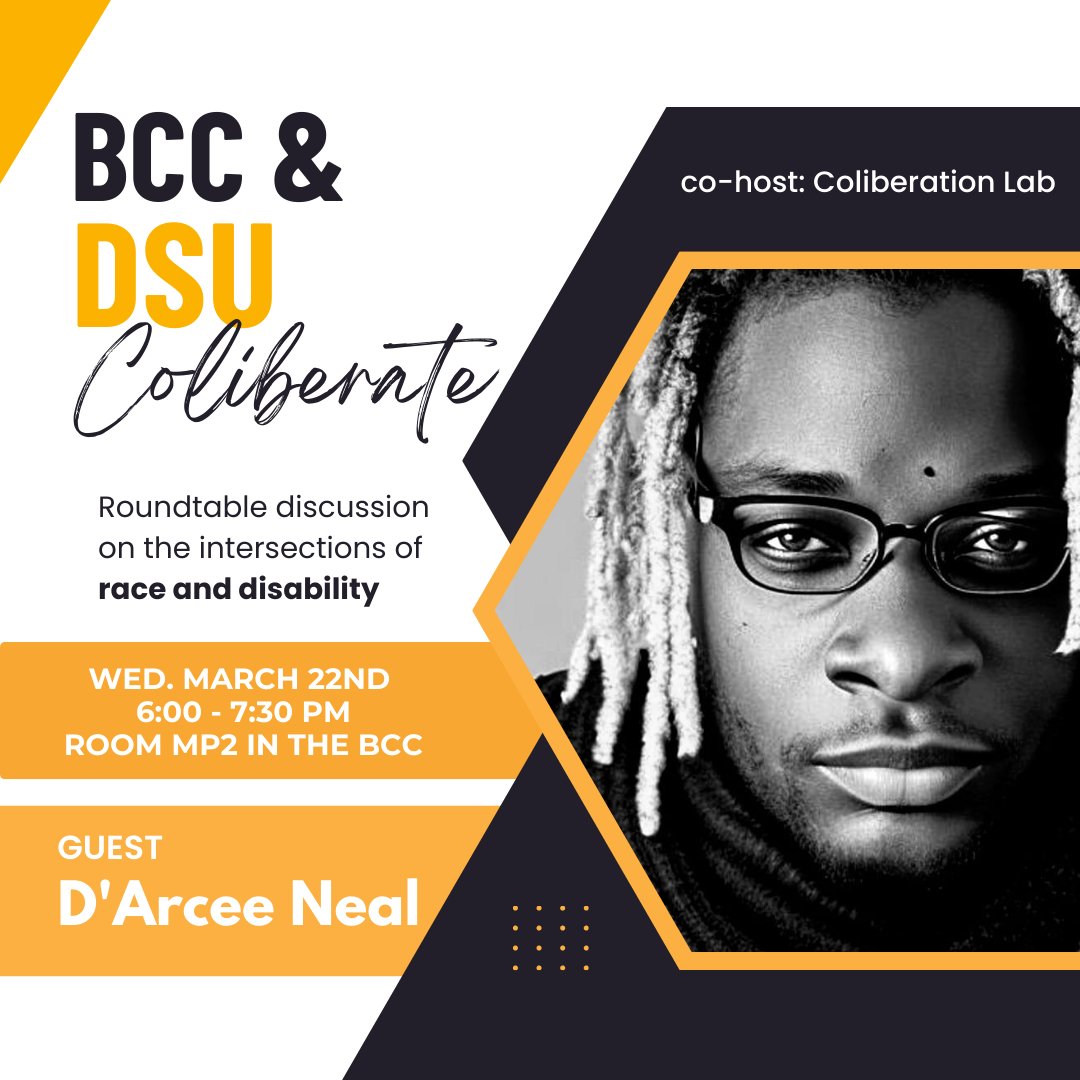
We are co-hosting a roundtable on the intersections of race and disability with the @purdue_bcc and the Purdue Disabled Student Union on Wednesday March 22nd from 6 to 7:30pm. Details in the registration form at https://t.co/YYVMuYZt53
At this roundtable on race and disability, co-hosted with the @purdue_bcc and the Disabled Student Union, @FractalEcho will be interviewing special guests Samar Jade and @DrChairington
We are co-hosting a roundtable on the intersections of race and disability with the @purdue_bcc and the Purdue Disabled Student Union on Wednesday March 22nd from 6 to 7:30pm. Details in the registration form at https://t.co/YYVMuYZt53
It's officially official. The @ColiberationLab had two papers accepted to #CHI2023. Both of these papers have been in submission, rejection, and revision since 2019. 🎉
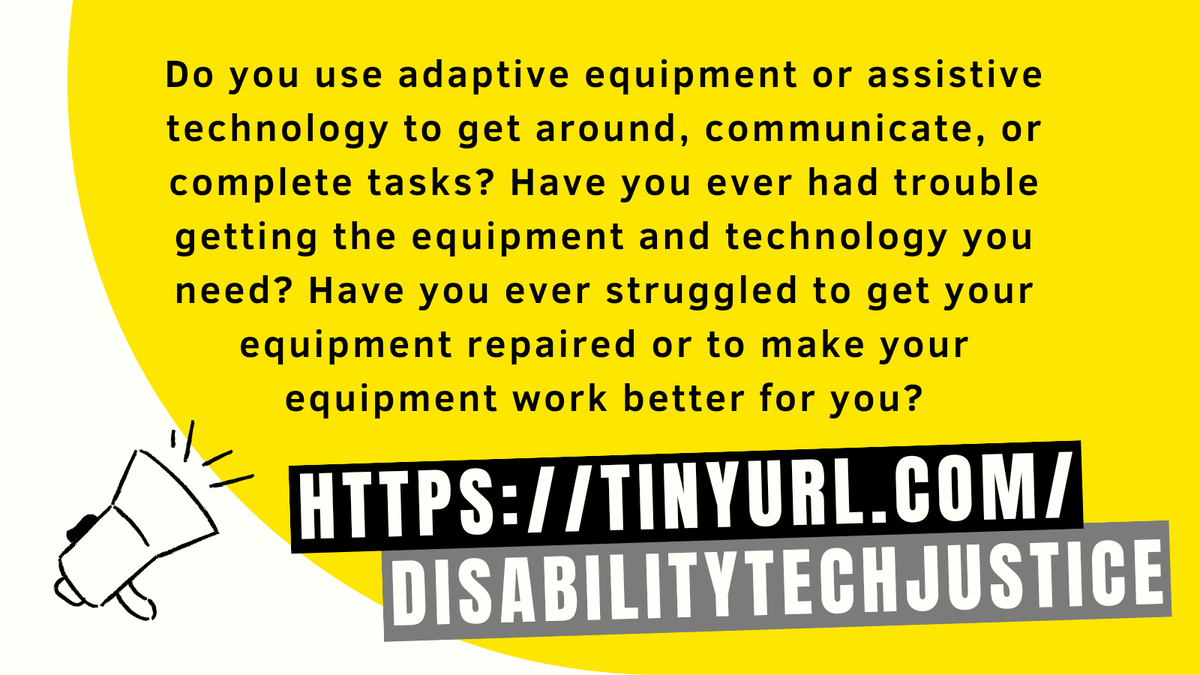
You are invited to participate in our study “Adaptive and Assistive Technology Users, Developers, and Technology Policy”, Purdue IRB 2022-759.
This survey of your experiences will take 10 to 20 minutes of your time.
https://t.co/XCYicFNyQR
Researchers at Purdue University are studying how disability and technology policy can change to make life better for people who use adaptive equipment and assistive technology.
Survey link: https://t.co/HdJoENeuQq
• Assistive Software like Screen Readers, voice over, or eye trackers
• Adaptive computer interfaces like specialized keyboards, mice, buttons, or switches
• Or other similar devices
(Continued)
I am writing a plain language summary of my paper, “I, Misfit: Empty Fortresses, Social Robots, and Peculiar Relations in Autism Research.”
In this paper, I think about autistic people and robots. Ideas about autism as robotic have made researchers do very strange things. 🧵
Little thread: I had a patient today who was a little elderly black woman. She was telling me that she really didn’t want to go to the hospital because her hair wasn’t done and she notices that yt doctors and nurse treat her differently when her hair is done vs. when it isn’t.
Today on the blog, @cpark0306 and @fractalecho explore how the rhetorical strategies of AI chatbot LaMDA rely on ableist appeals to what bounds the human
https://t.co/FSGKWCyEzg
To support public access to research, I (@FractalEcho) am writing plain language summaries of the Coliberation Lab’s work in #TechJustice. Our first thread will be on a paper we wrote while I was still in school with @SimoneSmarr, Diandra Prioleau, and @DrJuanGilbert
A “coliberative consciousness” is when you understand how systems might hurt you AND also people who are not like you. This will help you understand how to build systems that liberate, or set free, more people.
To read more: https://t.co/NwATou3fXT
Or
https://t.co/Lsws5ZaO7q
Summary of "Oh No Not Another Trolley" @FractalEcho, @SimoneSmarr, Diandra Prioleau, and @DrJuanGilbert
In 2020, we sent out a survey to computer science (CS) students at universities in the United States. CS students learn about how to make computer systems.
That is why we hope Computer Science teachers who read this paper will think about how they can help their students become better friends to people who are not like them. When we become friends with other people, we can learn to have a “coliberative consciousness”.