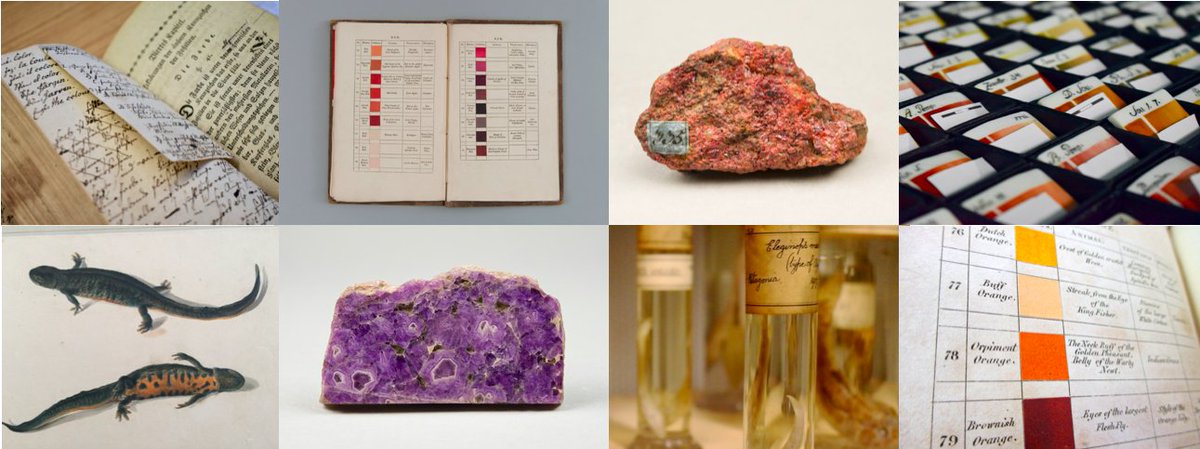
An online exhibition celebrating colour publications held by @StAndrewsUniLib and @UofGlasgowASC, launched January 2020. Funded by @sgsah for the SURCAS scheme.
Very pleased to announce that the Shaping Colour website is now up and running at https://t.co/dAglW0SBJs. The project celebrates rare books on colour in the collections of @StAndrewsUniLib and @UofGlasgowASC, funded very kindly by @sgsah. Enjoy!
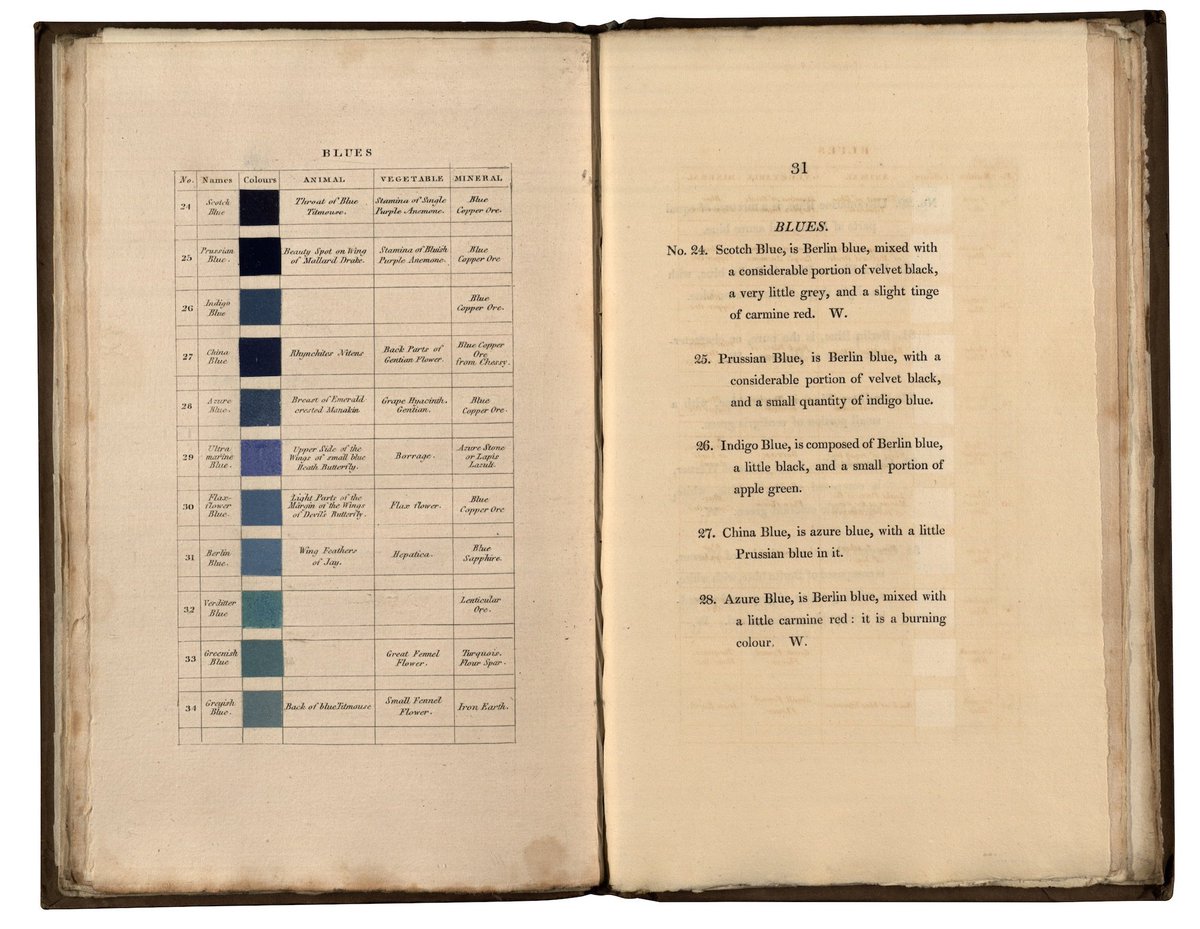
A digital close-up of Syme's 1814 colour charts = a rainy-day treat. This copy made its way from the hands of the author to the RSA by way of Edinburgh's Wernerian Natural History Society, a local bookseller, and the artist and @RoyalScotAcad President William Fettes Douglas.
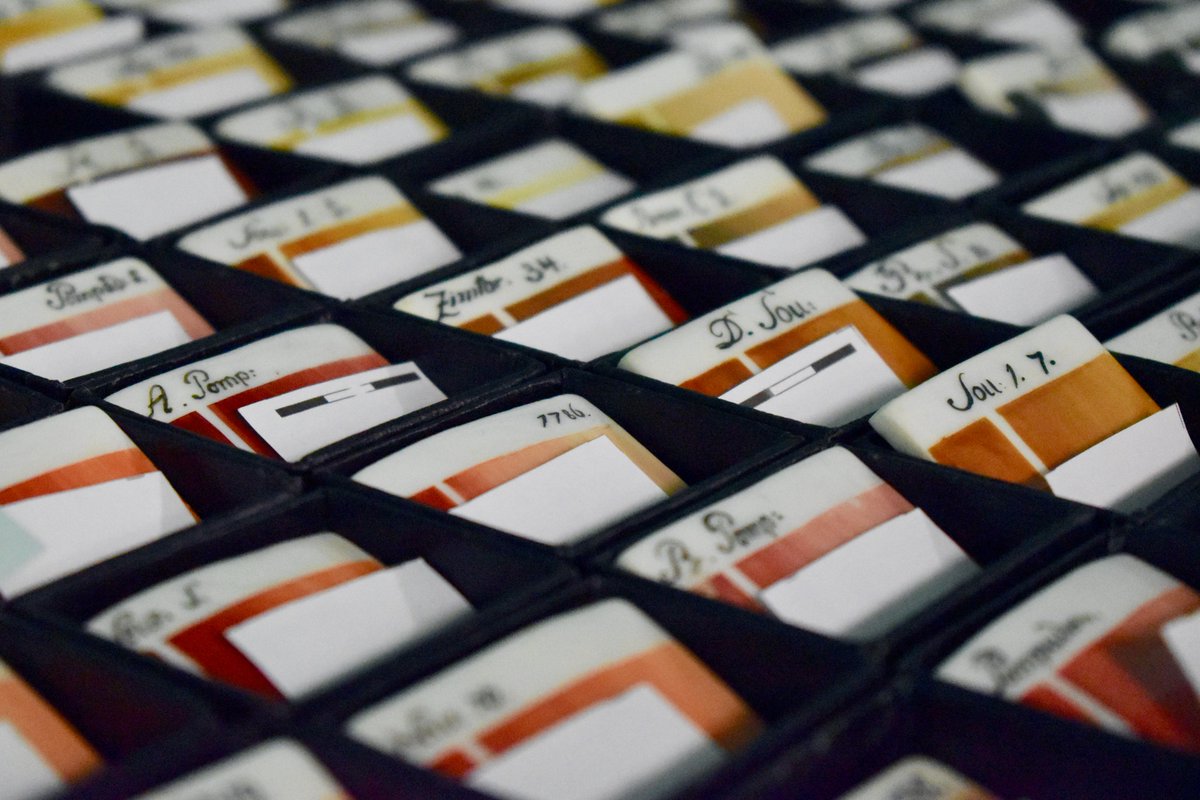
Two porcelain colour palettes, two centuries apart.
Modern @meissen_porcelain factory samples (left) and their early nineteenth-century counterparts, held at @TUBergakademie.
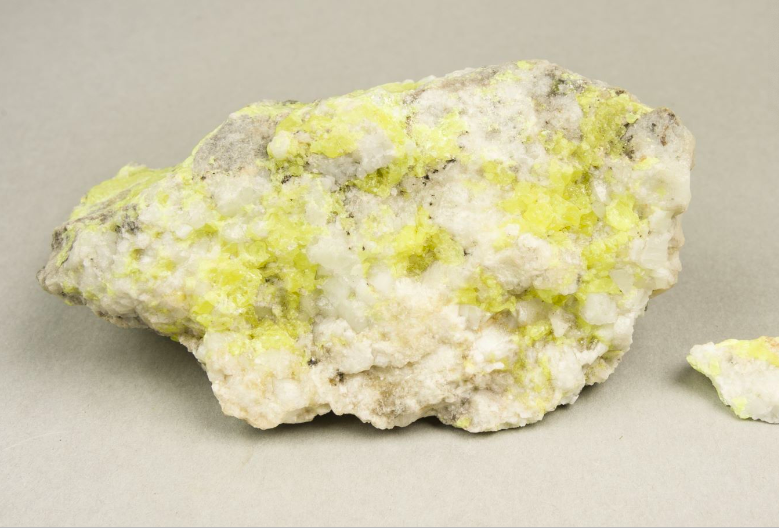
Today is the final day of the Ordering Colours Workshop @TUBerlin. My joint paper with Peter Davidson (@NtlMuseumsScot) will explore the transfer of chromatic and mineralogical knowledge between Saxony and Scotland in the early 19th C.
https://t.co/b3qCp1P3Se
Very much looking forward to escaping into colour this Friday for day 1 of the 'Ordering Colours in 18th and Early 19th Century Europe' (now virtual) conference at @TUBerlin.
https://t.co/3t7g2J2iva
Measuring rare colour books sitting their cradles, in preparation for an exhibition on colour @ComptonVerney later this year: Mary Gartside's Essay on Light and Shade (1805), Patrick Syme's Werner's Nomenclature (1821) and Emily Noyes Vanderpoel's Color Problems (1902). #oncolour
Inimitable Edwin Morgan born #OTD in 1920. Follow @EdMorganTrust#edwinmorgan100 for a week of centenary celebrations!
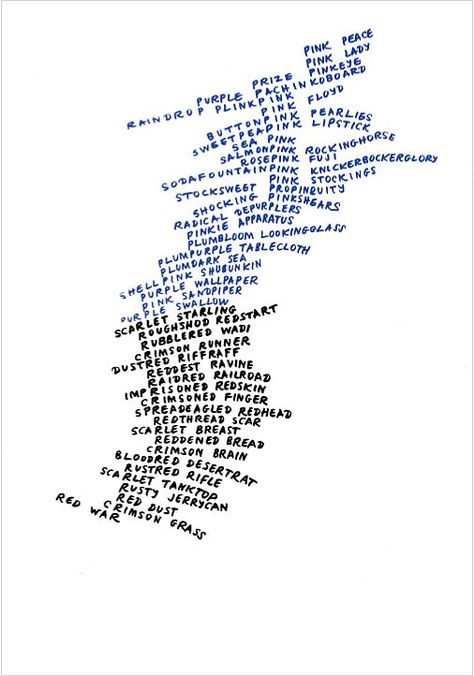
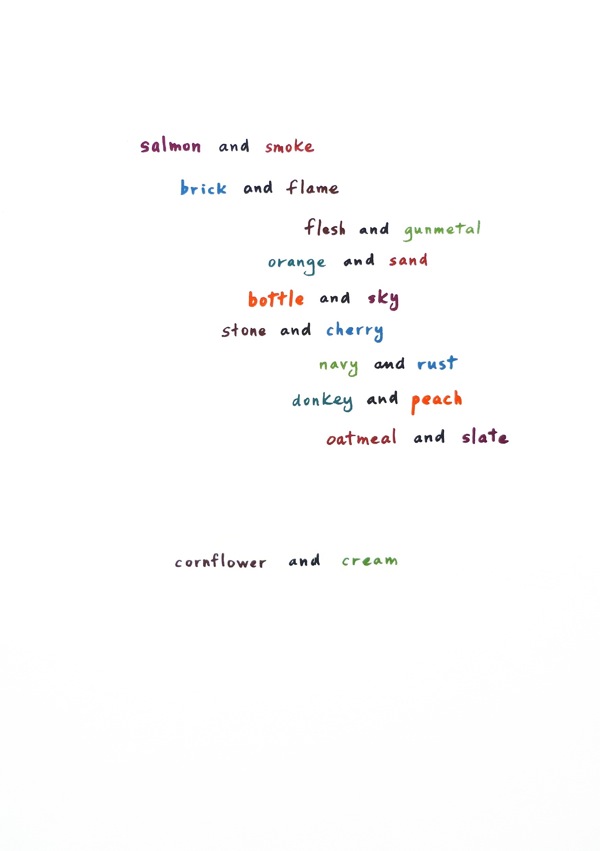
Here, some spirited, flickering words for another lockdown Monday, The Colour Poems (1978), creating ‘a mental as well as a visual dapple’ #colour#poems
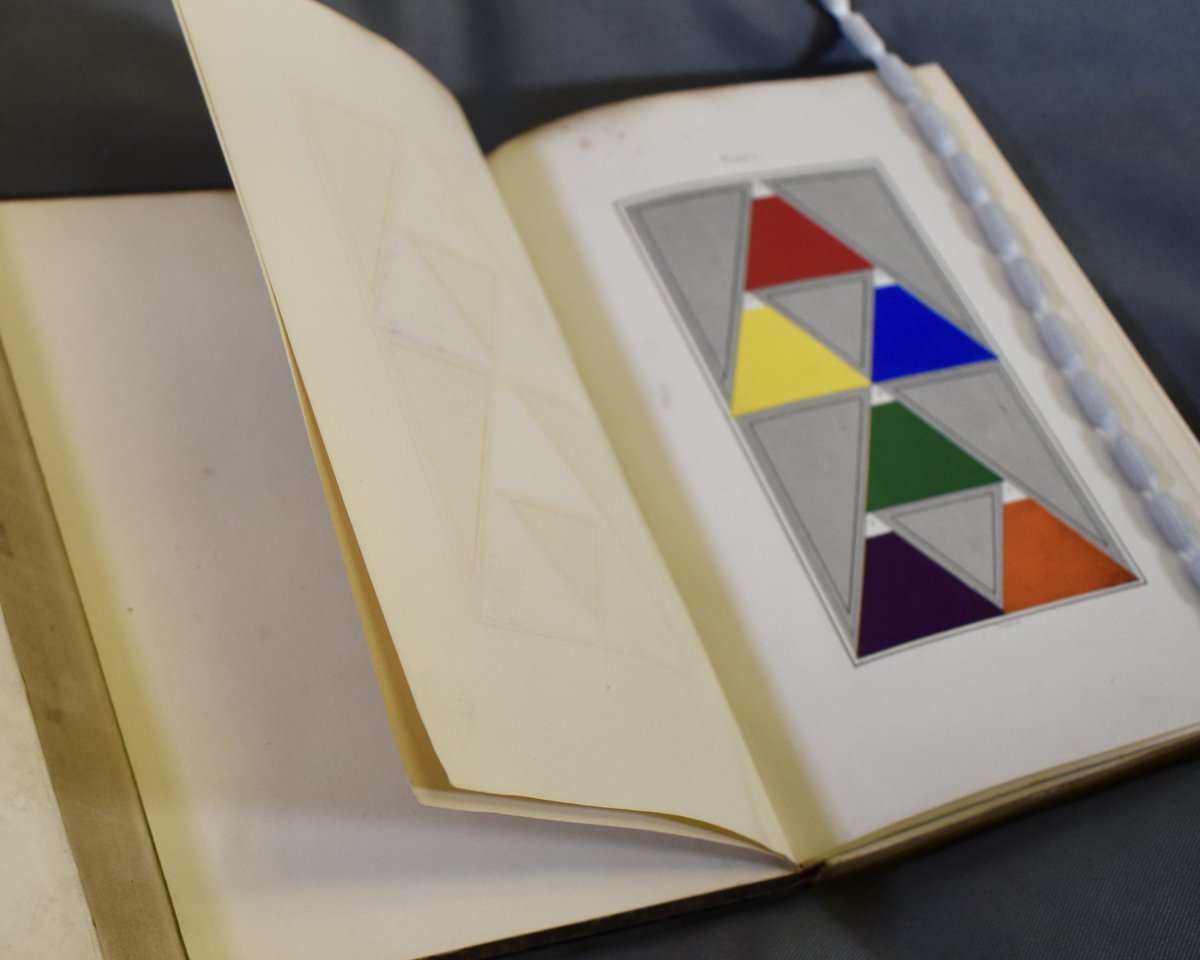
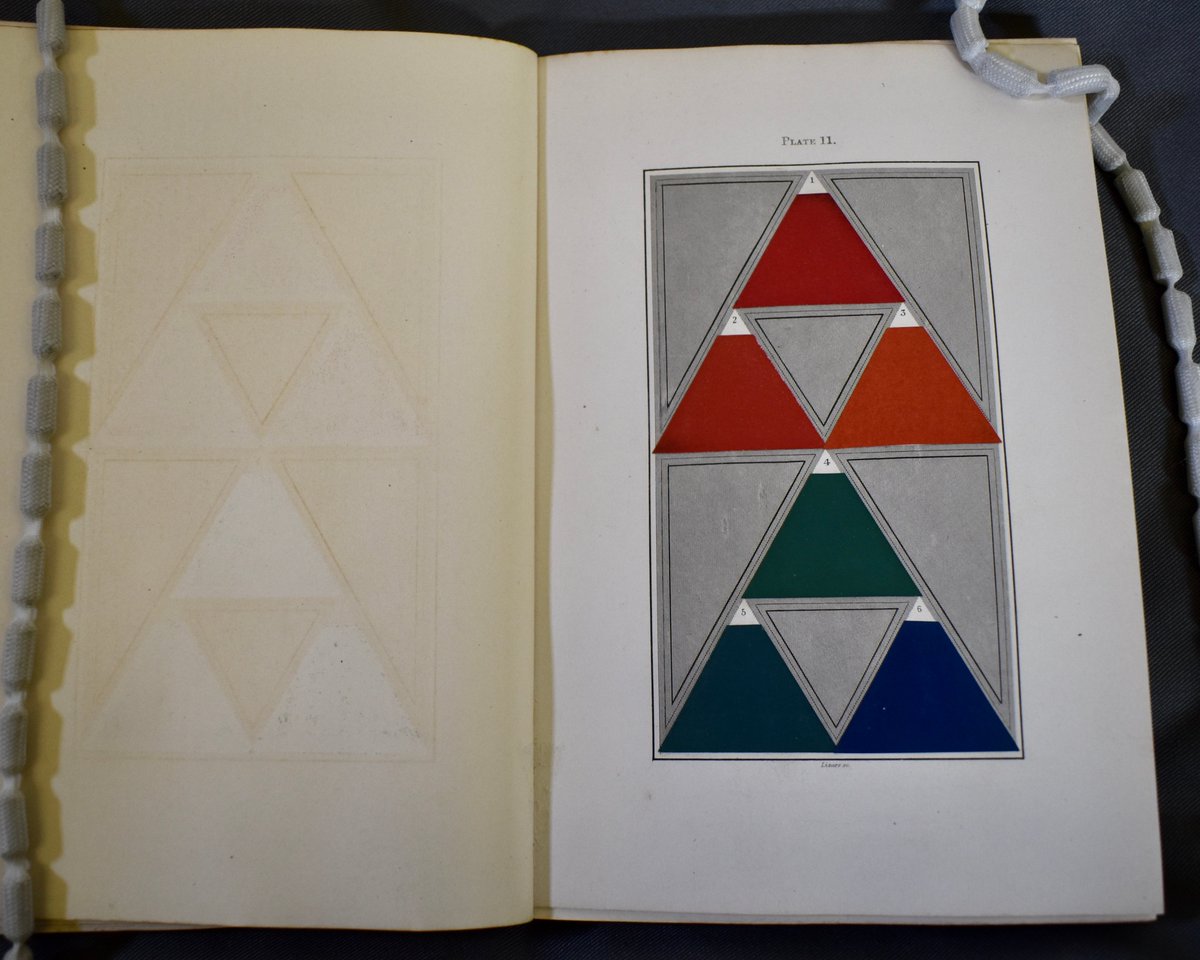
David Ramsay Hay's 'A Nomenclature of Colours' (1846). The combinations of coloured triangles capture the nuances of chromatic theory and language, as in the distinction between “Tints of red and shades of green” and “Tints of green and shades of red”.
https://t.co/JXj8T05wtO
Read more about @StAndrewsUniLib's copy of Patrick Syme's influential and exquisite colour manual 'Werner's Nomenclature of Colours' (1821) at https://t.co/7sSwcPp46m...
Werner's Nomenclature (1821) finds Prussian Blue on the mallard’s wing, the anemone's stamen, and azurite's bubbled blue. Aboard the Beagle Darwin found the same blue (mixed with “French grey”) in the hot haze of a Brazilian landscape, and on the pectoral fin of a croaking fish.
This brilliant resource on colour publications, created by @joyce_dixon_ a History of Art PhD student here at ECA, is now live! Delve into the online exhibition, take a closer look at a cross-section of books and explore these diverse and colourful collections.👏
Something to brighten up the end of your week - this lovely resource from @ColourShaping that features some of our books on colour along with examples from @StAndrewsUniLib
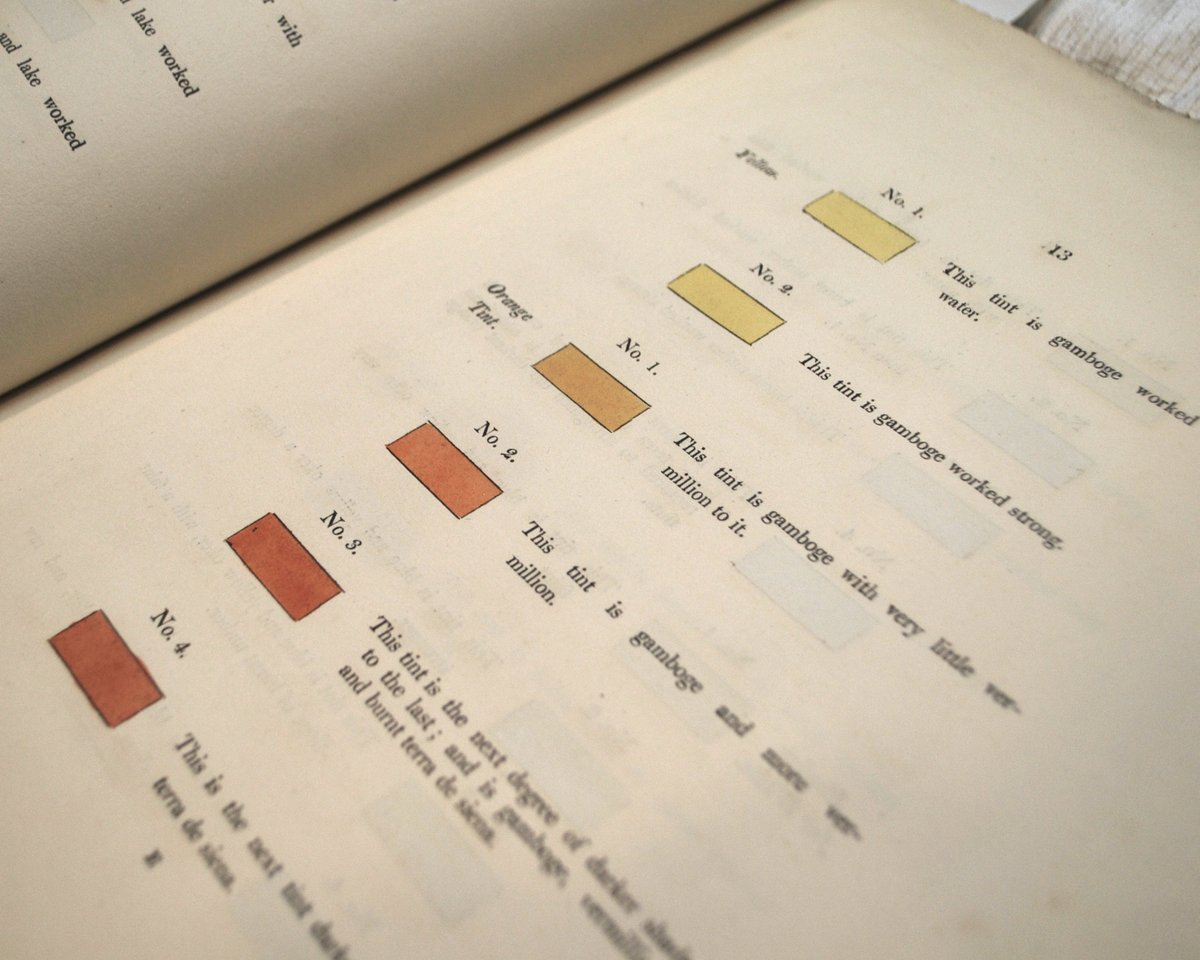
These warm watercolour swatches in George Brookshaw's 1816 manual 'A New Treatise on Flower Painting, or, Every Lady Her Own Drawing Master' capture the bit-by-bit nature of colour mixture, from gamboge, through vermillion, to burnt sienna. Visit https://t.co/dAglW0SBJs for more.
The ultimate book on #colour: Isaac Newton's revelatory 'Opticks: or, A Treatise of the Reflexions, Refractions, Inflexions and Colours of Light ' (1704). The small, circular schema (Fig. II) shows the 7 prismatic colours, rolled round for the first time into a wheel.
In 1822, despite her family's disapproval, Eliza Boswell married her drawing teacher Patrick Syme. A talented artist herself, it's thought that Eliza had a hand in creating the thumbnail-sized, pasted-in squares in Syme's colour manual 'Werner's Nomenclature of Colours' (1821).
One of the earliest charts for zoological colours, this eighteenth-century colour wheel illustrates Moses Harris's entomological treatise 'An Exposition of English Insects' (1782). His hues (now faded) include 'blue olive', 'pearl colour' and 'yellow-flesh'.
#Entomology#colours
Jacob Christian Schäffer's booklet 'Entwurf Einer Allgemeinen Farbenverein' (1769). The coloured stripes inside his baroque cartouches contain pigments for red, yellow, blue, green, brown, white and black - from which, says Schäffer, all other tints can be mixed.