Per Nilsson, sjöofficer med åsikter om Flottan, försvaret, säkerhetspolitiken, sjöfarten och andra kärnintressen! Ledamot av Kungl. Örlogsmannasällskapet.
Stort örlogsgrattis till den svenska marinen som idag fyller 504 år. Vi ser fram emot att under mycket lång tid framöver fortsätta vara ett briljant säkerhetspolitiskt verktyg för Sverige och Nato!
"Krisberedskap: en konservburk kan aldrig dela dina känslor - Hur kan man förbereda sig mentalt för allvarligare kriser eller krig?"
Gästade I hjärnan på Louise Epstein och pratade om människor i krig.
https://t.co/mQ9YL3e1ok
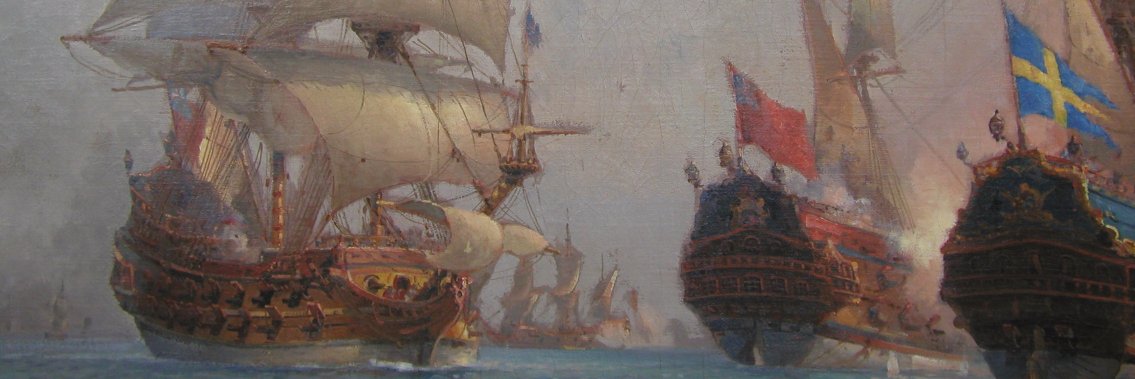
Grattis #Marinen på 504-årsdagen! Den svenska flottan skapades genom Gustav Vasas inköp av sju skepp från Lübeck. De började med att brandskatta Bornholm augusti 1522 och belägrade och erövrade Stockholm juni 1523.
#GammalÄrÄldst#svfm#sjömakt
Marinen provskjuter skarpa torpeder från en obemannad stridsbåt med lyckat resultat.
Syftet är att utvärdera torped mot fientliga ytstridsfartyg som ett möjligt vapen till Amfibiebataljon 2030.
Torpedskjutningen genomförs tillsammans med FMV, FOI och Saab.
Marinchef Johan Norlén har fattat beslut om inriktningen för marinens nya organisation. Från 1 januari 2029 ska marinen bestå av fem organisationsenheter i stället för dagens åtta.
https://t.co/OhOc7D1VWw
Det är tillåtet att bekämpa legitima mål som grupperats bland civila. Den som grupperar militära mål bland civila tar ansvaret för civila skador när de legitima målen bekämpas. Hamas grupperar systematiskt militära mål bland civila för skydd och att maximera antalet civila döda.
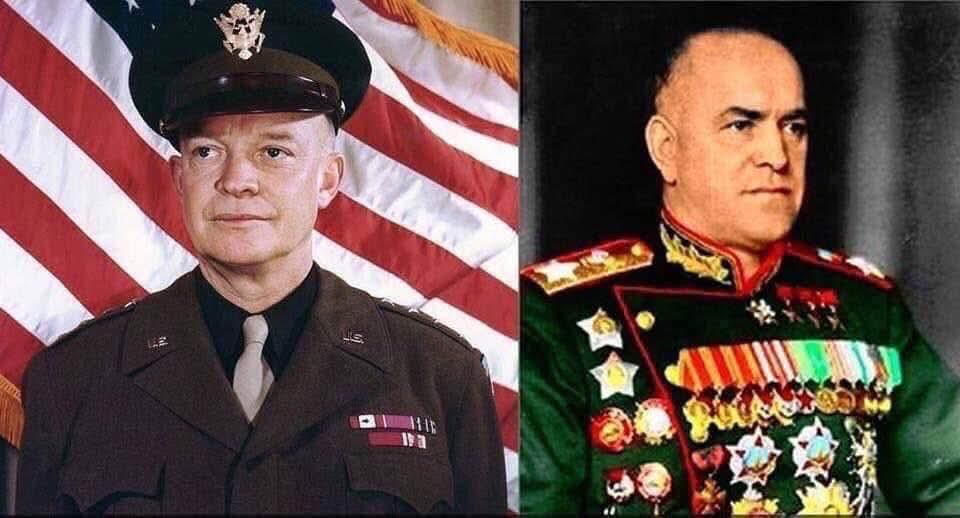
Interesting excerpts from the memoirs of Supreme Allied Commander General Dwight D. Eisenhower (later President of the United States from 1953–1961) about Marshal Georgy Zhukov:
“During the several hours we spent together in the airplane, Marshal Zhukov and I often discussed military operations... A great revelation to me was his description of the Russian method of attacking through minefields. German minefields, covered by enemy defensive fire, were tactical obstacles that caused us heavy casualties and many delays. Breaking through them was always difficult, despite the fact that our engineers had invented every imaginable mechanical device for the safe clearing of mines.
Marshal Zhukov casually remarked to me: ‘There are two kinds of mines: antipersonnel and antitank. When we encounter a minefield, our infantry continues the attack as though it were not there at all. We consider the losses from antipersonnel mines to be equal to the losses we would have suffered had the Germans defended that sector with concentrated manpower instead of minefields. Advancing infantry does not detonate antitank mines, so once they have crossed the minefield and secured the opposite side, the engineers then come forward and clear lanes through which vehicles can pass...’
I could vividly picture what would have happened to any American or British commander who attempted to use such tactics, and an even clearer picture of what the men in any of our divisions would have said if we had tried to make such practices part of our tactical doctrine...
Americans measure the cost of war in human lives, while the Russians measure it in the total expenditures of the nation.
As far as I could see, Zhukov cared little for the methods we considered essential to maintaining the morale of American troops: systematic rotation of units, opportunities for rest and recreation, short leaves, and above all the development of methods designed to avoid exposing men to combat risks that were not absolutely necessary. All of this, common practice in our army, was largely unknown in his army.
...The fundamental difference between American and Russian attitudes toward the treatment of people was illustrated in another incident. In a conversation with a Russian general, I mentioned the difficult problem of caring for large numbers of German prisoners of war — a problem we faced at various stages of the war. I noted that we gave German prisoners the same food ration as our own soldiers.
‘Why would you do that?’ Zhukov exclaimed in astonishment.
I replied that, first of all, my country was bound to do so under the Geneva Conventions. Secondly, thousands of American and British servicemen were prisoners in German camps, and I did not want to give Hitler any excuse to treat them even worse than he already did.
Zhukov was even more astonished by this answer and exclaimed: ‘But why should you care about soldiers captured by the Germans?! They were prisoners already and could no longer fight anyway!’
The excerpts are quoted from Dwight D. Eisenhower, Crusade in Europe, The Johns Hopkins University Press, 1997 (first published in 1948), pp. 468–470.
Interestingly, in the Russian translation of Eisenhower’s memoirs (2000 edition), these passages — seemingly of particular interest to Russian readers — were removed.
Everyone shouting “we can do it again” should remember that they would be sent to fight using Zhukov’s methods and traditions.
Danish frigates IVER HUITFELDT and ABSALON participated in the live firing exercise Mjølner off Northern Norway. Both frigates fired ESSM as well as guns (35mm, 76mm & 127mm), while IVER HUITFELDT also fired SM-2 missiles (Forsvaret)
Det utlovade poddavsnittet om @Swedish_Navy nya organisation kommer på fredag. Marinchefen vill att all personal ska ha fått informationen tjänstevägen innan den blir publik.
Håll ut!
@MansRAD Det är knappast så att ingen har tänkt på det, även om DN vill få folk att tro det.
Marinen är för övrigt den försvarsgren som har minst problem att rekrytera personal.
Få verkar förstå att huvuduppgiften för luftförsvarsfregatter är att befinna sig just där lufthotet är som störst mot egna resurser. Det är därför de varit så hårt engagerade i sjöfartskyddet i Röda Havet liksom i under vårvintern i Persiska Viken. Det är samma typ av uppgifter…