We asked these college students if they think there are any ideas that should be off-limits on a college campus.
The first student responded that she doesn’t think that any ideas are off-limits, as long as they’re said in a way that’s not hurtful to anyone.
The second student responded by saying that any ideas are fine as long as they’re not hurting anybody, for those ideas could cause someone to get mentally or physically hurt, making them off-limits.
What are your thoughts on his take?
We asked two college students what they think cancel culture is.
The first student responded by saying that cancel culture is when you see someone doing something outrageous or crazy.
The second student responded by saying that social media has shaped what cancel culture is, as if someone breaks a social norm or does something controversial, then they could be considered canceled.
What are your thoughts on their take?
We asked these college students what free speech means on a college campus.
The first one responded by saying that free speech is saying and expressing whatever you want on campus without being judged for it.
The other student said that free speech is being able to speak your mind without being judged for it.
What are your thoughts on their take?
Here’s what 2 college students had to say when asked what they consider when someone’s opinion has crossed the line.
The first student says if she’s personally hurt by it, then she’ll consider it to have crossed the line.
The second student responded by saying that we all have our own personal boundaries, but if something were to cause him to feel hurt or shifted, then he’d consider it to have crossed the line.
The first student added that she is open to hearing new ideas, as everyone believes in what they believe in for a reason, so she would still be open to them despite her being personally hurt by them.
What are your thoughts on their takes?
This was what a college student answered to what certain opinions he thinks shouldn’t be expressed.
He says while he does think that anyone can be free to express whatever they want, they shouldn’t be free from the consequences of what they say.
He adds that up by saying if your ideas are associated with hate, you should expect backlash and recourse from them.
What are your thoughts on his take?
We asked a college student when does he think an opinion crosses the line.
He responded by saying that it depends on who you’re with, as he thinks that you should expect recourse when saying something harmful to a marginalized group or people, even if it’s an opinion you shared with a lot of other people.
What are your thoughts on his take?
We asked a college student when someone’s opinion crosses the line.
She responded by saying that everyone has their own idea on what’s right and wrong, but if what they’re saying is solely just to harm someone, then it’s just hate speech.
When defining on what hate speech is, she said that it’s negative words towards someone with no solid foundation.
What are your thoughts on her take?
We asked a college student what does free speech really mean on a college campus.
She responded by saying that free speech means saying whatever you want, while being aware of the impact on the person you’re saying it to.
She concludes by saying that you shouldn’t be too violent with what you say, but also don’t hide who you are.
What are your thoughts on her take?
We asked a college student what free speech really means in a college campus.
She responded by saying that most people think that free speech means no judgement, but thinks that people should have real opinions since that’s what debate is for, and should expect others to agree or disagree with what they’re saying.
What are your thoughts on her take?
We asked an international student if he feels that he has the freedoms he would want to have in America.
He responded by saying that he feels that America has offered him freedoms like freedom of speech, but thinks that it’s getting limited for students like him to share his political and economic opinions, as they could be viewed by some Americans as dissent despite trying to be as non-partial as possible.
He does, however, feel that America has offered him the freedom to study whatever he wants and can operate and schedule a workshop for his own convenience.
What are your thoughts on his take?
We asked an Iranian immigrant how his view of freedom is different than someone born in America, and he said that he takes a lot of things for granted in America that he can’t do in Iran.
The freedoms he mentioned were things like hanging out with friends who are girls or being able to have tattoos, which were things that would get you punished in Iran.
He also mentions that criticism of government is good, but says that it’s good to take time and look back and appreciate the freedoms we already have as Americans.
What are your thoughts on his take?
We asked a Mexican student what it means to be an American, and he responded by saying that to be an American means to be born in America.
He also said that it’s important to still honor cultural backgrounds of those born outside of the U.S., as they’re here as representations of where they come from.
What are your thoughts on his take?
We asked this UCLA student what being an American means to him, and his answer was having fun, being educated, and doing research if you don’t know something.
He mentions that his dad was an immigrant who came from Nepal, and that going to a diverse school like UCLA makes it feel to him that America is built on diversity.
What are your thoughts on his take?
We asked a Chinese immigrant what freedom means to him, and he responded by saying freedom means having the ability to choose what you want to do and want to say.
When we asked him how his background impacts his view on freedom, he added that he was from China, and added that you have to be concerned on what you’re talking about in China since they’ll punish you for saying something negative about their government.
What are your thoughts on his take?
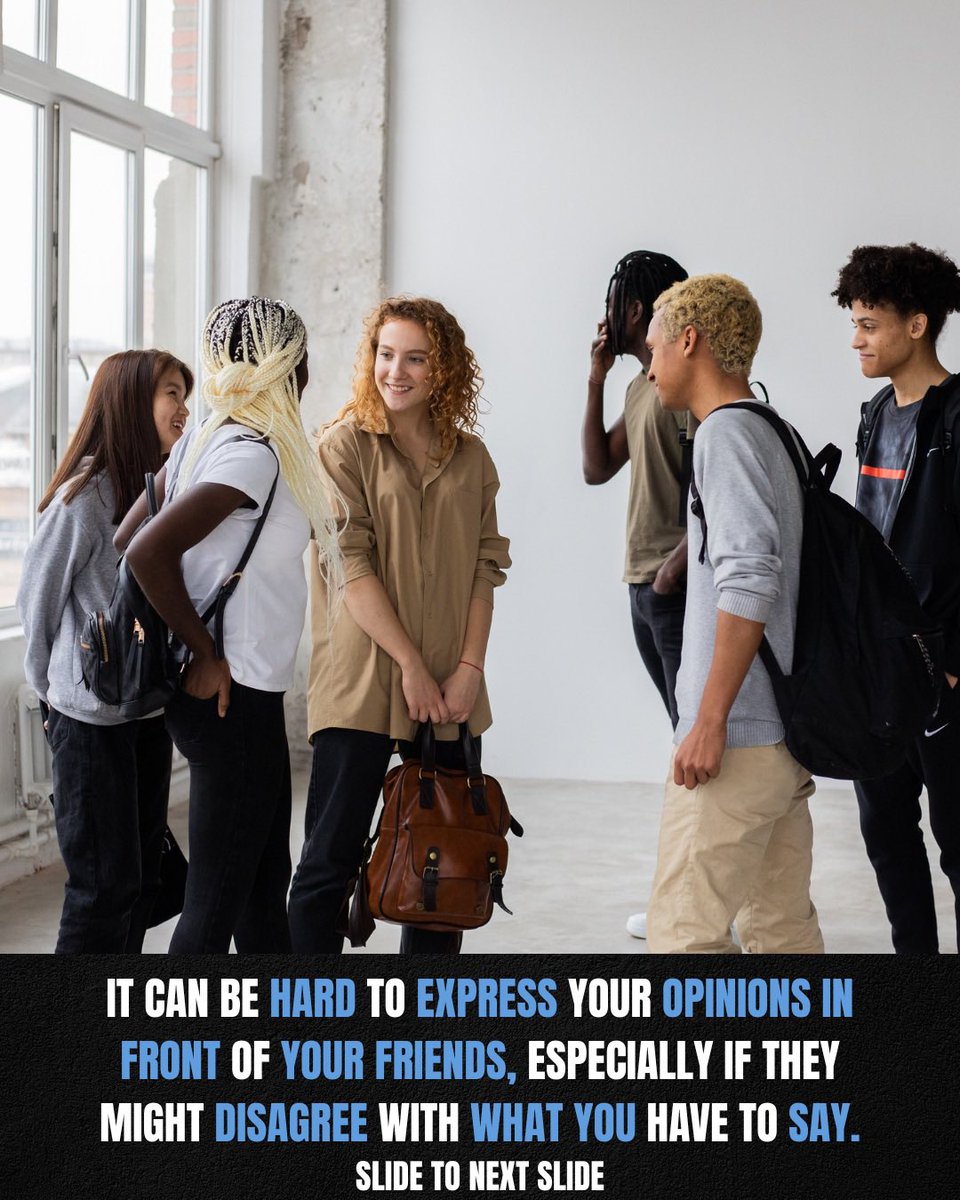
It can be challenging to express your opinions in front of your friends, especially if they may disagree with them.
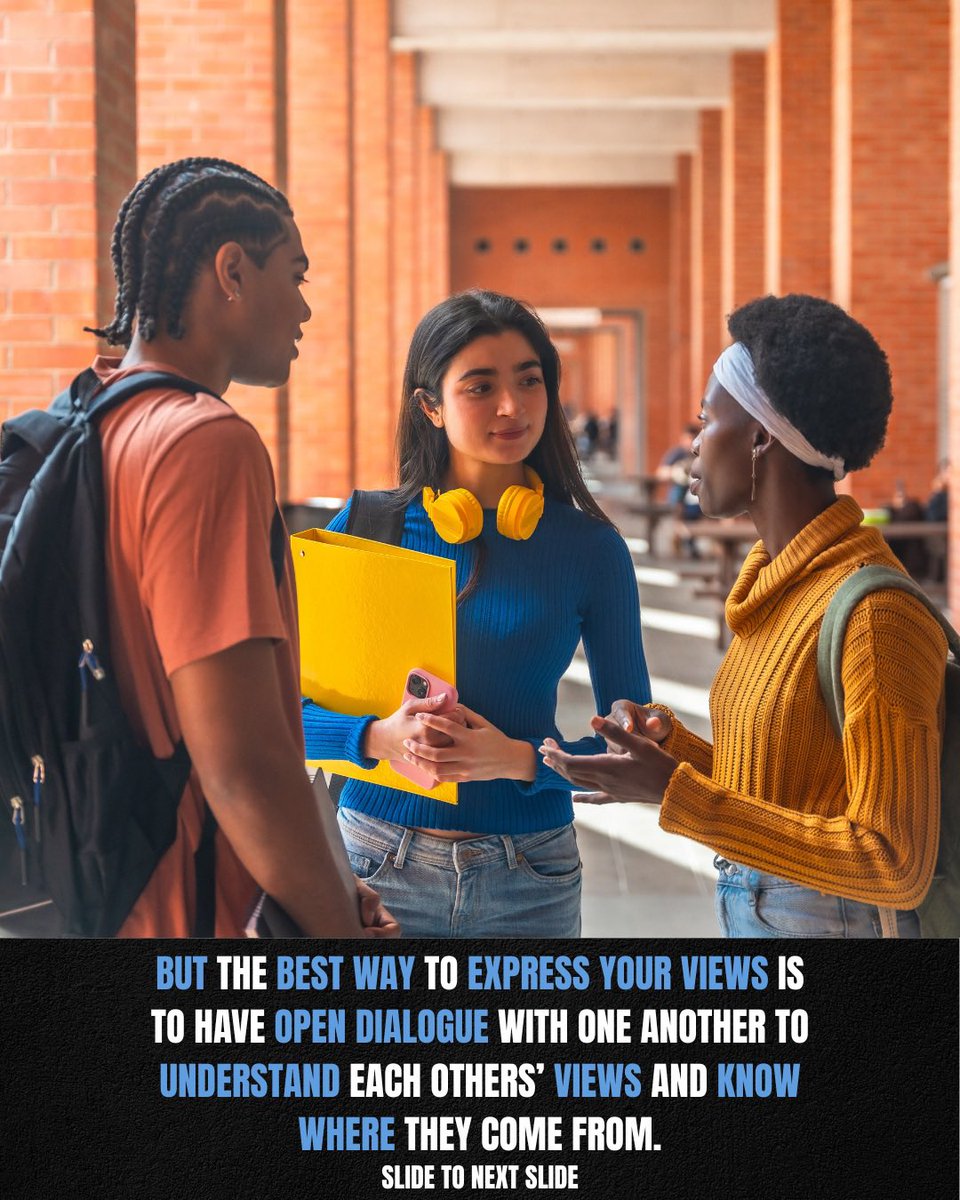
But instead of isolating yourself from their conversations, have open dialogue with them and express each others’ opinions without interrupting one another.
This helps you express your opinions in the most approachable way without your friends distancing themselves from you.
Go to https://t.co/a70iEW3crS to learn more about us and how you can make a difference on your campus. #opendialogue #CommonGround
We asked this guy what’s the coolest part about being an American, and he responds by saying that the people surrounding him are very friendly in comparison to other places.
He also says that Americans are very trustworthy with him coming from a culture that tends to not be open-minded to making friends with new people.
Any thoughts on his take?
We asked an elderly woman what’s the coolest part about being an American, and this was her response,
Elderly Woman: “I absolutely love the neighborhood I live in, Rogers Park,
and all the wonderful friendships I've made there, all the diversity that it offers, and I just feel like I've landed the best place in my life. I love it.”
Interviewer: “And how does that differ from other countries?”
Elderly Woman: “You know, I think other countries probably have similar areas where people live.
I've been to 46 countries so far in the world, and I have a trip where I'm adding three more in December in Southeast Asia, and I just love being introduced to other cultures and learning about them.
I'm very open-minded about that, and I feel very lucky to have been to as many places in the world as I have. I'm wearing my Kenya t-shirt, so you can tell I love meeting people from all walks of life, so.”
Any thoughts on her take?