Taking some new photos that have been taken in the right decade, but the puppy ran up and perhaps that is not the one for a professional #Bioinformatics advert?
Or maybe it's the best one?
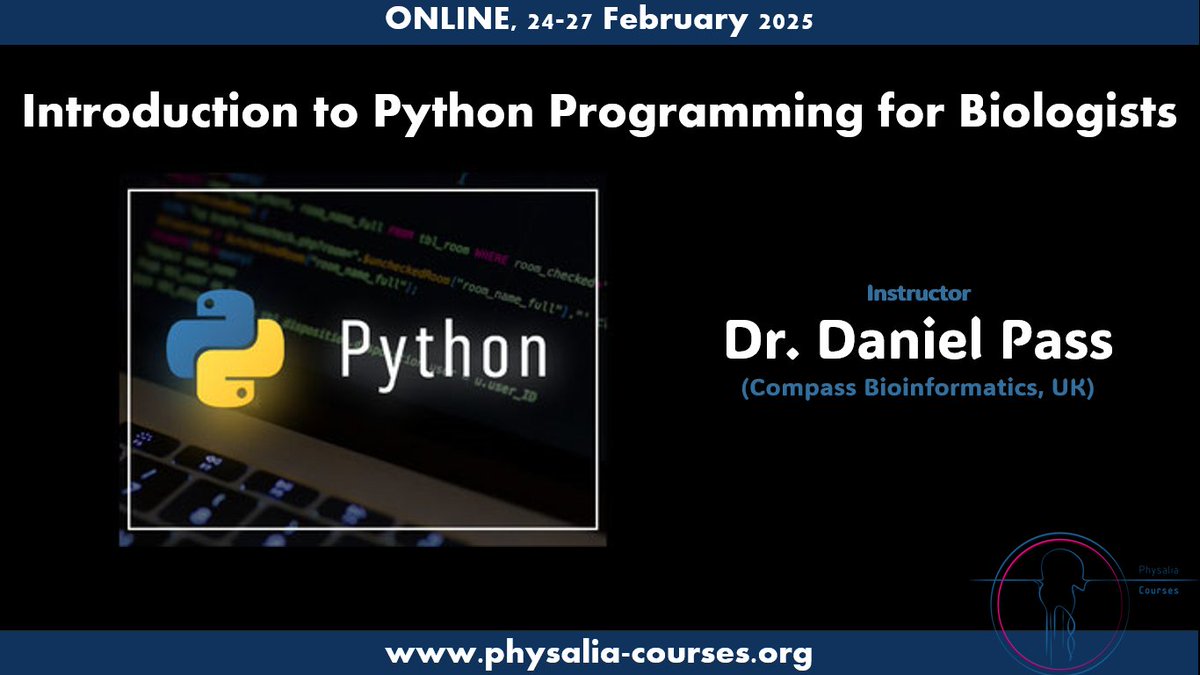
🐍📊 Biologists, ready to dive into Python? Join our online "Intro to Python Programming for Biologists" course with @passDan, Feb 24-27, 2025! 🌍💻 Learn coding essentials through hands-on projects! #PythonForBiologists#Bioinformatics
https://t.co/1i6dAlgpaA @SciPyTip
Last few spaces for this course NEXT WEEK!
It's a great way to take your bioinformatics to the next level by building in a workflow system for better reproducibility and portability. Sign up quick!
We have just 3 seats remaining for the Introduction to @nextflowio course running from 7-9 October.
This online workshop is designed to help participants quickly become proficient in Nextflow, covering both basic and advanced concepts.
https://t.co/nlF7TSSowj
Taking some new photos that have been taken in the right decade, but the puppy ran up and perhaps that is not the one for a professional #Bioinformatics advert?
Or maybe it's the best one?
We're running this course in two weeks, if you're looking to upgrade your bioinformatics and get some practical skills!
#bioinformatics#python#genomics#rnaseq
We're running this course in two weeks, if you're looking to upgrade your bioinformatics and get some practical skills!
#bioinformatics#python#genomics#rnaseq
Only two weeks until the next intro Practical Python for Biologists & there are a few spaces still available!
The feedback is always amazing so get on board if you're ready to level up your research!
Online with @Physacourses. More details & booking at: https://t.co/5za8fYaLCa
Once more into the world of python!
Want to learn python with a lot of hands-on practice and real biological data exercises? Get on board! 🐍
#Python#bioinformatics
This week we are running the Python course with @passDan and a fresh group of biologists !
They are ready for hands-on coding exercises and projects to strengthen their programming skills! 🐍💻
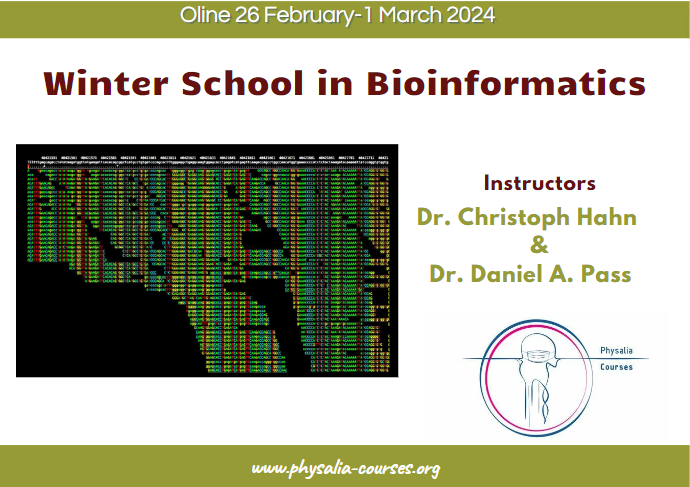
Get ready to dive deep into Bioinformatics at our Winter School with the incredible @passDan & @C__Hahn!
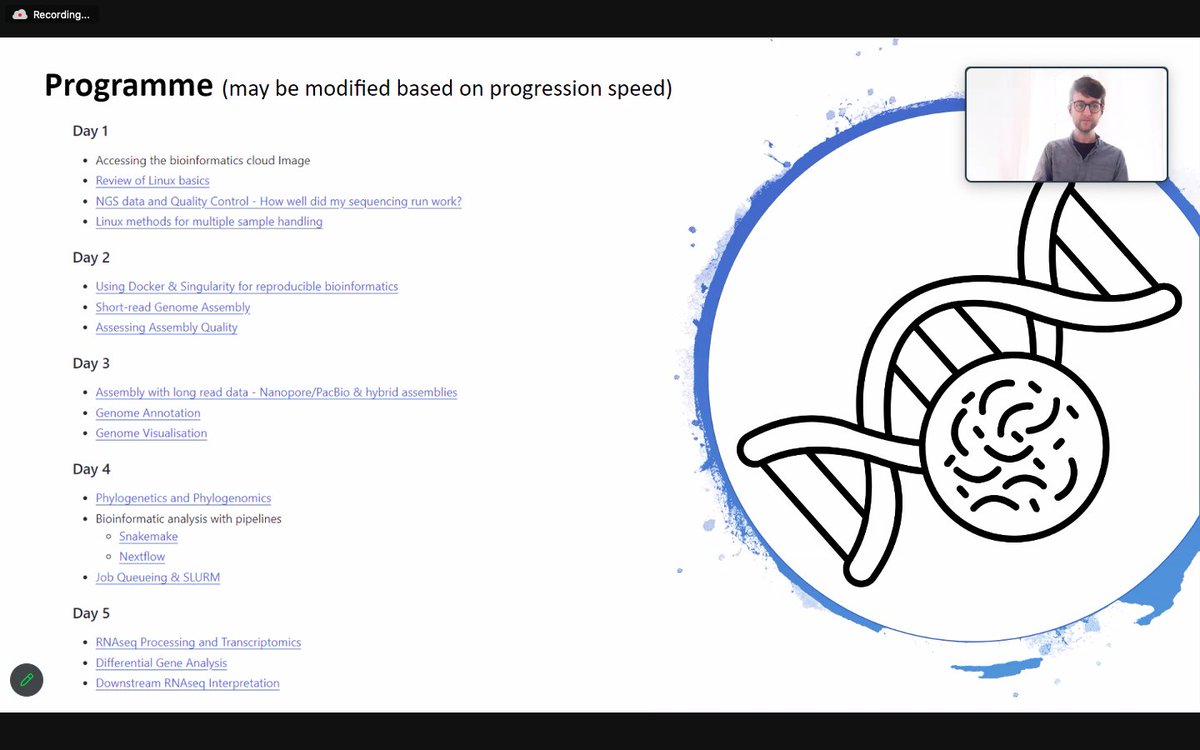
From mastering the command line to fine-tuning data QC, we're taking on Docker, Singularity, Genome Assembly, Annotation, Phylogenomics, & RNAseq!
Let the adventure begin!😎
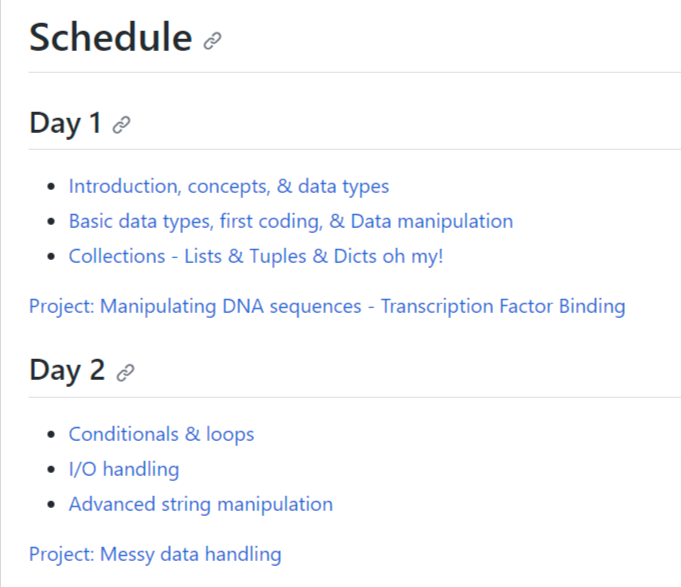
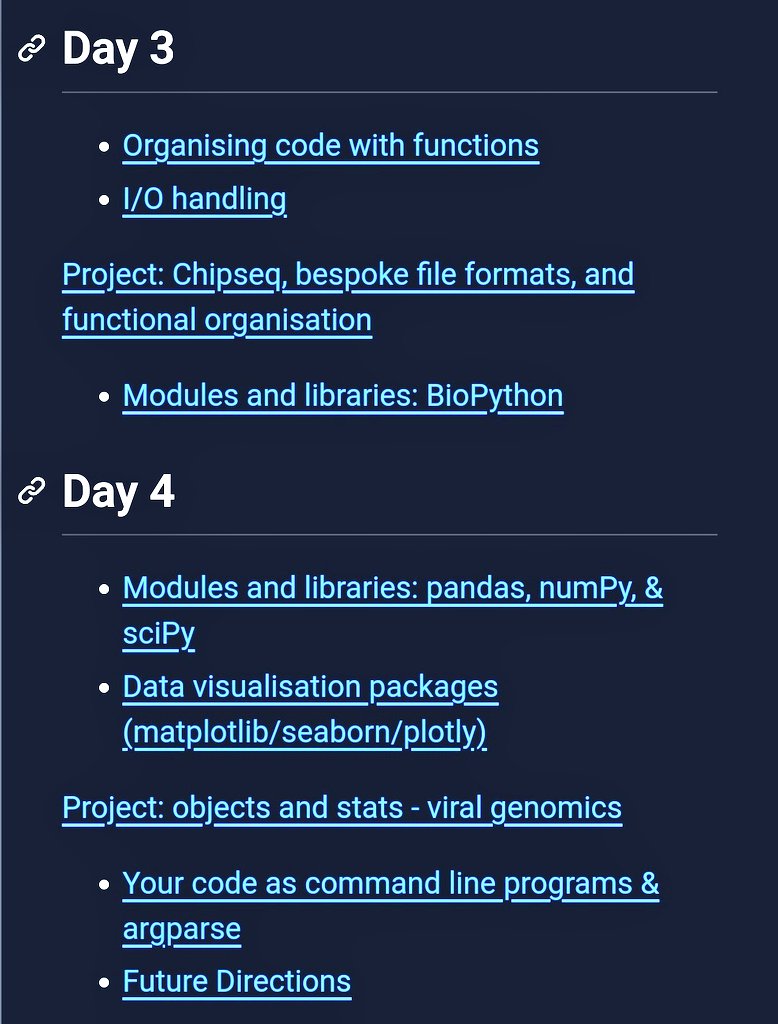
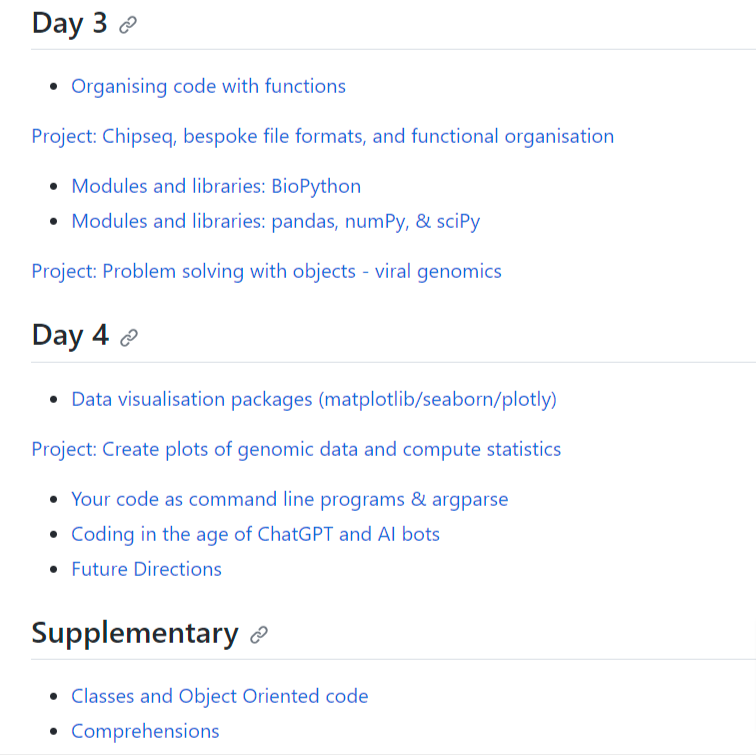
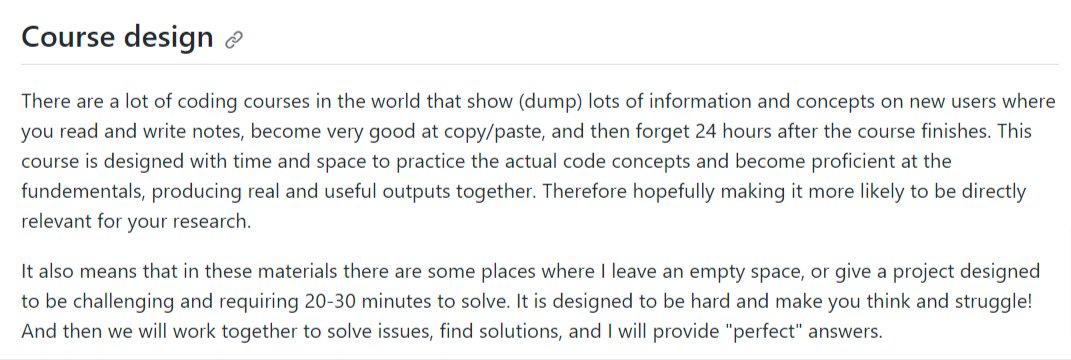
Four days of coding theory and practice, with lots of dedicated time for running and testing (and failing!) at exercises and projects.
And all for useful biology and bioinformatics applications.
The next (full) edition of our Python course is next week, but you can now sign up for the March course!
What makes our courses different to others you see online?
(course schedule below)
���� Join our "Introduction to Python for Biologists" course this March!
🧬Unlock the power of Python for data analysis, and research. Don't miss out! Enroll today https://t.co/adgoKuvFU0 📚
#PythonForBiologists #Bioinformatics #LearnPython
Registrations are now open for the next Winter School in #Bioinformatics with @passDan & @C__Hahn.
We will cover a broad range of software and analyses and you will get introduced to Unix, docker genome assembly, RNAseq, phylogenomics and much more!
🔗https://t.co/tIgkHPXFZB
📢📢Dear friends, our new software, Splam, a deep learning-based splice junction predictor, is now officially released🎉If you do RNA-Seq data analysis or need a reliable tool to evaluate splice junctions/introns, Splam is the perfect fit for you
���� https://t.co/R345pehx5l
(1/10)
If you have ever done #Bioinformatics or received omics data it is almost impossible for your data to have not been through a Heng Li pipeline.
An amazing contributor to all biology and great to see it recognised.
Congrats to Heng Li, PhD (@lh3lh3), of @dfcidatascience, selected for an @ISCB Fellowship and recognized for developing advanced bioinformatics algorithms and tools allowing DNA to be sequenced and analyzed in a fraction of the time it previously took.
https://t.co/9jbytKCwpx
Waiting for the day when researchers realise that bioinformatics is intensive AF and not something that has to be added as an afterthought to enrich existing results. It has to be planned alongside the main work plan. And no, you can’t learn analysis in 2 weeks.