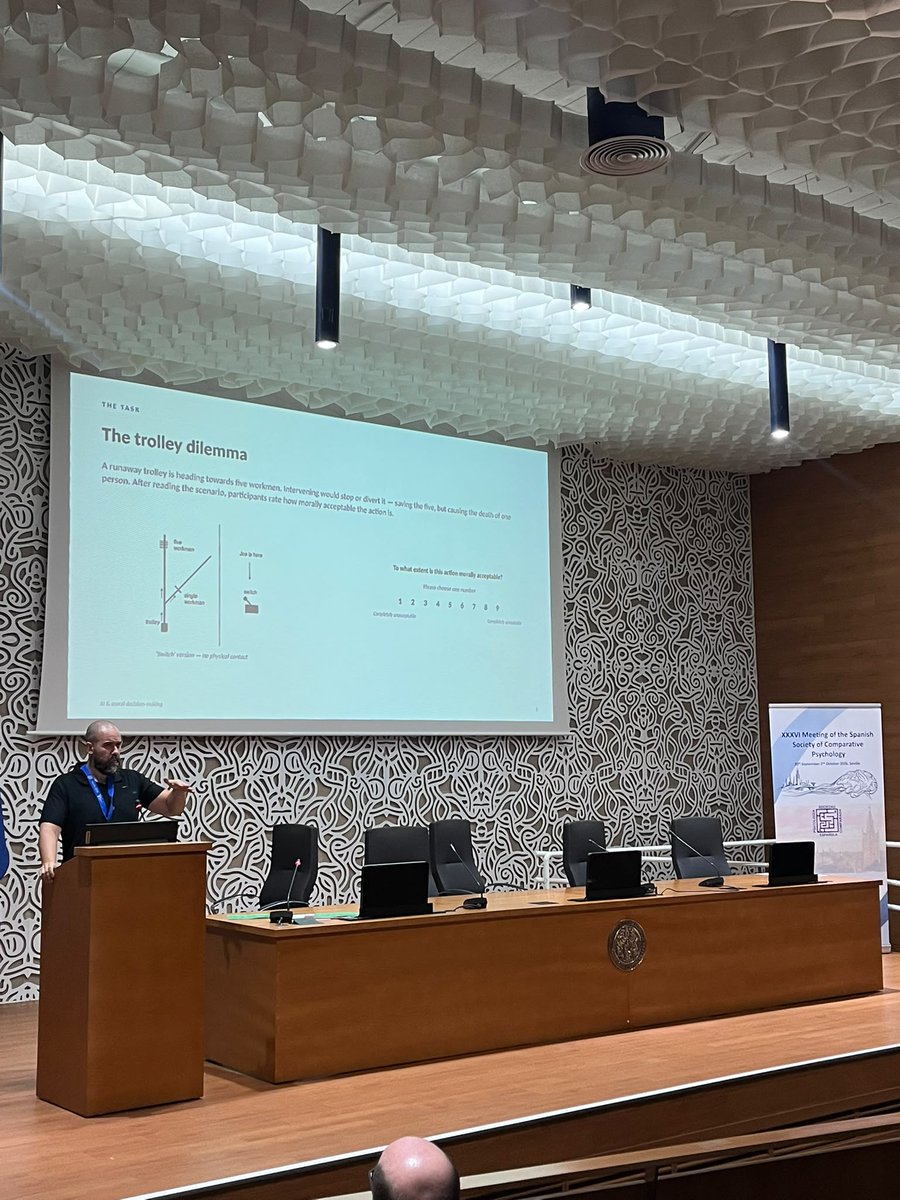
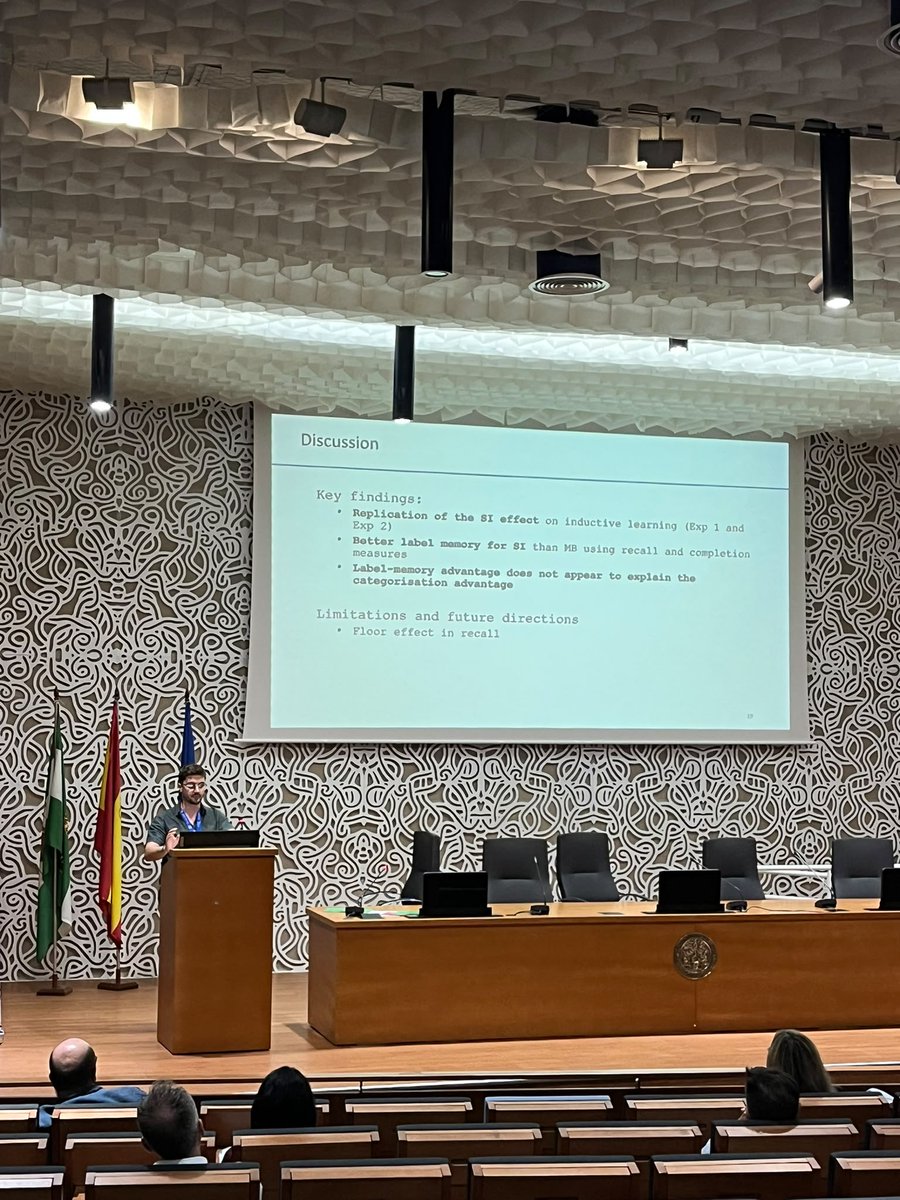
🎤 We’re wrapping up Session 2!
Thank you to Carmelo P. Cubillas, Marina Espinosa, Víctor Trillo, Yeray Mera, and Robin Murphy for sharing your research with us. 🔬👏
Another great session full of interesting work and discussions!
#SEPC2026
Important paper for anyone who does group comparisons (based on age, or anything else) in fMRI. Suggests that some group/age effects in fMRI might be vascular rather than neural?
https://t.co/dt23NsZr1T
Are you a psychologist or neuroscientist who completed your PhD after 1st October 2022, or about to submit your thesis? Consider applying for the **4-year Career Research Development Fellowship** in Psychology at St John's College, Oxford. Please share! https://t.co/ZcY2jJEr5a
While it’s *deeply* unfashionable to be publishing in @eLife right now - do humour us for advertising a study that was several years in the making (submitted way back when it was still possible for reviewers to reject us!). We’re rather proud of it.🧵👇🧵https://t.co/iX3vHSbdgv
I'm delighted to announce that we're going to host a (virtual) Oxford Autumn School in Neuroscience this year with a great range of topics - and free to anyone.
Details, including registration, here:
https://t.co/5Fx0C8ymSE
Two 💻💻 and a whole lot of re-assigning break-out rooms on Zoom, the #EPSOnline Mentoring Session has just ended and we hope that everyone who took part enjoyed the (digital) experience!
I think the approach being described by Patel of considering domains of difficulty rather than categories of diagnoses would really do a lot for the issues of heterogeneity that autism researchers and clinicians bump up against all the time #INSAR2019
In case anyone missed it our recent paper (by @NicolaByrom and I) "Managing student mental health: The challenges faced by academics on professional healthcare courses," has now been published https://t.co/lGCHP1wIUl