On this page we give an insight into the work on a new edition of the Fragments of the Roman comic poets. 🎭 Here you can learn how we work, which challenges we face, and what we aim to achieve with the edition.
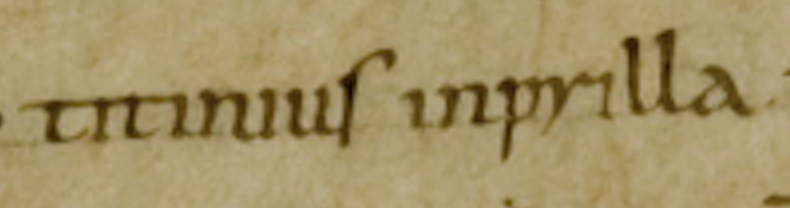
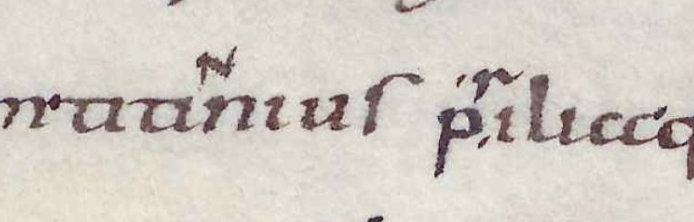
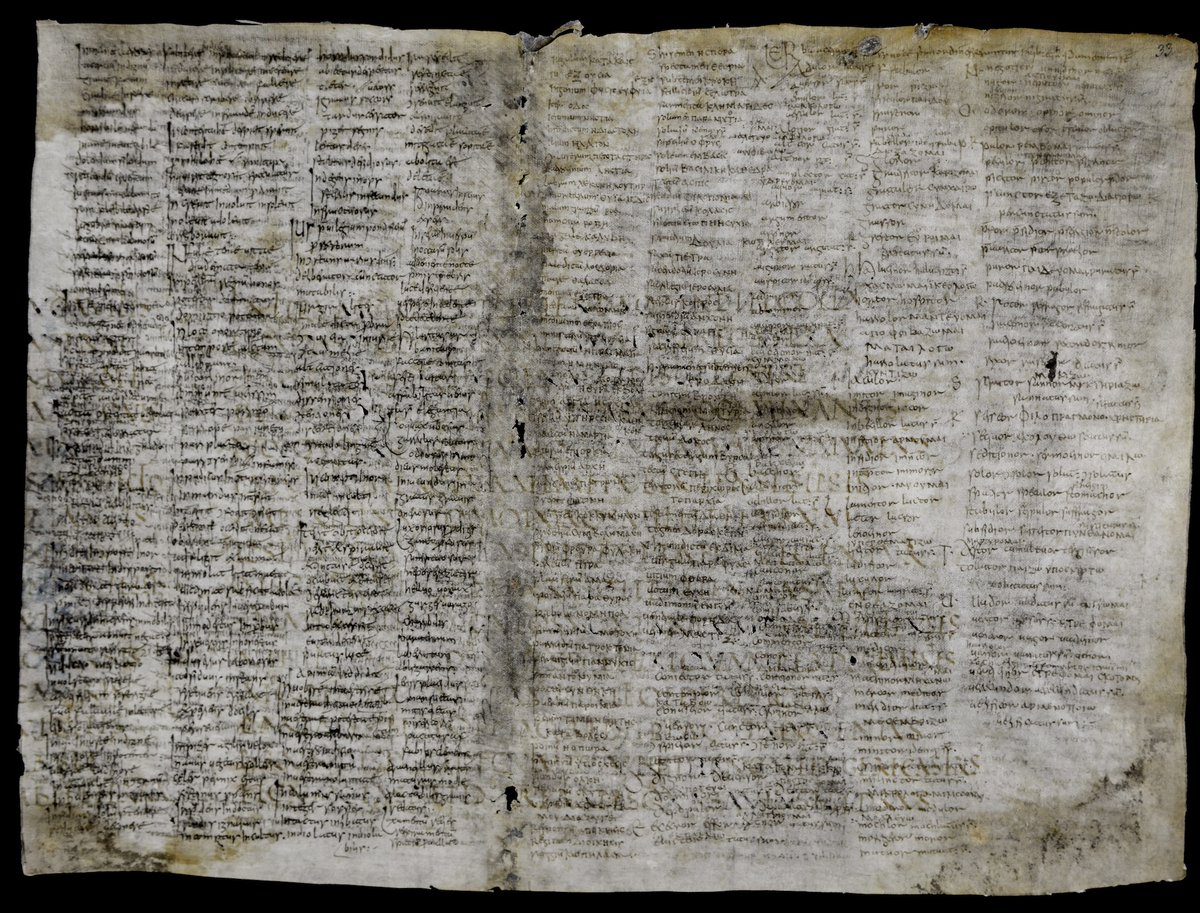
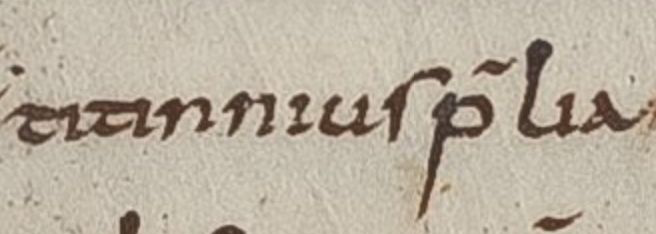
What to do with fragments preserved under near-identical titles? Did Titinius write two comedies, Proelia and Prilia, or is it one title in two variants? And what about Praelia? And Proclia? And Prilla?
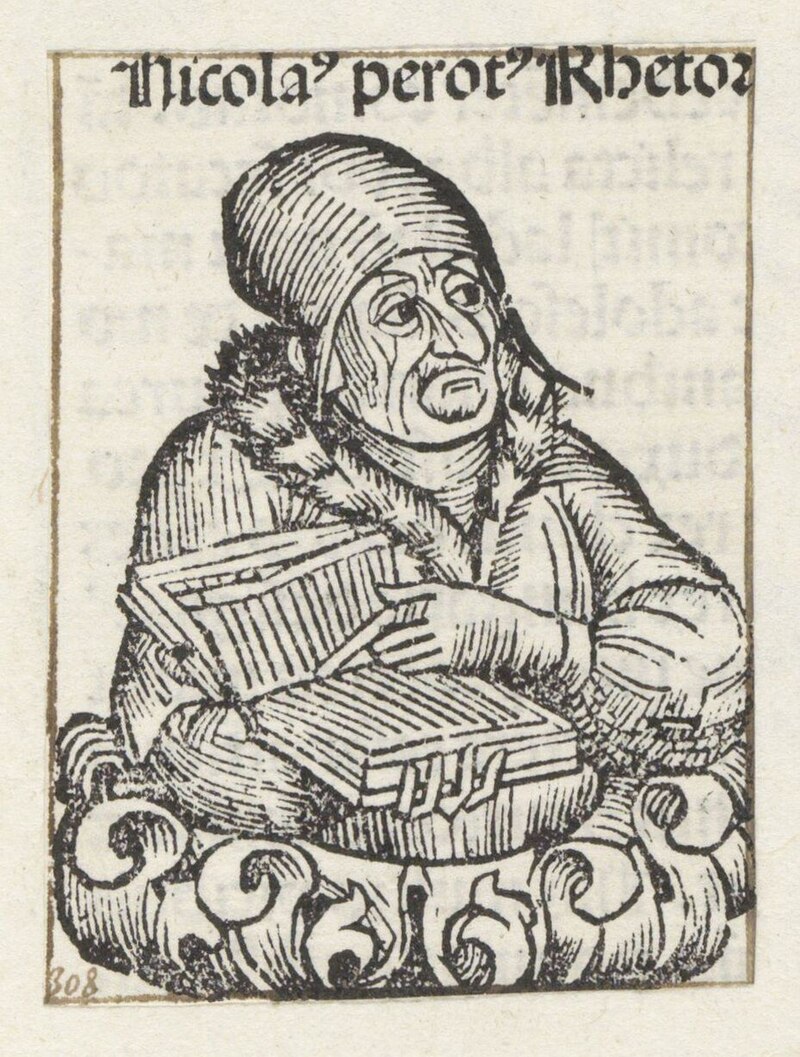
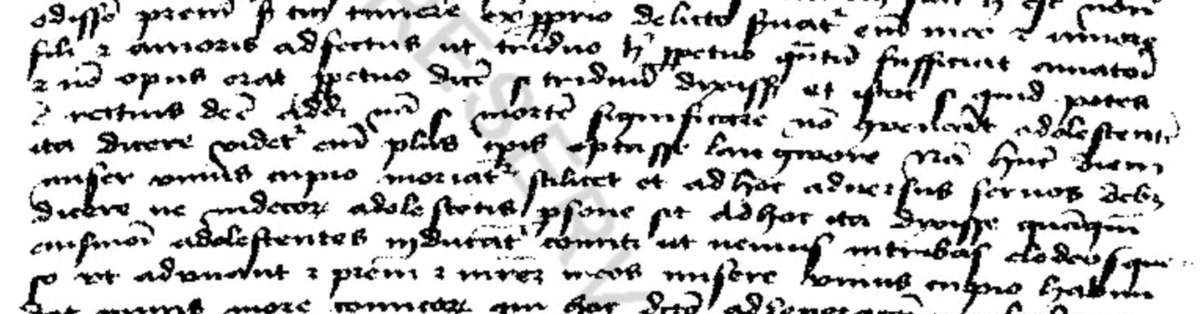
In the 15th century, a certain Niccolò Perotti published a colossal commentary on Martial, which contains hundreds of fragments of early Latin poetry that are not attested in any of our ancient sources. Are these fragments genuine or are they forgeries? 🤔
Some Roman comedies have Greek titles, which always caused problems for medieval scribes. Here is a nice example from Donatus:
Caecilius in Ἁρπαζομένῃ (ἀρπαζόμενη V, apna30MENN T, * * * * * * C).
T's solution may look like nonsense at first, but is actually quite close.
We are currently looking for poets who (allegedly) wrote comedies (all sub-genres) in the imperial era. Our list so far includes:
C. Melissus, M. Pomponius Bassulus, Cn. Lucceius, Lentulus, Marullus, Philistio, Surdinus, Vergilius Romanus, Apuleius, Lampridius, Axius Paulus (?)
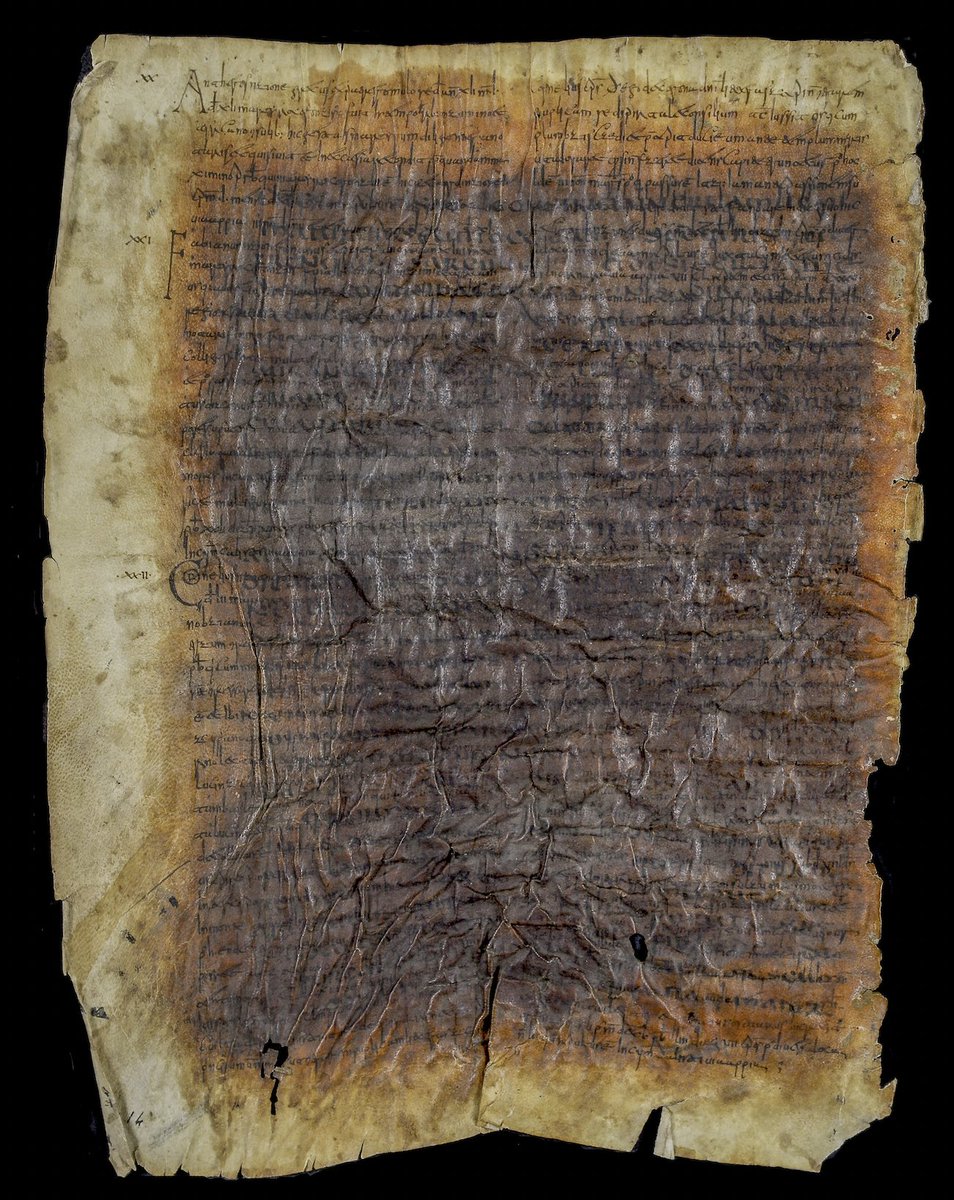
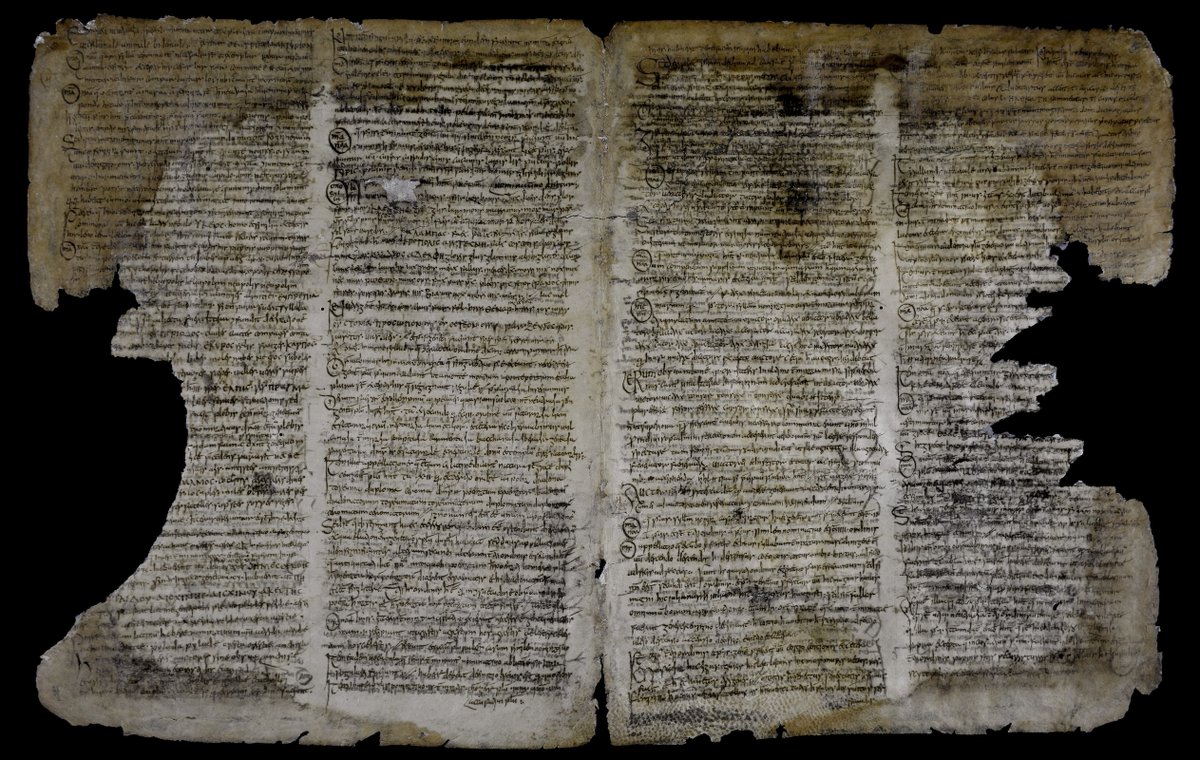
Where no good editions are available for an author (or different editors give contradictory information), we go back to the manuscripts. One of the biggest challenges is Donatus. This is a passage from codex K (Vat. Chig. H VII 240) with a fragment of Naevius (Naev. com. 95).
@noah_nonsense Wessner (still the standard edition for all plays except Andria) did not know all the important manuscripts and did not realize that the stemma changes a total of eight times over the course of the commentary.
We are currently looking for poets who (allegedly) wrote comedies (all sub-genres) in the imperial era. Our list so far includes:
C. Melissus, M. Pomponius Bassulus, Cn. Lucceius, Lentulus, Marullus, Philistio, Surdinus, Vergilius Romanus, Apuleius, Lampridius, Axius Paulus (?)
@GiuliaMarolla_ It's difficult. The colony was apparently constituted under Hadrian, so that would be a terminus post quem. Other than that, there seems to be no evidence.
... Do you carve this epitaph on my tomb to be a lesson to subsequent .... that no-one should excessively fear the rocks of life, seeing that a harbour is available to ..., which can receive us into everlasting rest. But now farewell until (? as long as) ... (7/9)