Crazy post-doc scientist working at the Danish Headache Centre, interested in headache, metabolism, obesity and neuroscience. Rugby fan and loves metal music
We are happy to share our latest paper:
Acetazolamide and topiramate lower intracranial pressure through differential mechanisms- the effect of acute and chronic administration
https://t.co/hE7TTxS80f
Thus, the combination of acetazolamide and topiramate may have utility for treating raised ICP. Moreover, topiramate may be considered preferential for ICP management due to a longer and more persistant therapeutic action.
I suggest caution with GCs and treating IIH though. We do not know what role the GC excess phenotype in IIH has in its pathophysiology.
https://t.co/dZQetjB0Xh
We are happy to share our latest paper:
Glucocorticoids modify intracranial pressure in freely moving rats
GCs lowered ICP in independently of oedema and inflammation suggesting theraputic value for GCs in treating multiple conditions of raised ICP.
https://t.co/C44tCqN9U7
Our in depth ICP phenotyping also demonstrated that GCs reduced ICP without affecting the circadian rhythmicity of ICP, suggesting that circulating GCs may not modify ICP physiology at endogenous levels.
I am looking forward to further these studies!
Blocking PACAP38 may be a novel therapy for migraine!
Check out my latest review on the topic: https://t.co/Ju43XaL76l
Thanks to my co-authors Jes Olesen, Sarah L. Tangsgaard Christensen, Inger Jansen-Olesen and @UCPH_BRIDGE
Interested in ICP in rats? Wondered if rat ICP is different to humans or how different physiological states alter ICP? Do current drugs indicated for raised ICP actually modify ICP? If so please sign up to watch!
One-quarter of individuals with #headache occurring once or more every week have never consulted a medical doctor. Many people, even those with the highest burden, are hesitant to make use of headache services: https://t.co/UPDjlhrmhJ
@ihs_official@ahsheadache@EHF_Official
A huge thanks to all those involved @Dr8oots @ArmyBrainDoc@DrAndreasY including the patients who gave up thier time and participated in the studies.
This was years of effort for all and helps us understand IIH just a little more.
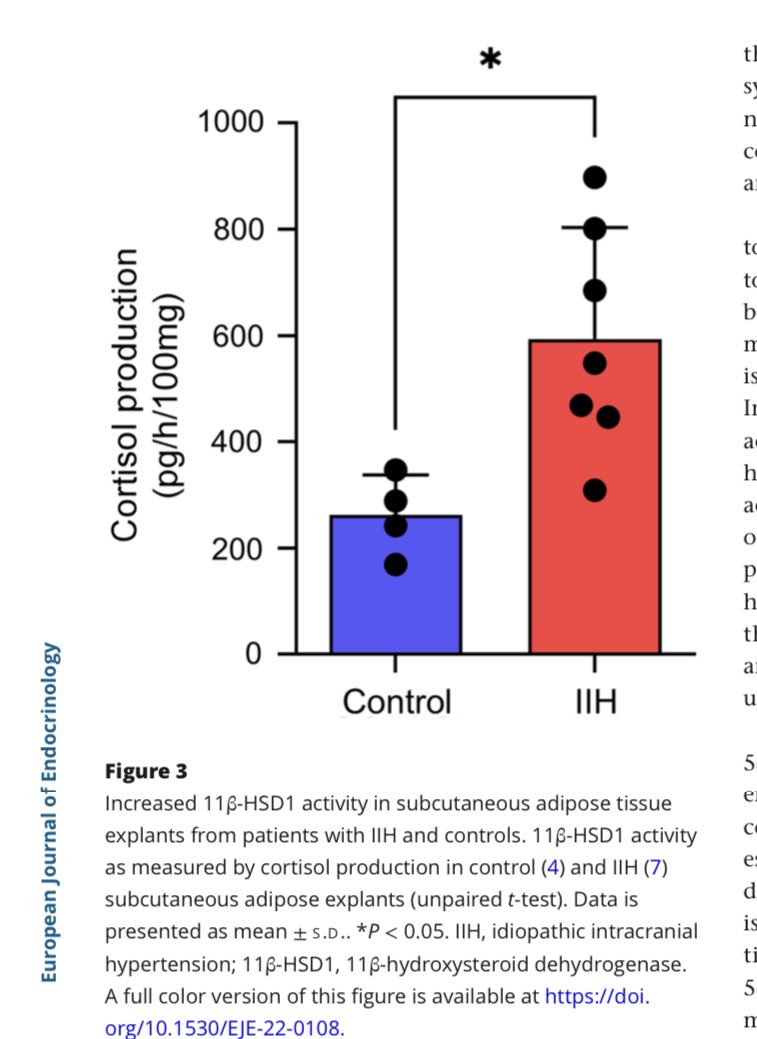
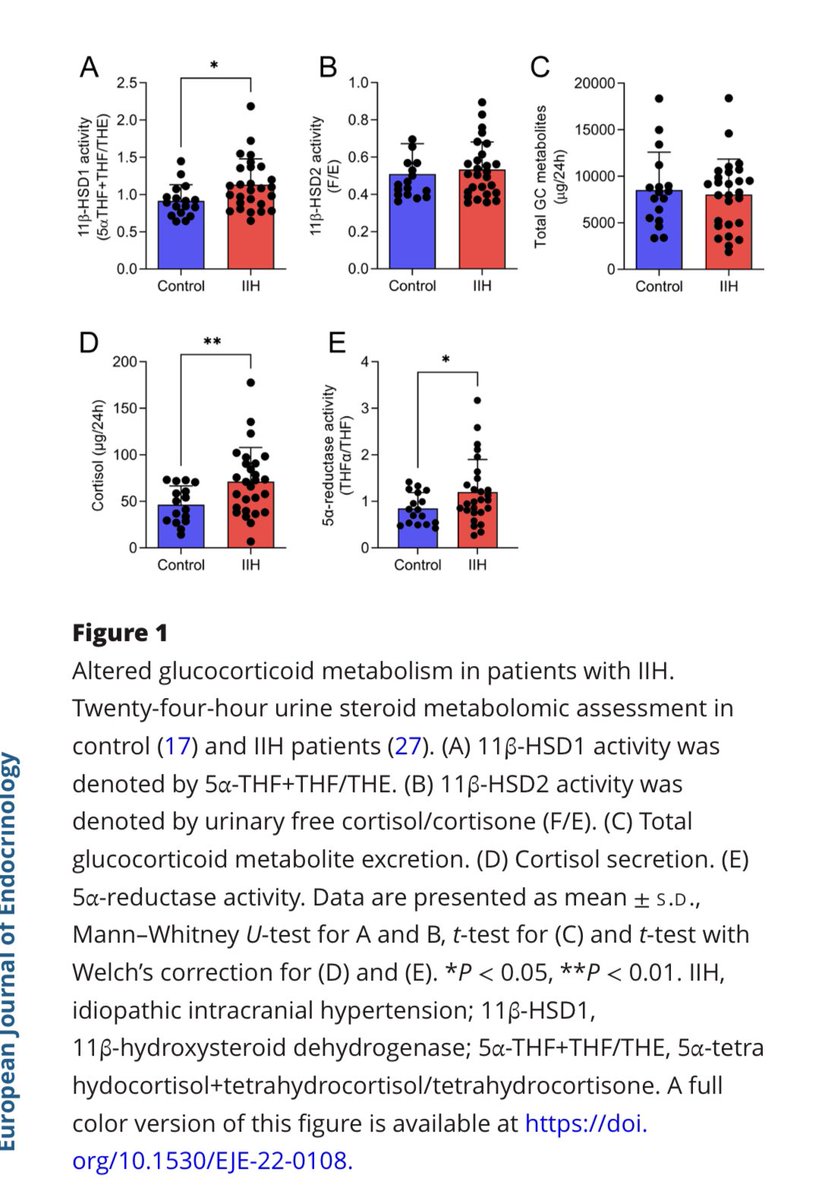
Patients with IIH display features of increased glucocorticoid activation which normalise following weight loss, that could be driven by adipose dysfunction.
Further evidence that IIH is a metabolic disease
@IIHDrBirmingham @DrMollan @Lavery_Lab
https://t.co/9jRHXOamfB
Happy to share our latest paper: Diet-induced obesity causes cephalic hypersensitivity and retinal degeneration in the context of raised intracranial pressure in female rats. Helping us understand #IIH and #obesity just a bit more.
@s_hagen_@rj_rigmor
https://t.co/mQ5RZ6Kwfl
Our latest review is online.
Is there a link between obesity and the headache in migraine and IIH? What are the potential mechanisms?Read on if you are interested !
https://t.co/TAMjAGulzi
A hugely important piece of work by my colleague and mentor David Kristensen. Based on the clinical and pre-clinical data, the signees of this statement recommend that paracetamol should only be used in pregnancy when clinically indicated.
https://t.co/s9zduAPxLr
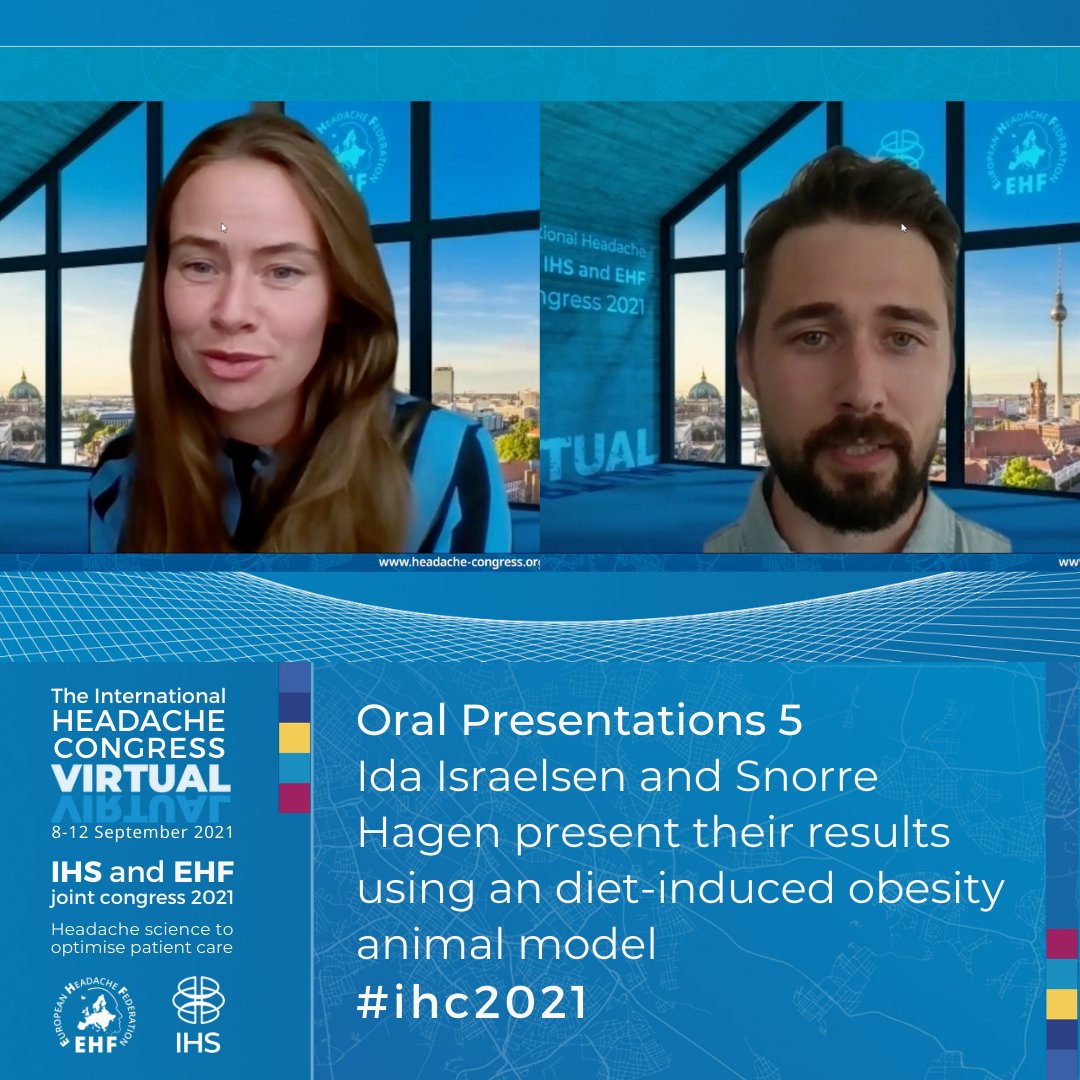
Ida Israelsen and Snorre Hagen discuss results using an diet-induced obesity animal model which features raised intracranial pressure in the oral abstract presentations 5 @IHS_Official@EHF_Official#IHC2021#headache#pressure