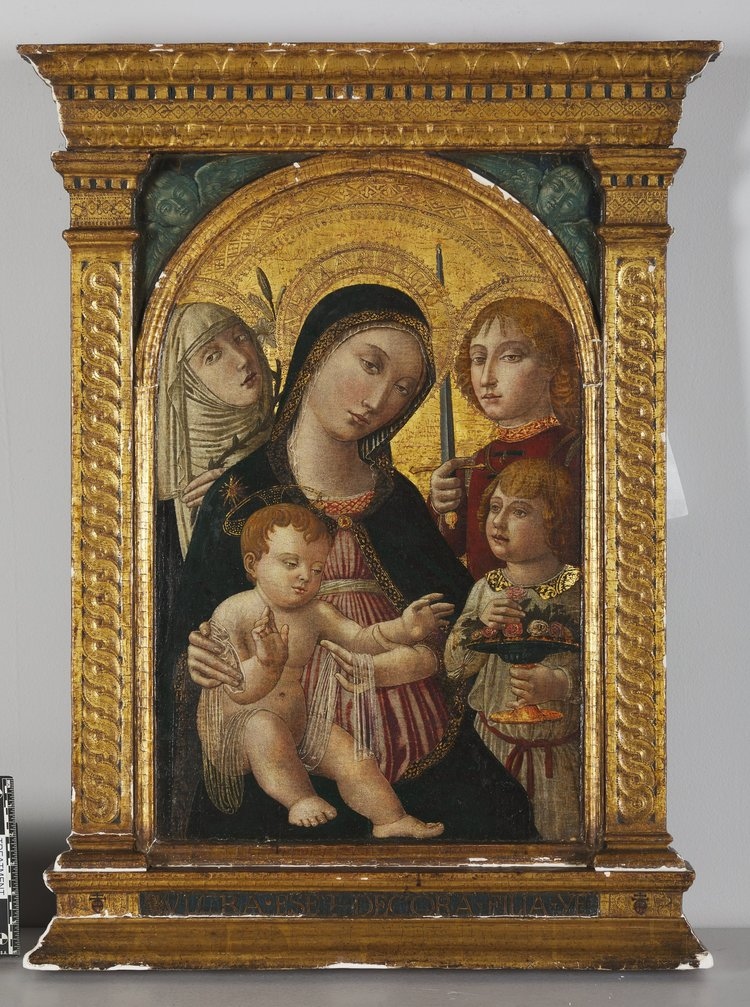
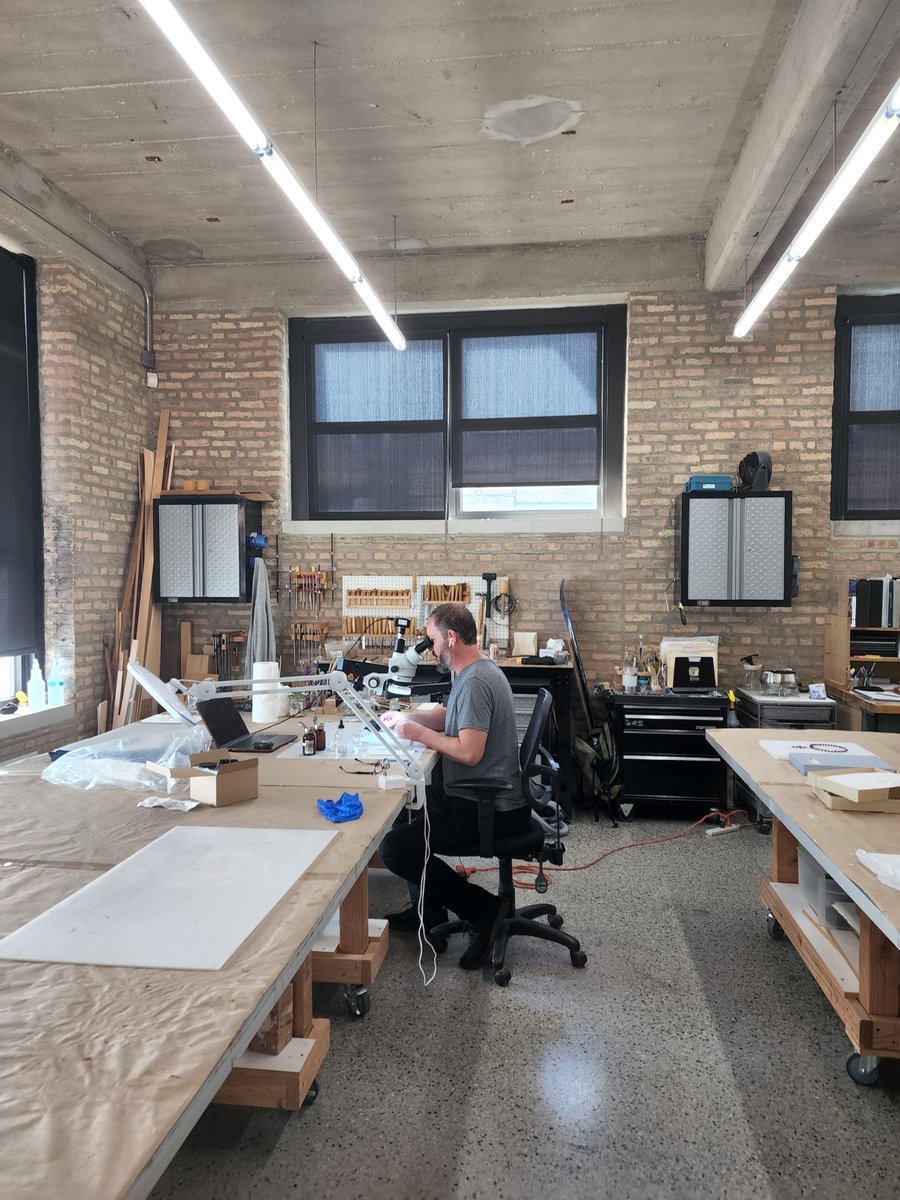
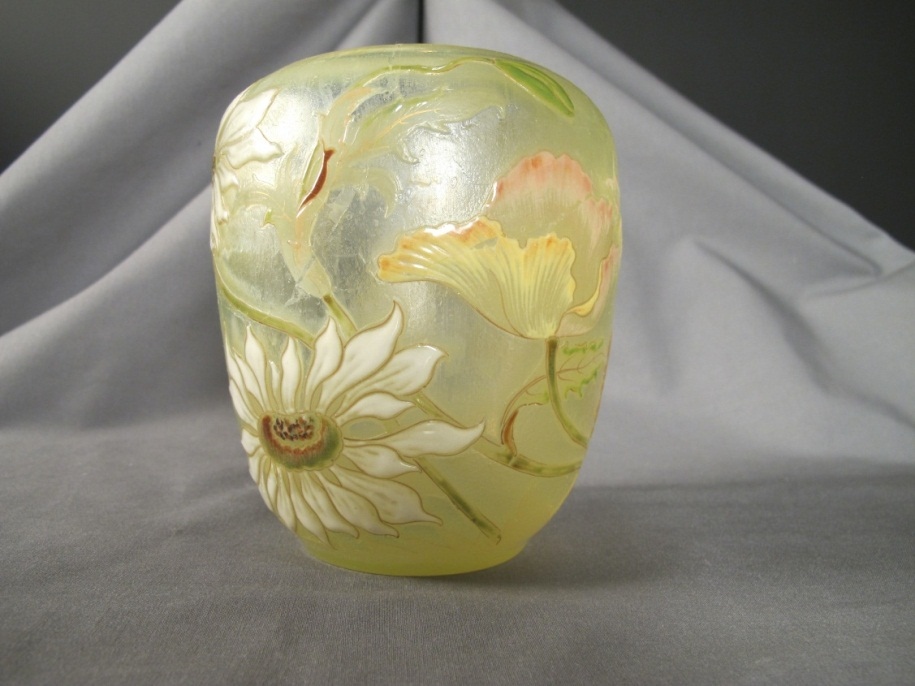
@vicenews mentioned The Center in their recent article about art conservation during the California wildfires. Our thoughts are with the people affected. "Art evacuation and restoration work is becoming more frequent and unpredictable with climate change." https://t.co/5Vu12NDtKe
Here, one of our paper conservators is carefully removing previous repairs on the verso of a map using a microspatula after applying a poultice. These previous repairs were very heavy-handed, causing severe distortion to the map and needed to be removed. #artconservation
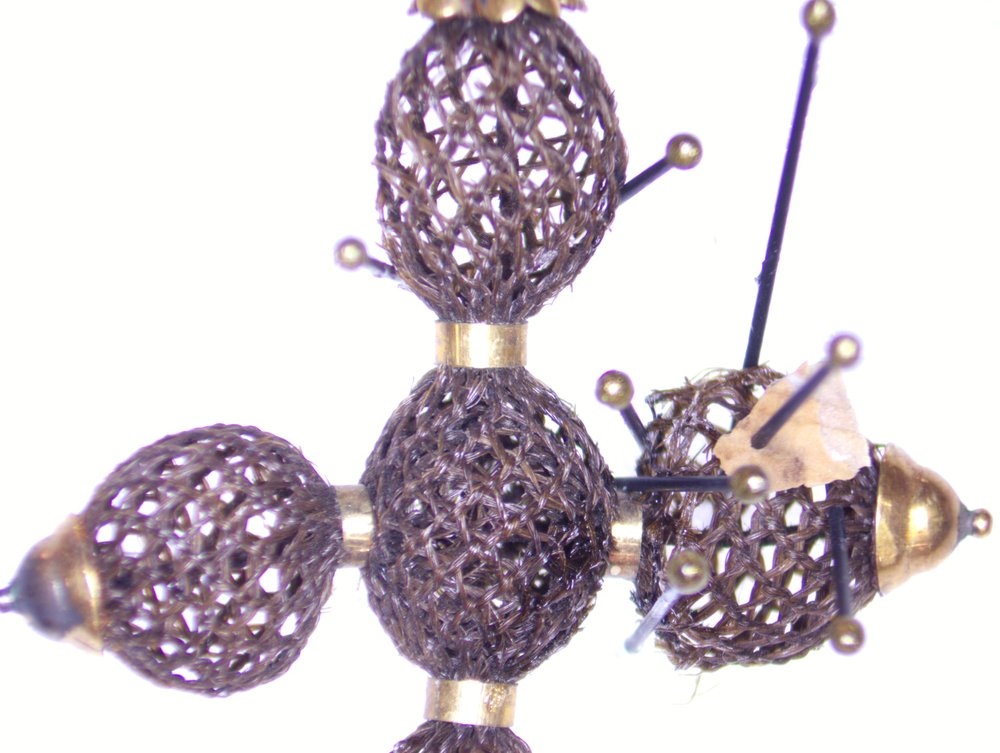
Conservation is a marriage of Art & Science - and this hairwork necklace treatment by Senior Conservator of Objects and Frames Josh McCauley exemplifies the concept like no other! Read all about it - https://t.co/1h41TFLEMP! 📿💇♀️
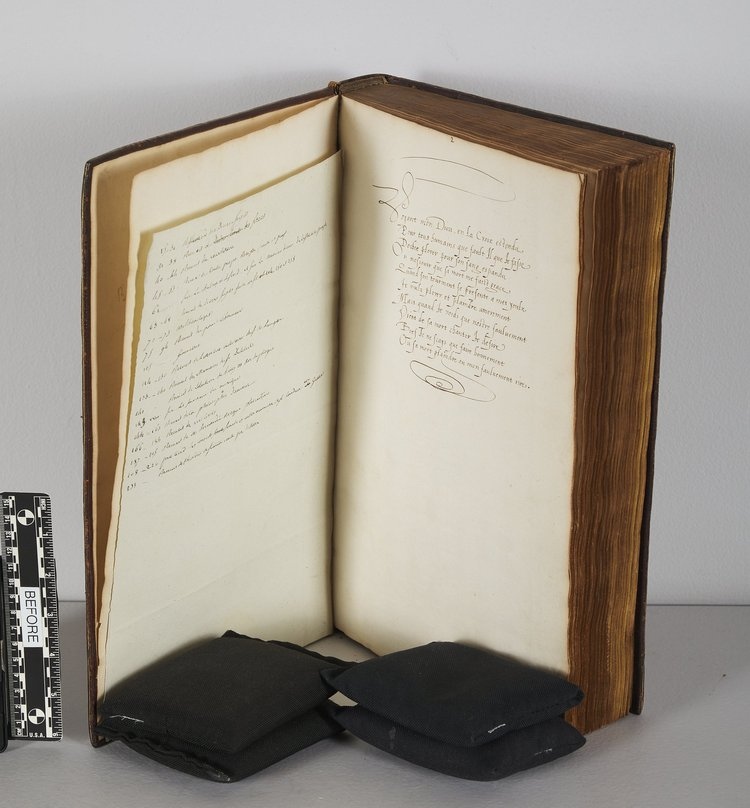
📚️ It may be called a Commonplace Book, though it's certainly not so common nowadays! But if you had been alive in the 1500s, it was a valuable resource - a collection of notes, proverbs, ideas, adages, poems, prayers, recipes, and facts.
https://t.co/wQyFtWUGL1
Guests in our laboratory often remark to the conservators, "You must have so much patience!" And wow, are they right! If you watch to the end, you'll get to enjoy the results of the conservator's patient work too!
#fineartconservation
Raking light, sometimes referred to as critical light, is harsh, angled lighting designed to highlight the surface topography. Raking light is often used during conservation examinations to reveal condition issues that may otherwise be visually undetected.
#art
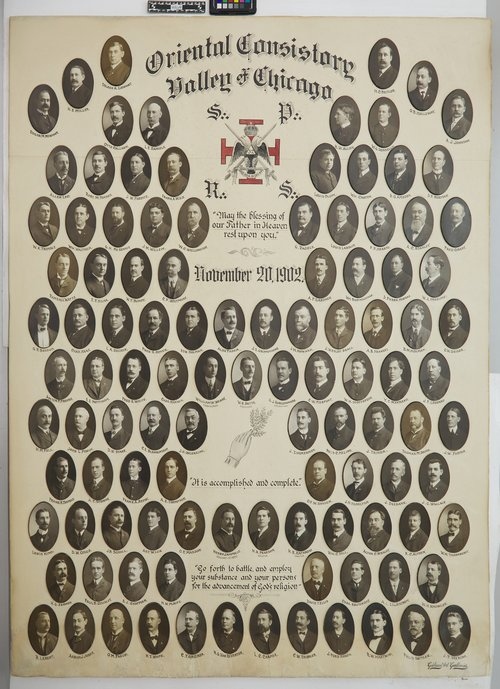
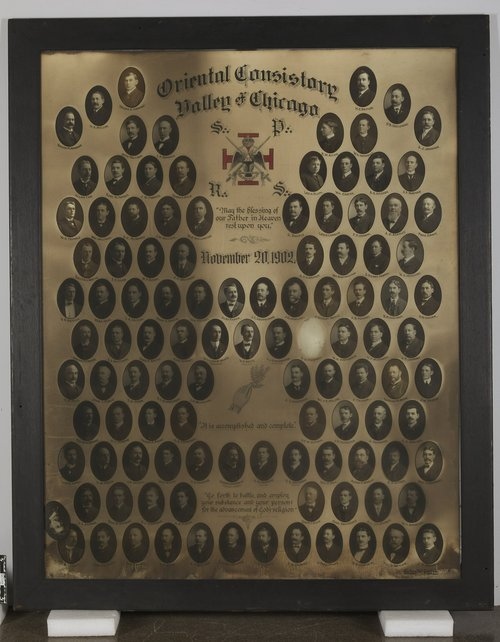
After the water bath, the document was then stretched using Plexiglas and clips to minimize the distortion. The piece was dried and flattened between blotters under weights. What do you think of this transformation? 🗞️📰 #parchment#historicdocuments#paperconservators