🚨#ArmorWeek:
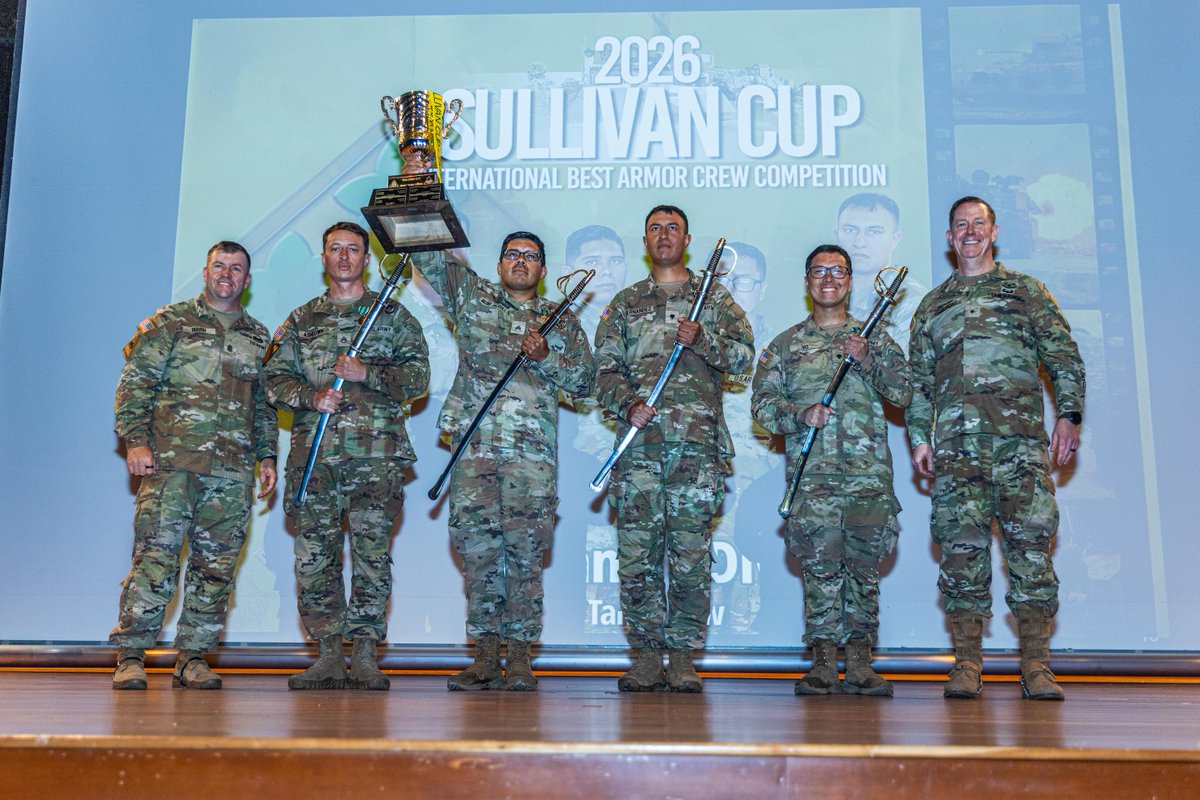
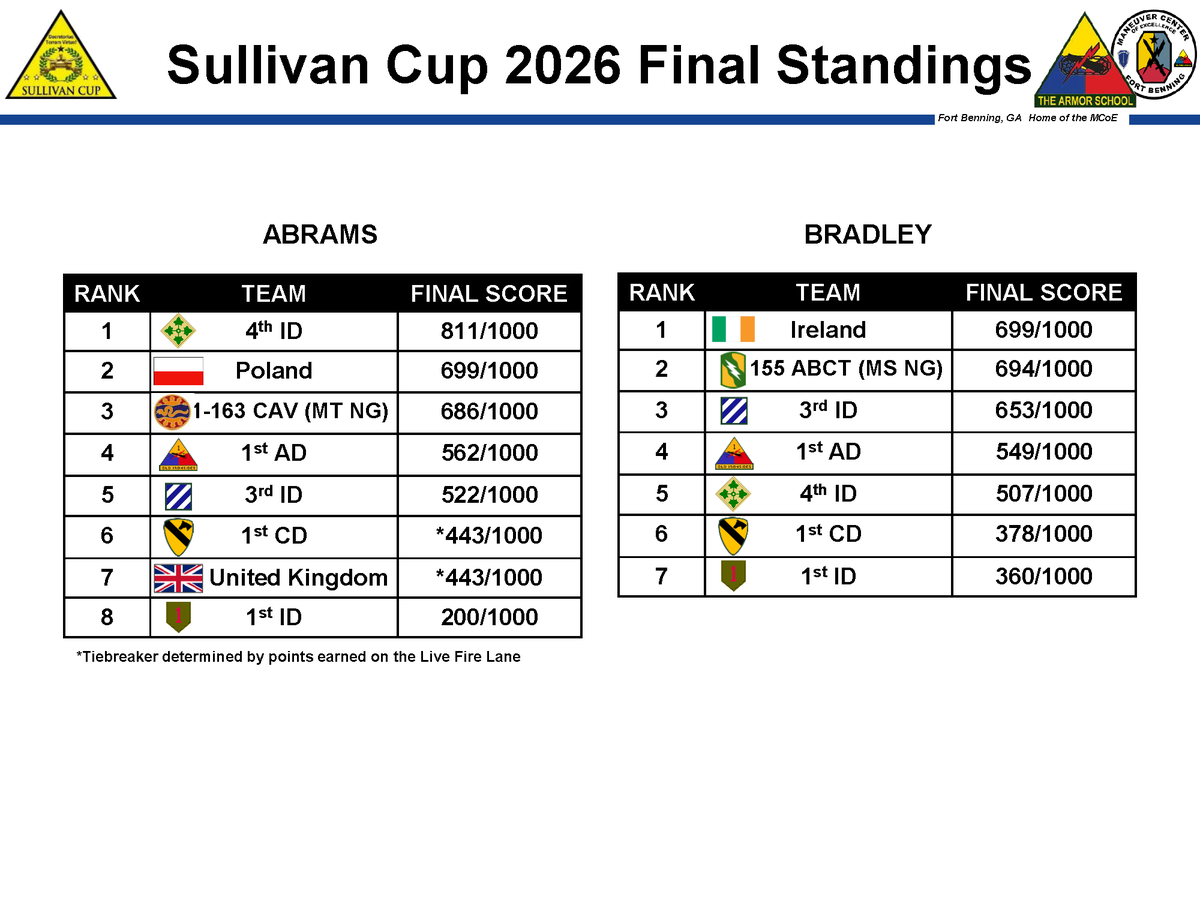
2026 #SullivanCup
Best Tank Crew:
Staff Sgt. Jordan Ashdown, Sgt. Jose Medina, Spc. Angel Ortiz and Spc. Samuel Vo, representing the 4th Infantry Division.
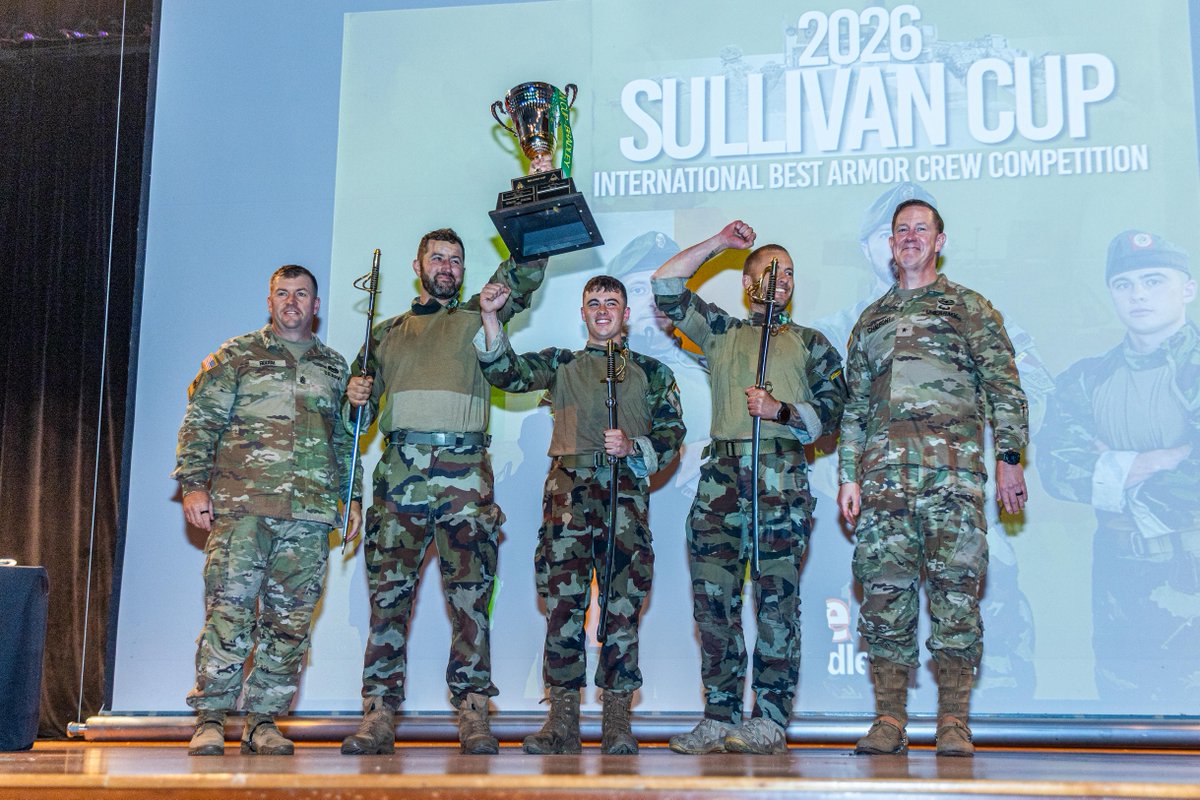
Best Bradley Crew:
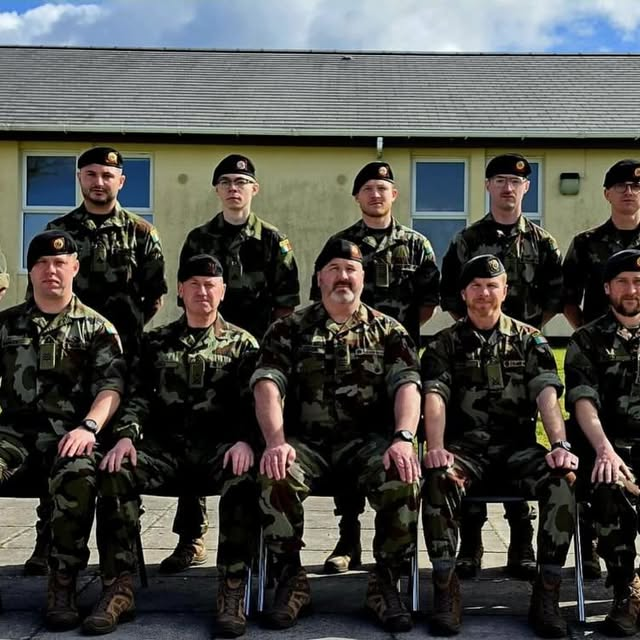
Lt. Colm Meade, Sgt. Shane Molloy, and Tpr. Tristan Regan, representing the Irish Army.
Huge congratulations to the Irish 🇮🇪 @defenceforces Cavalry Corps on winning 1st place (Bradley category) at the 2026 #SullivanCup@MCoEFortBenning
Mastering a brand new platform in just 2 weeks & outperforming global crews is a remarkable display of adaptability & excellence👇
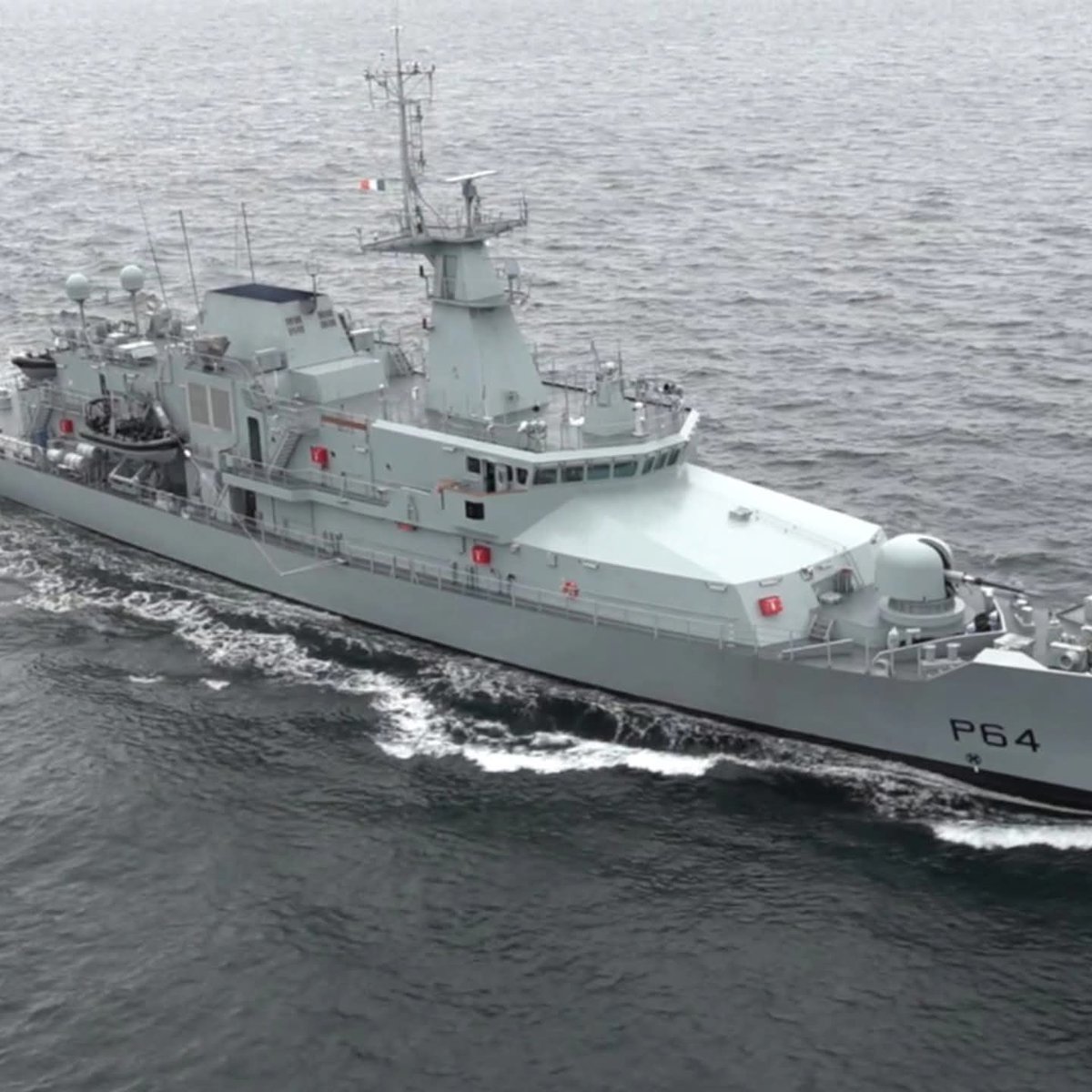
The Irish Naval Service @naval_service vessel LÉ George Bernard Shaw P64 is docking in Limerick for Riverfest @RiverfestLmk
Meet the crew, see inside one of Ireland��s most modern naval ships, and get a real taste of life at sea
Limerick Docks
Saturday & Sunday 11am – 3pm
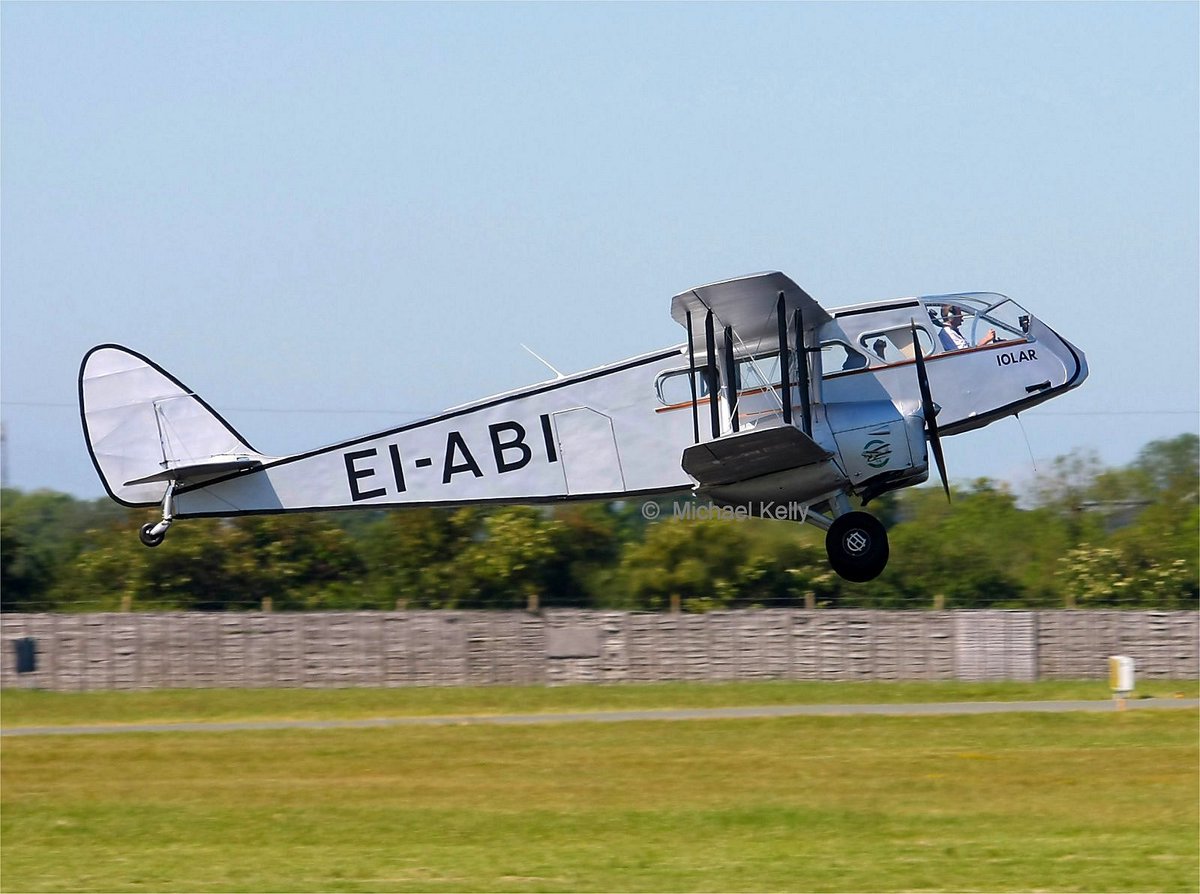
90 years ago today, on 15th April 1939, @AerLingus was founded with a capital of £100,000
The name #AerLingus was proposed by Richard F O'Connor, who was County Cork Surveyor, as well as an aviation enthusiast
The first flight was operated by a de Havilland DH.84 Dragon
#avgeek
"Team members of the 28 Inf Bn travelling to Arkansas, USA to compete in the Armed Forces Skill at Arms (AFSAM) competition this week. The areas the unit will compete in are the Rifle and Pistol disciplines. Best of luck lads!" @defenceforces
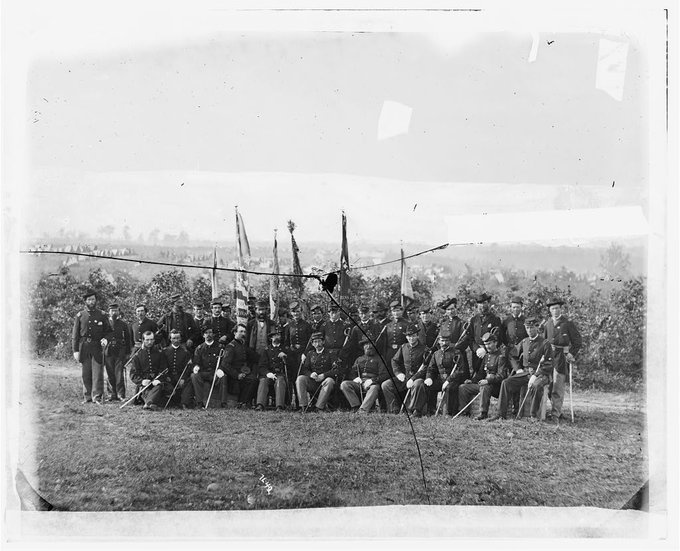
#OnThisDay 1840 Captain Myles Keogh was born in Leighlinbridge, Carlow. He served in the Papal Army in Italy & the Union Army in the US Civil War. Keogh died at the Battle of Little Bighorn in 1876, his body un-mutilated supposedly because of his holy medals.
#Ireland#History
#OnThisDay 1863 The Irish Brigade's QuarterMaster got "35 hams, a roast ox, a pig stuffed with boiled turkeys & countless chickens, ducks & small game. 8 baskets of champagne, 10 gallons of rum & 10 gallons of whiskey" so they could celebrate #StPatricksDay#Ireland#History
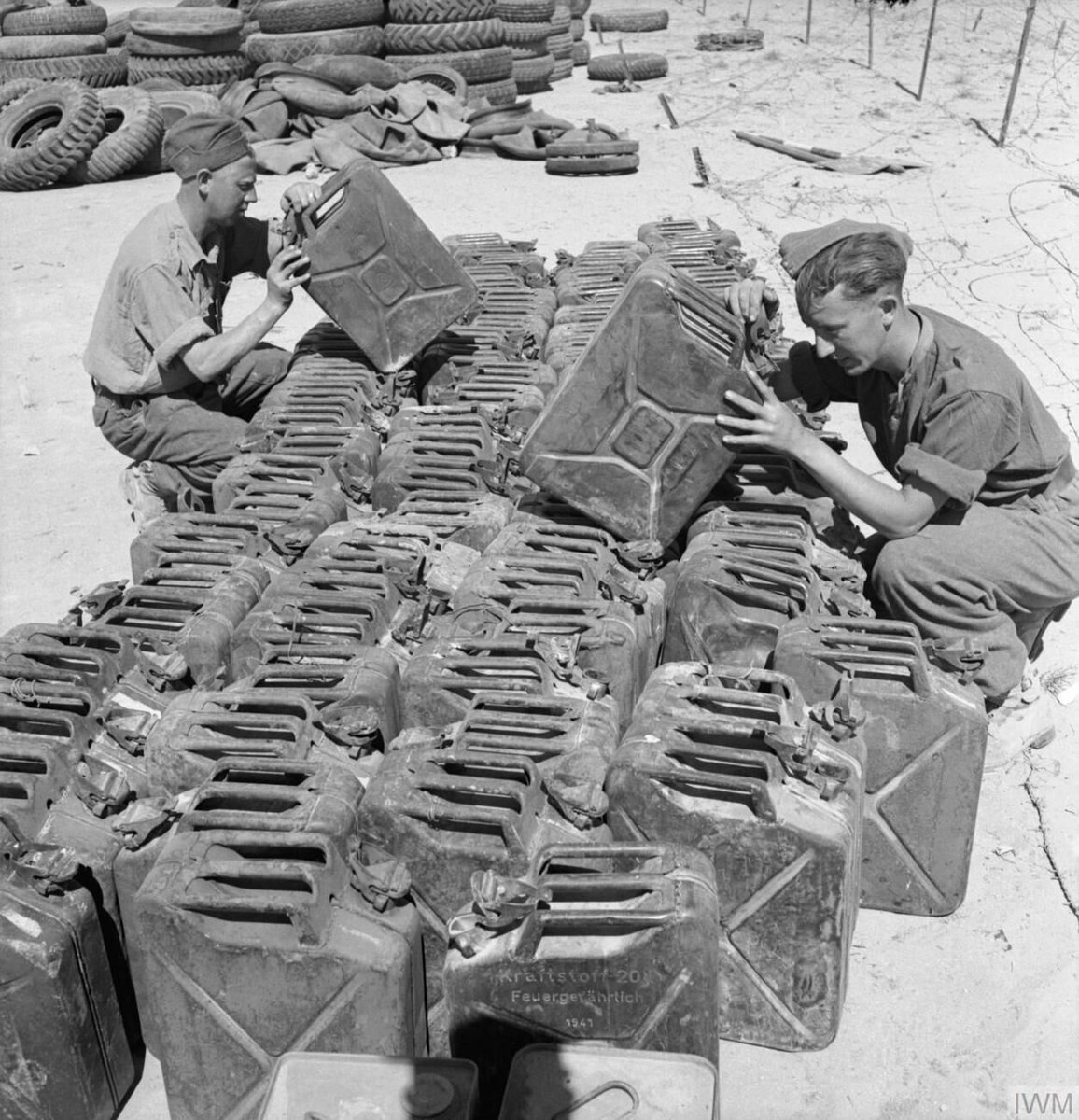
The jerrycan is one of the most consequential pieces of military equipment to emerge from the Second World War, yet few people know its story. It was designed in Germany in 1937 by Vinzenz Grünvogel of Müller engineering firm in Schwelm.
The Wehrmacht specified that a soldier had to be able to carry two full cans or four empty ones, which drove the distinctive triple-handle design.
The rectangular shape made the cans stackable, the recessed welded seam resisted impact damage, and an interior plastic lining allowed the same can to carry either fuel or water.
An air pocket built into the design allowed the can to float if dropped in water.
By 1939, Germany had stockpiled thousands of these cans in preparation for war, issuing them to motorized troops alongside rubber hose for siphoning fuel from any available source.
The Allies had no equivalent.
American engineer Paul Pleiss encountered three of the cans in Berlin and flew back to Philadelphia to alert military officials, but could generate no interest.
The British Army relied on a flimsy four-gallon tin container that leaked at its crimped seams, often losing as much as twenty-five percent of transported fuel before it reached troops.
At least one cargo ship exploded from fuel vapors accumulating in its hold from leaking containers.
When British forces captured German jerrycans during the Norwegian Campaign in 1940 and later in North Africa, they used them in preference to their own equipment whenever possible.
The United States eventually reverse-engineered the design, though their version replaced the recessed welded seam with rolled seams prone to leaking and removed the interior lining from fuel cans.
Even the inferior American copy proved transformative: over nineteen million were required to support US forces in Europe alone by May 1945.
President Franklin Roosevelt credited the jerrycan directly with enabling Allied armies to advance across France at a pace that exceeded Germany's own Blitzkrieg of 1940.
The Soviet Union recognized the design's value and adopted it as their standard liquid container, a version still produced in Russia today.
The jerrycan remains a NATO standard container and a direct descendant of Grünvogel's 1937 design is still in use across military and civilian contexts worldwide.
#archaeohistories
Something unusual appears to be going on today at RAF Fairford near Gloucestershire in the United Kingdom, with at least 10 C-17A Globemaster IIIs with the U.S. Air Force arriving at the base or currently crossing the Atlantic from the United States. Almost all of the C-17s appear to be out of either Hunter Army Airfield in Savannah, Georgia, the home of the 1st Battalion, 75th Ranger Regiment and the 3rd Battalion, 160th Special Operations Aviation Regiment (SOAR); or Campbell Army Airfield in Kentucky, which houses the 101st Airborne Division and the 1st/2nd Battalions of the 160th Special Operations Aviation Regiment (SOAR).