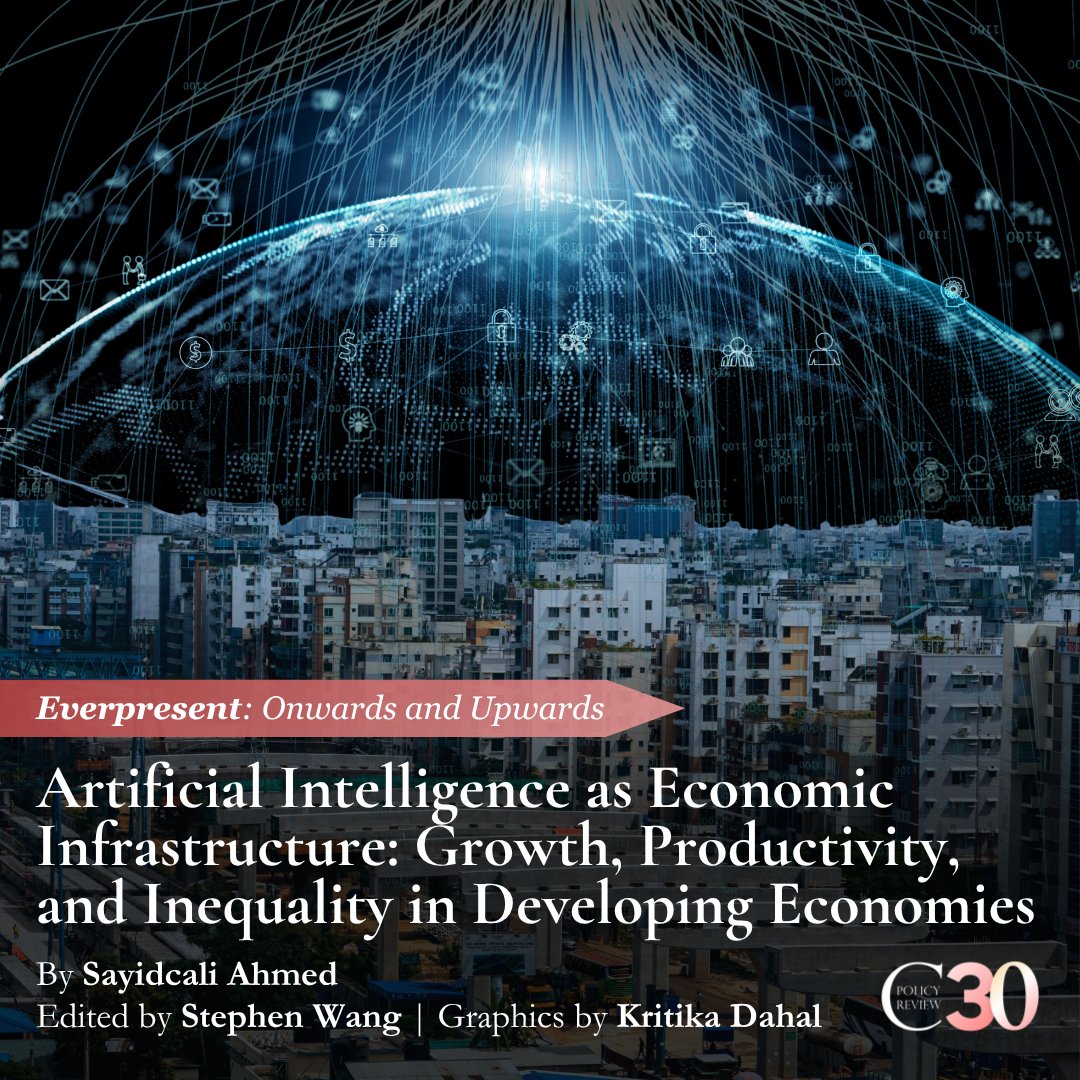
Sayidcali Ahmed warns that treating AI as a productivity tool rather than infrastructure leaves developing economies vulnerable to dependency and calls for foundational investment in energy and governance.
Read More: https://t.co/m5k14p6xOH
#cornellpolicyreview
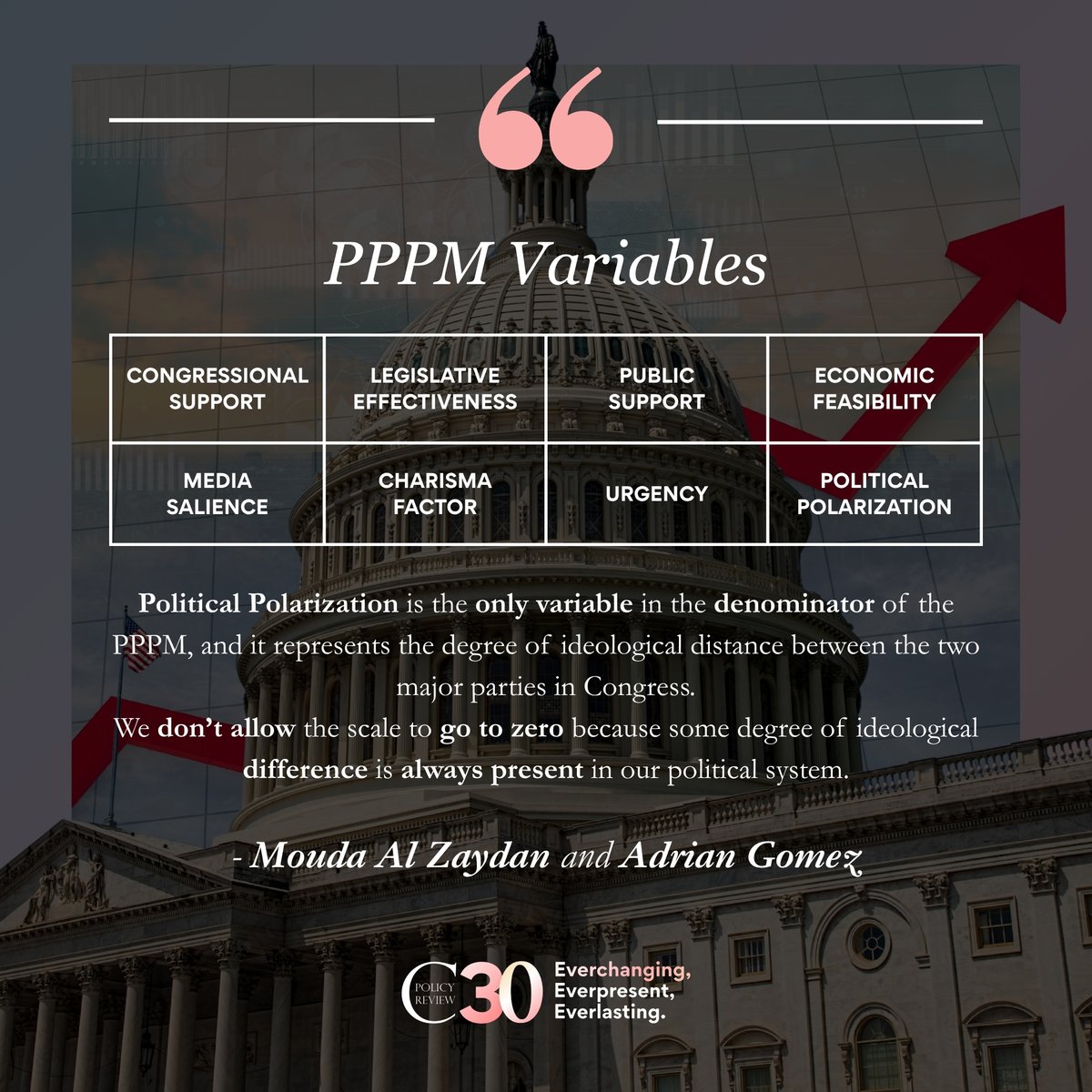
Why do some bills pass while others fail? Adrian Gomez and Mouda Al Zaydan introduce the PPPM, a model that quantifies legislative viability using factors like support, media attention, and polarization.
Read more: https://t.co/MRPGdGCsGA
#CornellPolicyReview
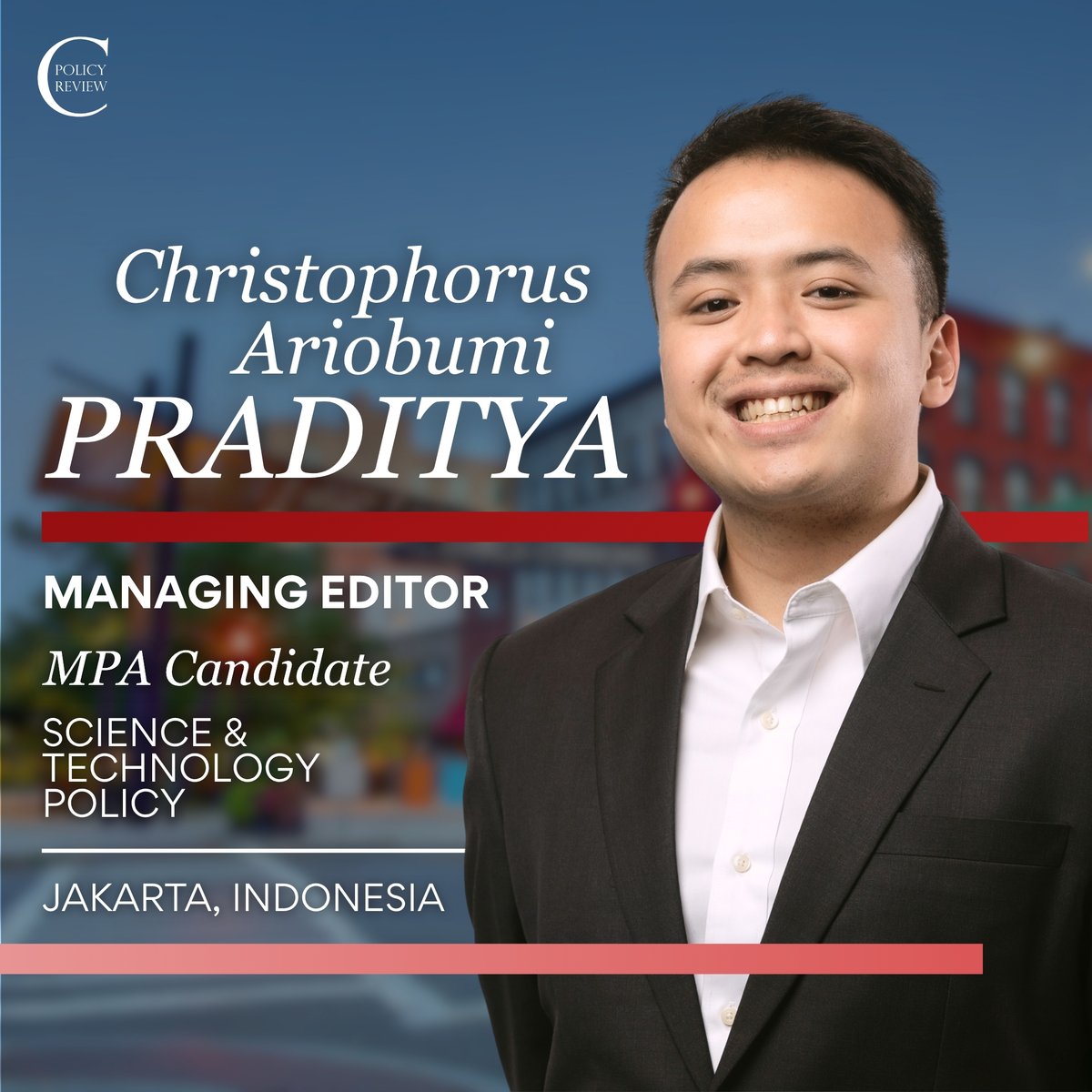
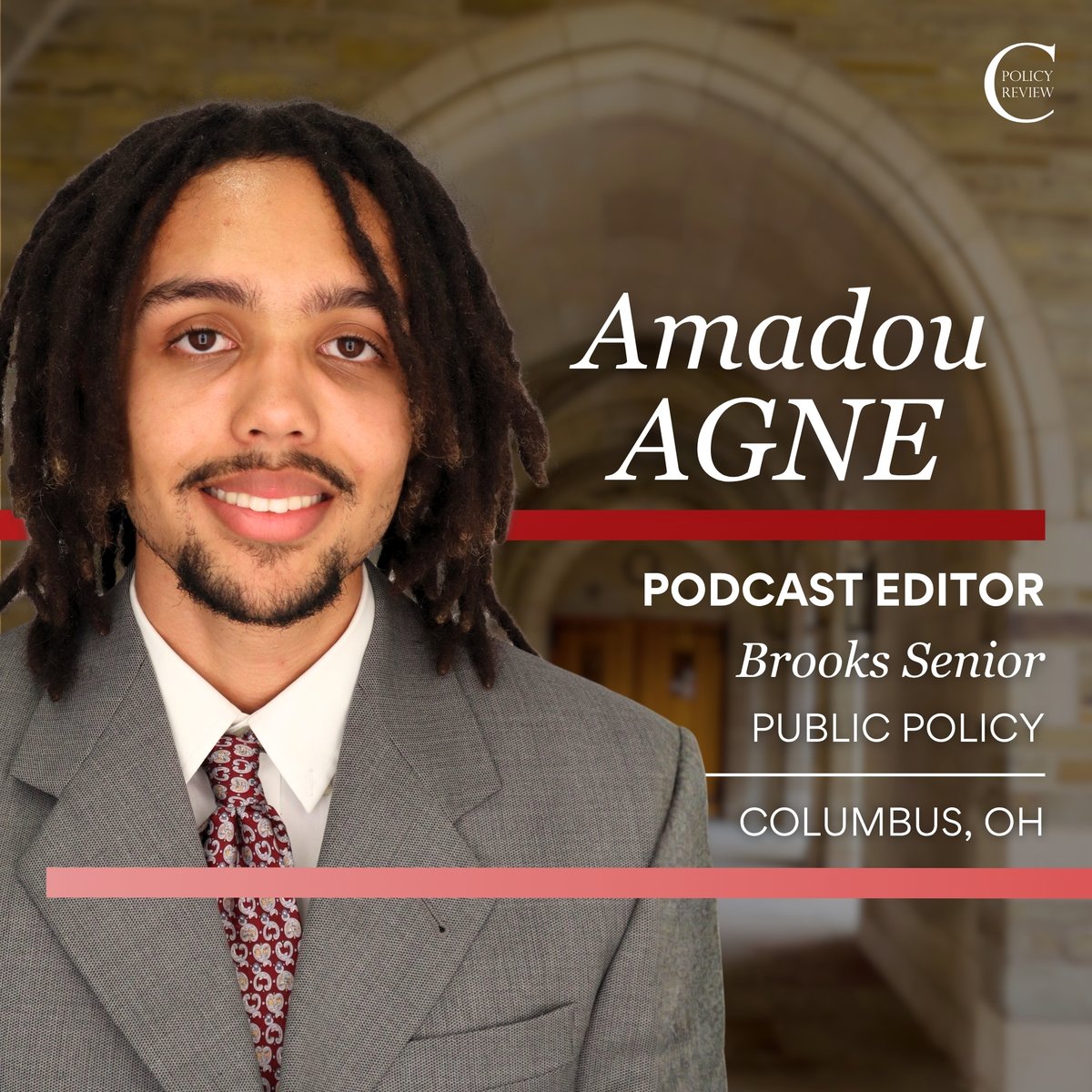
All of these individuals have demonstrated their unique qualifications and innovative vision necessary to lead the CPR into the future. Please join us in celebrating the next chapter of Cornell Policy Review.
#cornellpolicyreview
Going into our 30th year, Cornell Policy Review is proud to introduce the next Senior Editorial Board, who will lead the official policy journal of the Brooks School of Public Policy for the 2026-2027 term. A thread:
In this video, hear directly from our writer, Shavonne Hedgepeth, about her thought process for reimagining educational access grounded in justice and equality.
Read more: https://t.co/m5u4whvxYE
#CornellPolicyReview
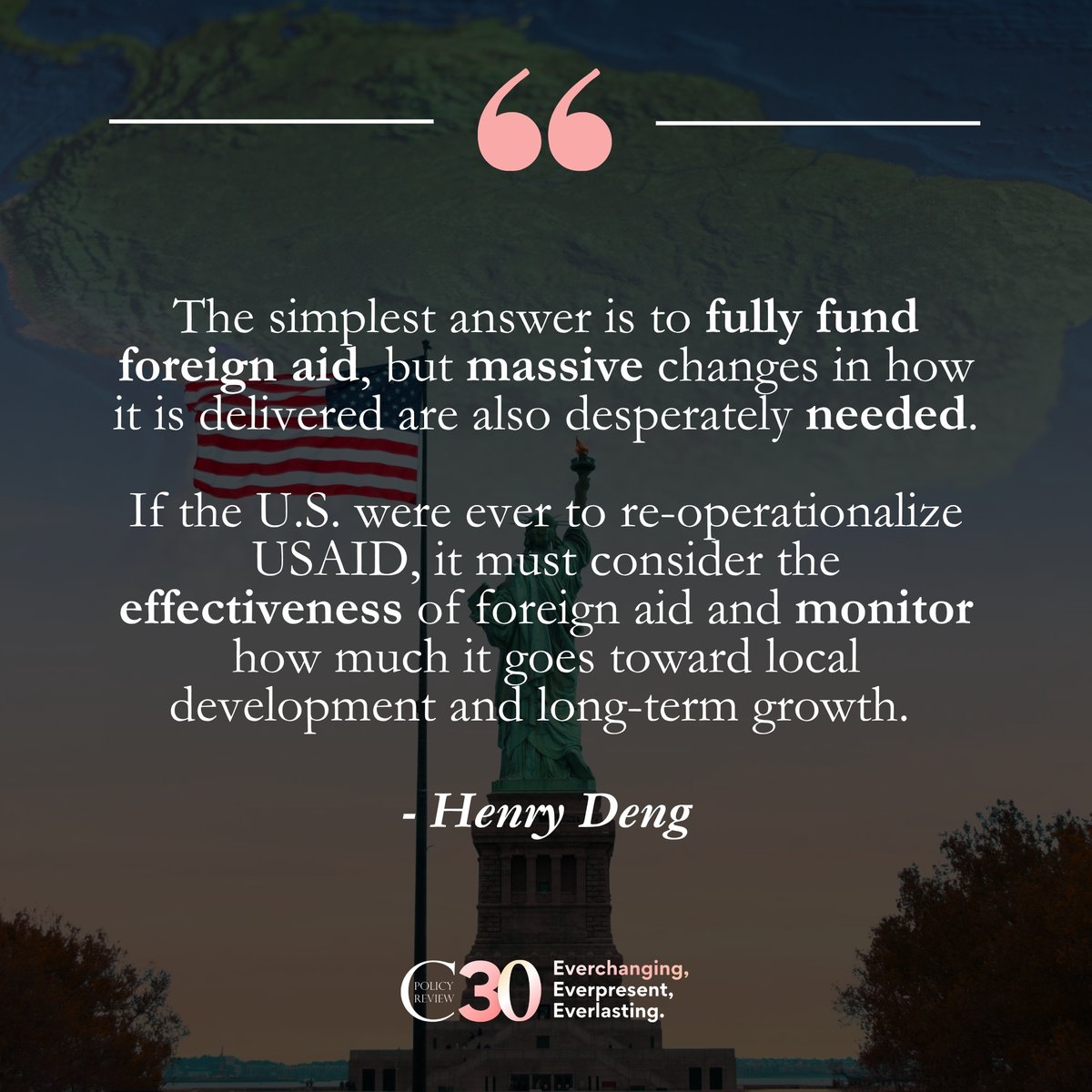
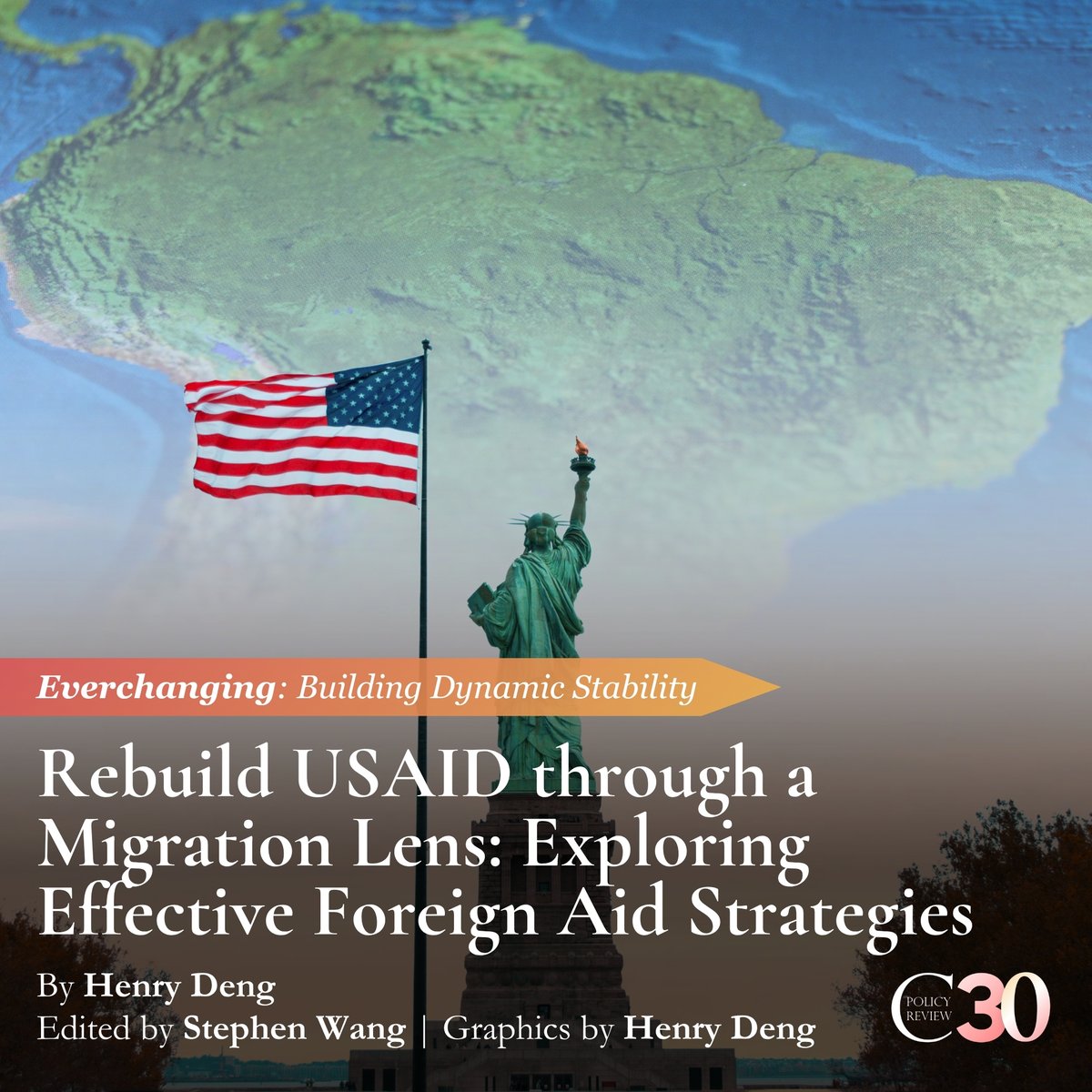
Henry Deng argues that rebuilding USAID with stronger accountability and localized development strategies is essential to addressing the root causes of migration.
Read more: https://t.co/WyJ21X10Ir
#CornellPolicyReview
Yusuf Khaled sat down with Vivek Kundra, former U.S. Chief Information Officer and current COO of The Trade Desk, to discuss open data, AI governance, and how government can keep pace with technological change.
Listen here: https://t.co/pqR0Z8VGT9
#cornellpolicyreview
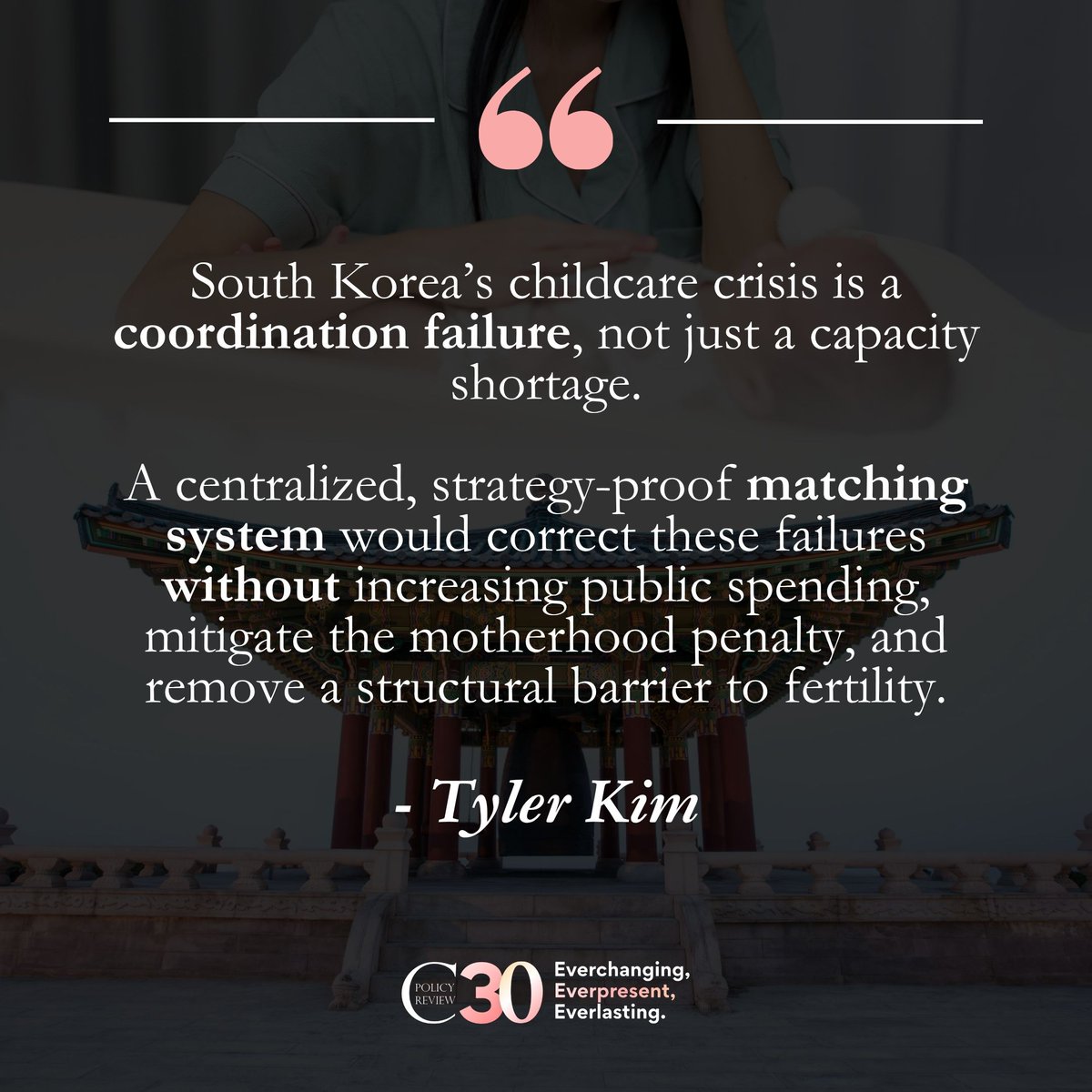
Tyler Kim argues that a centralized matching system could reduce waitlists, improve efficiency, and help address South Korea’s severe childcare shortage, which led to the ongoing fertility crisis.
Read more: https://t.co/qMdhZGowsq
#CornellPolicyReview
In this video, hear directly from our writer, Christophorus "Bumi" Praditya, about his thought process in pursuing fairness in flood resilience across vulnerable cities in China.
Read more: https://t.co/BzsKZBx9s6
#CornellPolicyReview
Paul Caruso argues that successful peace talks require inclusive stakeholders, strategic negotiation, and policy tools that create real incentives to come to the table.
Read more: https://t.co/LSglSFE9fR
#CornellPolicyReview
Amadou Agne sat down with Joshua Edmonds, CEO of Digital C, to discuss digital redlining, broadband access, and how local communities can close the digital divide.
Listen here: https://t.co/kejDiC79NJ
#CornellPolicyReview#CornellBPP
Yusuf Khaled and Stephen Wang argue that a data-driven funding model could make U.S. biodiversity policy more equitable and effective, as the current model doesn't align with varying risks and conservation burdens.
Read More: https://t.co/IIGXlvCX9A
#cornellpolicyreview
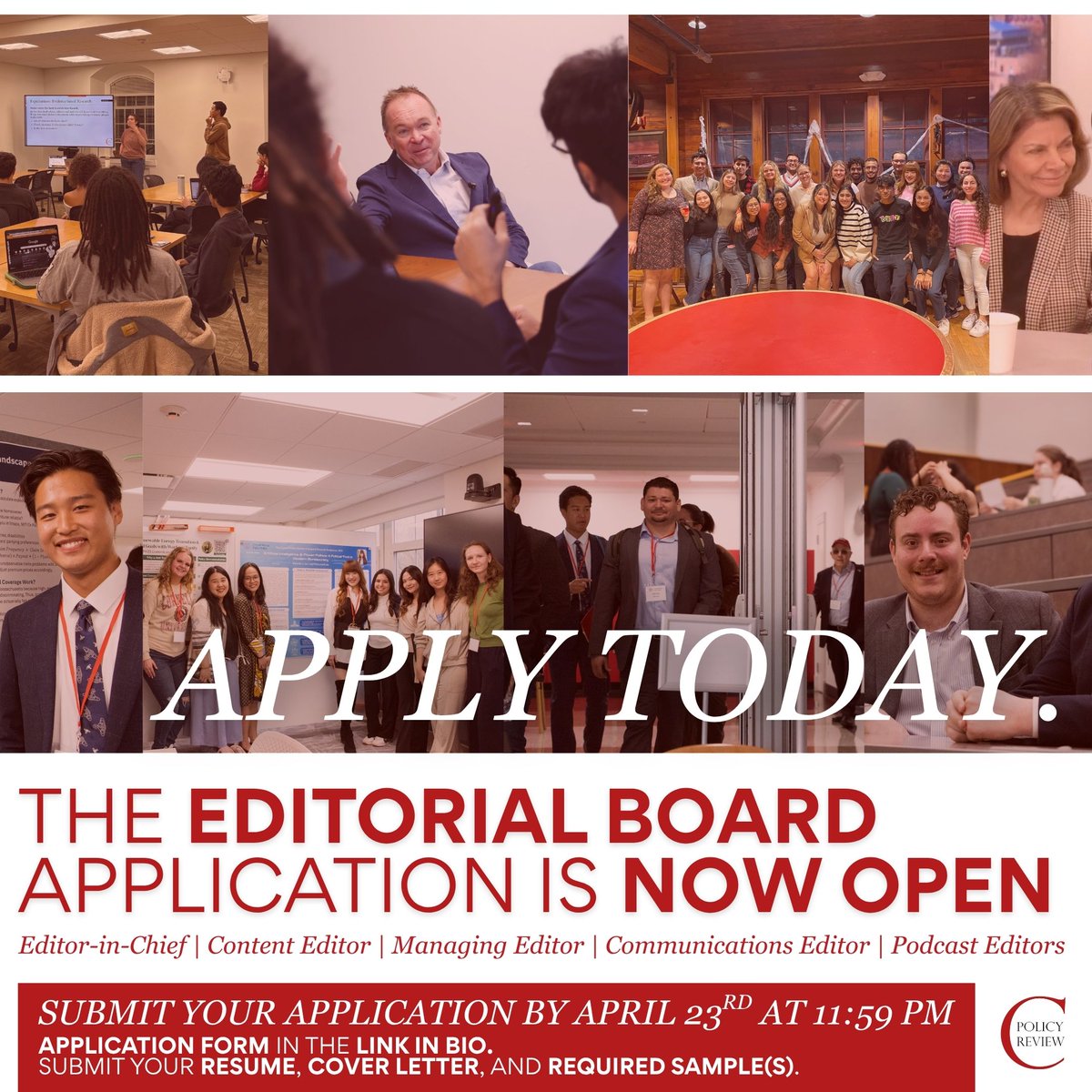
IT'S TIME: the Cornell Policy Review's 2026-2027 Editorial Board Application is now open.
The application opens until 04/23 at 11:59 p.m. Apply with your resume, cover letter, and required sample(s): https://t.co/EEwpD09tNk
#CornellPolicyReview
We are excited to spotlight our student panel, “Onwards and Upwards,” with graduates and an undergraduate discussing key policy issues from their fields.
RSVP for the symposium on April 17th: https://t.co/Wgd6xic0V3
#CornellPolicyReview
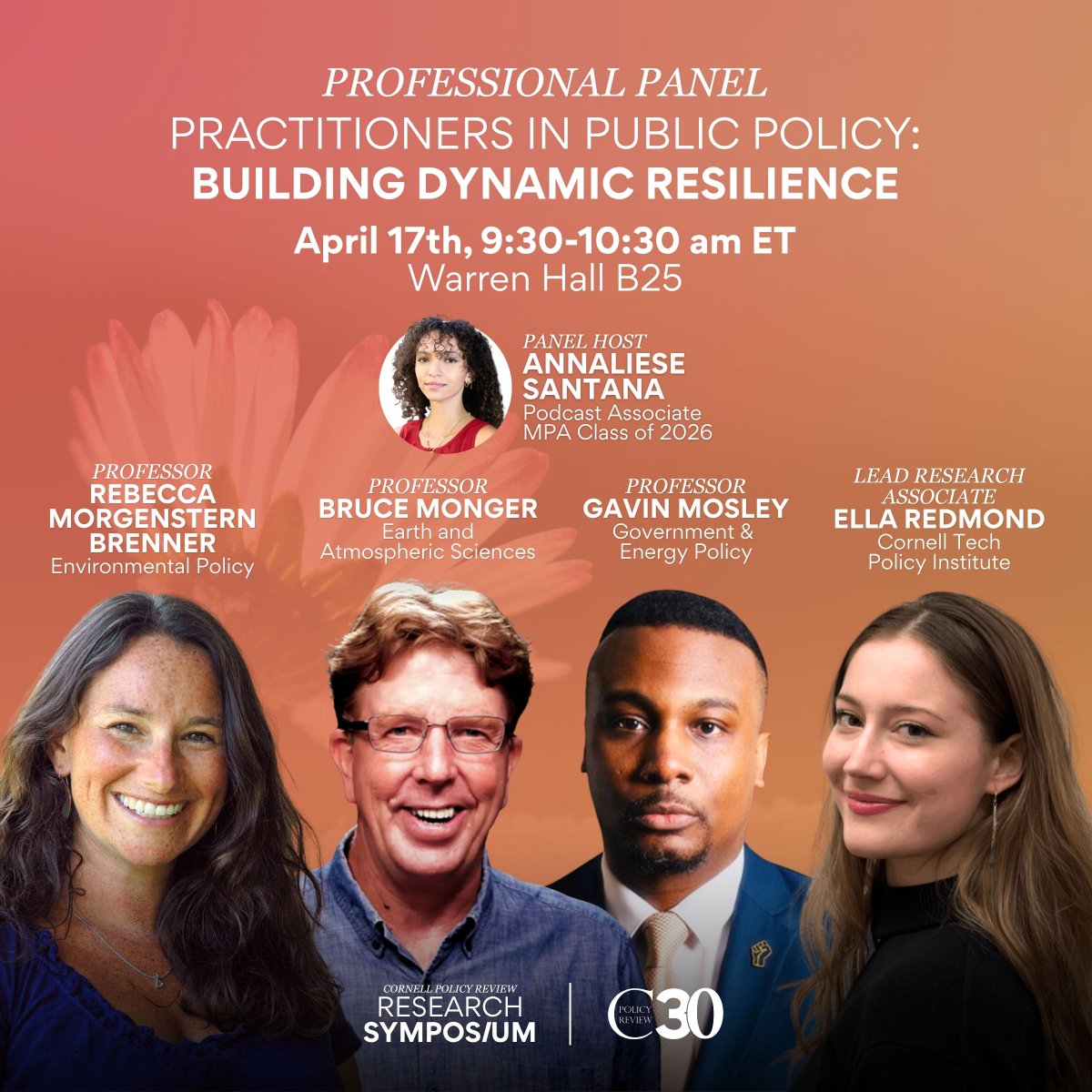
We are delighted to present our professional panel, “Building Dynamic Resilience,” featuring professors and a scholar across environmental and international policy.
RSVP for the symposium on April 17th here: https://t.co/Wgd6xibt5v
#CornellPolicyReview