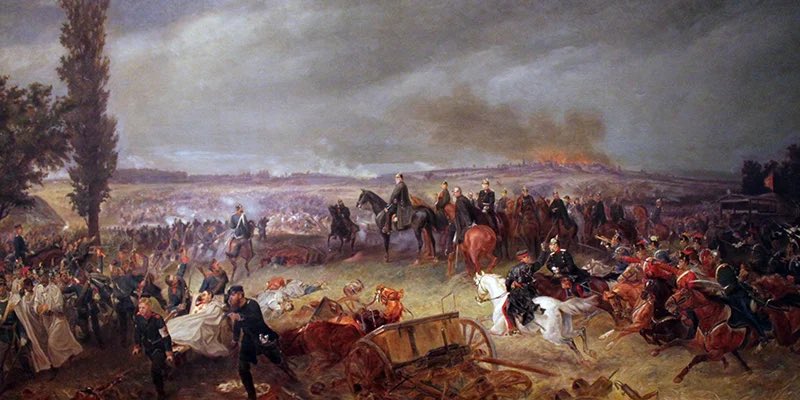
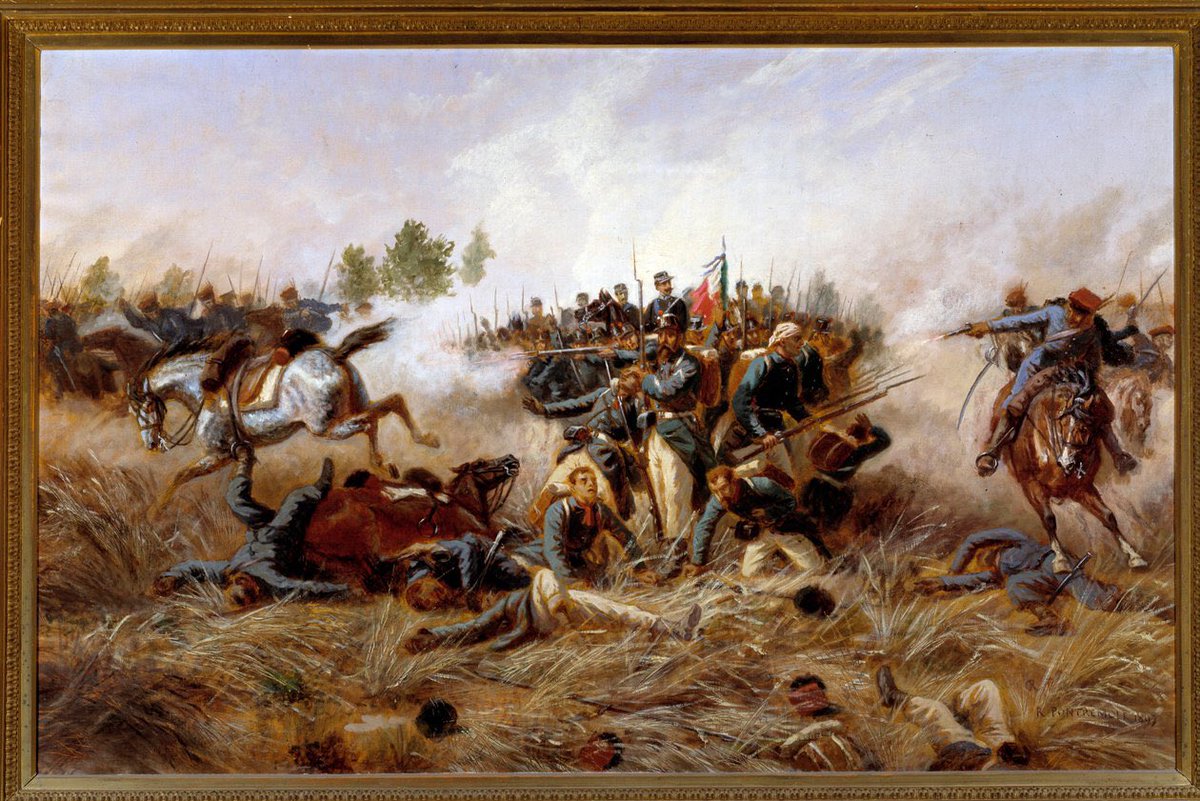
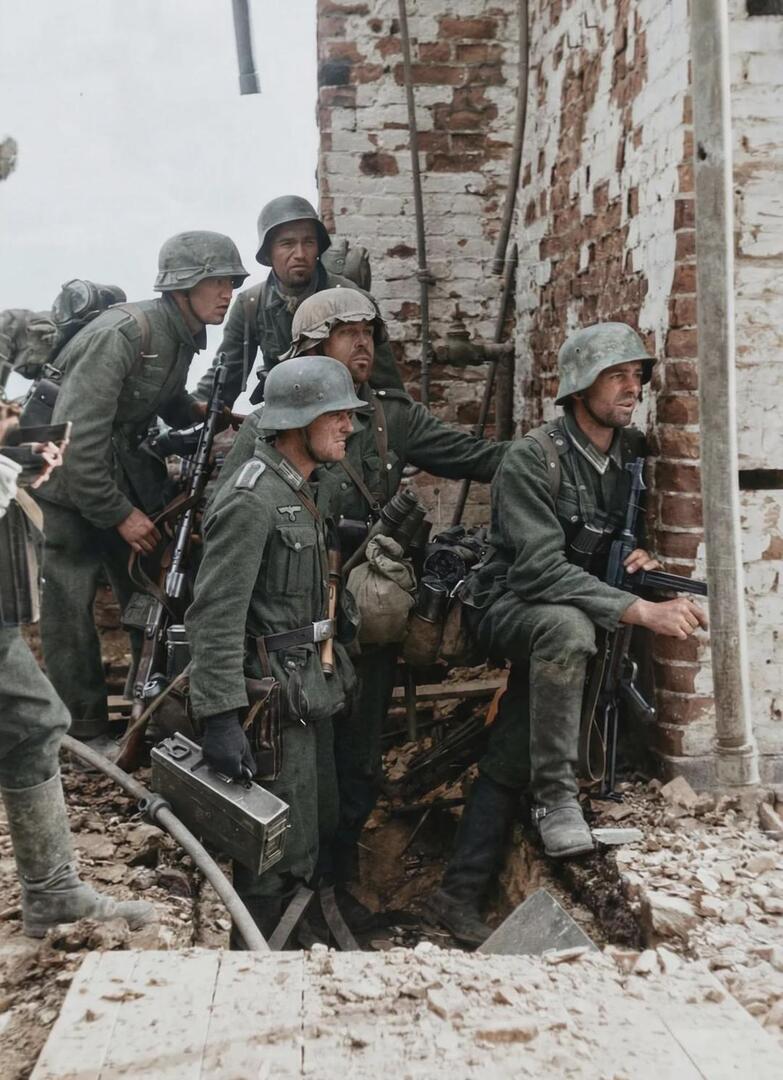
🪖 German grenadier units capture Bautzen from forces of the Communist Polish 2nd Army, this would be the last Axis victory in the east.
The battle had no strategic impact but it allowed an escape route for most of the German units, as well as many refugees to flee to the Western Allies.
Bautzen, Germany, 30th April 1945
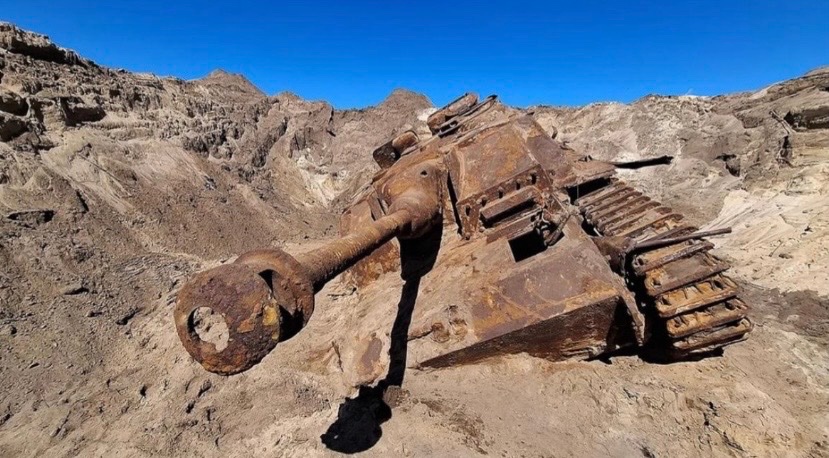
A remarkable discovery was made during construction work at Nordholz Naval Air Base in Lower Saxony, Germany, in 2026. A Sturmgeschütz III assault gun had remained buried beneath sandy soil for more than 80 years and was found in an unusually well-preserved condition. The vehicle was recovered on June 1, with experts suggesting that the sandy ground helped protect it from further deterioration.
The mystery of how the vehicle ended up underground was also uncovered. According to the Cuxhaven district archaeology office, Allied forces disposed of the abandoned StuG III after World War II by pushing it into a former defensive trench and covering it with sand. Similar methods were used in the postwar period to bury leftover military equipment in trenches and bomb craters.
The StuG III was built on the chassis of the Panzer III but differed from traditional tanks because it lacked a rotating turret. Instead, its 75 mm cannon was fixed inside a low armored superstructure, meaning the entire vehicle had to turn to aim at targets outside the gun’s limited range of movement.
Originally designed to provide infantry support, the StuG III evolved into one of Germany’s most effective anti-tank vehicles during World War II. The recovered vehicle appears to be a later-production model, and specialists plan to preserve it rather than restore it to a like-new appearance. It is expected to be displayed at the German Tank Museum in Munster before eventually moving to the Bundeswehr Military History Museum in Dresden.
The StuG III became the most-produced fully tracked armored fighting vehicle used by the Wehrmacht. Its turretless design made it cheaper and easier to manufacture than conventional tanks while still allowing it to carry a powerful gun, making it one of Germany’s most significant armored vehicles of the war.
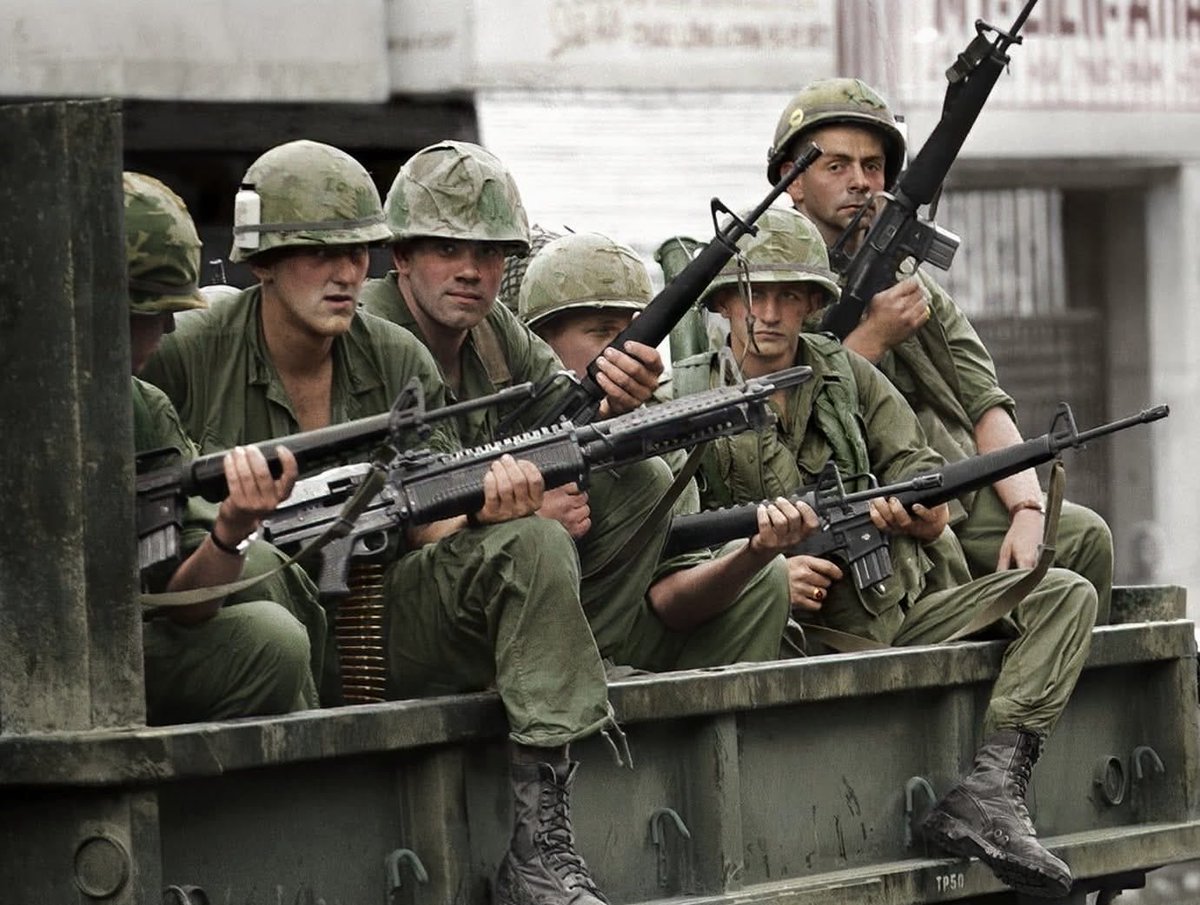
A group of American soldiers sit heavily armed in the rear of their truck as a convoy moves through a part of Saigon during the second Tet Offensive, May 5, 1968. After an early morning mortar barrage on the city, the Viet Cong moved in small sapper squads that attacked several installations. By nightfall the fighting had subsided somewhat.
Đường Phan Thanh Giản - Phan Thanh Gian Street, now the Red River Delta, the section near Dakao