End of season evaluations. You can see through the stand- corn is standing well. 45 degree angle push tests show weak stalks. Whether it’s from drought stress or lack of nutrient uptake due to dry soils, harvest plans by field should be made. Be safe out there this fall.
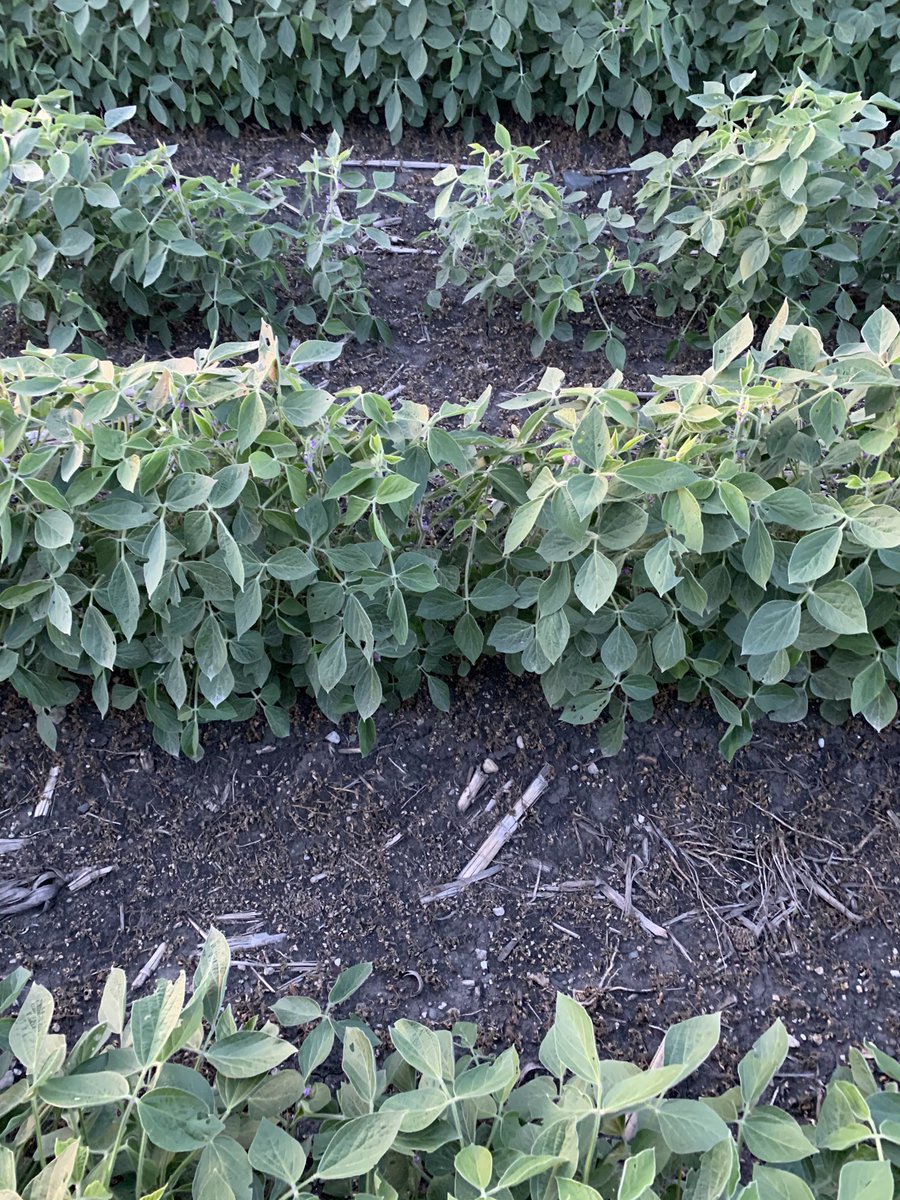
I do spend a lot of time in corn fields each season. But let’s not forget there is a lot to see in soybeans as well. Click on link for full video talking staging and scouting soybeans https://t.co/82uelHolxK
June 16th just before noon. Not sure if this is the earliest I’ve spotted blooms but gotta be close. Everything seems to be going early so far this year.
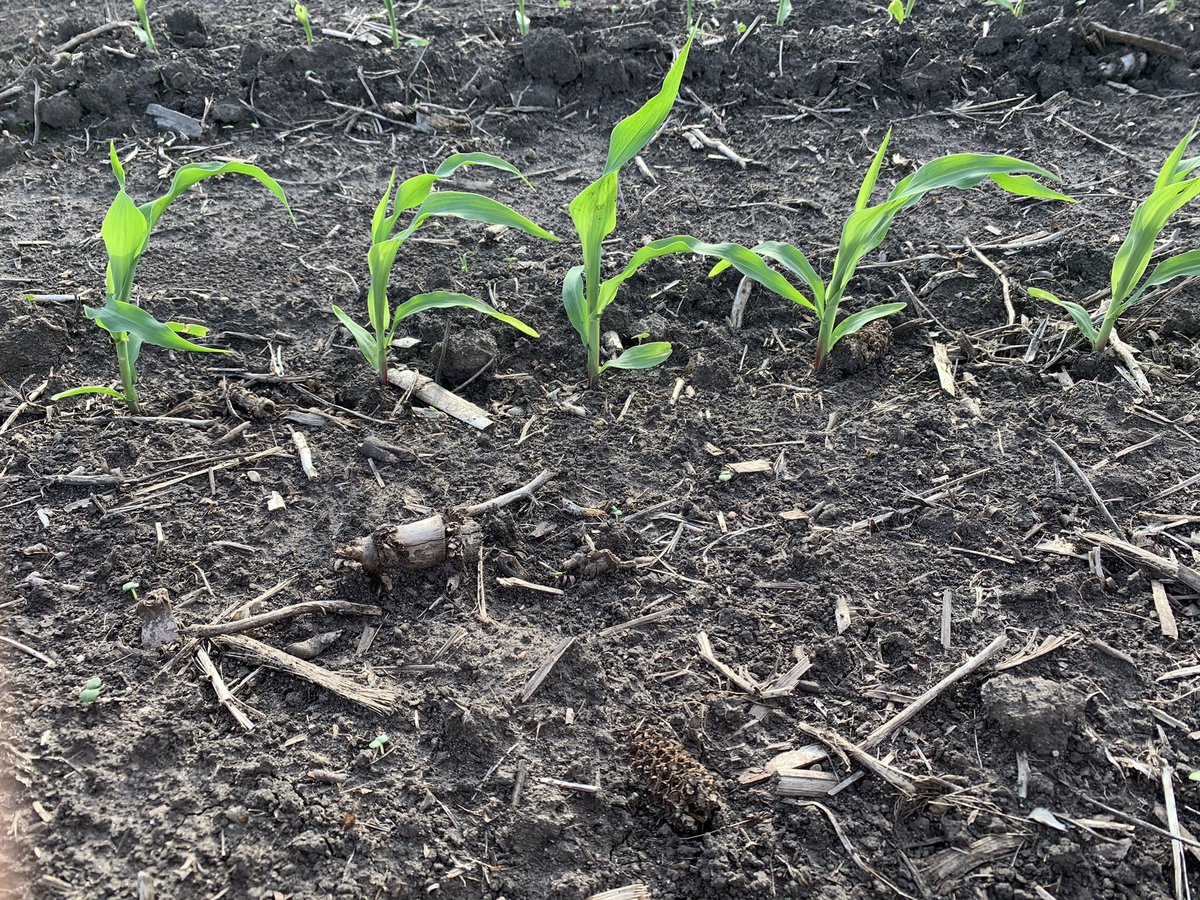
V4-V6 corn is “magic” window for corn yield. The corn plant is deciding what size ear to set, and what yield it can produce. Right now soil moisture in the root zone is optimal, temperatures are great. Corn should respond great to foliage fungicide and foliage fertilizer. Go BIG!
Corn in our area is firmly in the V3-V4 range. With the area moisture and forecasted temps the leaves will FLY! Next week is the time to get your post emerge spraying started. Corn V3 today will easily be be V5 by next Sunday.
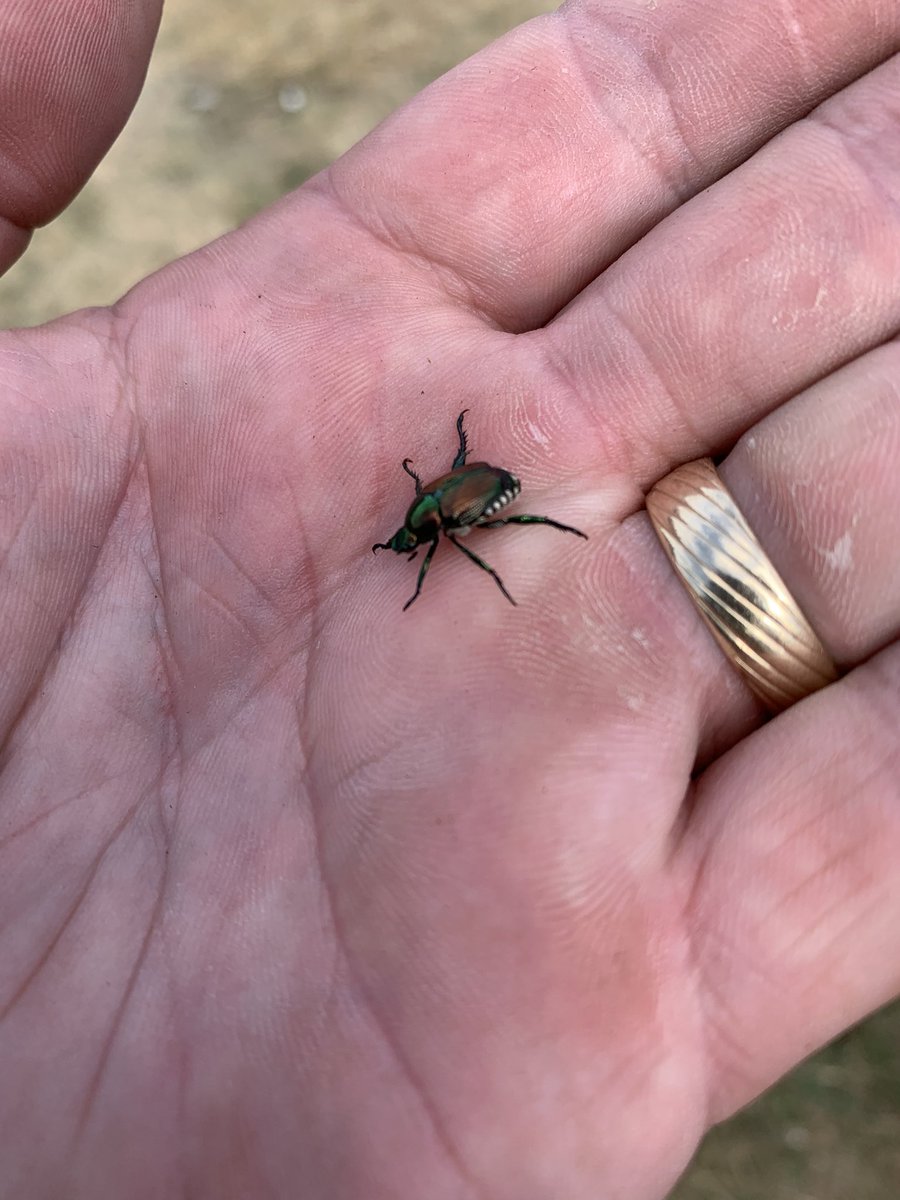
@MitchMontgomery Lucky for everyone who follows me, Twitter limits how much I can say in one tweet. Lol BLB should have been here a while. I should elaborate I didn’t find it in a bean field. A June beetle early and BLB out of its habitat is hopefully not a bad sign.
I don’t know if this is a true indication of next years population but every spot I dug this afternoon produced at least one of these guys in my landscaping.
Seeing more and more of the “edge effect” @climatecorp Field Health Imagery helps quantify impacted areas. Essentially a micro environment with excessive heat. Good for scouting efficiency and visualizing heat stress.
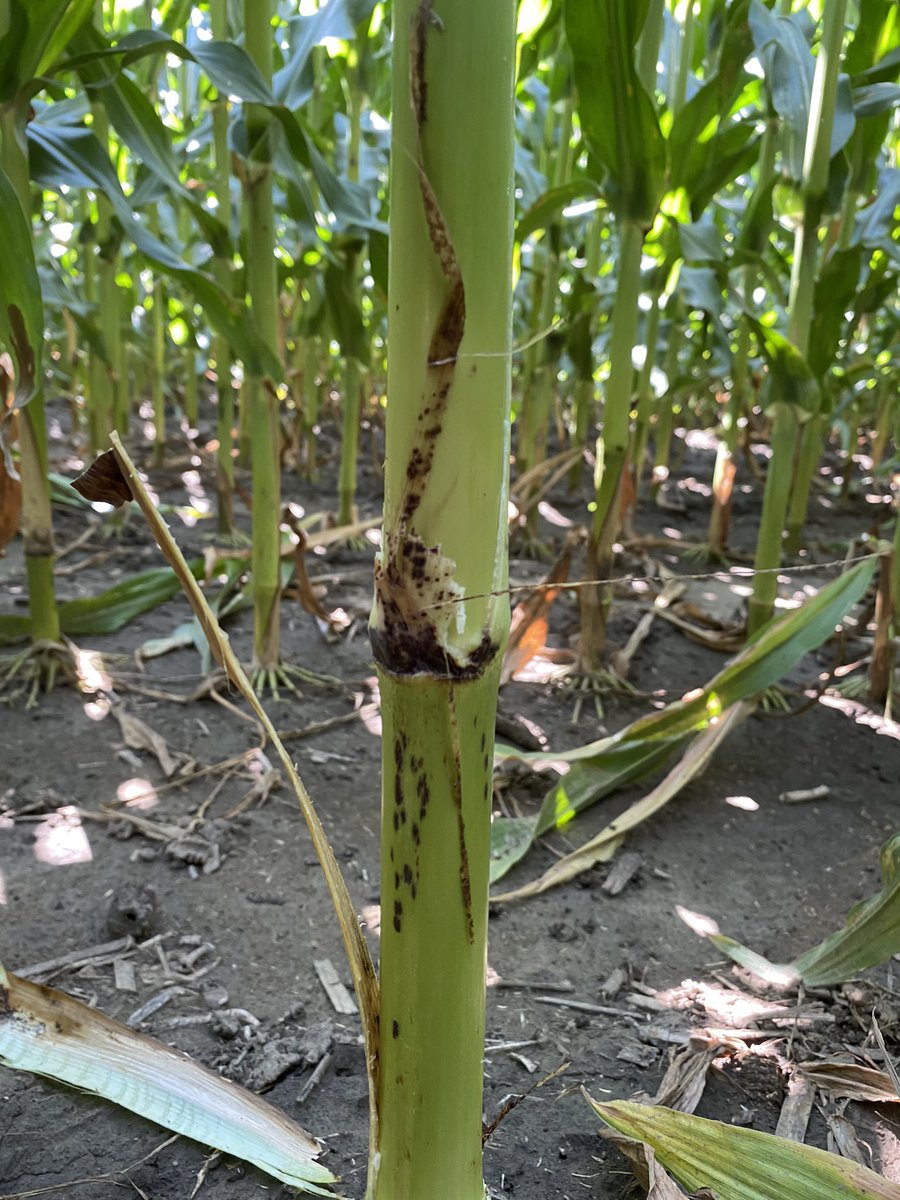
Physoderma maydis. Same pathogen for leaf symptoms of P Brown Spot as for P Node Break. No leaf symptoms but the sleeping problem is at the 7th and 8th nodes.
The best way to control weeds is before they emerge. PPI triflurilan. Post Enlist Duo with Zidua. The light interception is huge in this area with no where near enough rain.
Seeing more and more CRW beetle activity in corn on corn throughout North Central IA. 1.5 Western CRW beetles per plant = threshold level. In continuous corn the ratio to male female populations is 50/50 vs 1st year corn where you see a ratio of 70/30 female to male. #scout20