Family health insurance now costs over $28,000 a year. Workers are paying 9% more for their share of premiums.
Insurers keep charging more while patients fight to get care covered. At these prices, an insurance card should come with guaranteed access to care, not a fight.
https://t.co/XGVF5xhtvT
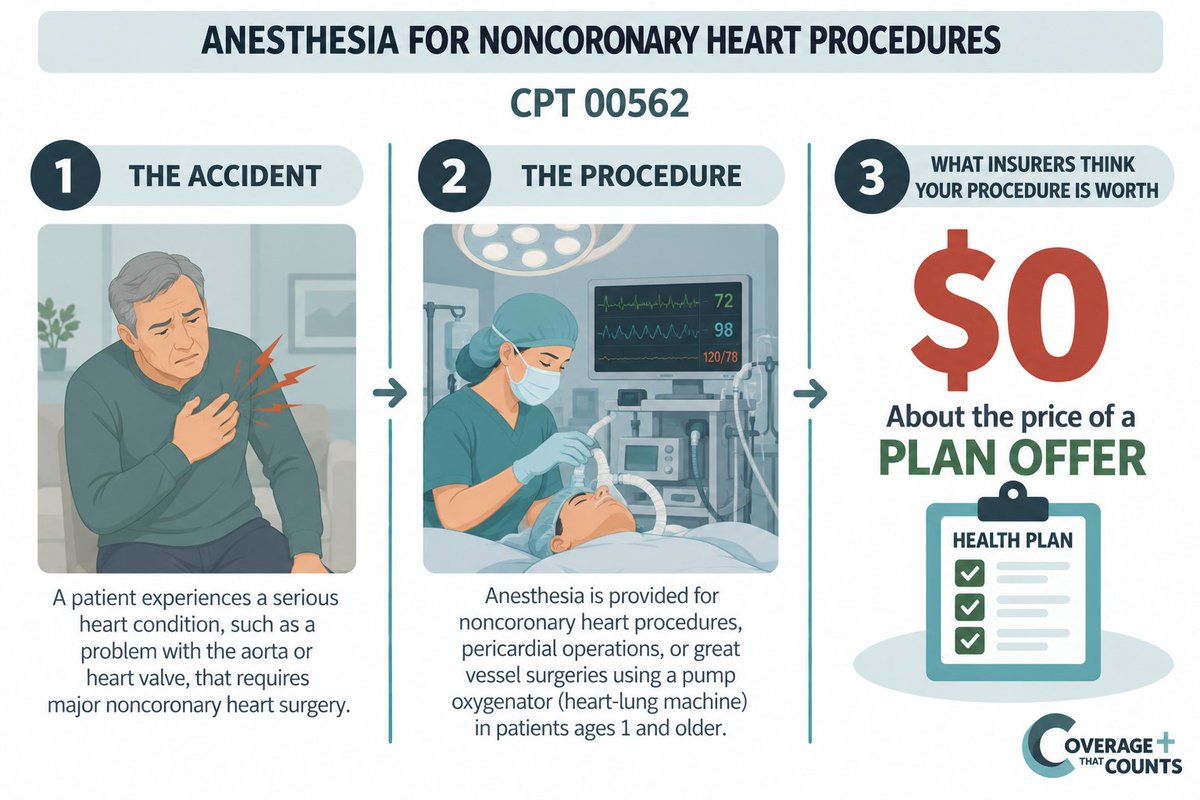
You suddenly faint. You're rushed to the hospital so doctors can make sure it doesn't happen again.
Your insurer offers those doctors $0.
Apparently, the only thing more unconscious than the patient is the insurance company's sense of shame.
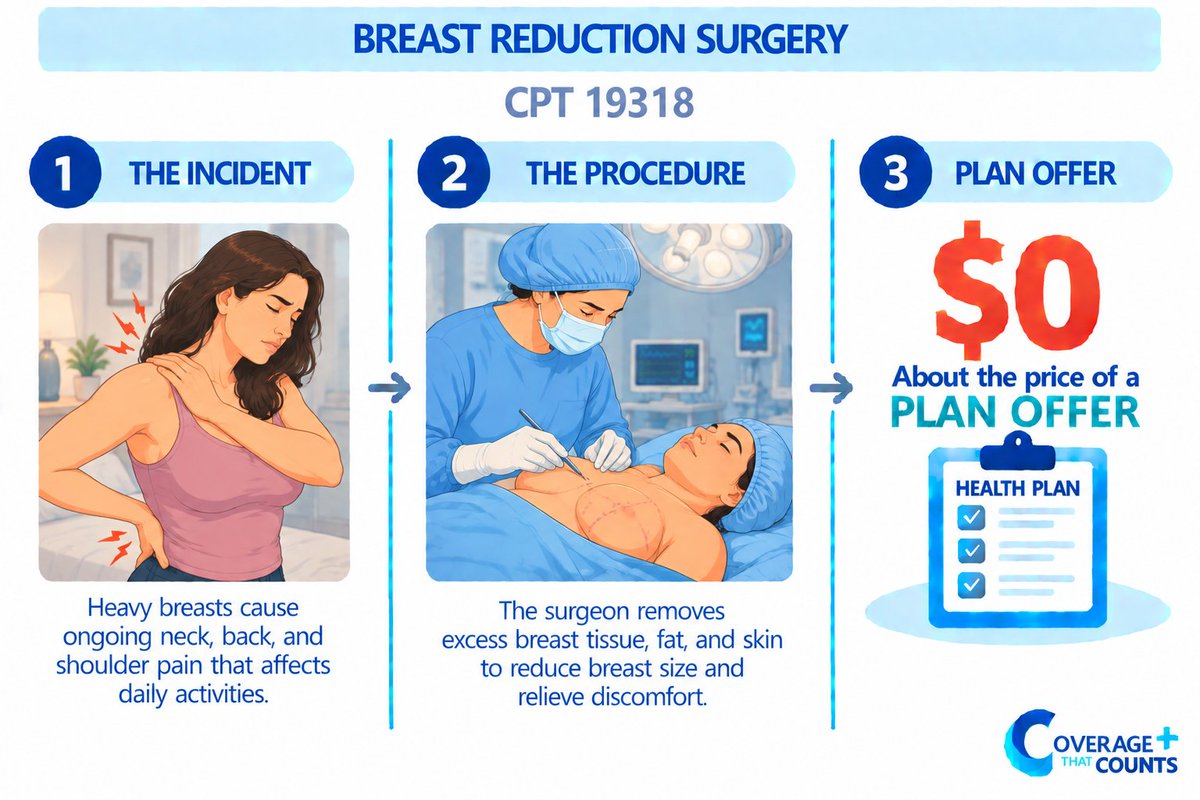
Chronic back pain. Neck pain. Shoulder grooves deep enough to qualify as infrastructure.
Your doctor says a breast reduction is medically necessary. Your insurance company offers the surgeon $0.
The only thing that needs reducing here is your insurer’s audacity.
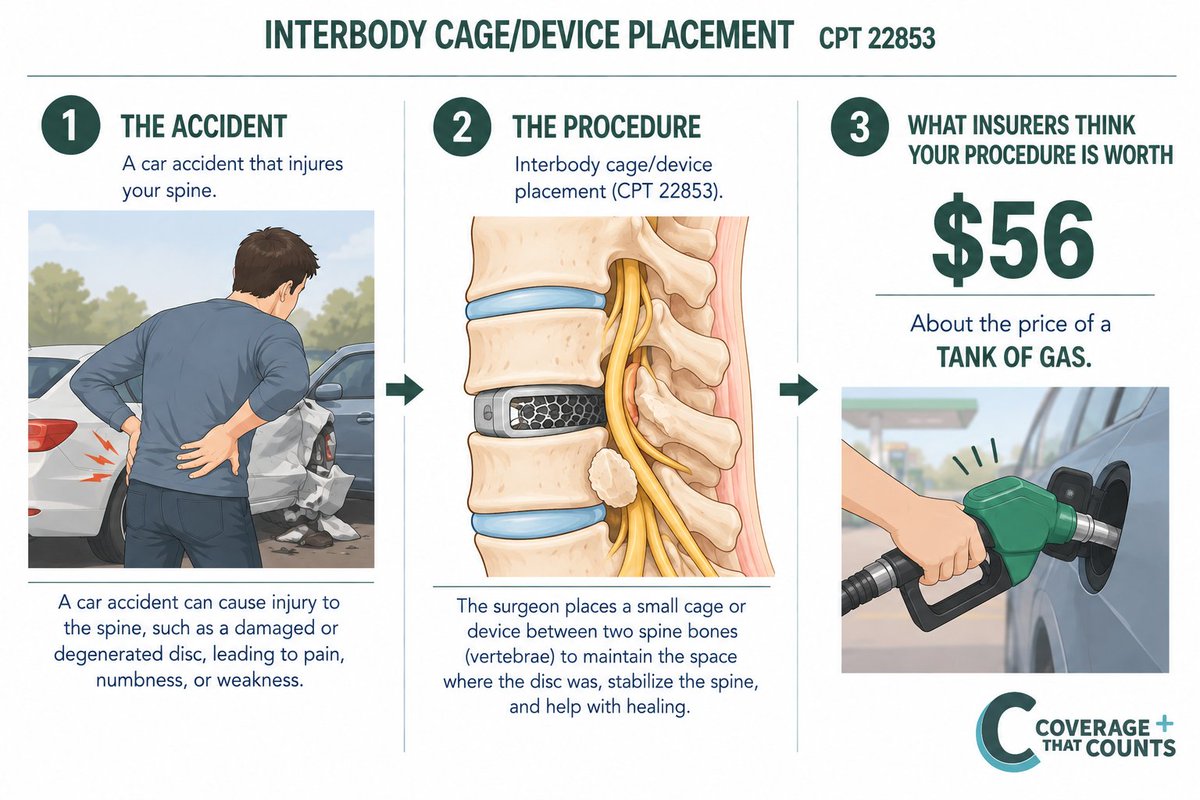
Imagine surviving a car accident only to need surgery for a literal CAGE to hold your spine together. Your insurance company? Offering your surgeon the equivalent of a tank of gas. They'll spare no expense protecting their profits. Your spine? That's where they draw the line.
Winter is coming. Spinal surgeons are preparing for the slips, falls, and surgeries that come with it.
Your surgeon thinks walking without pain is priceless.
Your insurance company thinks it's worth a coffee maker. Stay icy, insurers.
More idiotic doublespeak.
Government fixing prices is “the market.”
But physicians and insurers negotiating payment, with an independent arbitration system when they cannot agree, is a “government backstop.”
Arbitration is used across American industries. Why is it suddenly a problem when physicians use it?
It’s impressive how people will spout ignorance for money
Insurers refuse to pay doctors and other healthcare professionals for the care they provide. They treat that care as worthless, yet still expect patients to pay premiums for access to it. They want you to pay for healthcare they refuse to pay for.
For those not in the know: In-network rates are “negotiated” between doctors and insurance companies. Except +80% of U.S. doctors now work for hospitals, corporate entities, and even insurers.
So tell me, how exactly does a doctor negotiate with an insurance company when that same company signs their paycheck?
That’s not a negotiation. That’s corporate control dressed up as a free market.
@RaySmithcxbl So you think doctors and healthcare professionals shouldn’t be paid for their time, training, and expertise? Just because your opinion is worth $0 doesn’t mean the people actually caring for sick and injured patients are worth $0 too.
When you see a #healthcare provider you assume your insurance pays them for their service. But, tor too many procedures, insurance companies offer ZERO dollars. Not paying doctors & PAs will drive them out of the profession, leaving you with fewer options for care.
Finally, health insurers are being called out for what they are: monopolies that stifle competition and hurt consumers. Michigan is taking on Blue Cross Blue Shield, which controls nearly two-thirds of the state's health insurance market.
https://t.co/plotfdi8gn
@sangerkatz@CBSNews If this were to pass, it would be catastrophic to the US healthcare system. Access to specialty physician care would be severely limited and high quality care would be very hard to find. How about instead we hold insurers accountable for paying actual market rates for care?
CMS and the insurance companies are lying to you…. Let me simplify this….
It’s the insurance companies own actions that are driving up costs.
The No Surprises Act protects patients from unexpected out-of-network bills for emergency care and certain services at in-network facilities. Patients generally pay only their in-network cost sharing. Payment disputes remain between physicians and insurers.
Physicians may be out of network because insurers offer inadequate rates or refuse to include them in their networks. Without a contract, there is no agreed payment rate.
If negotiations fail after 30 business days, either side can use independent dispute resolution, or IDR. An arbitrator selects one party’s payment offer for care already provided. Initial payments can be zero, and physician organizations report that insurers sometimes submit offers of $1 or less. Their September 2026 analysis found that insurers defaulted on 24.5% of disputed service lines in 2025 and offered $1 or less on another 8.2%.
When insurers refuse to negotiate reasonable rates, practices are forced into arbitration. Providers won approximately 85% of federal IDR determinations in the second half of 2025, including default decisions.
Even winning does not guarantee payment. An emergency medicine association survey covering roughly 660,000 IDR claims won in 2025 found that 48% were not paid within the required 30 days.
IDR is supposed to discourage insurers from refusing to negotiate and encourage reasonable agreements before arbitration. When insurers fail to participate or pay awards on time, practices incur additional collection costs. Removing those consequences would give insurers less incentive to negotiate and could create more disputes and opportunities for abuse by both sides.
Insurers blame IDR costs for rising premiums. But people who pay for out-of-network benefits are already paying for that coverage, and NSA protections also apply to plans without routine out-of-network benefits.
Insurers’ refusal to negotiate, failure to participate, and failure to pay awards can create avoidable disputes and administrative costs. Those costs should not be blamed on IDR without acknowledging the insurer conduct that drives them.
The same #health insurance companies denying your procedures are also trying to set the prices .@FrankPallone doesn't think doctors deserve to get paid fairly. He thinks BILLION DOLLAR insurance companies should get to decide how much your procedure costs. Many offering $0 during IDR negotiations.
I wrote the No Surprises Act to put an end to surprise billing for Americans, and it's working.
But a few private equity-backed bad actors are gaming its arbitration process and driving up premiums.
My Lower Premiums, Faster Payments Act fixes that.
Brain surgery or a GoPro - what's the difference? Your insurance company doesn't think there is one. Patients deserve access to the best care and doctors deserve to be paid. So why are insurance companies taking away both?
Let's not get it twisted. The insurance companies, who are offering $0 in a majority of IDR cases, are the bad actors. Insurers are trying to force doctors to either join their monopolies or close their practices. Either way patients lose.
Surprise medical billing was a national nightmare for Americans.
The No Surprises Act ended those surprises, but now a handful of bad actors are exploiting the law to make huge profits and drive up your health insurance premiums.
Ranking Member @FrankPallone sat down with @CBSMornings to discuss his plan to fix it.
A serious fall. A skull base fracture. A cerebrospinal fluid leak requiring another surgery. Insurers say the procedure is worth just $221 — about the price of an Apple Watch.
Complex care deserves coverage that reflects its true value.
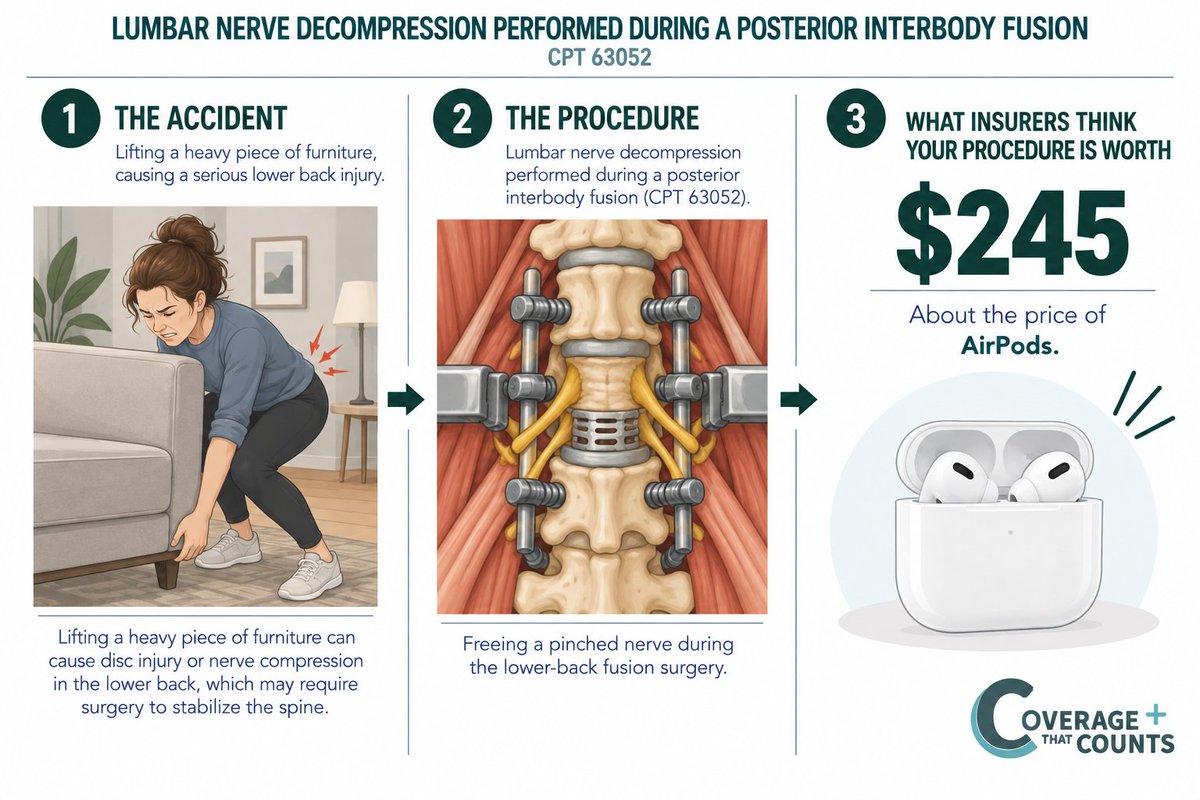
Lifting with your back & not your legs can lead to a painful spinal procedure. Instead of properly paying the doctor who fused your spine - so you can walk - your insurance company wants to give them the equivalent of AirPods. 🤡🤡