Do you want 2x improved COVID-19 recovery?
Canada: NO!
RCT 81 outpatients showing ~2-3x higher odds of favorable recovery outcomes with antioxidant treatment (selenium, zinc, lycopene, vitamin C).
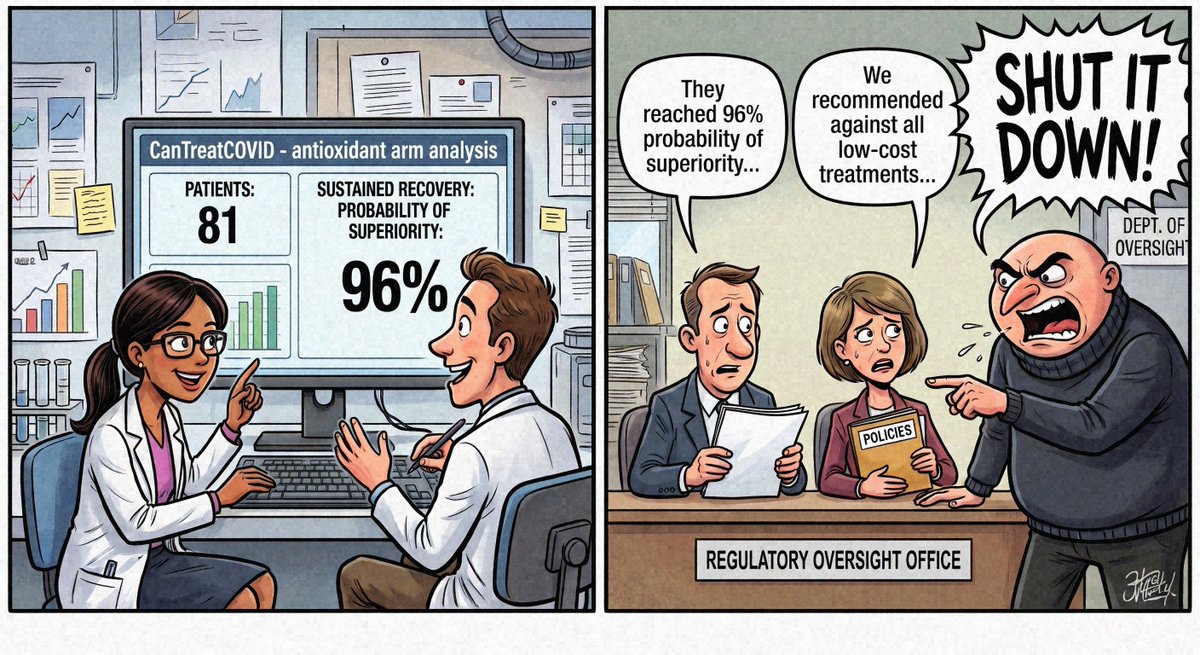
With 81 patients the trial is too small to reach statistical significance, however sustained alleviation was close and showed a 96% Bayesian probability of superiority.
If the point estimates remained the same, significance would be reached after enrolling ~6-50 more patients, depending on the outcome.
Authors indicate the trial was stopped early without providing the reason. The same trial enrolled 716 patients for paxlovid. The platform's sample-size calculation was ~2,413 patients per arm for 80% power. The prespecified stopping criteria are not mentioned in the paper and none appear to have been triggered. There is no indication that authors are currently running a larger trial.
There were no hospitalizations or deaths in the antioxidant arm compared to 2/40 (5%) in usual care.
Treatment was relatively late, ~3-4 days after symptom onset (2.7 days at enrollment plus medication delivery).
No serious adverse events were reported. Authors suggest the improvements may be due to the complementary redox-buffering and immune-supporting roles of the treatments during acute viral infection.
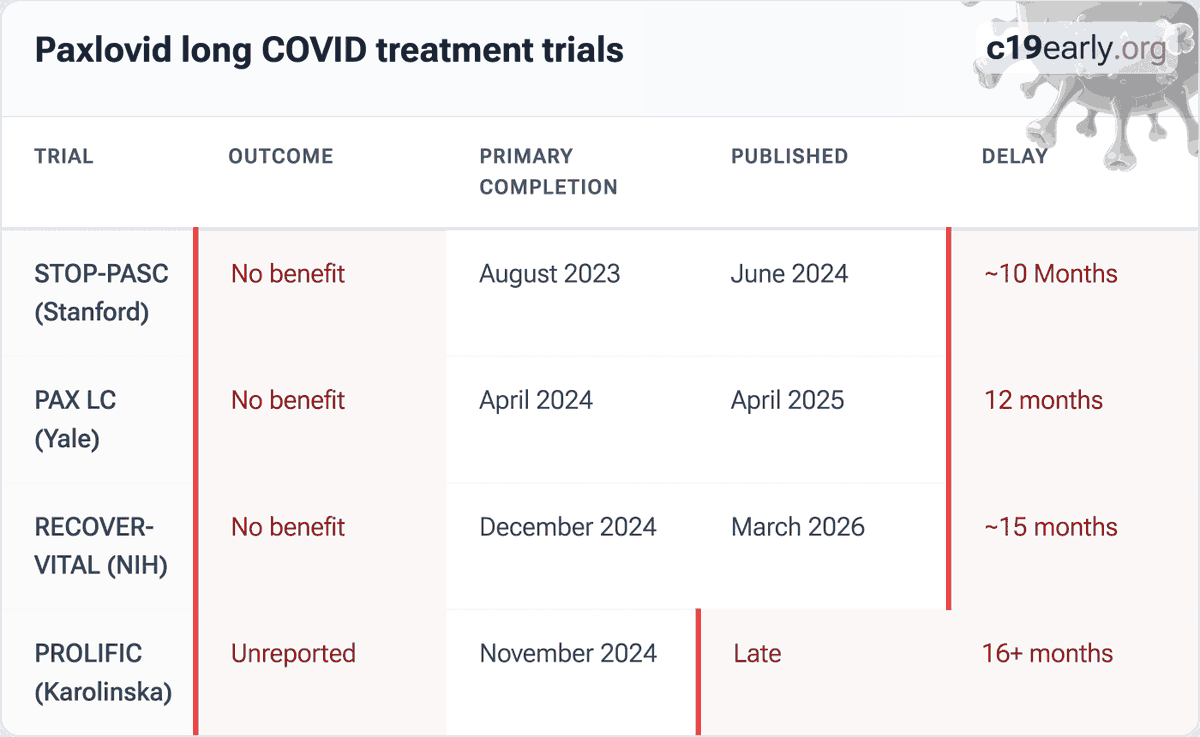
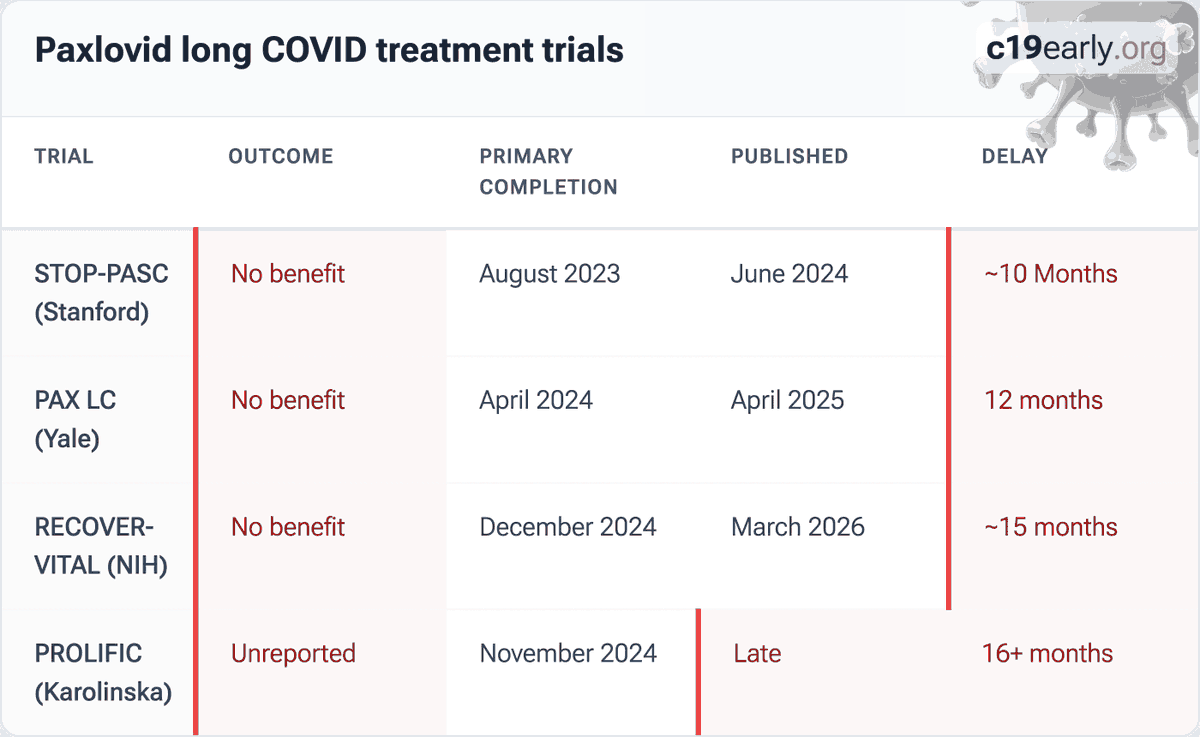
Results were delayed ~16 months after trial completion.
https://t.co/xS7hzoQg5c
Years later, there is still “insufficient evidence” for vitamin D.
NIH has only reviewed 4 of the 41 RCTs and 1 of the 97 observational studies to date.
https://t.co/DLQg5OQ93d
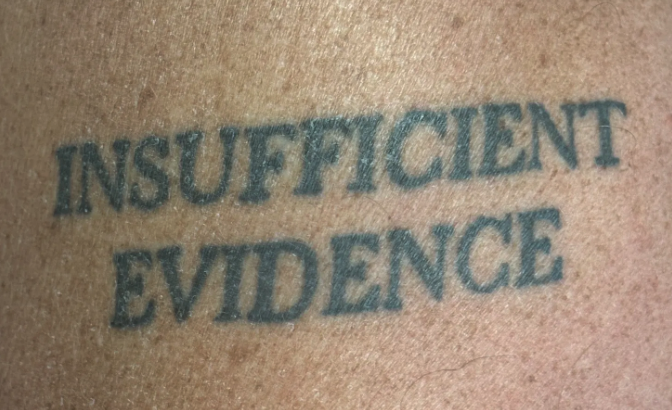
1/ I have one tattoo. Two words, left arm, big block letters: INSUFFICIENT EVIDENCE.
It started as a joke. It became the question behind my whole career: who gets to decide when the evidence is enough for a doctor to act? 🧵
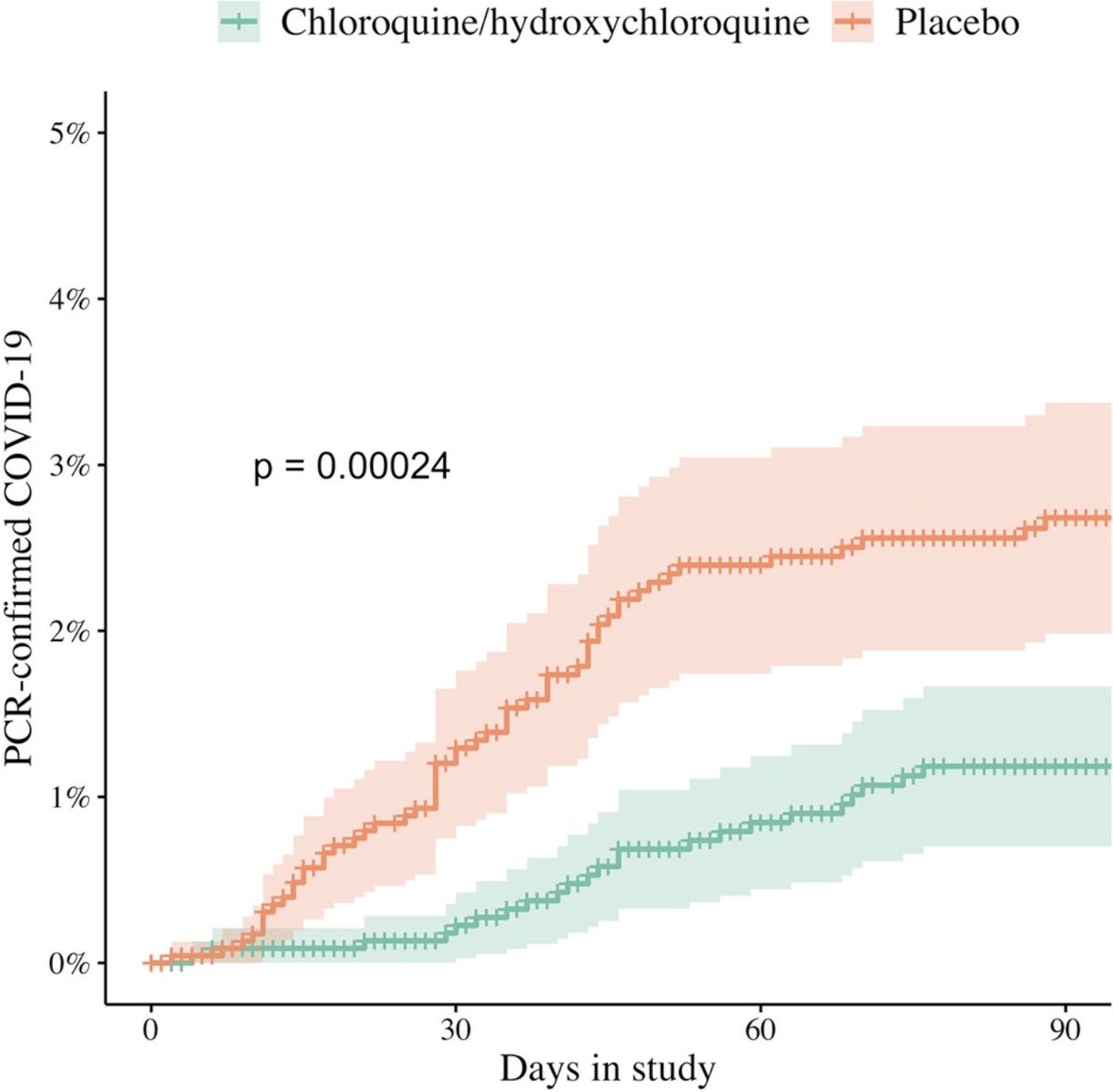
The original prespecified primary outcome is the most reliable result and shows 57% lower symptomatic PCR+ cases, p = 0.00024.
The post-hoc outcome is unreliable, which the authors themselves acknowledge. For example, the high false-negative rate of serum/DBS serology may account for many or most of the seroconversion cases - false-negative results at day 0 produce additional false-positive outcomes according to their algorithm, which was modified after the trial ended. Details: https://t.co/5Flea45Qq6
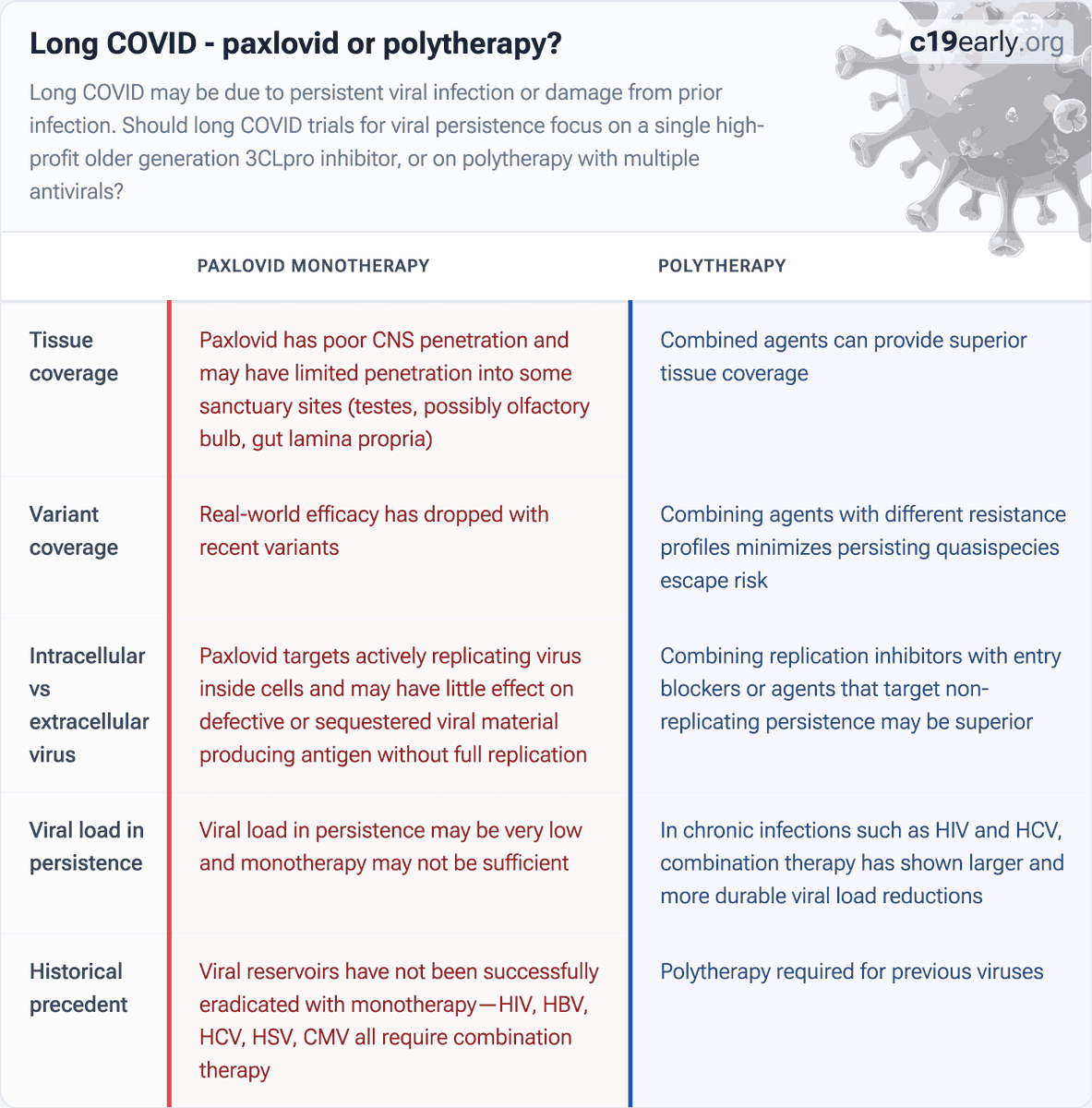
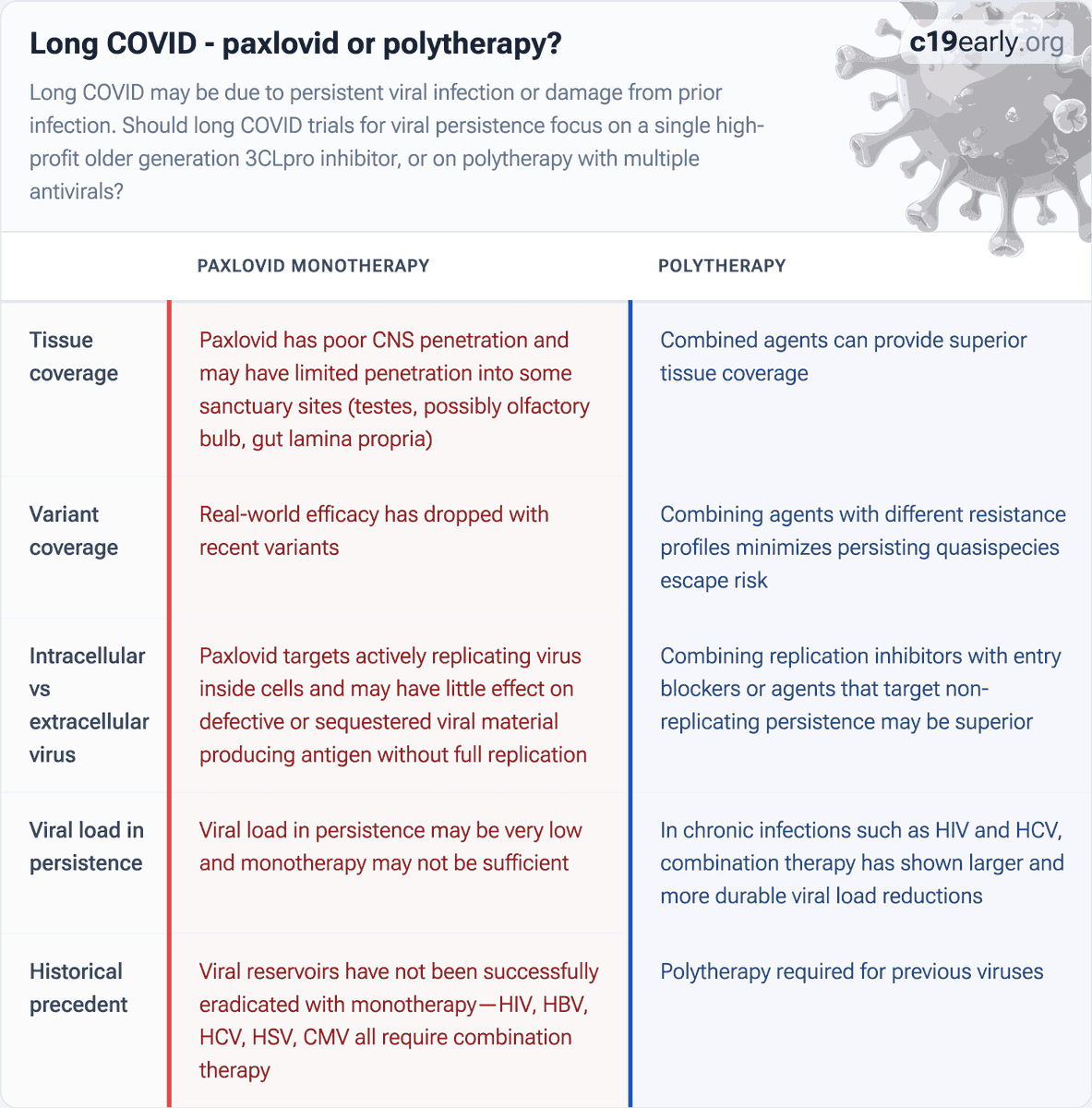
Long COVID may stem from persistent viral infection and/or damage from prior infection (tissue, immune, vascular, microbiome, etc.).
For viral persistence using a single first-generation 3CLpro inhibitor may not be very effective.
Polytherapy including improved antivirals can have better tissue/variant coverage, target intracellular and extracellular virus, etc.
Thousands of compounds show SARS-CoV-2 antiviral activity, with many complementary and synergistic mechanisms: https://t.co/LIWDzIYOTc
https://t.co/2qTgmlkp7a
Even among high-profit 3CLpro inhibitors, paxlovid is unlikely to be the safest or most effective. Ensitrelvir is also approved in the USA now (PEP only), but it was ~4 years late - approved in Japan in 2022 and still an older-generation 3CLpro inhibitor - avoiding ritonavir but with its own inherent CYP3A inhibition. We cover 11 novel SARS-CoV-2 3CLpro inhibitors - 5 are approved in China. Olgotrelvir for example is one of the more advanced - dual inhibition of 3CLpro and human cathepsin L, targeting both viral replication and host-cell entry, and highly orally bioavailable without requiring ritonavir.
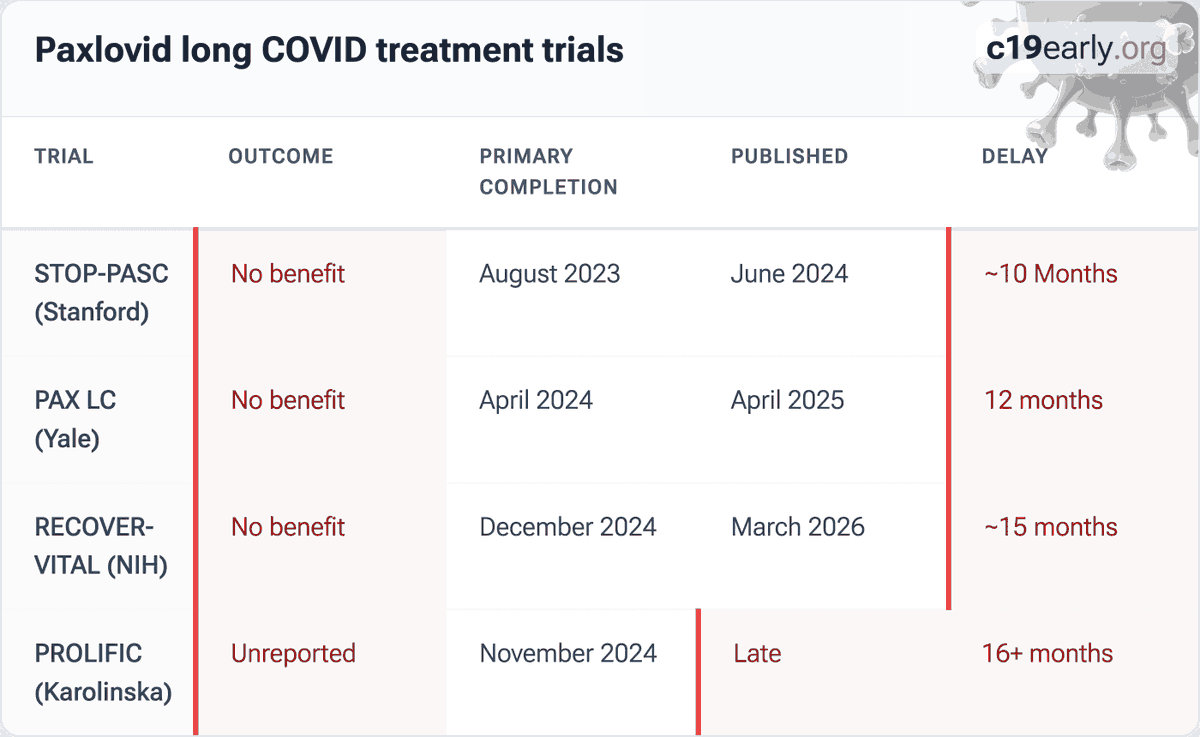
These results were released in March: https://t.co/k89TCxdb1E (and the trial is from 2024).
Long COVID may stem from persistent viral infection and/or damage from prior infection.
For viral persistence using a single first-generation 3CLpro inhibitor is not very logical.
Polytherapy including improved antivirals can have better tissue/variant coverage, target intracellular and extracellular virus, etc.
Thousands of compounds show SARS-CoV-2 antiviral activity, with many complementary and synergistic mechanisms: https://t.co/LIWDzIYOTc
https://t.co/2qTgmlkp7a
Even among high-profit 3CLpro inhibitors, paxlovid is unlikely to be the safest or most effective. Ensitrelvir is also approved in the USA now (PEP only), but it was ~4 years late - approved in Japan in 2022 and still an older-generation 3CLpro inhibitor - avoiding ritonavir but with its own inherent CYP3A inhibition. We cover 11 novel SARS-CoV-2 3CLpro inhibitors - 5 are approved in China. Olgotrelvir for example is one of the more advanced - dual inhibition of 3CLpro and human cathepsin L, targeting both viral replication and host-cell entry, and highly orally bioavailable without requiring ritonavir.
For viral persistence a single first-generation 3CLpro inhibitor may not be ideal.
Polytherapy including improved antivirals can have better tissue/variant coverage, target intracellular and extracellular virus, etc.
Thousands of compounds show SARS-CoV-2 antiviral activity, with many complementary and synergistic mechanisms: https://t.co/LIWDzIYOTc https://t.co/2qTgmlkp7a
Even among high-profit 3CLpro inhibitors, paxlovid is unlikely to be the safest or most effective. Ensitrelvir is also approved in the USA now (PEP only), but it was ~4 years late - approved in Japan in 2022 and still an older-generation 3CLpro inhibitor - avoiding ritonavir but with its own inherent CYP3A inhibition.
We cover 11 novel SARS-CoV-2 3CLpro inhibitors - 5 are approved in China. Olgotrelvir for example is one of the more advanced - dual inhibition of 3CLpro and human cathepsin L, targeting both viral replication and host-cell entry, and highly orally bioavailable without requiring ritonavir.
These results were released in March: https://t.co/k89TCxdb1E
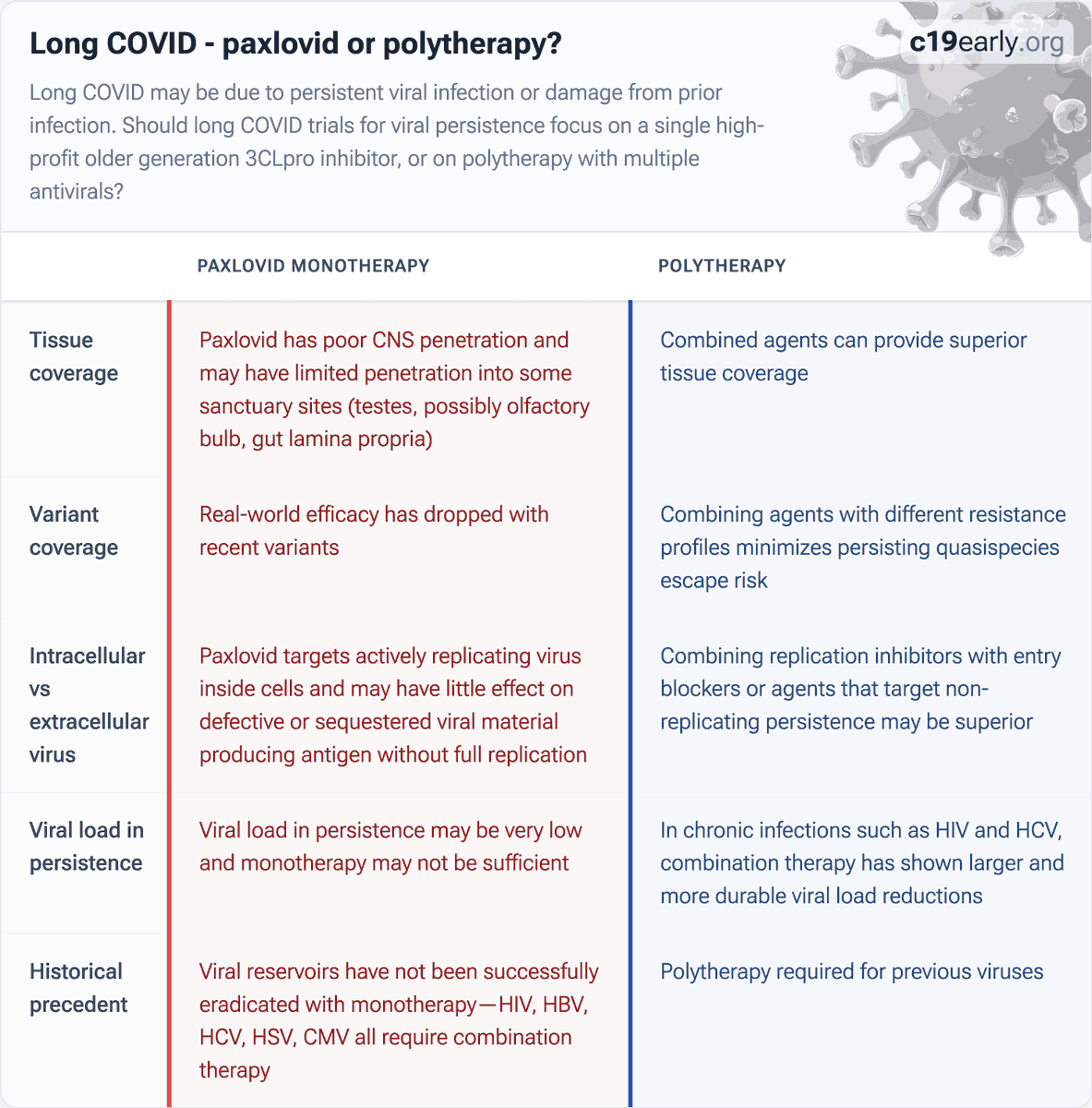
Long COVID may stem from persistent viral infection and/or damage from prior infection.
For viral persistence using a single first-generation 3CLpro inhibitor is not very logical.
Polytherapy including improved antivirals can have better tissue/variant coverage, target intracellular and extracellular virus, etc.
Thousands of compounds show SARS-CoV-2 antiviral activity, with many complementary and synergistic mechanisms: https://t.co/LIWDzIYOTc https://t.co/2qTgmlkp7a
Even among high-profit 3CLpro inhibitors, paxlovid is unlikely to be the safest or most effective. Ensitrelvir is also approved in the USA now (PEP only), but it was ~4 years late - approved in Japan in 2022 and still an older-generation 3CLpro inhibitor - avoiding ritonavir but with its own inherent CYP3A inhibition. We cover 11 novel SARS-CoV-2 3CLpro inhibitors - 5 are approved in China. Olgotrelvir for example is one of the more advanced - dual inhibition of 3CLpro and human cathepsin L, targeting both viral replication and host-cell entry, and highly orally bioavailable without requiring ritonavir.
J’ai une immense admiration pour les créateurs du site https://t.co/Y8WgB5RrMR
Ils ont créé un site incroyablement professionnel et rigoureux sur l’efficacité des traitements précoces.
Et leur choix de rester anonymes montre leur lucidité sur le monde dans lequel on vit…
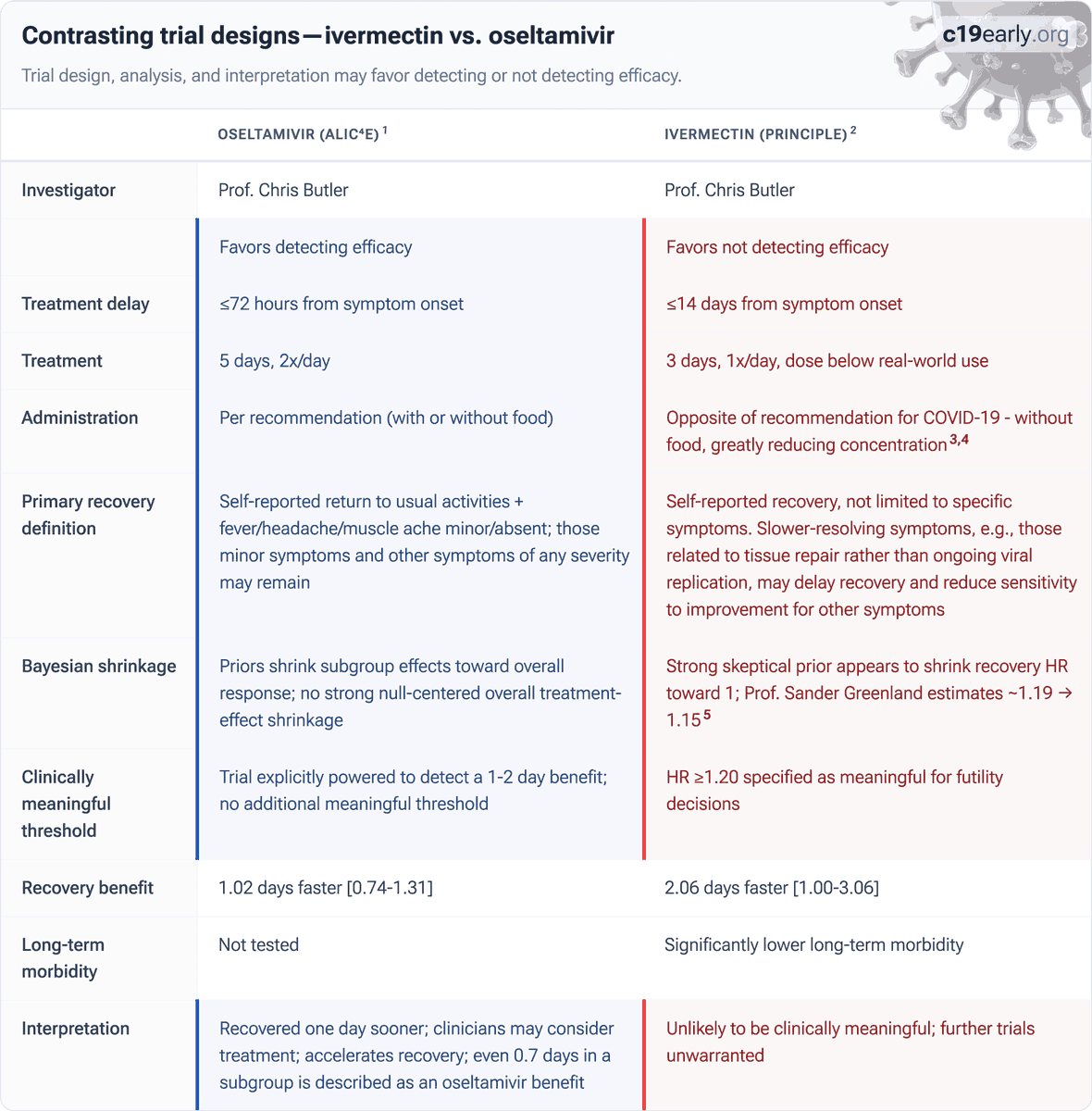
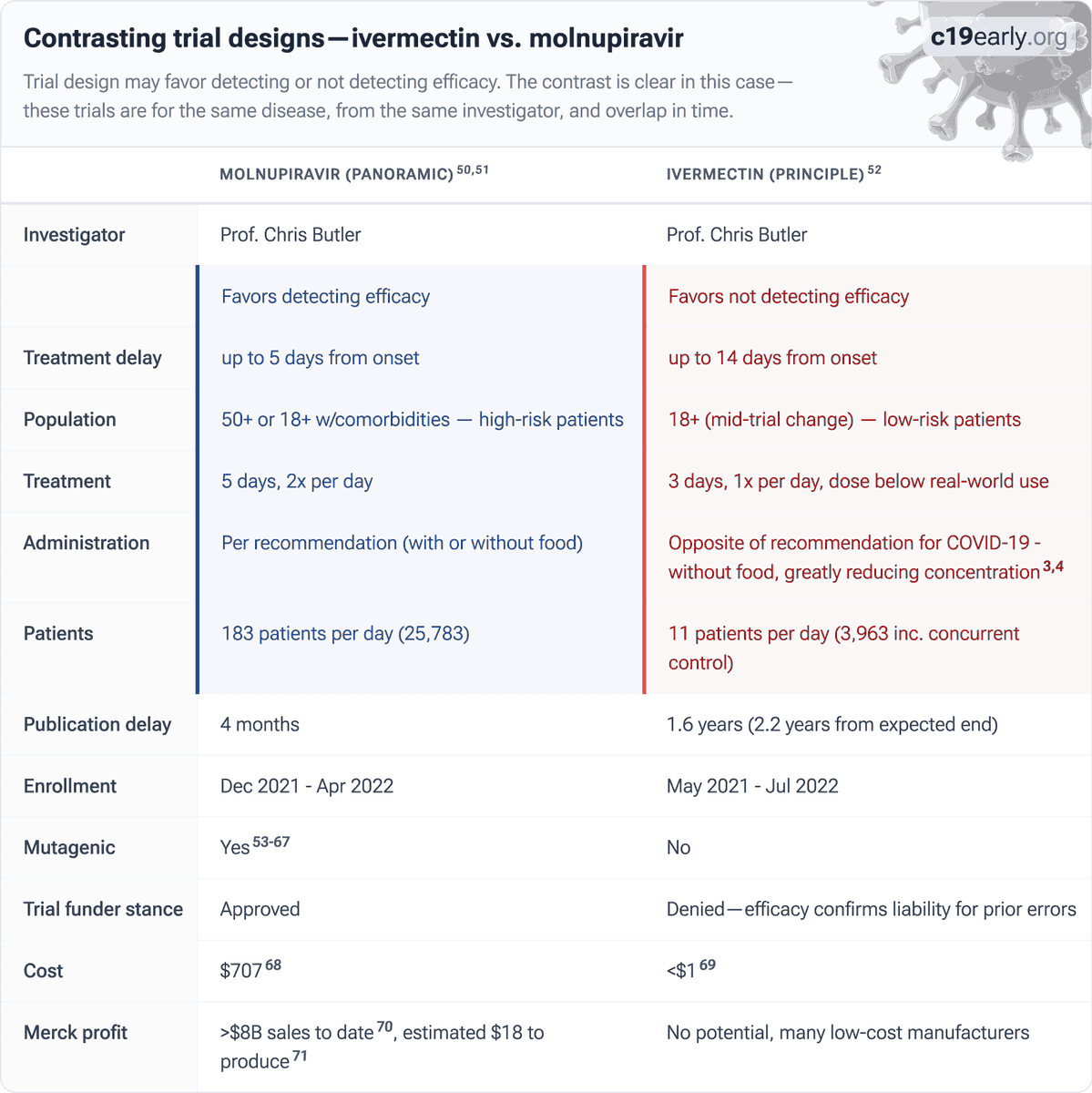
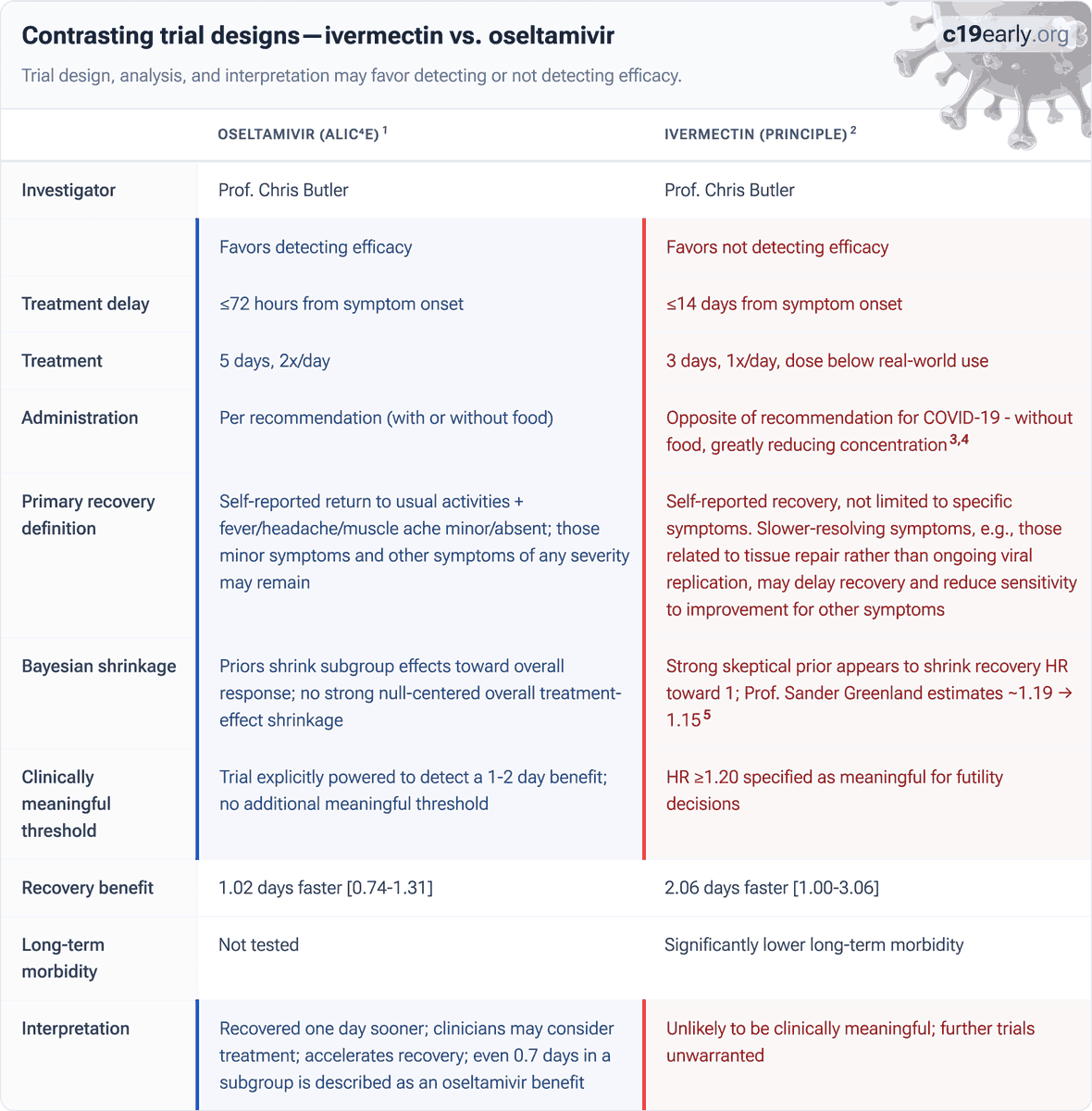
Hey, I found another interesting comparison between 2 trials conducted by Chris Butler with opposite interpretation:
1/https://t.co/hO98vo4Iu6 ivermectin as covid treatment, open-label RCT.
2/ https://t.co/FMenQTngY2 Oseltamivir as flu treatment, open-label RCT.
1/n
Government-funded trial. Recruited ~9x more people for the high-profit drug.
The protocol says recruitment would end March 31, 2026, but it was shut down a year earlier with 81 patients and 96, 94, 93, 91, and 84% probabilities of superiority on the recovery outcomes (the 84% has a ceiling effect - 100% of treatment patients recovered so there is no possibility of higher treatment recovery). https://t.co/nMXbOZzqvm
Do you want 2x improved COVID-19 recovery?
Canada: NO!
RCT 81 outpatients showing ~2-3x higher odds of favorable recovery outcomes with antioxidant treatment (selenium, zinc, lycopene, vitamin C).
With 81 patients the trial is too small to reach statistical significance, however sustained alleviation was close and showed a 96% Bayesian probability of superiority.
If the point estimates remained the same, significance would be reached after enrolling ~6-50 more patients, depending on the outcome.
Authors indicate the trial was stopped early without providing the reason. The same trial enrolled 716 patients for paxlovid. The platform's sample-size calculation was ~2,413 patients per arm for 80% power. The prespecified stopping criteria are not mentioned in the paper and none appear to have been triggered. There is no indication that authors are currently running a larger trial.
There were no hospitalizations or deaths in the antioxidant arm compared to 2/40 (5%) in usual care.
Treatment was relatively late, ~3-4 days after symptom onset (2.7 days at enrollment plus medication delivery).
No serious adverse events were reported. Authors suggest the improvements may be due to the complementary redox-buffering and immune-supporting roles of the treatments during acute viral infection.
Results were delayed ~16 months after trial completion.
https://t.co/xS7hzoQg5c
@rmathematicus@grok were careers, curricula, and intellectual prestige built on the scientific consensus that the Earth did not move - the sun, planets, and stars revolve around it? Or is this hyperbollocks?
🏛️ INSTITUTIONAL CORRECTION OF ERRORS - 359 YEARS? How long will it be for COVID-19?
🌍 The scientific consensus was the Earth did not move - the sun, planets, and stars revolve around it.
🎓 Careers, curricula, and intellectual prestige were built on it.
🔭 Serious challenge arrived from Copernicus in 1543, Kepler's elliptical orbits in 1609, and Galileo's telescope in 1610.
⚖️ The Inquisition declared heliocentrism "foolish and absurd" in 1616, and Galileo was convicted of "vehement suspicion of heresy" in 1633.
✨ While the consensus was likely wrong after Galileo’s evidence, strong confirmation arrived from Bradley’s stellar aberration in 1728.
🐌 Institutional correction was slow.
🕊️ Formal acknowledgment of error arrived in 1992, 359 years after Galileo’s conviction, with a statement from John Paul II, closing a commission he convened thirteen years earlier. Other changes were earlier, but still very slow: Galileo's works were licensed in edited form in 1741, a ban on heliocentric books was lifted in 1758, and teaching Earth's motion was allowed in 1822.
Dr. Nass criticized the censorship of ivermectin and HCQ.
The Maine medical board suspended her license and ordered a psychological evaluation, without any review of the evidence for the treatments.
A federal judge just allowed civil-rights claims to proceed. A state court previously vacated the psychological evaluation order as arbitrary and capricious.
The judge notes that board members have absolute immunity from damages for their later formal hearing - regardless of whether their conduct was biased, malicious, or corrupt. https://t.co/zsh9VBhkNT
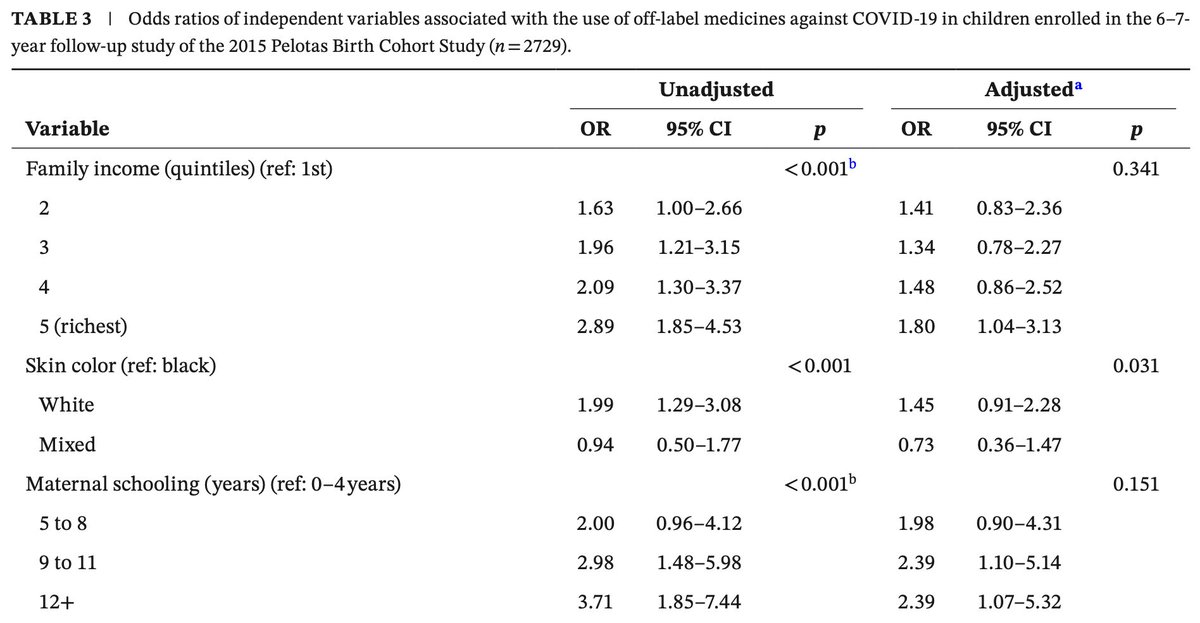
Details: multiple studies show higher use of effective low-cost treatments for healthcare professionals (1-3) (and specifically those with more experience (4)), more highly educated individuals (2, 5-13), and with higher income (4, 7, 10, 11, 13). Healthcare professionals also had lower risk than expected for COVID-19 (14, 15), consistent with greater use of effective treatments.
1. Elayeh et al., Prevalence and predictors of self‐medication drugs to prevent or treat COVID‐19: Experience from a Middle Eastern country, International Journal of Clinical Practice, https://t.co/OVt15i18KY
2. Sadio et al., Assessment of self-medication practices in the context of the COVID-19 outbreak in Togo, BMC Public Health, https://t.co/4Ff4Q6h1Vi
3. Dantas et al., Automedicação no contexto de COVID-19, os perigos da prática e fatores associados, Research, Society and Development, https://t.co/vv5lcjSNTW
4. Okoye et al., Self medication practices and its determinants in health care professionals during the coronavirus disease-2019 pandemic: cross-sectional study, International Journal of Clinical Pharmacy, https://t.co/CvZvJ5uq1C
5. Arora et al., Global Dietary and Herbal Supplement Use during COVID-19—A Scoping Review, Nutrients, https://t.co/HjZxW1Vdh3
6. Ahmed et al., Behavioral preventive measures and the use of medicines and herbal products among the public in response to Covid-19 in Bangladesh: A cross-sectional study, PLOS ONE, https://t.co/QHbcKyzfME
7. Lam et al., A public survey of traditional, complementary and integrative medicine use during the COVID-19 outbreak in Hong Kong, PLOS ONE, https://t.co/HeMFOvKafp
8. Chellappan et al., Self-medication for prevention of COVID-19: a cross-sectional online survey among the general public in South India, INDIAN JOURNAL OF APPLIED RESEARCH, https://t.co/0Q7AJRBg0l
9. Mulder et al., Prevalence and predictive factors of complementary medicine use during the first wave of the COVID-19 pandemic of 2020 in the Netherlands, BMC Complementary Medicine and Therapies, https://t.co/i04597KbrK
10. Wegbom et al., Self-Medication Practices and Associated Factors in the Prevention and/or Treatment of COVID-19 Virus: A Population-Based Survey in Nigeria, Frontiers in Public Health, https://t.co/J6gGyPoZ9Z
11. Aitafo et al., Self-Medication among Health Workers during the COVID-19 Pandemic in Southern Nigeria: Knowledge, Patterns, Practice and Associated Factors, International Journal of Health Sciences and Research, https://t.co/qYnaode0FD
12. Grosman-Dziewiszek et al., Patterns of Dietary Supplement Use during the COVID-19 Pandemic in Poland: Focus on Vitamin D and Magnesium, Nutrients, https://t.co/tCucdnB2Cu
13. Bertoldi et al., Pediatric Use of Off‐Label Medicines and Nonevidence‐Based Supplements for COVID‐19: Findings From the 2015 Pelotas Birth Cohort Study (Brazil), Pharmacoepidemiology and Drug Safety, https://t.co/ETf3Amssf5
14. Kaplan, R., Physician deaths from COVID-19 have been lower than expected, Occupational Medicine, https://t.co/OXV0QNs0qH
15. Kiang et al., Excess Mortality Among US Physicians During the COVID-19 Pandemic, JAMA Internal Medicine, https://t.co/RTO5nrNASR
A new study shows higher use of effective low-cost COVID-19 treatments with higher education and with higher income.
Multiple studies show higher use for:
- healthcare professionals
- higher education
- higher income
🧵
The new study: https://t.co/4rFvFLFmuk
Authors call the treatments "nonevidence-based", without reviewing the over 800 clinical studies which ~12,000 scientists devoted ~4 million hours of research to.