COWS is proud to support the first ever SQP week @AMTRA_SQP from 5-12 June 2026. A nationwide celebration of the vital role SQPs play in keeping farm animals healthy. SQPS sell a lot more wormers than vets to UK farmers
AHDB has published its Parasite Control Guide 2026. This is a useful reference catalogue of all the anthelmintic products available to buy for use on cattle. Final product decisions should be taken in discussion with the vet, SQP or RAMA
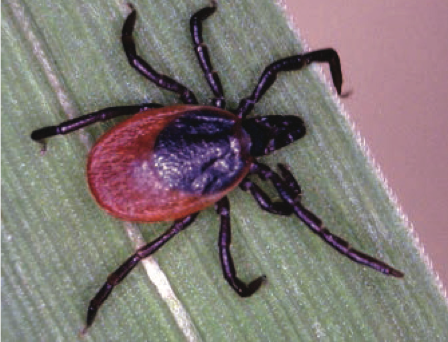
Ticks become active & feed in spring once temps reach 7 deg. Babesiosis/redwater & anaplasmosis/tick-borne fever are the most important diseases in UK. Usually occur between May and November, or earlier if winter was mild. Read more https://t.co/8d2kYrkRAx Photo A Jennett
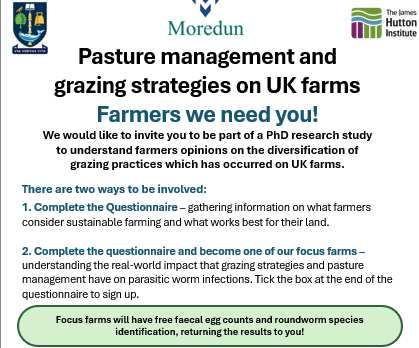
PhD student Kayleigh Devine @MoredunComms is looking at impact of grazing strategies on cattle & sheep productivity, parasite control & pasture quality. 20 minute survey for farmers to complete: https://t.co/SqjdA98f8S Option also to become a focus farm with free FECs and advice
Parasitic worms are not evenly distributed among animals within a herd. 20% of cattle could possibly carry 80% of worms. Treatment of poorly performing individuals or those with high faecal egg counts can lead to a disproportionate reduction in roundworm infections. Photo: NADIS
Assess pastures for lungworm risk, based on the animals that grazed before. Colour code fields eg red that had youngstock last year, amber which had adult cattle and green for new leys, aftermath or which were grazed by other species. Avoid potential problems if possible
It is vital to monitor how effective wormer treatments have been - don't just assume they have worked. Faecal egg count test 10-14 days after using white/clear wormers and 5-7 days after yellow. Really important when buying in cattle. Will help protect against wormer resistance
For all parasite control: aim to prevent production losses rather than treat disease. Regular weighing and excellent stockmanship are crucial to achieve this.
A brand new course on Integrated Parasite Management (IPM) in cattle has been launched by @theBCVA with support from COWS for vets & SQPS. Choose a 1-day or 2-day course - 1st one 11 & 13/14 May Cumbria, 2nd one 18 & 20/21 May Somerset
https://t.co/dJlnuy3c6N for more details
It is vital to monitor how effective wormer treatments are by doing post-treatment egg counts. Test 10 to 14 days after white/clear wormers, 5 to 7 days after yellow wormers. This is especially important for bought-in cattle and will help protect against anthelmintic resistance
The new lateral flow test for liver fluke looks for host antibodies in a pinprick of blood and can detect infections earlier than faecal testing. The test can be done on farm with results available in minutes - read more https://t.co/wUr6I9NMlK
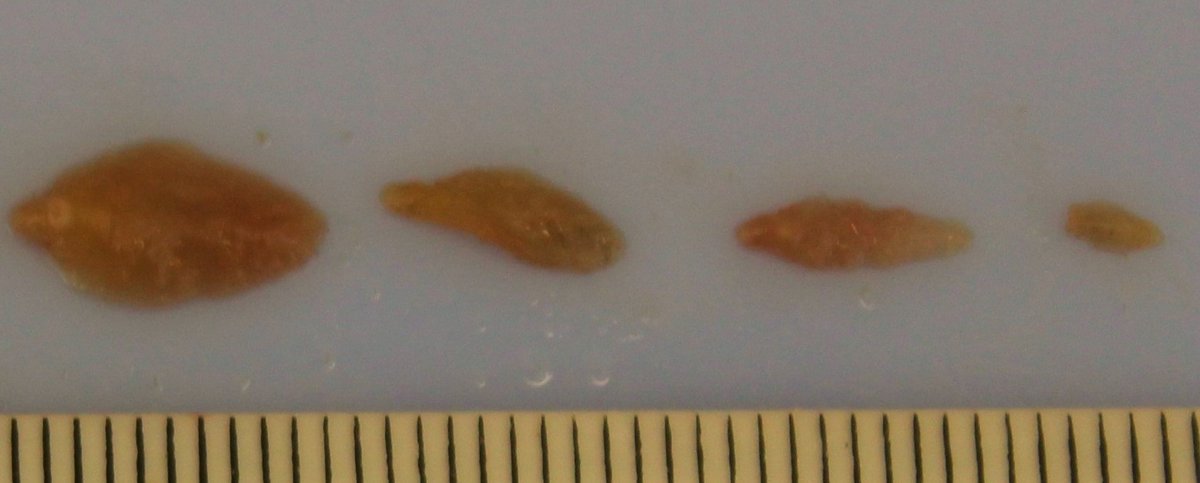
It is vital to keep testing for liver fluke until the risk period is over. A negative test does not mean farmers can sit back and relax. It may be that fluke are not mature enough to lay eggs. Test again in 4 to 8 weeks time Photo: Wales Veterinary Science Centre
When buying in cattle find out as much info as possible about where the animals have come from, which parasites they have been exposed to and any treatments given. If no info is available, assume the cattle are carrying wormer-resistant roundworms
Once cattle are turned out they can encounter residual overwintered larval populations in fields. Eggs are also shed from worms living in the intestines of adult cattle. This is a HIGH RISK situation for first season grazing calves
Findings from an MSc project by APHA's Natalie Jewell showed development of resistance of roundworms to BZ treatments is at an early stage in cattle. So farmers have time to tackle the problem before it reaches levels seen in the UK sheep flock. Read more https://t.co/O2I9jQ5EFX
Don't forget to order lungworm vaccine EARLY. Calves of at least 8 weeks of age need 2 doses, 4 weeks apart. Do not mix vaccinated stock with unvaccinated, or graze pastures recently used by unvaccinated animals until 2 weeks after the 2nd dose - tricky timing but vital
Vet & COWS member Anuschka Marsman looked at ways to protect cows from lungworm whilst also protecting dung beetles. Dung beetles were found on all project farms, but those with the most had not, or had hardly used any wormers the year before. Photo Dungbeetlesforfarmers
In research carried out @MoredunComms 64% of cattle sold at auction were carrying roundworms & 25% of the herds were carrying roundworms resistant to white wormers, making treatments with these worthless. Post-treatment egg count tests can identify when resistance is present
Assess cattle before giving ANY worming treatment. Are they growing? Is their body condition score right for their age? Do they have clean back-ends? If they are performing well do they need worming? If unsure - test don't guess
The 'Things to Do Now' panel on the COWS website is split into 3 key time periods for worm control in cattle - housing, turnout and summer grazing. The activities for turnout have just been turned on https://t.co/8nmVV5rhef