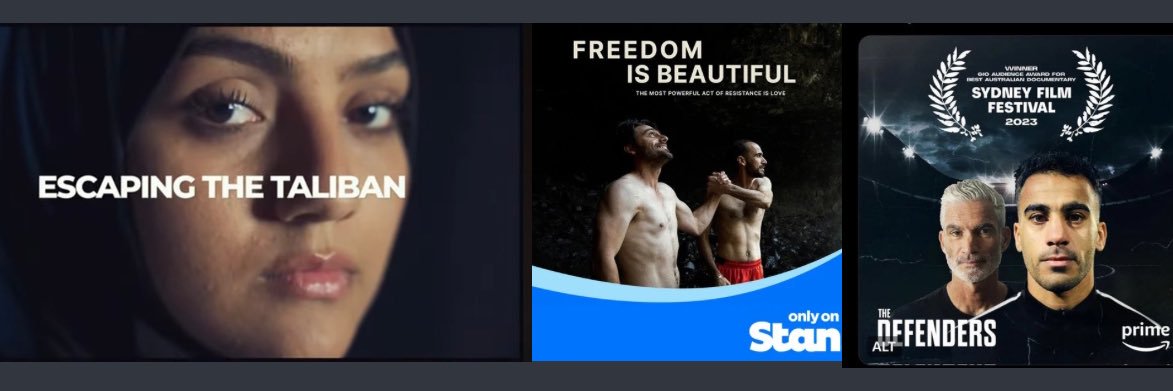
AM LLB HonLLD • Socceroo • Stan • Adj Prof Sport & Social Justice • Laureus Judge • Films - The Defenders; Die or Die Trying; The Forgotten People • SaveHakeem
Beautiful.
The hope that springs from football is eternal.
One of the most important parts of the game.
That always, just for one day, one 90 minutes, the smallest have real hope against the biggest.
The poorest against the richest.
The least powerful against the powerful.
Because there are many ways to play, and tactics and strategy always play a part, as does defending one’s goal with their lives.
Unlike many parts of human existence, where power, wealth and size rules all, football stands alone.
And effort, will, teamwork, passion and a group playing for their people, are always hard to beat.
South America has produced many of the most politically active, socially aware and vocal activists in football.
Those not afraid to speak out against authoritarianism, or for their people.
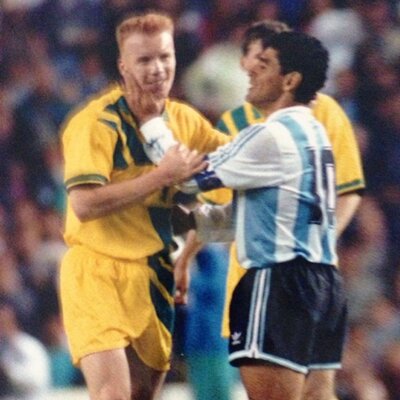
Socrates, Maradona.
Bielsa is famed for his closeness to the grass roots of the game, and for understanding the need for football to remain the game of the people.
Something that needs powerful voices more than ever.
Because for now, the game belongs to the corporate boxes, the sponsor suites, the state funds, and the politicians.
😣🇺🇾 Marcelo Bielsa looking down during FIFA's official World Cup photoshoot.
The Uruguay manager has been one of the tournament's fiercest critics, speaking out against what he sees as the growing commercialisation surrounding the World Cup. 🌎💭
22 - Uruguay attempted 22 shots in the second half against Saudi Arabia. The last team to attempt more shots in a half of a FIFA World Cup match was East Germany against Chile in 1974 (24 in the first half).
Relentless.
From @TheAthleticFC: Cape Verde’s Vozinha says U.S. visa issues stopped his mother from witnessing his World Cup heroics in person. The 40-year-old goalkeeper was visibly emotional on the pitch after the game. https://t.co/754zUIylGZ
Despite Spain having 74% possession, Cape Verde committed just ONE foul the entire match.
This is the least amount of fouls committed by a team on record in a World Cup match 🤯
Disgraceful.
Players have worked their whole lives for this moment.
And loved ones denied the chance to be there.
People who’ve raised them, supported them, been an indispensable part of their personal journey to this moment at the pinnacle of world sport.
It’s not football.
Cape Verde goalkeeper Vozinha after his man-of-the-match display against Spain:
"I cried after the game because I grew up with my grandparents when I was a kid, and they could not be there. They passed away a few years ago.
"My mum could not be here either for a VISA issue, and the money we had to pay for it. We did not manage to do this in time."
Yes.
A World Cup story for the ages.
Everything good about football: cross-cultural collaboration, inspiration for 40 million, new hope for a football-loving nation, coaching staff from down under helping a middle east nation restore footballing pride.
Different countries learning about each other, breaking down barriers through their shared love of the game.
Much goodness.
Iraq’s extraordinary route to the World Cup. There may be no team that’s ever quite had to do it like this. Here’s the interview with hugely impressive head coach Graham Arnold: ‘We’re capable of doing something that will shock the world’. https://t.co/9fbtsuONg2
The hyper-commercialisation has extended even to the changing of the fundamental nature of the game itself.
Hydration breaks should only be used when necessary due to extreme heat.
And should be as short as possible, no coaching interventions, minimal disruption to game flow.
Soccer has always been defined by free-flowing, unbroken action. But for the World Cup in America, FIFA is using “hydration breaks” to shoehorn in commercials. 🔗 https://t.co/pFuy90orj6
Our boys are QUICK ⚡️⚡️
Five out of the top ten speeds recorded at the World Cup belong to Socceroos.
Jacob Italiano tops the list, registering a 35.4km/h peak speed.
Via: @Sofascore
Cape Verde faces Spain today in its first-ever World Cup match.
But where is the island nation located?
For many Cape Verdeans, this moment is about more than football. They hope the tournament will not only showcase their team but also put their country on the map. 🇨🇻⚽
Very true.
Just for a month, the global political hierarchy is upturned, and the US, source of so much instability in the world politically and economically, takes a back seat to Argentina, France, Spain, historically Brazil.
No Russia, no China.
Arab nations like Morocco outperform their political stature, Egypt are strong, Japan rising.
Australia growing fast and with far greater ambition and boldness than we ever display on the global political stage.
Asia and the global south have an outsized influence not seen in the halls of the UN.
Football is the stage where countries have a power and stature in front of the entire world greater than their geopolitical reality, and the world looks different.
While the US threatens the world with tariffs and bombs countries endlessly, coercion doesn’t work on the football field.
And the power ratios are not only about size and scale, but skill and strategy, passion and belief.
The world seen through the football is more equal, balanced.
Just another reason why the world loves football.
Why does the World Cup inspire such intense emotions? Because it isn't just about sports. @ianbremmer explains how nationalism, identity, and politics have long been intertwined with the world's most popular tournament. #ianexplains
From @TheAthleticFC: The most famous goalless draw in World Cup history.
Cape Verde, a chain of 10 islands off the coast of West Africa with a population of 529,000, has held the European champions and favourites Spain in Atlanta. https://t.co/EYVhuJgPnS
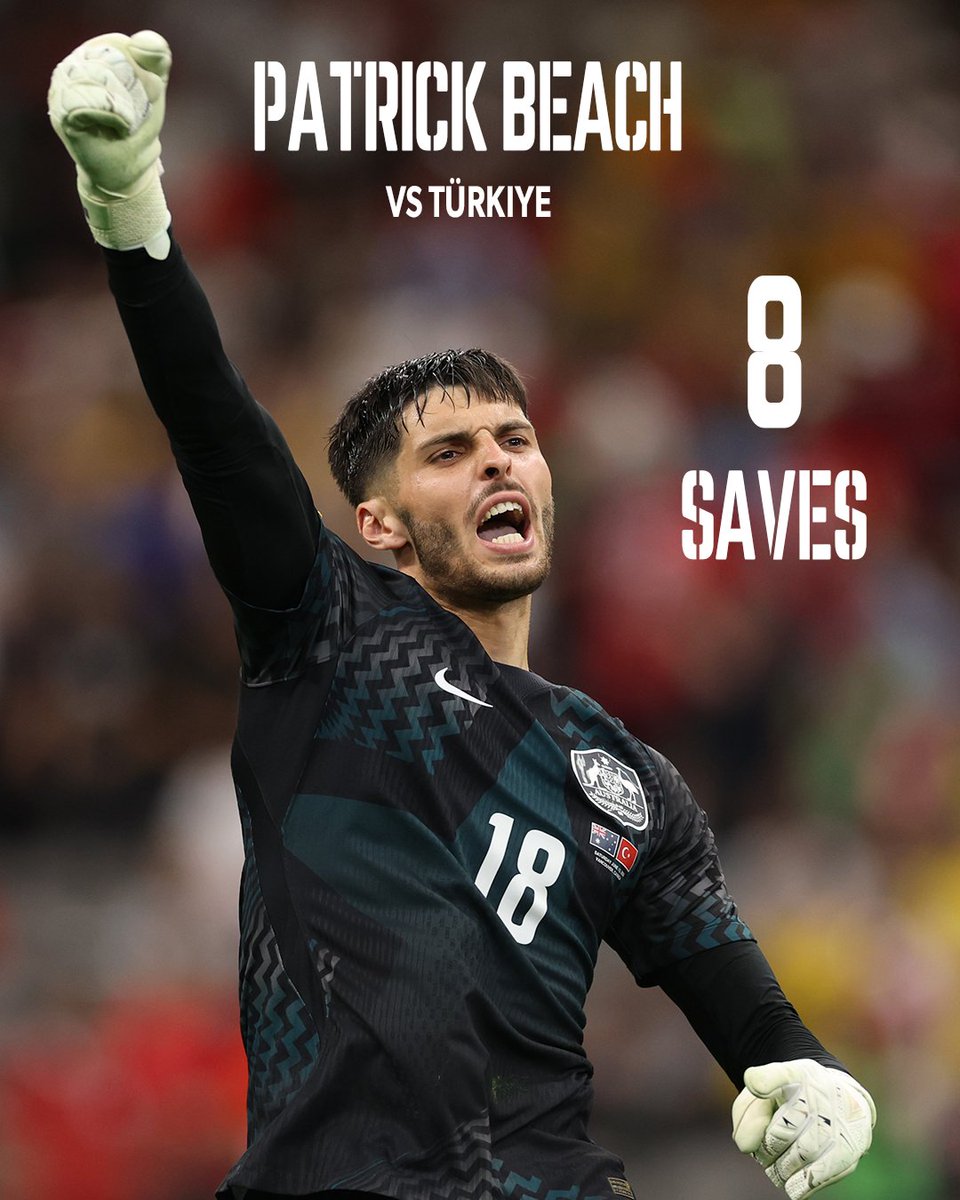
Player in focus: Patrick Beach made 8 saves against Türkiye, the most ever by a #Socceroos goalkeeper at the #FIFAWorldCup. 🔎🏖️🧤
It is also the most by a goalkeeper on their World Cup debut since Rustu Recber (9) vs Brazil in 2002.
For most of us, we can’t even imagine what Nestory’s journey has been like.
As with all refugees.
Displaced, homeless, full of hope but in desperate need of safety. A chance. An opportunity at life.
With a dream and a ball, making a new life, in a country with a proud history of welcoming refugees, but facing its own forces of opposition today.
Nestory didn’t just shoot the ball into the Turkish net, he struck a lightning bolt to the conscience of millions of Australians.
How can we cheer one brilliant, skilled, explosive and confident young kid representing us, and we him, and simultaneously portray refugees or new arrivals as less worthy?
It also should raise the question of how refugees come to be? Everyone wants to live a safe life at home, with kin, generations of family, not having to ask for a chance..
But conflict, it’s funding, the breakdown in international law, the weapons industry needing to be fed, exploitation of resources, religious tribalism and extremism, all create the more than a hundred million people who have fled their home.
It is these drivers we must stop, and these causes we must never support nor participate in.
Football brings everyone together and shows us what we share.
Now, we share a love of a young Aussie kid who overcame every barrier put in his way, to reach the pinnacle of world sport.
And that is needed more than ever.
From being born in a refugee camp to scoring at a World Cup. A message to millions. ⭐️
Nestory Irankunda’s journey from displacement to becoming Australia’s youngest #FIFAWorldCup goalscorer shows what’s possible when hope, talent and opportunity come together. 🌍⚽
Nestory Irankunda was born in a Tanzanian refugee camp to Burundian parents.
At 20 years old, he just became the youngest player to score for Australia at a FIFA World Cup! 🔥