@KituoSheria@WomenCo_KE@nisisikenya 5/5
The most important question after the forum is: what happens next?
Follow @CregdKenya to see how we get to translate evidence and dialogue from the forum into concrete commitments, collaboration and action.
Bringing together diverse voices around artisanal and small-scale gold mining, the forum explored mining justice, gender, wellness, miners’ cooperatives and the path from dialogue to action.
Here are 5 key observations 👇🏾🧵
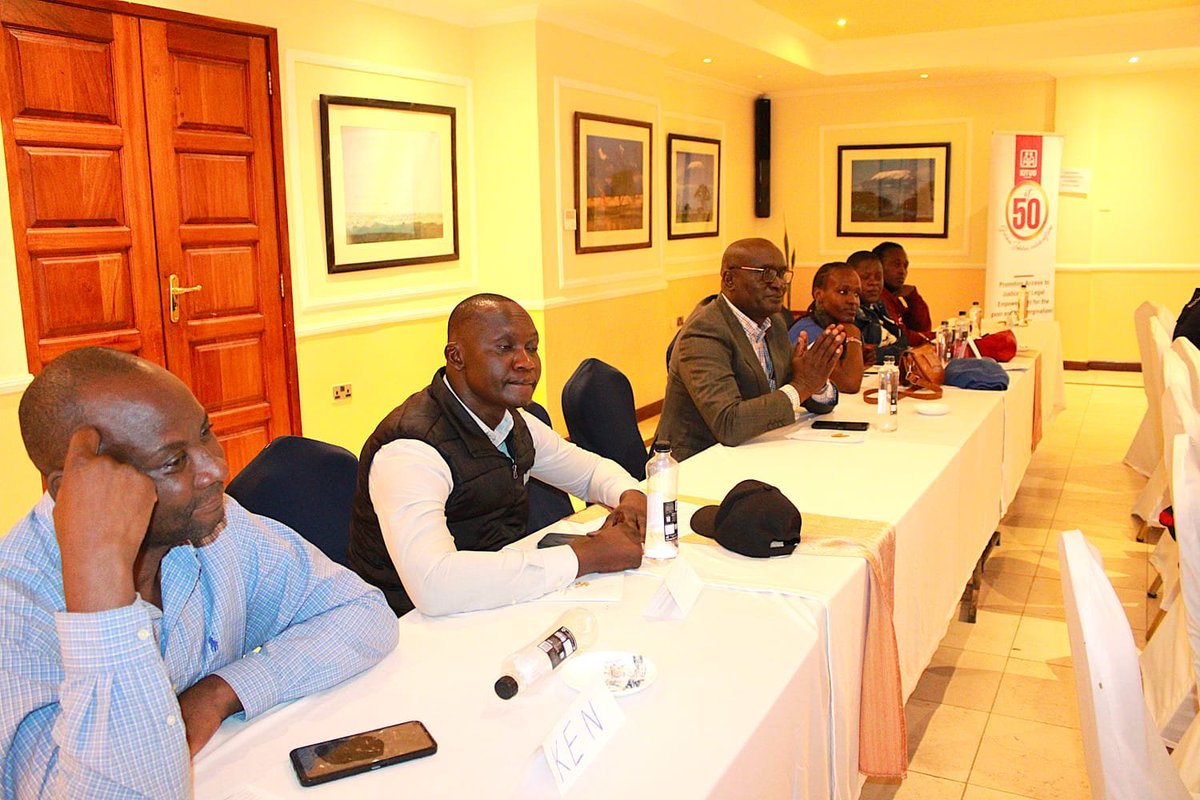
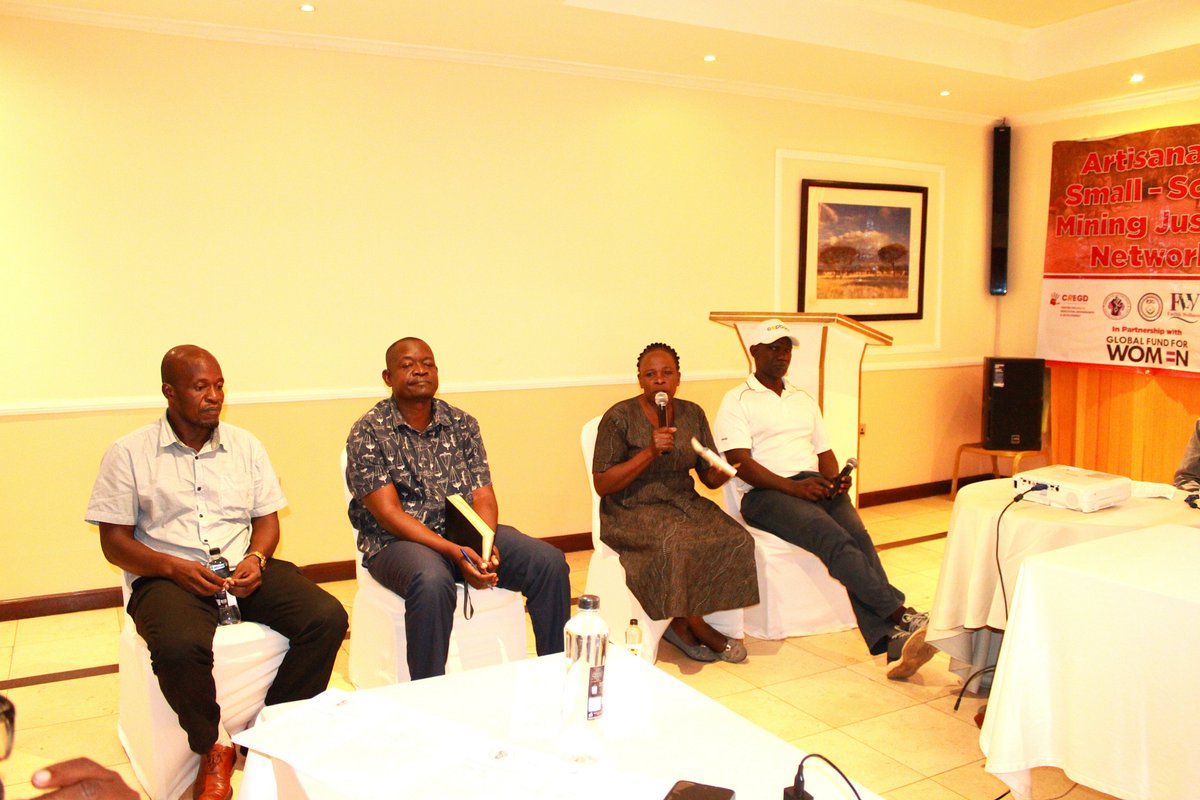
Inside the Western Kenya ASGM Stakeholders Forum. Stakeholders came together to discuss mining justice, gender, wellbeing, environmental justice and collective action, sharing experiences, and exploring pathways towards fairer, healthier, and more resilient mining communities.
Yesterday, stakeholders came together in Kisumu to examine the realities of artisanal and small-scale gold mining from human rights and environmental justice to gender, wellbeing, and collective resilience. Now, we move from dialogue to action.
#ASGM#MiningJustice#WesternKenya
What happens when conversations about artisanal and small-scale mining move beyond minerals and livelihoods to also consider human rights, community wellbeing and dignity?
Today, Inuka Kenya Ni Sisi!, Kituo Cha Sheria and Women Collective Kenya joined stakeholders from Nyanza and Western Kenya for a conversation convened by the Artisanal and Small-scale Mining Justice Network (ASM-JN) on artisanal and small-scale gold mining (ASGM), human rights and community wellbeing.
The ASM-JN, hosted and coordinated by the Centre for Rights Education, Governance and Development @Cregdkenya, brings together civil society and community-based organisations committed to advancing human rights, environmental justice, accountable governance and sustainable livelihoods in Kenya’s artisanal and small-scale mining sector.
As partners in this important conversation, we explored the realities facing mining-affected communities and the need for approaches that place people, their rights and their wellbeing at the centre of mining justice.
From the research report titled, Living with Gold: Artisanal and Small-Scale Gold Mining, Community Rights, Safety and Governance in Kenya., Presented by Benedict Aminer- the Executive director @CregdKenya.
six counties-Kakamega, Siaya, Migori, Vihiga, Busia and Narok-shows that Artisanal and Small-Scale Gold Mining (ASGM) is a critical livelihood for thousands of families, but also exposes communities to serious safety, environmental, governance and justice challenges.
At the Western Kenya ASGM Stakeholders’ Forum, stakeholders examined the realities behind the gold economy-from unsafe mining conditions and mine collapses to environmental degradation and weak accountability.
The evidence is clear: we cannot talk about mining without talking about the people who depend on it and the communities affected by it. Mining justice must put people, rights, safety and dignity at the centre.
The conversation on Artisanal and Small-Scale Gold Mining (ASGM) must also ask: Who benefits? Who makes decisions? And whose voices are missing?
During the ASGM Stakeholders’ Forum, Women Collective Kenya led an important session exploring the gender dimensions of artisanal and small-scale gold mining, highlighting the realities women and girls face across mining communities.
Women play a vital role in the sector, particularly in mineral processing, yet many continue to experience unfair wages, limited access to finance, inadequate representation in cooperatives and leadership structures, and exclusion from key decision-making spaces.
Cultural beliefs and gender norms can further limit women’s participation and influence, while girls and women remain exposed to serious protection concerns, including sexual and gender-based violence and defilement.
The message was clear: women cannot remain workers in the mining economy while being excluded from the spaces where decisions about that economy are made.
A just and sustainable ASGM sector requires fair wages, meaningful participation, women’s leadership, stronger protection mechanisms and equal opportunities to access resources and decision-making spaces.
Because mining justice must also be gender justice.
Yesterday, stakeholders came together in Kisumu to examine the realities of artisanal and small-scale gold mining from human rights and environmental justice to gender, wellbeing, and collective resilience. Now, we move from dialogue to action.
#ASGM#MiningJustice#WesternKenya
@RaiseYourV_oice convened an insightful intergenerational civic sensitization session, bringing together youth, elders, and community actors to unpack how civic awareness shapes participation and governance in Kenya.
Participants also explored the constitution amendment process and the attempts that have been there to have it ammendmended, clarifying common misconceptions and linking the conversation to recent national debates.
It also serves as Kenya's national platform for the @PACJA1 working to hold the government accountable for its climate commitments, promote sustainable development, and drive action through working groups on adaptation, mitigation, gender, youth, and climate finance.
A proud milestone for us!
Today, the Centre for Rights Education, Governance and Development (CREGD) was officially awarded the certificate of conferment as a full member of the Kenya Platform for Climate Governance (@KPCGKenya)
Thread!!
@KPCGKenya is a civil society platform that brings together communities, CSOs, academia, youth, and women to advocate for climate justice and locally led climate action.