The CRI Genomics adopts genomics techniques to address questions in conservation, fisheries management, evolution and ecology for more stable aquaculture.
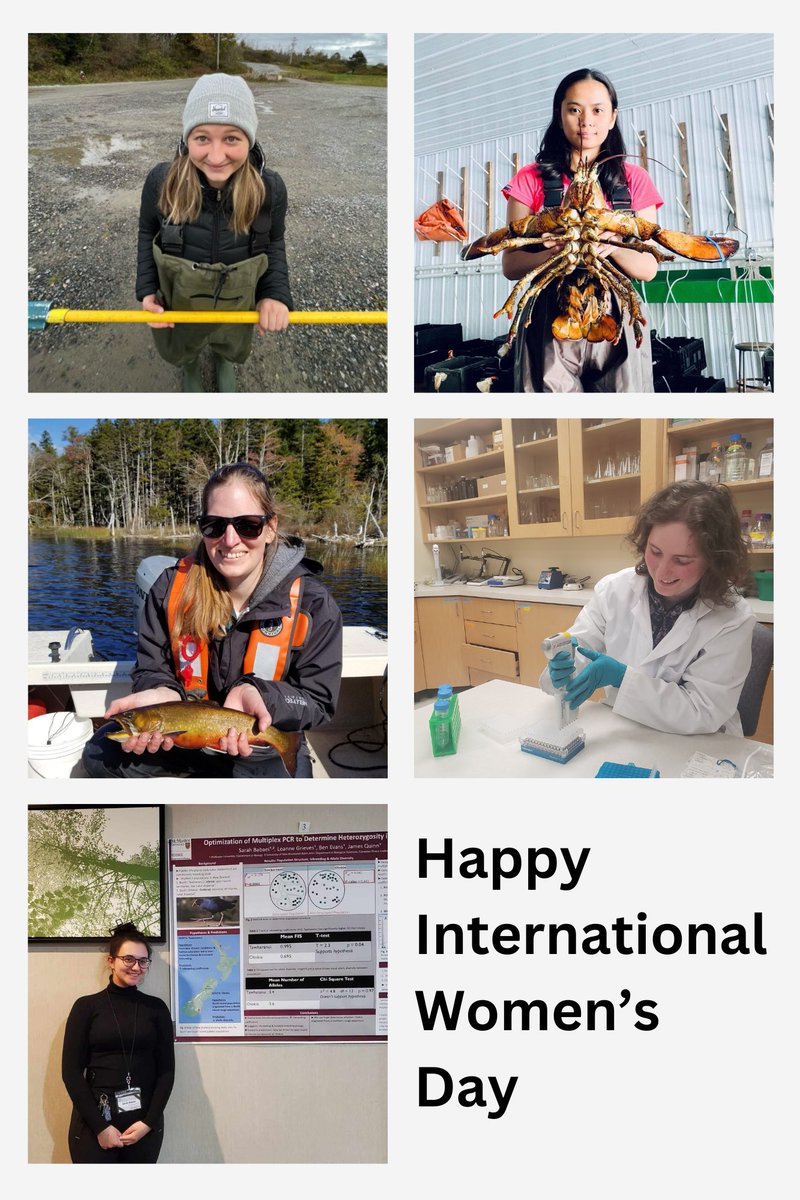
Congratulations Sarah Babaei (@5AAGCTT3)! She successfully defended her MSc. thesis "Determining population structure of cod (Gadus morhua) in a Newfoundland subdivision using next-generation sequencing"!
Congratulations to @rinaguxholli for successfully defending her MSc. thesis “Environmental DNA Applications: Developing Species-Specific Quantitative PCR Assays for 20 New Brunswick Freshwater Fishes”!
Congratulations to @MelK_Morrison on her excellent MSc. thesis defense “Investigating how seasonal changes alter wild juvenile Atlantic Salmon (Salmo salar) environmental DNA quantification in New Brunswick, Canada”!
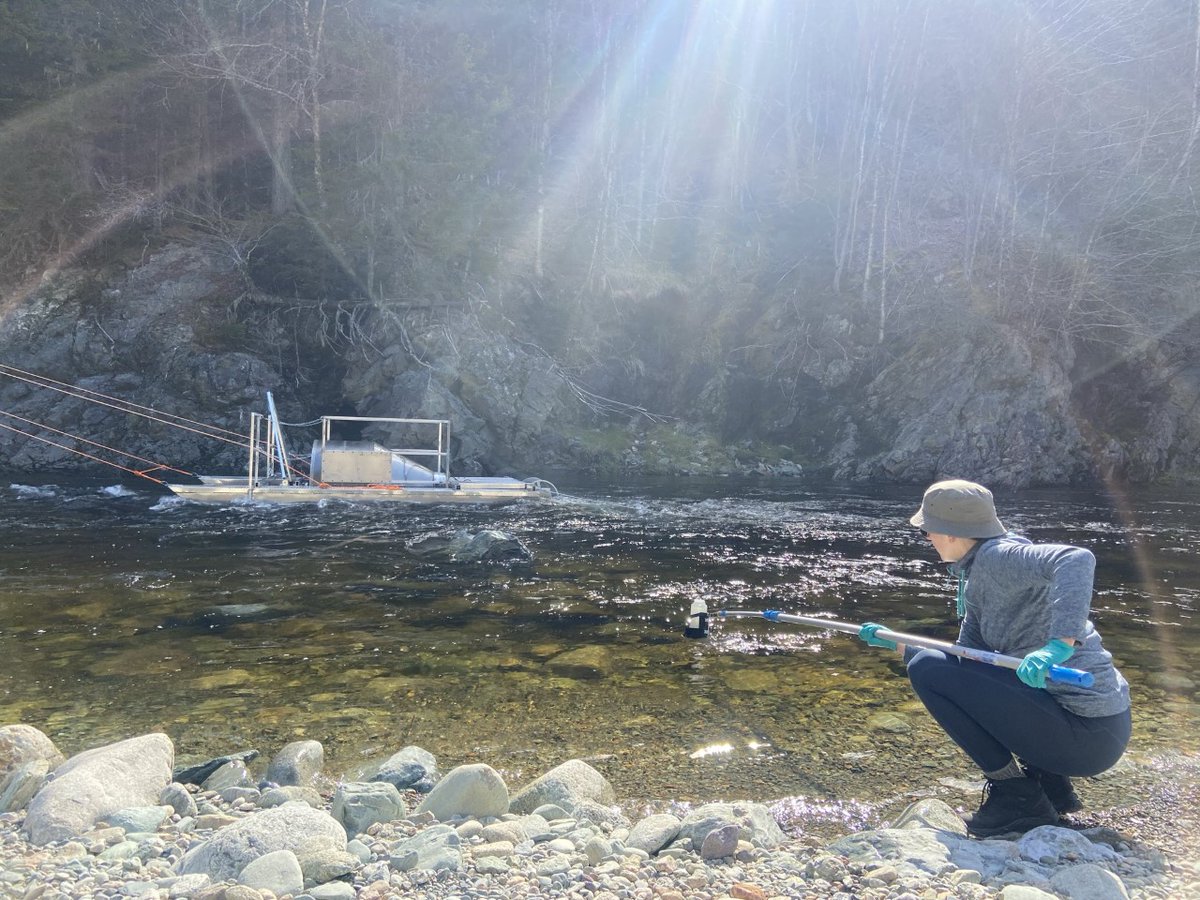
MSc candidate @MelK_Morrison collecting water samples which will be filtered and DNA extracted and amplified. The amount of Atlantic Salmon DNA present will be used to predict abundance at her sampling locations. #environmentalDNA
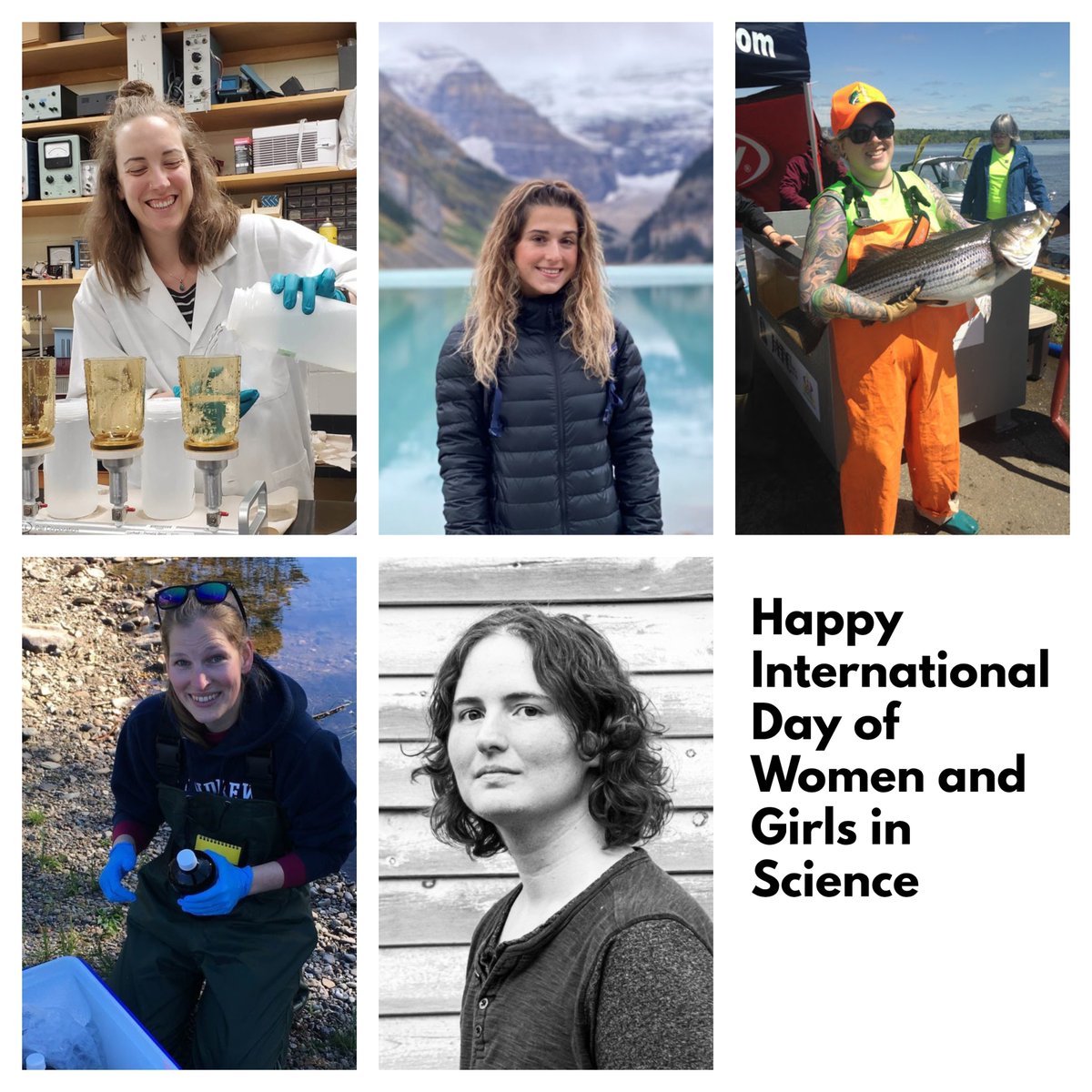
Congratulations Dr. Nathalie Leblanc! She successfully defended her Ph.D. “Developing Genomic Resources using Striped Bass (Morone saxatilis): Genetic Structure, Associations, and Text-Mining”
Congrats Postdoc Howard Huynh! @CRI_News, @UNBResearch, @UNB, @CRC_CRC, @nb_innovation This fierce-looking creature could be the only complete sea mink skin left of the extinct species | CBC News https://t.co/hspmwUGGAq
Congrats Nathalie Leblanc for research featured in the CBC @CRI_News, @UNBResearch, @UNB, @CRC_CRC, @nb_innovation 'Long lost' population of native St. John River striped bass may survive | CBC News https://t.co/wZz4oiBB6w