Of course, for example, the West Cork flying column might well have not survived the largest encircling operation launched against it if they did not have a guide to get them across bogland in Shehy Mountains (earlier shelled by the British) during the absolute darkness of night
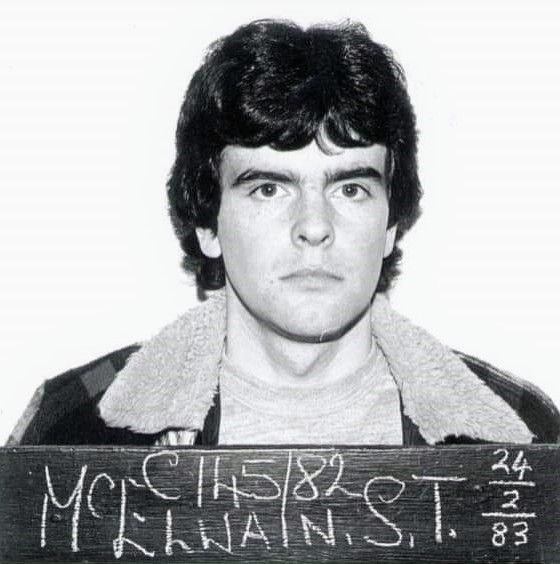
One thing to admire about Séamus McElwain was his fieldcraft. He understood and used nature, terrain quite well. This is probably a skill which is being lost as Ireland becomes a more urbanised society. One might note the compliment a British intel officer allegedly paid McElwain
"Jim Lynagh and Pádraig McKearney did not believe that sending Brits home in boxes would work, because the British Army was not a conscript army like the Americans in Vietnam. They [Lynagh and McKearney] were working on the basis that a radical departure had to be made. The idea
Above is doubtless a significant factor in how McElwain, with a small guerrilla force, was able to wage war as long as he did until being killed. South Fermanagh ceased to be particularly active after his death in 1986.
It was splendid on Aran. The island has the character and personality of a mute God. One is awed in its presence, breathing its air. Over it broods an overwhelming sense of great, noble tragedy. The Greeks would have liked it.
––Liam O'Flaherty
"It has always and eternally been affirmed among us the Irish, from age to age as well as daily custom, that there is no single thing that more powerfully works in our hearts to merit and win our love and affection than the natural love of the Homeland."-Ó Súilleabháin Béirre
Had he resided on Bere Island a century or two earlier, he would’ve entered Ireland’s national folklore collection as some sort of sage troll, called Fionnán for his hair reminiscent of moor grass in the autumn