@ShannonMFHill You are a dumbass for posting this. He said he could out debate trump supporters which he probably could 99% of them. I don't lean one way or the other but you act like a typical Trumper and most of the statements from them are less than educated.
@nicksortor He didn't say he could kick your ass physically you blithering idiots lol. He said he could beat Trump supporters in a debate which i don't lean one way or the other but he'd surely kick your dumbasses in that.
@_KucoinSOS@pr0_b0t30 I need help with my 2fa to as an American it is not letting me withdraw from kucoin to metamask or binance because I can't link my phone number and have til the 17th of Dec to do it please help!
Cardano may be the most decentralized blockchain and the most secure DeFi ecosystem on which $BTC will be used. Even #Bitcoin maximalists will be using #Cardano and may not even notice it.
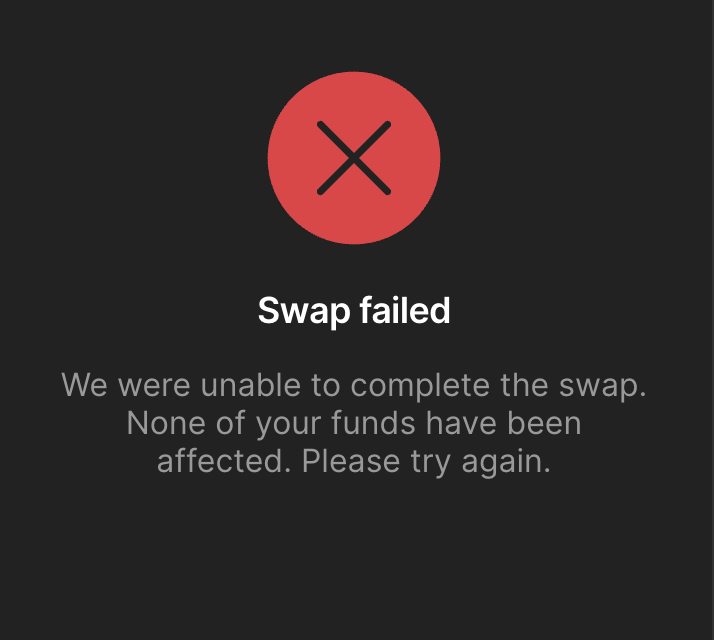
An enterprise level international blockchain should have 0 failed transactions if its to be used for anything of merit in the world. Blockchain shouldn't be roullete.
This publication has been against both ada and xrp a lot recently and with a goats insight into what's going on the the human world. they don't know shit about crypto they're vc funded to put fear into what's not their coin. If I'm wrong let me know.
https://t.co/6dONH8DLoq
Cardano has Solved so much more than just the Blockchain Trilemma!🥇
Tokenomics - 90% Retail
Decentralization - MAV 50+
Security - 0 $ADA Lost
Scalability - Leios & Hydra
Determinism - Local State
Functionality - Native Assets
Programmability - Plutus & Aiken
$10 $ADA 👑
The EDI Dashboard presents 7 distinct graphs, each showcasing the results for 7 prominent blockchains:
➡️#Bitcoin
➡️#BitcoinCash
➡️#Cardano
➡️#Ethereum
➡️#Litecoin
➡️#Tezos
➡️#ZCash
Let's look at the first four metrics.
The Nakamoto Coefficient is a measure of a blockchain’s decentralization.
It’s determined by counting the minimum number of entities that collectively produce more than 50% of the total blocks within a given timeframe.
The output of this metric is an integer.
A higher Nakamoto Coefficient signifies a higher level of decentralization.
Conversely, if the Nakamoto coefficient were 1, it would imply that a single entity, such as a single pool, produces more than half of all blocks in the network, indicating a high level of centralization.
The result refers to entities (nodes) that can produce blocks, irrespective of the resources that may be delegated to these entities by several other entities.
For instance, miners delegate hash-rate to Bitcoin pools. $ADA stakers delegate coins to Cardano pools.
See Figure 1.
Cardano, with a Nakamoto coefficient of 58, significantly surpasses other blockchains in this metric.
In comparison, Bitcoin and Ethereum have a significantly lower Nakamoto coefficient of just 2.
Tezos, with a coefficient of 7, comes in second place.
Community tools often report a Nakamoto coefficient of around 35, which is approximately half of what is reported for Cardano by the EDI dashboard.
This discrepancy between the scientists' results and the community tools warrants further investigation.
The Gini coefficient represents the degree of inequality in block production.
The output of the metric is a decimal number in [0,1].
Values close to 0 indicate equality (all entities in the system produce the same number of blocks) and values close to 1 indicate inequality (one entity produces most or all blocks).
In a perfect scenario of absolute equality, each node in the network would generate an equal number of blocks over the same timeframe and receive identical rewards.
However, this would necessitate a one-person-one-vote system, which is unattainable in a decentralized network.
The number of blocks produced by each entity is contingent on the resources it has at its disposal, whether owned directly or delegated to it.
It's noteworthy that a majority of blockchain networks naturally tend towards increased inequality.
See Figure 2.
Cardano topped this metric with a score of 0.906.
Tezos followed closely in second place, scoring 0.967.
Bitcoin secured the third position with a score of 0.974.
Entropy represents the expected amount of information in the distribution of blocks across entities.
The output of the metric is a real number. Typically, a higher value of entropy indicates higher decentralization (lower predictability).
In the context of blockchain networks, a higher entropy value is generally considered better for decentralization.
Entropy measures the unpredictability or randomness of data.
If the entropy is high, it means that the data is very random and therefore, it’s hard to predict.
If the entropy is high, it’s harder to predict which node will produce the next block.
This unpredictability contributes to the security and fairness of the network, as it prevents any single node from dominating the block production process.
It ensures that power and control are not concentrated in the hands of a few nodes, but are instead spread out across the network.
This is a key aspect of maintaining a healthy and robust decentralized system.
See Figure 3.
Cardano took first place with a value of 8.12. In second place is Tezos with a value of 5.28. Third is Bitcoin Cash with a value of 3.63.
The Herfindahl-Hirschman Index (HHI) is a measure of market concentration.
It is defined as the sum of the squares of the market shares (as whole numbers, e.g. 40 for 40%) of the entities in the system.
The output of the metric is a real number in (0, 10000).
Values close to 0 indicate low concentration (many entities produce a similar number of blocks) and values close to 10000 indicate high concentration (one entity produces most or all blocks).
The closer a market is to a monopoly, the higher the market’s concentration (and the lower its competition).
The U.S. Department of Justice has set the following thresholds for interpreting HHI values (in traditional markets):
➡️(0, 1500): Competitive market
➡️[1500, 2500]: Moderately concentrated market
➡️(2500, 10000): Highly concentrated market
In a regular market, as in decentralization, high competitiveness is a healthy and desirable characteristic.
See Figure 4.
Cardano, Tezos, and Bitcoin Cash, with values of 82.5, 604, and 1068 respectively, have emerged as the top performers.
Their networks exhibit high competitiveness, with numerous entities producing a comparable number of blocks.
In contrast, a moderate level of market concentration is observed in the case of other projects.
Cardano won in all metrics, a success that can be linked to its status as one of the newest PoS blockchain networks on the EDI Dashboard.
Bitcoin, being the oldest blockchain, showed the poorest results in certain metrics and was generally subpar in others.
Ethereum, a relatively older blockchain that transitioned from PoW to PoS, didn’t see substantial enhancements in decentralization following the switch.
For instance, the Nakamoto coefficient remained unchanged. The Herfindahl-Hirschman Index (HHI) even experienced a decline.
This result shows how significantly PoS networks can differ in decentralization.
Cardano has had PoS longer than Ethereum, yet the network is more decentralized.
Decentralization is not only about network consensus.
Other aspects are important.
For example, in governance, Cardano might not be at its best because of Genesis keys.
However, the IOG team will address this shortcoming, so Cardano will improve in this metric over time, similar to the significant improvement seen after the Shelley hardfork that brought staking.
Metrics related to governance are not yet available in the EDI dashboard.
I think if @elonmusk wants to offer true freedom in social tech, it must be #decentralized. #cardano would be a great place to start for XMail, even elements of X. Must be done.
Do you know what #Cardano has solved?
Common blockchain : Cardano
failed TXs -> always successful TXs
third-party staking -> liquid staking
freezing accounts -> native assets
high fees -> low fees
restarts of network -> no restart
unpredictable fees -> predictable fees
ghost chains -> hard-fork combinator
low decentralization -> high decentralization
many hacks in DeFi -> no hacks
A top 5 crypto has shut down and transactions have been paused for hours now.
It's something worth paying attention to while formulating your long term plan in the crypto space.


![JaromirTesar's tweet photo. The EDI Dashboard presents 7 distinct graphs, each showcasing the results for 7 prominent blockchains:
➡️#Bitcoin
➡️#BitcoinCash
➡️#Cardano
➡️#Ethereum
➡️#Litecoin
➡️#Tezos
➡️#ZCash
Let's look at the first four metrics.
The Nakamoto Coefficient is a measure of a blockchain’s decentralization.
It’s determined by counting the minimum number of entities that collectively produce more than 50% of the total blocks within a given timeframe.
The output of this metric is an integer.
A higher Nakamoto Coefficient signifies a higher level of decentralization.
Conversely, if the Nakamoto coefficient were 1, it would imply that a single entity, such as a single pool, produces more than half of all blocks in the network, indicating a high level of centralization.
The result refers to entities (nodes) that can produce blocks, irrespective of the resources that may be delegated to these entities by several other entities.
For instance, miners delegate hash-rate to Bitcoin pools. $ADA stakers delegate coins to Cardano pools.
See Figure 1.
Cardano, with a Nakamoto coefficient of 58, significantly surpasses other blockchains in this metric.
In comparison, Bitcoin and Ethereum have a significantly lower Nakamoto coefficient of just 2.
Tezos, with a coefficient of 7, comes in second place.
Community tools often report a Nakamoto coefficient of around 35, which is approximately half of what is reported for Cardano by the EDI dashboard.
This discrepancy between the scientists' results and the community tools warrants further investigation.
The Gini coefficient represents the degree of inequality in block production.
The output of the metric is a decimal number in [0,1].
Values close to 0 indicate equality (all entities in the system produce the same number of blocks) and values close to 1 indicate inequality (one entity produces most or all blocks).
In a perfect scenario of absolute equality, each node in the network would generate an equal number of blocks over the same timeframe and receive identical rewards.
However, this would necessitate a one-person-one-vote system, which is unattainable in a decentralized network.
The number of blocks produced by each entity is contingent on the resources it has at its disposal, whether owned directly or delegated to it.
It's noteworthy that a majority of blockchain networks naturally tend towards increased inequality.
See Figure 2.
Cardano topped this metric with a score of 0.906.
Tezos followed closely in second place, scoring 0.967.
Bitcoin secured the third position with a score of 0.974.
Entropy represents the expected amount of information in the distribution of blocks across entities.
The output of the metric is a real number. Typically, a higher value of entropy indicates higher decentralization (lower predictability).
In the context of blockchain networks, a higher entropy value is generally considered better for decentralization.
Entropy measures the unpredictability or randomness of data.
If the entropy is high, it means that the data is very random and therefore, it’s hard to predict.
If the entropy is high, it’s harder to predict which node will produce the next block.
This unpredictability contributes to the security and fairness of the network, as it prevents any single node from dominating the block production process.
It ensures that power and control are not concentrated in the hands of a few nodes, but are instead spread out across the network.
This is a key aspect of maintaining a healthy and robust decentralized system.
See Figure 3.
Cardano took first place with a value of 8.12. In second place is Tezos with a value of 5.28. Third is Bitcoin Cash with a value of 3.63.
The Herfindahl-Hirschman Index (HHI) is a measure of market concentration.
It is defined as the sum of the squares of the market shares (as whole numbers, e.g. 40 for 40%) of the entities in the system.
The output of the metric is a real number in (0, 10000).
Values close to 0 indicate low concentration (many entities produce a similar number of blocks) and values close to 10000 indicate high concentration (one entity produces most or all blocks).
The closer a market is to a monopoly, the higher the market’s concentration (and the lower its competition).
The U.S. Department of Justice has set the following thresholds for interpreting HHI values (in traditional markets):
➡️(0, 1500): Competitive market
➡️[1500, 2500]: Moderately concentrated market
➡️(2500, 10000): Highly concentrated market
In a regular market, as in decentralization, high competitiveness is a healthy and desirable characteristic.
See Figure 4.
Cardano, Tezos, and Bitcoin Cash, with values of 82.5, 604, and 1068 respectively, have emerged as the top performers.
Their networks exhibit high competitiveness, with numerous entities producing a comparable number of blocks.
In contrast, a moderate level of market concentration is observed in the case of other projects.
Cardano won in all metrics, a success that can be linked to its status as one of the newest PoS blockchain networks on the EDI Dashboard.
Bitcoin, being the oldest blockchain, showed the poorest results in certain metrics and was generally subpar in others.
Ethereum, a relatively older blockchain that transitioned from PoW to PoS, didn’t see substantial enhancements in decentralization following the switch.
For instance, the Nakamoto coefficient remained unchanged. The Herfindahl-Hirschman Index (HHI) even experienced a decline.
This result shows how significantly PoS networks can differ in decentralization.
Cardano has had PoS longer than Ethereum, yet the network is more decentralized.
Decentralization is not only about network consensus.
Other aspects are important.
For example, in governance, Cardano might not be at its best because of Genesis keys.
However, the IOG team will address this shortcoming, so Cardano will improve in this metric over time, similar to the significant improvement seen after the Shelley hardfork that brought staking.
Metrics related to governance are not yet available in the EDI dashboard.](https://pbs.twimg.com/media/GH1KNe-XEAALl0f.jpg)
![JaromirTesar's tweet photo. The EDI Dashboard presents 7 distinct graphs, each showcasing the results for 7 prominent blockchains:
➡️#Bitcoin
➡️#BitcoinCash
➡️#Cardano
➡️#Ethereum
➡️#Litecoin
➡️#Tezos
➡️#ZCash
Let's look at the first four metrics.
The Nakamoto Coefficient is a measure of a blockchain’s decentralization.
It’s determined by counting the minimum number of entities that collectively produce more than 50% of the total blocks within a given timeframe.
The output of this metric is an integer.
A higher Nakamoto Coefficient signifies a higher level of decentralization.
Conversely, if the Nakamoto coefficient were 1, it would imply that a single entity, such as a single pool, produces more than half of all blocks in the network, indicating a high level of centralization.
The result refers to entities (nodes) that can produce blocks, irrespective of the resources that may be delegated to these entities by several other entities.
For instance, miners delegate hash-rate to Bitcoin pools. $ADA stakers delegate coins to Cardano pools.
See Figure 1.
Cardano, with a Nakamoto coefficient of 58, significantly surpasses other blockchains in this metric.
In comparison, Bitcoin and Ethereum have a significantly lower Nakamoto coefficient of just 2.
Tezos, with a coefficient of 7, comes in second place.
Community tools often report a Nakamoto coefficient of around 35, which is approximately half of what is reported for Cardano by the EDI dashboard.
This discrepancy between the scientists' results and the community tools warrants further investigation.
The Gini coefficient represents the degree of inequality in block production.
The output of the metric is a decimal number in [0,1].
Values close to 0 indicate equality (all entities in the system produce the same number of blocks) and values close to 1 indicate inequality (one entity produces most or all blocks).
In a perfect scenario of absolute equality, each node in the network would generate an equal number of blocks over the same timeframe and receive identical rewards.
However, this would necessitate a one-person-one-vote system, which is unattainable in a decentralized network.
The number of blocks produced by each entity is contingent on the resources it has at its disposal, whether owned directly or delegated to it.
It's noteworthy that a majority of blockchain networks naturally tend towards increased inequality.
See Figure 2.
Cardano topped this metric with a score of 0.906.
Tezos followed closely in second place, scoring 0.967.
Bitcoin secured the third position with a score of 0.974.
Entropy represents the expected amount of information in the distribution of blocks across entities.
The output of the metric is a real number. Typically, a higher value of entropy indicates higher decentralization (lower predictability).
In the context of blockchain networks, a higher entropy value is generally considered better for decentralization.
Entropy measures the unpredictability or randomness of data.
If the entropy is high, it means that the data is very random and therefore, it’s hard to predict.
If the entropy is high, it’s harder to predict which node will produce the next block.
This unpredictability contributes to the security and fairness of the network, as it prevents any single node from dominating the block production process.
It ensures that power and control are not concentrated in the hands of a few nodes, but are instead spread out across the network.
This is a key aspect of maintaining a healthy and robust decentralized system.
See Figure 3.
Cardano took first place with a value of 8.12. In second place is Tezos with a value of 5.28. Third is Bitcoin Cash with a value of 3.63.
The Herfindahl-Hirschman Index (HHI) is a measure of market concentration.
It is defined as the sum of the squares of the market shares (as whole numbers, e.g. 40 for 40%) of the entities in the system.
The output of the metric is a real number in (0, 10000).
Values close to 0 indicate low concentration (many entities produce a similar number of blocks) and values close to 10000 indicate high concentration (one entity produces most or all blocks).
The closer a market is to a monopoly, the higher the market’s concentration (and the lower its competition).
The U.S. Department of Justice has set the following thresholds for interpreting HHI values (in traditional markets):
➡️(0, 1500): Competitive market
➡️[1500, 2500]: Moderately concentrated market
➡️(2500, 10000): Highly concentrated market
In a regular market, as in decentralization, high competitiveness is a healthy and desirable characteristic.
See Figure 4.
Cardano, Tezos, and Bitcoin Cash, with values of 82.5, 604, and 1068 respectively, have emerged as the top performers.
Their networks exhibit high competitiveness, with numerous entities producing a comparable number of blocks.
In contrast, a moderate level of market concentration is observed in the case of other projects.
Cardano won in all metrics, a success that can be linked to its status as one of the newest PoS blockchain networks on the EDI Dashboard.
Bitcoin, being the oldest blockchain, showed the poorest results in certain metrics and was generally subpar in others.
Ethereum, a relatively older blockchain that transitioned from PoW to PoS, didn’t see substantial enhancements in decentralization following the switch.
For instance, the Nakamoto coefficient remained unchanged. The Herfindahl-Hirschman Index (HHI) even experienced a decline.
This result shows how significantly PoS networks can differ in decentralization.
Cardano has had PoS longer than Ethereum, yet the network is more decentralized.
Decentralization is not only about network consensus.
Other aspects are important.
For example, in governance, Cardano might not be at its best because of Genesis keys.
However, the IOG team will address this shortcoming, so Cardano will improve in this metric over time, similar to the significant improvement seen after the Shelley hardfork that brought staking.
Metrics related to governance are not yet available in the EDI dashboard.](https://pbs.twimg.com/media/GH1KLDbWgAAjL1l.jpg)
![JaromirTesar's tweet photo. The EDI Dashboard presents 7 distinct graphs, each showcasing the results for 7 prominent blockchains:
➡️#Bitcoin
➡️#BitcoinCash
➡️#Cardano
➡️#Ethereum
➡️#Litecoin
➡️#Tezos
➡️#ZCash
Let's look at the first four metrics.
The Nakamoto Coefficient is a measure of a blockchain’s decentralization.
It’s determined by counting the minimum number of entities that collectively produce more than 50% of the total blocks within a given timeframe.
The output of this metric is an integer.
A higher Nakamoto Coefficient signifies a higher level of decentralization.
Conversely, if the Nakamoto coefficient were 1, it would imply that a single entity, such as a single pool, produces more than half of all blocks in the network, indicating a high level of centralization.
The result refers to entities (nodes) that can produce blocks, irrespective of the resources that may be delegated to these entities by several other entities.
For instance, miners delegate hash-rate to Bitcoin pools. $ADA stakers delegate coins to Cardano pools.
See Figure 1.
Cardano, with a Nakamoto coefficient of 58, significantly surpasses other blockchains in this metric.
In comparison, Bitcoin and Ethereum have a significantly lower Nakamoto coefficient of just 2.
Tezos, with a coefficient of 7, comes in second place.
Community tools often report a Nakamoto coefficient of around 35, which is approximately half of what is reported for Cardano by the EDI dashboard.
This discrepancy between the scientists' results and the community tools warrants further investigation.
The Gini coefficient represents the degree of inequality in block production.
The output of the metric is a decimal number in [0,1].
Values close to 0 indicate equality (all entities in the system produce the same number of blocks) and values close to 1 indicate inequality (one entity produces most or all blocks).
In a perfect scenario of absolute equality, each node in the network would generate an equal number of blocks over the same timeframe and receive identical rewards.
However, this would necessitate a one-person-one-vote system, which is unattainable in a decentralized network.
The number of blocks produced by each entity is contingent on the resources it has at its disposal, whether owned directly or delegated to it.
It's noteworthy that a majority of blockchain networks naturally tend towards increased inequality.
See Figure 2.
Cardano topped this metric with a score of 0.906.
Tezos followed closely in second place, scoring 0.967.
Bitcoin secured the third position with a score of 0.974.
Entropy represents the expected amount of information in the distribution of blocks across entities.
The output of the metric is a real number. Typically, a higher value of entropy indicates higher decentralization (lower predictability).
In the context of blockchain networks, a higher entropy value is generally considered better for decentralization.
Entropy measures the unpredictability or randomness of data.
If the entropy is high, it means that the data is very random and therefore, it’s hard to predict.
If the entropy is high, it’s harder to predict which node will produce the next block.
This unpredictability contributes to the security and fairness of the network, as it prevents any single node from dominating the block production process.
It ensures that power and control are not concentrated in the hands of a few nodes, but are instead spread out across the network.
This is a key aspect of maintaining a healthy and robust decentralized system.
See Figure 3.
Cardano took first place with a value of 8.12. In second place is Tezos with a value of 5.28. Third is Bitcoin Cash with a value of 3.63.
The Herfindahl-Hirschman Index (HHI) is a measure of market concentration.
It is defined as the sum of the squares of the market shares (as whole numbers, e.g. 40 for 40%) of the entities in the system.
The output of the metric is a real number in (0, 10000).
Values close to 0 indicate low concentration (many entities produce a similar number of blocks) and values close to 10000 indicate high concentration (one entity produces most or all blocks).
The closer a market is to a monopoly, the higher the market’s concentration (and the lower its competition).
The U.S. Department of Justice has set the following thresholds for interpreting HHI values (in traditional markets):
➡️(0, 1500): Competitive market
➡️[1500, 2500]: Moderately concentrated market
➡️(2500, 10000): Highly concentrated market
In a regular market, as in decentralization, high competitiveness is a healthy and desirable characteristic.
See Figure 4.
Cardano, Tezos, and Bitcoin Cash, with values of 82.5, 604, and 1068 respectively, have emerged as the top performers.
Their networks exhibit high competitiveness, with numerous entities producing a comparable number of blocks.
In contrast, a moderate level of market concentration is observed in the case of other projects.
Cardano won in all metrics, a success that can be linked to its status as one of the newest PoS blockchain networks on the EDI Dashboard.
Bitcoin, being the oldest blockchain, showed the poorest results in certain metrics and was generally subpar in others.
Ethereum, a relatively older blockchain that transitioned from PoW to PoS, didn’t see substantial enhancements in decentralization following the switch.
For instance, the Nakamoto coefficient remained unchanged. The Herfindahl-Hirschman Index (HHI) even experienced a decline.
This result shows how significantly PoS networks can differ in decentralization.
Cardano has had PoS longer than Ethereum, yet the network is more decentralized.
Decentralization is not only about network consensus.
Other aspects are important.
For example, in governance, Cardano might not be at its best because of Genesis keys.
However, the IOG team will address this shortcoming, so Cardano will improve in this metric over time, similar to the significant improvement seen after the Shelley hardfork that brought staking.
Metrics related to governance are not yet available in the EDI dashboard.](https://pbs.twimg.com/media/GH1KImmXAAABdYQ.jpg)





![JaromirTesar's tweet photo. The EDI Dashboard presents 7 distinct graphs, each showcasing the results for 7 prominent blockchains:
➡️#Bitcoin
➡️#BitcoinCash
➡️#Cardano
➡️#Ethereum
➡️#Litecoin
➡️#Tezos
➡️#ZCash
Let's look at the first four metrics.
The Nakamoto Coefficient is a measure of a blockchain’s decentralization.
It’s determined by counting the minimum number of entities that collectively produce more than 50% of the total blocks within a given timeframe.
The output of this metric is an integer.
A higher Nakamoto Coefficient signifies a higher level of decentralization.
Conversely, if the Nakamoto coefficient were 1, it would imply that a single entity, such as a single pool, produces more than half of all blocks in the network, indicating a high level of centralization.
The result refers to entities (nodes) that can produce blocks, irrespective of the resources that may be delegated to these entities by several other entities.
For instance, miners delegate hash-rate to Bitcoin pools. $ADA stakers delegate coins to Cardano pools.
See Figure 1.
Cardano, with a Nakamoto coefficient of 58, significantly surpasses other blockchains in this metric.
In comparison, Bitcoin and Ethereum have a significantly lower Nakamoto coefficient of just 2.
Tezos, with a coefficient of 7, comes in second place.
Community tools often report a Nakamoto coefficient of around 35, which is approximately half of what is reported for Cardano by the EDI dashboard.
This discrepancy between the scientists' results and the community tools warrants further investigation.
The Gini coefficient represents the degree of inequality in block production.
The output of the metric is a decimal number in [0,1].
Values close to 0 indicate equality (all entities in the system produce the same number of blocks) and values close to 1 indicate inequality (one entity produces most or all blocks).
In a perfect scenario of absolute equality, each node in the network would generate an equal number of blocks over the same timeframe and receive identical rewards.
However, this would necessitate a one-person-one-vote system, which is unattainable in a decentralized network.
The number of blocks produced by each entity is contingent on the resources it has at its disposal, whether owned directly or delegated to it.
It's noteworthy that a majority of blockchain networks naturally tend towards increased inequality.
See Figure 2.
Cardano topped this metric with a score of 0.906.
Tezos followed closely in second place, scoring 0.967.
Bitcoin secured the third position with a score of 0.974.
Entropy represents the expected amount of information in the distribution of blocks across entities.
The output of the metric is a real number. Typically, a higher value of entropy indicates higher decentralization (lower predictability).
In the context of blockchain networks, a higher entropy value is generally considered better for decentralization.
Entropy measures the unpredictability or randomness of data.
If the entropy is high, it means that the data is very random and therefore, it’s hard to predict.
If the entropy is high, it’s harder to predict which node will produce the next block.
This unpredictability contributes to the security and fairness of the network, as it prevents any single node from dominating the block production process.
It ensures that power and control are not concentrated in the hands of a few nodes, but are instead spread out across the network.
This is a key aspect of maintaining a healthy and robust decentralized system.
See Figure 3.
Cardano took first place with a value of 8.12. In second place is Tezos with a value of 5.28. Third is Bitcoin Cash with a value of 3.63.
The Herfindahl-Hirschman Index (HHI) is a measure of market concentration.
It is defined as the sum of the squares of the market shares (as whole numbers, e.g. 40 for 40%) of the entities in the system.
The output of the metric is a real number in (0, 10000).
Values close to 0 indicate low concentration (many entities produce a similar number of blocks) and values close to 10000 indicate high concentration (one entity produces most or all blocks).
The closer a market is to a monopoly, the higher the market’s concentration (and the lower its competition).
The U.S. Department of Justice has set the following thresholds for interpreting HHI values (in traditional markets):
➡️(0, 1500): Competitive market
➡️[1500, 2500]: Moderately concentrated market
➡️(2500, 10000): Highly concentrated market
In a regular market, as in decentralization, high competitiveness is a healthy and desirable characteristic.
See Figure 4.
Cardano, Tezos, and Bitcoin Cash, with values of 82.5, 604, and 1068 respectively, have emerged as the top performers.
Their networks exhibit high competitiveness, with numerous entities producing a comparable number of blocks.
In contrast, a moderate level of market concentration is observed in the case of other projects.
Cardano won in all metrics, a success that can be linked to its status as one of the newest PoS blockchain networks on the EDI Dashboard.
Bitcoin, being the oldest blockchain, showed the poorest results in certain metrics and was generally subpar in others.
Ethereum, a relatively older blockchain that transitioned from PoW to PoS, didn’t see substantial enhancements in decentralization following the switch.
For instance, the Nakamoto coefficient remained unchanged. The Herfindahl-Hirschman Index (HHI) even experienced a decline.
This result shows how significantly PoS networks can differ in decentralization.
Cardano has had PoS longer than Ethereum, yet the network is more decentralized.
Decentralization is not only about network consensus.
Other aspects are important.
For example, in governance, Cardano might not be at its best because of Genesis keys.
However, the IOG team will address this shortcoming, so Cardano will improve in this metric over time, similar to the significant improvement seen after the Shelley hardfork that brought staking.
Metrics related to governance are not yet available in the EDI dashboard.](https://pbs.twimg.com/media/GH1KPi0WsAAMBA6.jpg)


