If you're a medical student and you do not have these apps on your phone, then I genuinely don't know what you're doing.
The first is NotebookLM.
NotebookLM is, in my opinion, the best AI tool for studying.
You can upload your lecture slides and have it explain them to you.
You can generate audio overviews and listen to your lectures like a podcast.
You can create flashcards.
You can create mind maps for pathways and processes in biochemistry.
You can ask it questions directly from your slides.
You can practically use it as a cloud library for your entire semester.
Instead of carrying dozens of PDFs around and struggling to find information, you can simply upload everything and interact with your notes.
If you don't know about NotebookLM, then you are missing one of the most useful study tools available to medical students today.
The second app is Anki.
If you don't have Anki on your phone, especially as a medical student, then you're making life unnecessarily difficult for yourself.
Medicine is too voluminous to rely on rereading alone.
You need a system that helps you remember.
That system is Anki.
Anki uses spaced repetition to bring information back just before you're likely to forget it.
That is why it works.
Anatomy.
Physiology.
Biochemistry.
Everything becomes easier when you have a structured recall system.
Anki is not an app you open once a week.
It is an app you open every day.
The students who consistently remember information are usually the students who consistently review information.
The third app is Google Sheets or Microsoft Excel.
And before you ask, "Am I working in an office?"
No.
You're building systems.
Many students spend hours manually creating flashcards because they don't know how powerful spreadsheets can be.
I use Google Sheets to mass-produce flashcards.
For example, I can take a slide, send it to AI, and tell it to generate flashcards.
One column becomes the front.
Another column becomes the back.
I paste both into Google Sheets.
Export it as a CSV file.
Import it into Anki.
Done.
Instead of creating twenty flashcards manually, I can create hundreds in minutes.
If you're creating flashcards regularly and you don't have Google Sheets on your phone, you're probably wasting a lot of time.
The fourth app is Gemini.
Not because it is necessarily the strongest AI.
But because of practicality.
Gemini allows you to upload large numbers of files.
It handles documents very well.
It is excellent for breaking down difficult concepts, organizing information, and helping you work through large amounts of study material.
Sometimes NotebookLM and Gemini work together.
NotebookLM becomes the study environment.
Gemini becomes the assistant helping me process information.
And that combination is extremely powerful.
So if I were setting up the phone of a serious medical student today, these are the first apps I would install:
1. NotebookLM
2. Anki
3. Google Sheets (or Excel)
4. Gemini
You don't need fifty study apps.
You need a few powerful ones and a system for using them.
The students who perform best are not always the students who study the longest.
Sometimes they are simply the students with the best systems.
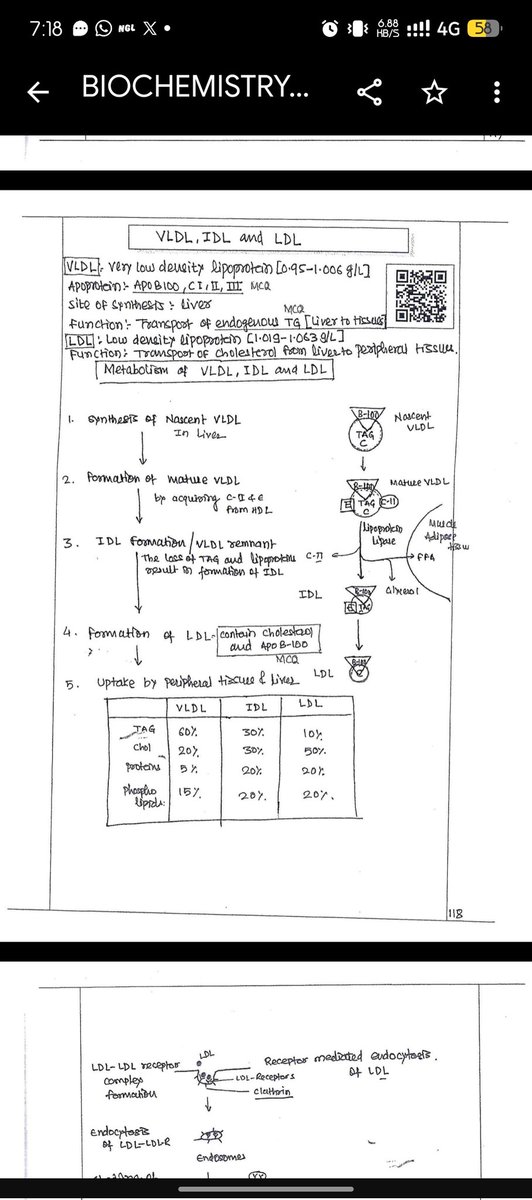
If you're in preclinicals or preparing for MB exams and Medical Biochemistry is giving you headaches, I strongly recommend checking out this textbook on Z-Library.
It explains concepts in a much simpler way and has been very helpful for many medical students.
If you'd like me to send you a copy on WhatsApp, let me know in the comment section and I'll reach out.
Which Biochemistry topic do you currently find the most difficult?
Everything I do is FREE for you.
1. Watch my FREE Youtube content
2. Get FREE accounts from watching my Livestreams
3. Earn from Clipping my content
4. FREE Discord in bio
Studio Photoshoot using GPT Image 2 on ChatGPT
Prompt:
Create image Create a high-end studio fashion portrait inspired by the uploaded blue-background reference photograph. Recreate the original composition with matching framing, focal length feel, camera position, subject scale, perspective, and overall visual balance while maintaining a realistic photographic appearance.
Replace the reference model with a beautiful young Japanese/Korean woman. Preserve authentic East Asian facial features, natural proportions, realistic skin texture, eye shape, facial structure, and cultural authenticity. Avoid exaggerated beauty filters, unrealistic facial modifications, or doll-like features. Maintain a natural, believable fashion-model appearance.
Match the original body language closely: upper torso visible, shoulders relaxed, chin slightly elevated, eyes directed upward beyond the camera, conveying quiet confidence, sophistication, and contemplation. Maintain the same sense of presence and spatial positioning within the frame.
Retain the rich cobalt-blue studio backdrop and the refined editorial atmosphere. Reproduce the original lighting setup with soft directional illumination, subtle facial highlights, realistic reflections on eyewear and jewelry, and smooth shadow transitions around the jawline, neck, and clothing folds. Preserve depth, dimensionality, and professional studio realism.
Appearance:
Young Japanese/Korean woman in her early-to-mid 20s
Clear luminous skin with natural texture
Soft almond-shaped eyes
Elegant facial structure
Healthy natural makeup with subtle editorial refinement
Glossy neutral lips
Long dark hair styled in soft layers or gentle waves
Sophisticated yet approachable expression
Style the model in contemporary luxury street-fashion apparel. Use an oversized premium knit sweater, relaxed-fit sweatshirt, or fashion-forward minimalist streetwear silhouette with natural fabric draping. Layer with a delicate silver necklace, subtle rings, and lightly tinted translucent eyewear. Wardrobe should feel premium, modern, and suitable for a luxury fashion campaign.
Keep the image tightly composed with the same portrait crop and subject placement. Ensure identical camera-to-subject distance and visual weight in the frame. The final result should feel indistinguishable from a genuine professional fashion photoshoot captured in this exact studio environment.
Photorealistic editorial photography, luxury fashion campaign, premium Korean/Japanese streetwear styling, deep monochromatic blue backdrop, realistic skin texture, subtle film-grade contrast, detailed fabric rendering, natural lighting falloff, commercial advertising quality, shallow depth of field, magazine-cover aesthetics, fashion-editorial realism, luxury street-fashion branding.
Negative Prompt:
Do not alter the background color or studio environment. Do not change the framing, crop, perspective, subject distance, or lighting direction. Avoid anime styling, illustration effects, CGI appearance, excessive retouching, artificial skin smoothing, exaggerated facial features, unrealistic eye size, porcelain skin effect, text overlays, logos, watermarks, duplicate subjects, distorted anatomy, extra limbs, or unrealistic clothing physics.
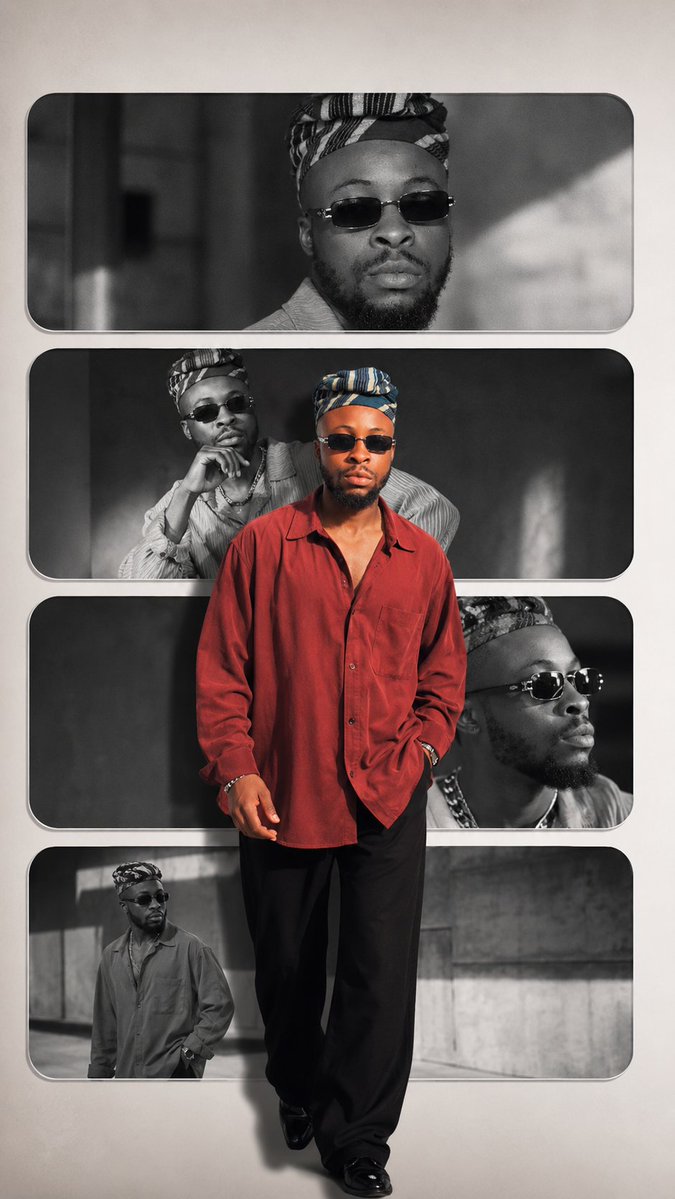
Your AI generated pictures look nothing like you because you are skipping the most important step.
Here’s how to fix it in 4 steps and finally get AI images that actually look like YOU. 🧵👇
These are not done by photographer or any special edit. Ai did it and if you want something like this check comment section..
Note: use Gemini or Chatgpt
🔔 Novaex AI | Why are more and more people beginning to rethink NEX?
Most tokens derive their value from market trading
But in the AI era, more and more people are starting to wonder:
If a token can participate in the ecosystem's operation will its value logic change?
✅ Novaex AI is exploring the integration of AI and the crypto ecosystem
📈 In the future, in addition to its circulation attributes NEX will gradually integrate into AI ecosystem applications and staking scenarios
#Web3 #Blockchain #Crypto #DeFi #AI #CryptoNews #BlockchainTechnology #Web3Community #AsiaCrypto #Novaexai
“Trading has evolved past price action support and resistance” 🤡🤡
There is nothing beyond Price action and candlesticks aside a few made up names and labeling.
No worry, you’ll learn when you grow.