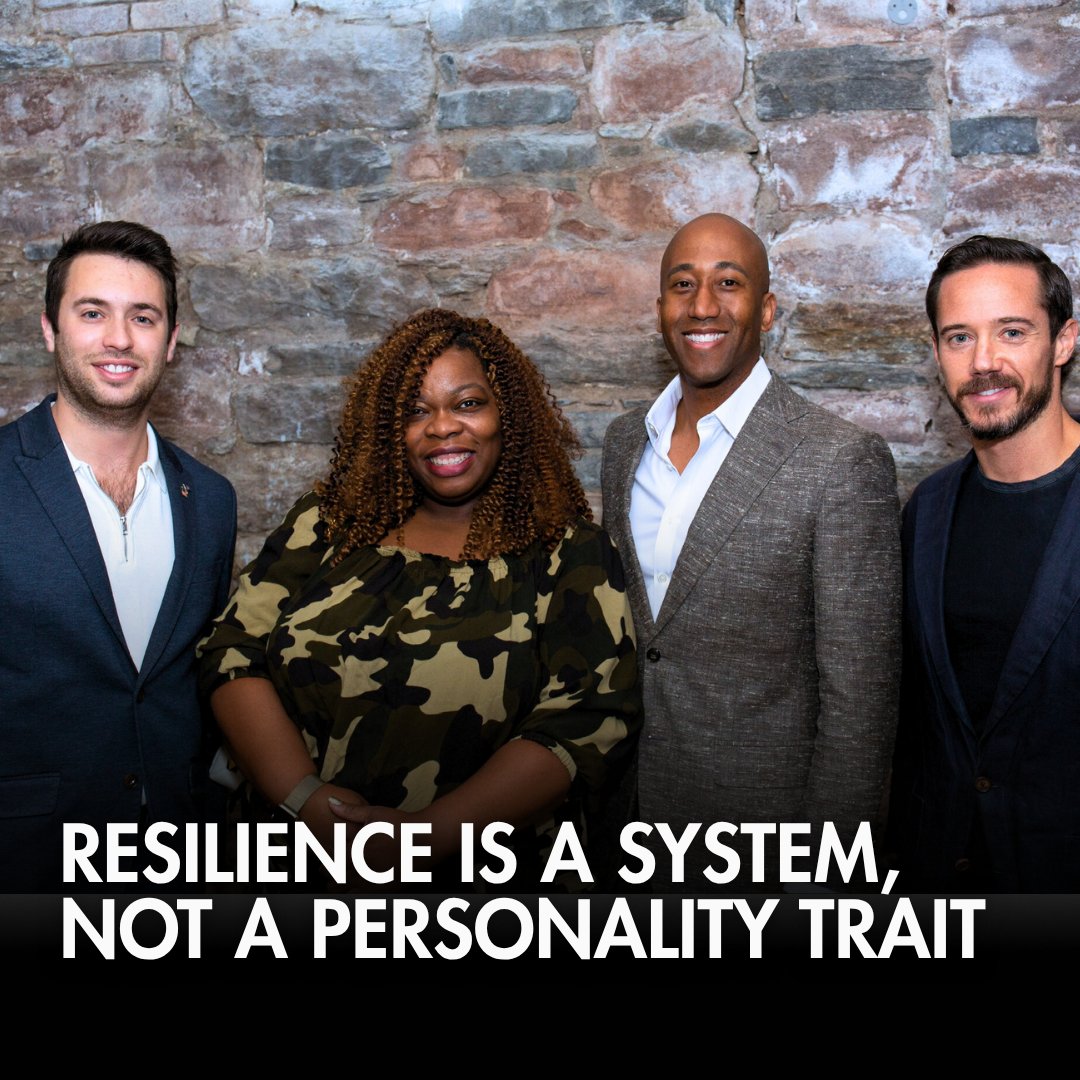
Resilience isn’t a trait. It’s a system.
The most steady people I know aren’t grittier. They’re better designed with buffers, boundaries, and backups that make capacity sustainable.
New piece here → https://t.co/70ZKZXx3r6
#ResilienceDesign#LeadershipSystems
Friendly reminder: Back-to-back meetings aren’t the problem. Jumping from strategy to spreadsheets to tension to hiring — without pause — is. Leadership needs context, not just time.
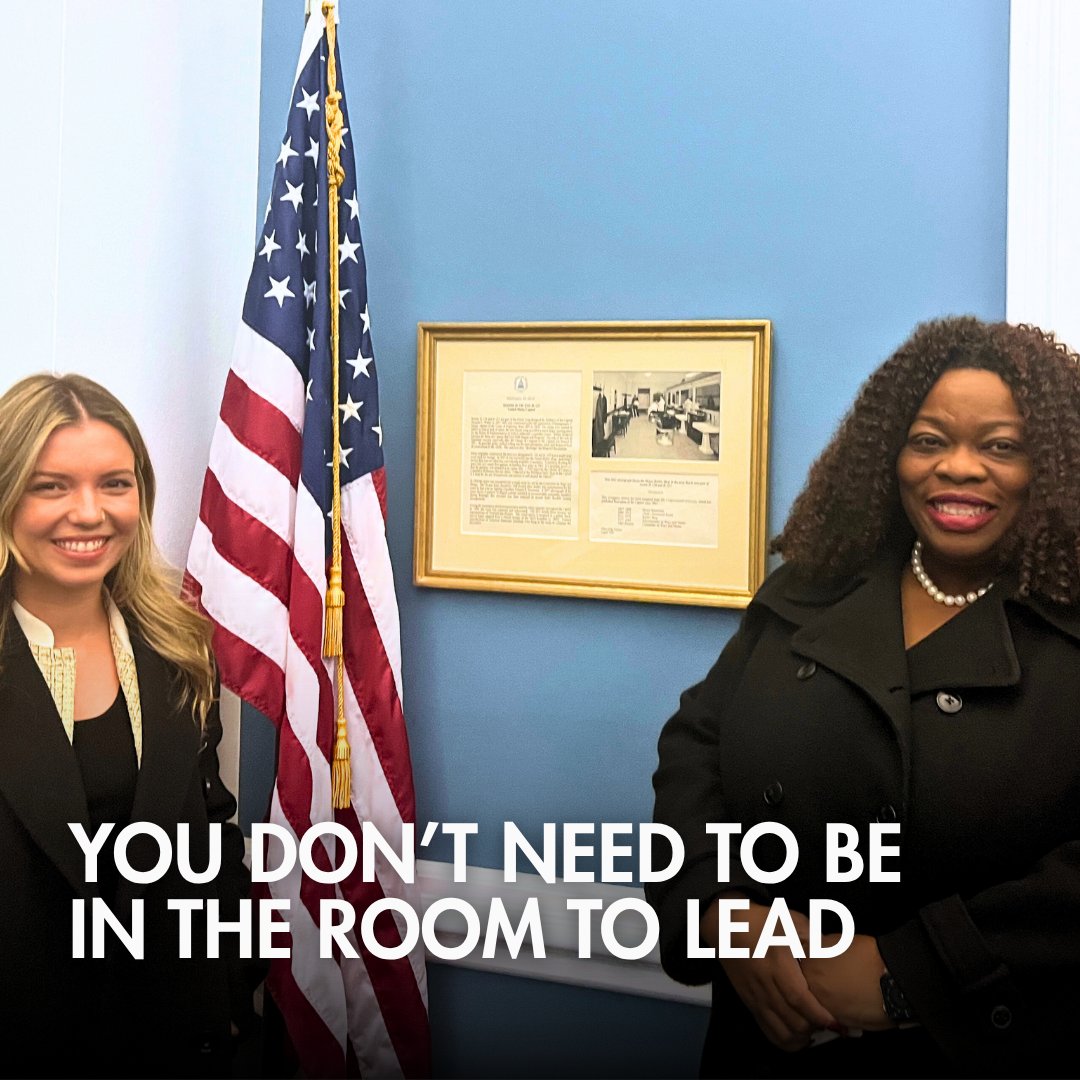
You don’t need to be in the room to lead. You need to be legible.
New article on why leadership has shifted from presence to process & how the best remote leaders design systems that move, even when they’re offline.
https://t.co/01ANCL2OYm
#LeadershipDesign#RemoteWork
Meet Luna.
She’s a robot. She’s a dog. She’s mine.
She doesn’t bark. She judges your Wi-Fi.
Welcome to the future of pet ownership.
Battery-powered. Low-maintenance. Fully committed to hallway surveillance.
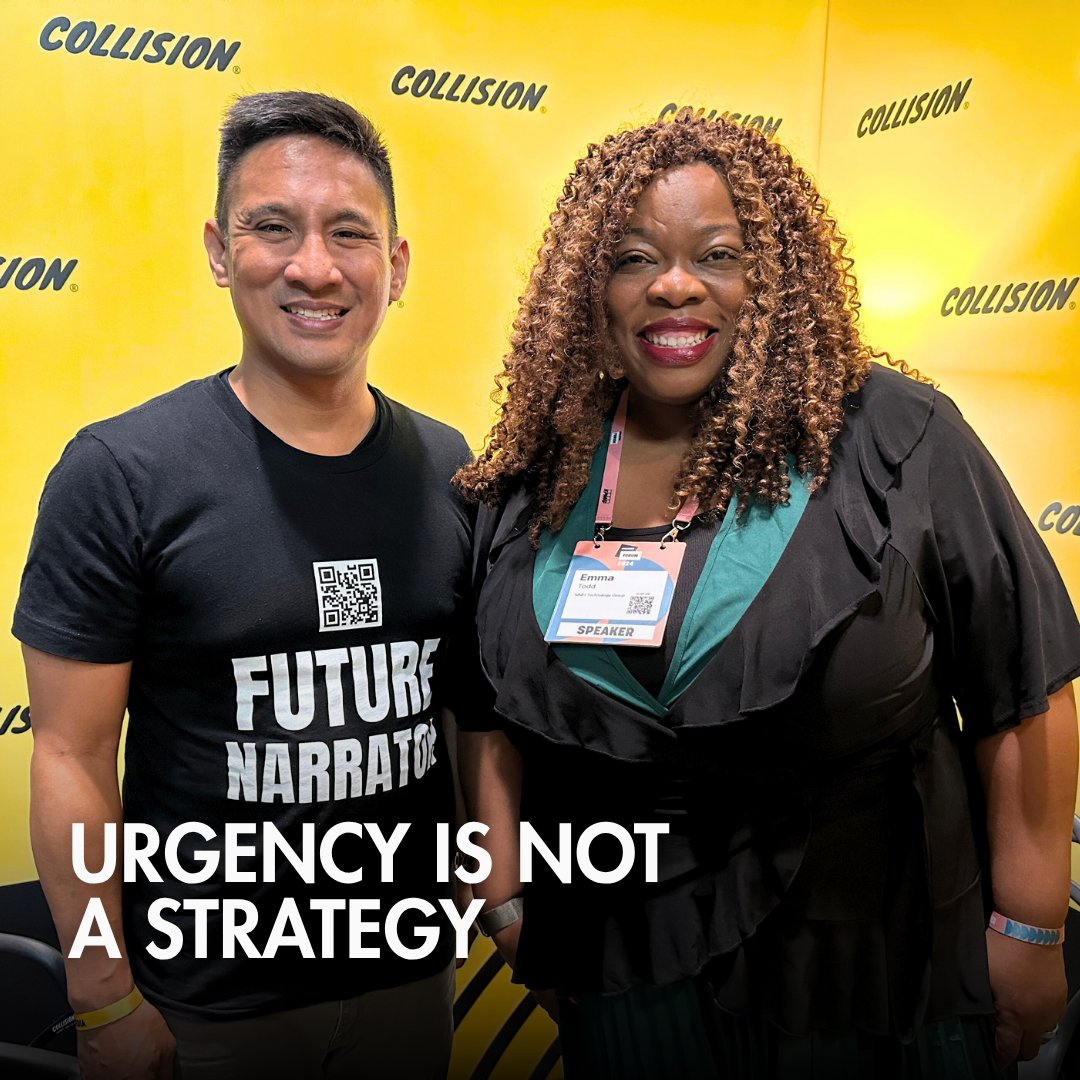
Some people lead like everything’s urgent.
But pressure isn’t a leadership style.
This one’s for anyone tired of sprinting nowhere fast: https://t.co/4A5DUHMZlP
Leadership doesn’t mean doing every job.
But you should understand how the jobs get done.
Strategy without system knowledge is just guesswork. Walk the process.
The smartest insight might live where your title never touches.
Good leadership isn’t about fast calls. It’s about clear ones.
I once worked with a founder who banned same-day decisions for anything long-term. When people pushed for urgency, he’d say: “We’re not guessing. We’re deciding.”
That pause built a culture of thinking.
Some people are magnetic in a meeting.
But trust isn’t built in meetings.
It’s built in the follow-up.
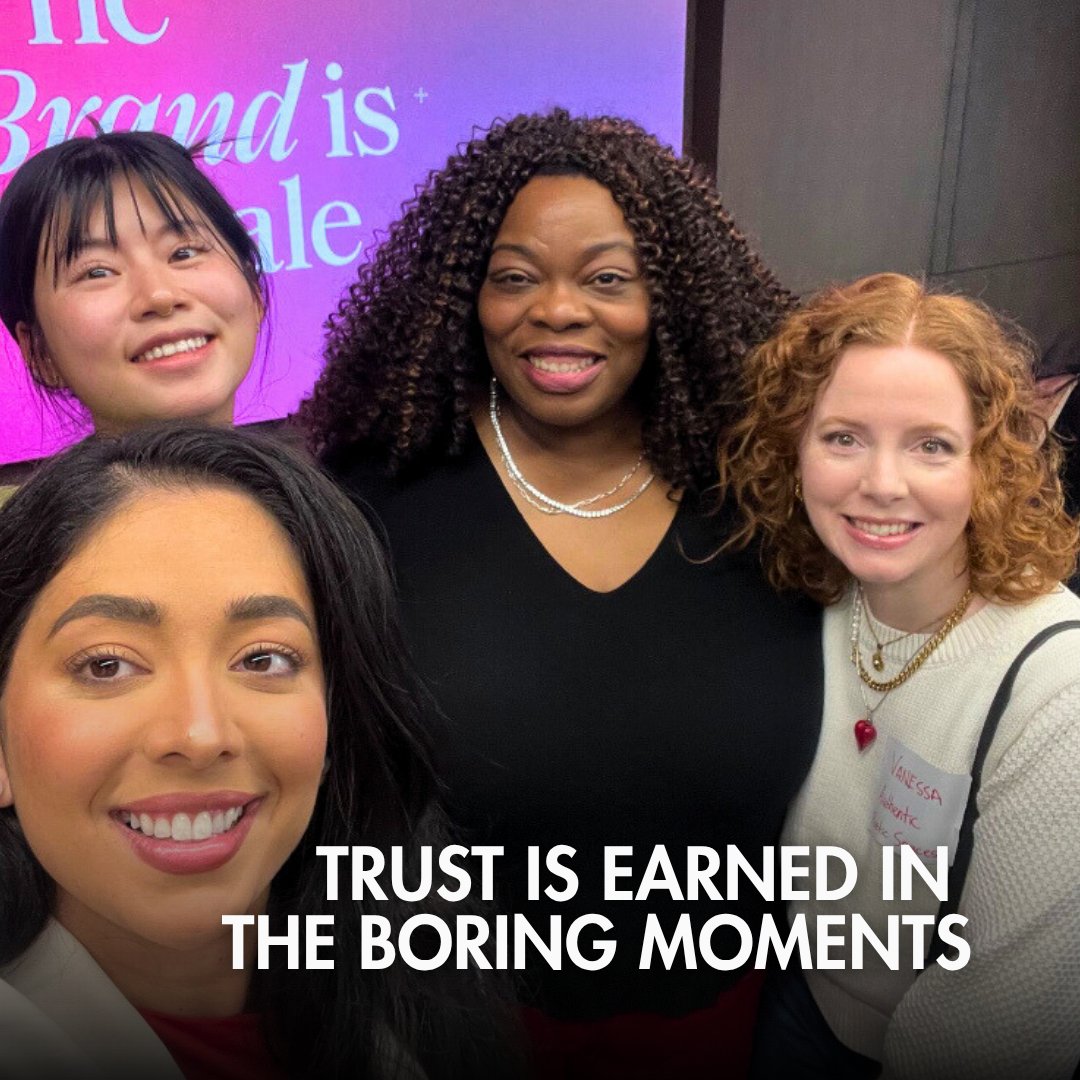
New post on why leadership lives in the boring moments: https://t.co/2ZiDRdkd35
You can feel it when a meeting starts to go sideways. Voices rise, the air gets sharp.
That’s when leadership shows up. Not by adding heat, but by dropping the room a few degrees.
De-escalation isn’t passive. It’s one of the most active skills a leader can have.
Big vision is great. But if your team doesn’t know the goal, the handoffs, or what “done” looks like, chaos follows.
The best leaders I’ve seen? They ask boring questions:
➝ What’s the goal?
➝ Who owns what?
➝ What does done look like?
Spark matters. Scaffolding sustains.
The first time you say it, it’s info. The fifth time, it’s culture. If you’re tired of repeating yourself as a leader, good. That probably means it’s working.
Clarity isn’t micromanagement. When people don’t know what’s expected, they don’t feel free, they feel anxious. Good leadership is saying exactly what “done” looks like, so your team can stop guessing and start breathing easier.
I’ve been in rooms where engineers speak one language, execs another, and users aren’t even on the call.
What holds it together? A translator.
Not someone who dumbs it down—someone who bridges.
Great leaders don’t just talk. They translate.
Good communication isn’t flair. It’s infrastructure. I wrote about why clarity is the most practical leadership tool we’ve got when things get messy. “Clarity Is a Leadership Skill” https://t.co/vbpgBO1qfz
If your team would fall apart the moment you step away, that’s not leadership. That’s centralization.
Stewardship means things keep moving without you in the room. Less spotlight, more scaffolding.
You don’t need to be at the center to be essential.