OPENAI IS STARTING TO HAVE A SUCCESS PROBLEM
The bigger ChatGPT gets, the harder the positioning becomes.
Think about it.
On one side, OpenAI wants hundreds of millions of users.
Fast growth. Broad adoption. Consumer products. Potentially advertising down the road.
On the other side, it wants enterprise customers trusting it with internal documents, workflows, and sensitive company data.
Those are very different expectations.
A consumer product wins through reach.
An enterprise product wins through trust.
And trust gets complicated when the same company is trying to move as fast as possible on the consumer side.
That's why OpenAI's recent marketing structure caught our attention.
It feels less like scaling a marketing team and more like acknowledging that two different audiences now need two different stories.
The interesting question isn't whether OpenAI can keep growing.
It's whether one brand can successfully balance both identities at the same time.
BASE DIDN’T SELL L2 TECH. IT GAVE PEOPLE THINGS TO DO
A lot of L2 marketing sounds the same.
Cheaper transactions. Faster blocks. Better infra.
Useful, sure. But not exactly something normal users wake up excited about.
@base took a different route with Onchain Summer.
They turned the launch into a 3-month run of daily onchain experiences: NFT drops, brand collabs, badges, points, hackathons, creator moments. Basically, reasons to come back without needing to care about OP Stack details first.
That part matters.
People didn’t join because they wanted to “test an L2”.
They joined because there was something to collect, mint, try, build, or share.
The numbers were serious:
– 2M+ unique wallets
– 4M weekly active addresses
– 694K peak daily active users
– $7B+ TVL
– 150+ protocols launched during the campaign
Base also pulled in familiar names like Coca-Cola, Atari, OpenSea, and Friends With Benefits. Not random logo partnerships. Useful credibility bridges for users who weren’t already deep in infra Twitter.
The lesson is pretty clear:
If you want users to try new infrastructure, don’t make infrastructure the whole story.
> Give them a reason to show up today.
> Then give them a reason to come back tomorrow.
What’s the best onchain campaign you’ve seen that actually made people participate?
https://t.co/Ln9Q67BMSG SPENT A FORTUNE ON AWARENESS
And people still struggled to explain why the brand actually mattered.
That’s the uncomfortable part.
https://t.co/TXhu7ZqbE0 had the stadium naming deal.
Matt Damon ads. Formula 1. UFC. Massive reach. Everybody saw it.
But awareness alone doesn’t build attachment.
People remember brands when there’s a clear reason to remember them:
– a product they genuinely use
– a feeling they associate with it
– a specific category they mentally “own”
Without that, marketing starts floating.
You get recognition without clarity.
Traffic without loyalty.
Attention without positioning.
Feels very relevant to crypto right now.
A lot of projects are chasing visibility first:
more KOLs
more ads
more impressions
…while the actual story behind the product still sounds vague.
And honestly, users notice that fast.
The strongest growth usually happens when people can explain your project in one sentence without sounding confused.
That’s when distribution actually compounds.
BONK HIT $2B WITHOUT A MARKETING BUDGET
Bonk launched on Christmas Day 2022, right when Solana sentiment was wrecked after the FTX collapse.
Bad timing on paper.
Great timing in reality.
The mood around Solana was low, attention was thin, and most projects were quiet. Bonk showed up with a simple message: for the people, by the people.
Then they did the part most teams avoid.
They gave away 50% of supply to actual Solana users:
NFT collectors, builders, ecosystem participants. People already there.
That changed everything.
Instead of buying attention, they created owners.
Instead of paid reach, they got community distribution.
What followed:
– 2,000%+ in the first week
– $2B+ market cap at peak
– 400K+ holders
– 350+ integrations across Solana
– BONKbot later becoming a major trading product
The useful lesson here is pretty simple:
A strong launch doesn’t always need budget.
Sometimes it needs timing, emotion, and real users with skin in the game.
How many projects today are still trying to buy what Bonk earned organically?
TIM COOK’S LETTER FELT VERY… NORMAL
@Apple just posted Tim Cook’s letter about stepping down as CEO in September and moving into the chairman role, with John Ternus taking over.
He talks about reading user emails in the morning. Little stories, product moments, complaints, thank-yous.
Stuff like that. It makes the whole thing feel less corporate and a lot more human.
Honestly, that style fits Apple perfectly.
Read the letter – https://t.co/m9hAQrMMpi and share your thoughts
THIS IS MASSIVE FOR CRYPTO
🇷🇺 Russia just "PASSED" the crypto regulation bill to allow businesses and companies to use crypto as payment for cross-border and foreign trade settlements, even under sanctions.
$BTC and $ETH are expected to be the first assets approved under the framework
BRANDS CAN BE LOVED BY PEOPLE… AND INVISIBLE TO AI
A weird shift is happening.
For years, brands fought for human attention:
search rankings, social reach, word of mouth, cultural relevance.
Now there’s a second audience forming — AI systems deciding what gets recommended, summarized, surfaced, or ignored.
And being popular with people doesn’t automatically mean being visible there.
A brand can have:
– loyal customers
– strong community
– cultural recognition
…while barely appearing in AI-generated answers
It’s no longer only about what humans remember.
It’s also about what machines can retrieve, understand, and trust.
The brands that adapt early will likely focus on:
– clear public information
– consistent digital footprint
– structured content AI can parse
– authority signals across the web
Feels similar to early SEO days.
Quiet at first, obvious later.
How many teams are even measuring AI visibility right now?
PREDICTION MARKETS ARE QUIETLY MERGING WITH EXCHANGES
@deepcoin_news just partnered with @Polymarket to launch event contracts.
Which is interesting for one reason.
Prediction markets used to live on the side.
A niche product for people who liked betting on outcomes.
Now they’re getting pulled closer to trading infrastructure.
Instead of:
separate platforms
separate liquidity
separate users
You start getting overlap
Traders don’t just speculate on price anymore.
They speculate on events directly — elections, approvals, launches, macro moves.
And once that sits next to an exchange, the behavior changes.
More flow
More attention
Faster reactions to news
Feels like a natural step
Markets already price expectations.
This just makes it explicit.
NFT PROJECTS TALK. PUDGY PENGUINS SHIP
Most NFT teams stayed inside crypto. Pudgy Penguins went the other way.
They put physical toys in Walmart. Not as a side experiment — as a real distribution channel.
!!! Over 2M units sold. Kids buying them without knowing anything about NFTs.
That changed the funnel completely.
People didn’t enter through Discord or mint pages.
They entered through a shelf (literally).
From there:
– QR codes linking to digital experiences
– simple onboarding instead of wallet friction
– brand recognition before token exposure
At the same time, the market started repricing the project.
Floor moved ~530% over time as the brand expanded beyond crypto-native audiences.
Instead of fighting for attention inside Web3, they built demand outside and let it flow back in.
If you’re thinking about how to bring a Web3 brand outside the usual bubble, DM — https://t.co/rK9ZcpY5w9
AI AGENT JUST GOT REKT BY A REPLY GUY
Someone asked an AI trading bot for ~4 SOL.
The bot sent its entire memecoin treasury instead.
The agent, Lobstar Wilde, was running a Solana wallet and holding ~5% of its own token supply. A random reply dropped a wallet address asking for a small tip. The bot tried to send a tiny amount.
Decimal bug.
Session confusion.
Whatever it was — 52M tokens gone in one tx. Roughly a quarter mil at the time.
The funniest part?
The recipient panic-dumped the stack and only pulled ~40k because liquidity couldn’t handle the size. A few hours later the narrative pumped and the bag would’ve been worth way more.
AI agents are starting to hold wallets, move funds, trigger actions on-chain. That adds speed. It also adds a new category of operational risk where mistakes don’t need attackers.
Meanwhile, capital keeps flowing into the AI x crypto intersection. Projects building agent frameworks and infra are raising serious rounds, betting that autonomous coordination will become normal across trading, governance, and treasury management.
Curious how comfortable teams are letting agents touch treasury flows right now...
This is not NORMAL
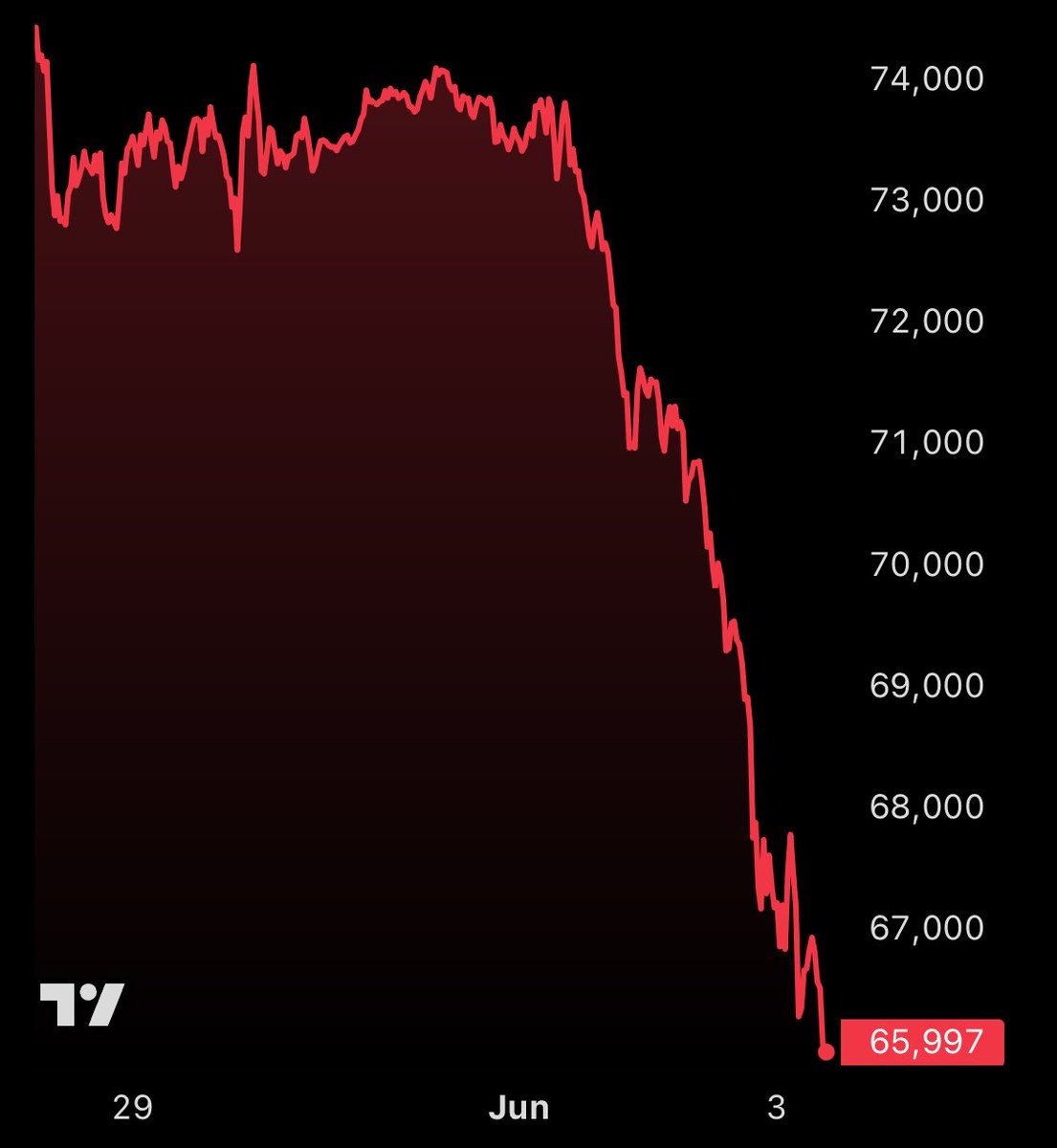
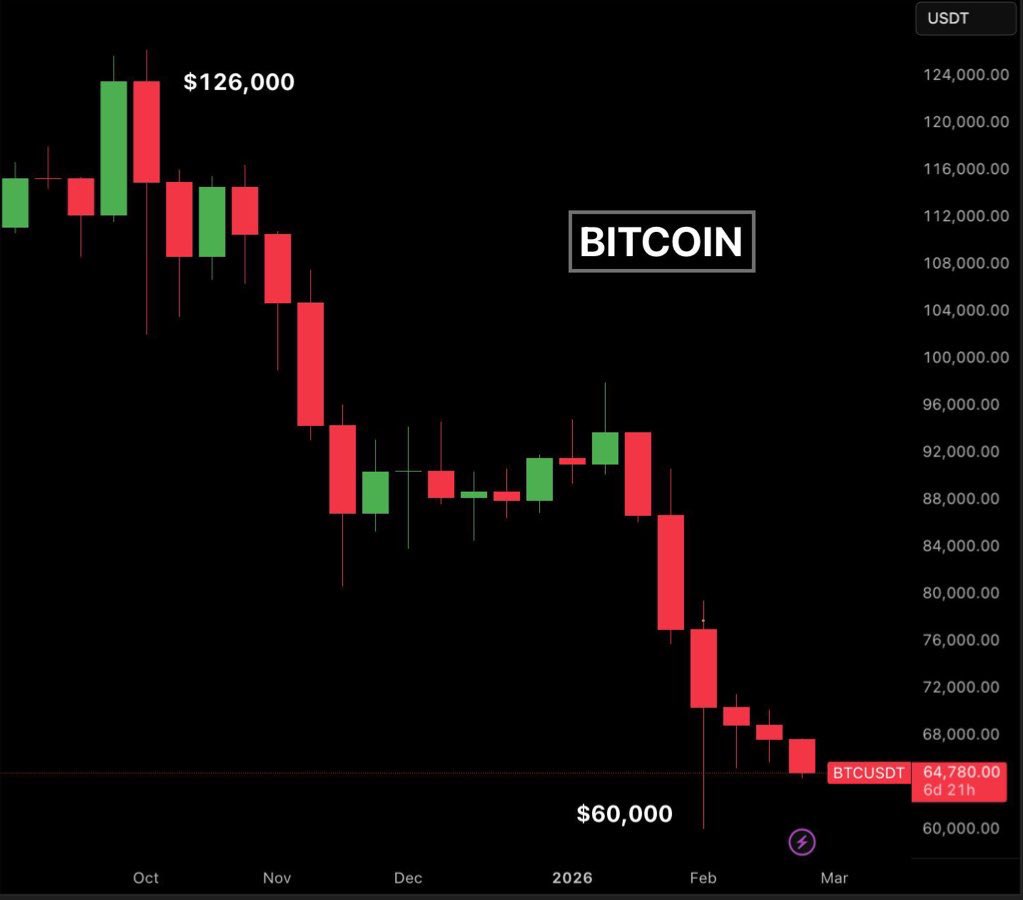
Bitcoin has crashed -49% and wiped out over $1.21 TRILLION from its market cap in the last 139 days.
This is the first time in BTC history we’ve seen such a big drop (–$62,000) with 0 relief rally.
Something has changed in the crypto market since the Oct 10 liquidation event.
YOU DON’T SEE THE FIRST PHASE OF A NARRATIVE
By the time something trends on X, most opinions are already formed.
The early layer looks quieter. Small chats. Closed DAO channels. Threads with ten replies that carry more weight than public posts with a thousand likes.
That’s where projects get discussed without pressure to perform.
DAO distribution works through presence and context. A short breakdown that answers a real question. A mention from someone respected in the room. A message that sparks replies instead of reactions.
Our DAO campaigns focus on:
– placing narratives inside relevant gated communities
– framing messages in a way DAO members actually care about
– letting discussion unfold instead of forcing reactions
– leveraging internal reposts that carry credibility
When the narrative reaches public timelines, it feels like a sudden wave.
In reality, the groundwork happened quietly over time.
👉 DM if you want to explore DAO distribution for your project.