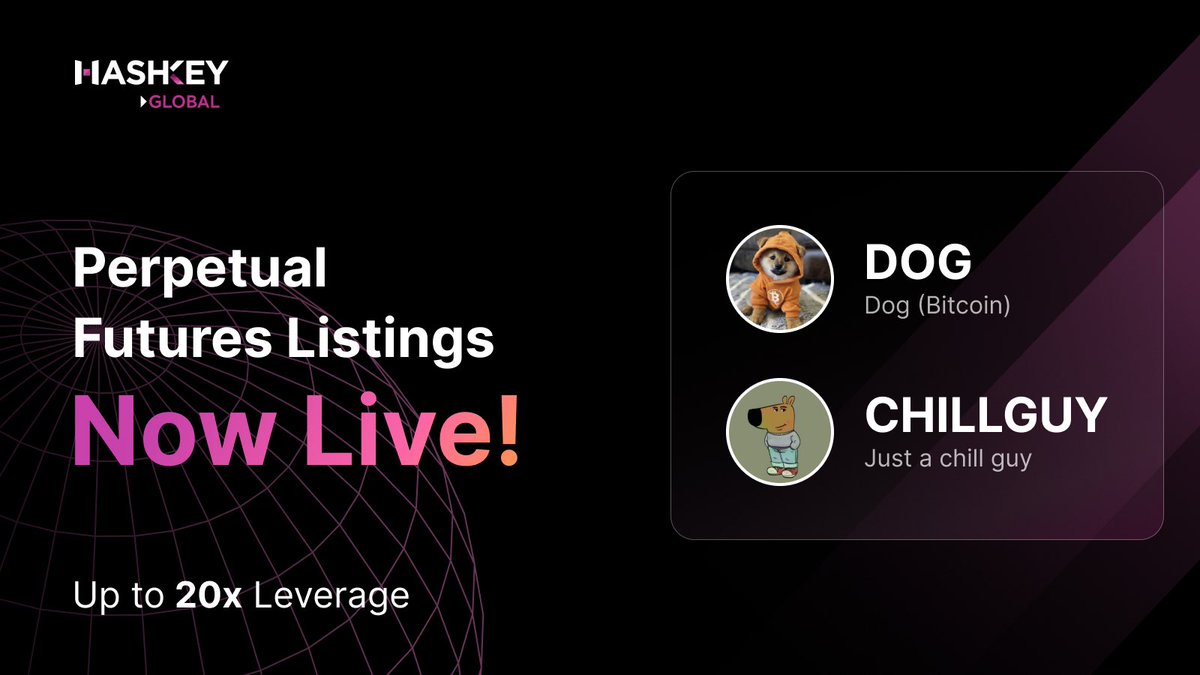
I am very excited to announce that @HashKey_Global just listed $DOG perps!
Their team was extremely professional and is excited about Runes
They deserve a huge shoutout for supporting the Free & Fair Movement by not requiring a listing fee
Don't sleep on @RektCoin it's only a week old sitting at $38 million market cap and has a super passionate community plus a very strong team behind it who've been consistently delivering in web3 for several years you can either get $REKT or get wrecked #RWD
Material Histories: Ember
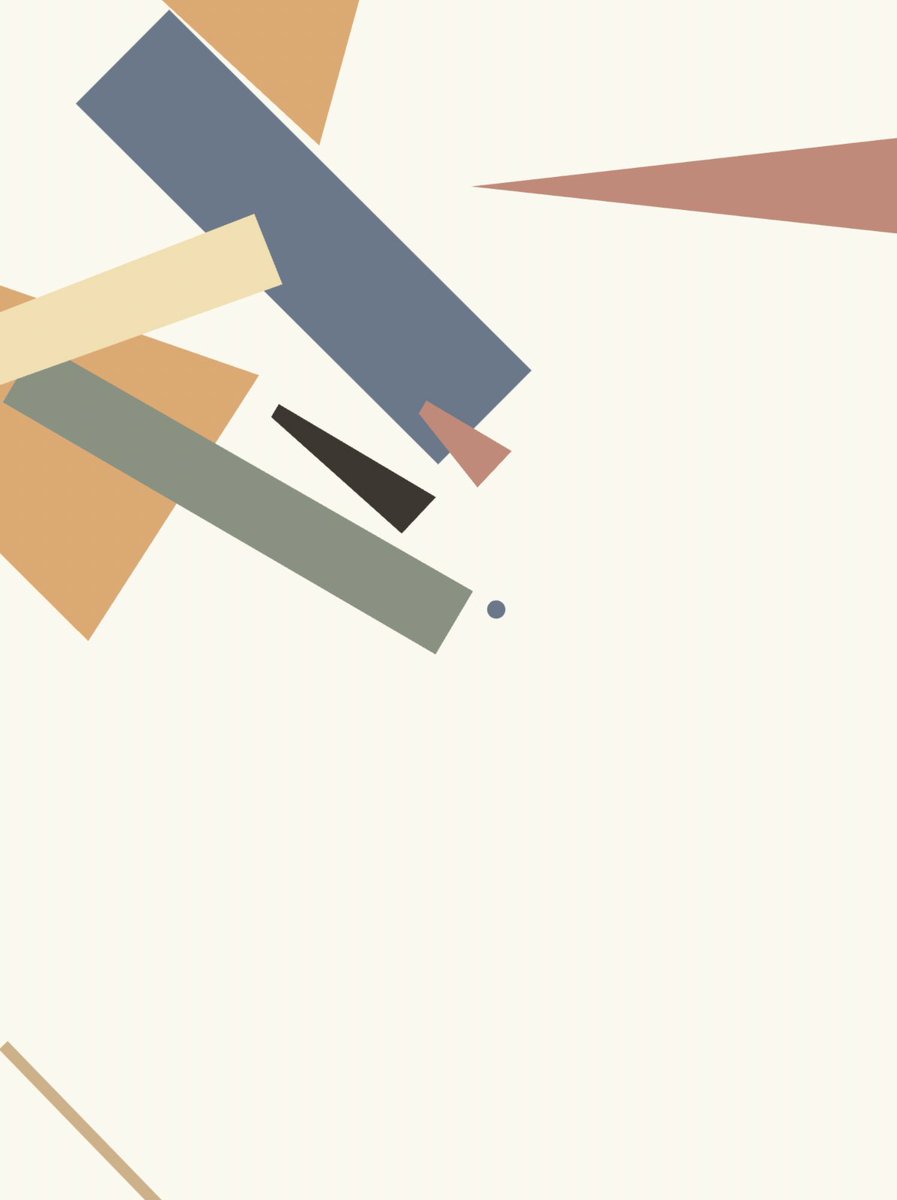
Each piece in the series refers to a natural element. This one represents fire, evoking high intensity and boldness. I drew on the different hues of a flame––with blue symbolizing the hottest parts and the oranges referring to the outer glow.
In mythology, fire often represents both creation and destruction, a tension I wanted to embody here. I think of the phoenix, which rebirths itself from its own ashes. And I sought to depict something that felt almost molten––as if it were melting downwards, capturing both the consuming yet regenerative nature of the element.
Exploring Liminality Through Art
Creating in fear of death. Creating in celebration of life.
My path into art has been unconventional to say the least. A digitally native artist with ambitions to work in the contemporary art field while simultaneously pursuing a degree in biochemistry in college with a minor in religious studies later to study medicine in the pursuit to becoming a physician. In recent years, looking deeper into my backgrounds in religion, medicine, and biochemistry, I came to realize the works I create and the art I share with the world are a conscious and subconscious reflection of my multifactorial identity. Below I attempt to articulate some of these reflections to the best of my ability.
As written previously in other write-ups, my initial introduction into contemporary art was through museums in Madison, Wisconsin where I attended the University of Wisconsin — Madison, namely the Chazen Art Museum. While the influence from my early discoveries at the museum were undeniable, simultaneously during this period of learning I was pursuing a degree in religious studies and biochemistry. At the time I hoped receiving an education in both humanities focused subjects and STEM focused subjects could best prepare me to care for patients with my future ambitions to become a physician. Yet, these healthcare and academically driven goals were also selfish in nature: a means to grapple with my own perpetual existential crises, to understand the processes of living and dying, and ultimately to find meaning and purpose in my life.
With an upbringing in Christianity throughout my childhood and early adult life, I felt a sense of loss as I began to question and re-analyze my faith and religious commitment. In part came fears of existential dread. An agnostic with western religious influences more so than an atheist in any form of the word. While the possibilities were endless in college, my focus on my specific academic fields were to help address some of these personal doubts, questions, and values. Through my 4 years as a student and as a growing artist I learned more than I could have imagined, both about the world and myself.
It was during one of my core religious studies classes I learned that art and nature play a central role in patient wellbeing. Gardens, windows, artwork all are intentionally used in a hospital setting to combat the necessary sterile environment: a glimmer of soul, human emotion. Applying my practice as a digital artist I began to focus on landscapes, nature, architecture, and other subjects that allowed the viewer to connect with their own individual lives. From this I was able to eventually donate works to UW-Health Hospital, one of the largest hospitals in Wisconsin. I would later go on to continue donating works to hospitals and clinics in and around Wisconsin. Little did I know, it was these initial steps in parallel with my new-found inspiration in Pop Art, Regionalism, Abstract Expressionism, Precisionism, etc. that set the foundation for my practice today. In the past my art practice revolved around using simple shapes and arranging them in ways to create compositions; a practice that began on Powerpoint when I did not have access to other illustrating software which then matured into my own technique I use today on Adobe Illustrator. From this digitally native technical approach to creating art, I began to further explore my style and visual story.
In the final the months of college, I completed my thesis for my certificate in religious studies. In my thesis I explored the concepts of liminality and rites-of-passage. In short liminality is a theory in the field of anthropology acknowledging the ambiguity that takes place in the process of a rite-of-passage. Often people refer to this liminal period as the space under the door, not quite in one room but not quite in the next. Using this theory, I specifically analyzed the film The Seventh Seal by Ingmar Berman. In the movie, protagonist Antonius Block, a soldier of the Crusades, is faced with the personification of death as a robed figure signifying his imminent fate. As Block buys time in the film by challenging Death to a game of chess, he attempts to find meaning in his life as he has lost faith in God despite being a previous Crusader. In my thesis I argued Block, with his impending death in the film, is placed in the liminal period of dying, a transitional period from being alive to not. In his act of dying, he struggles as a character and eventually fails to find the fulfillment and the closure that he hoped to find prior to Death taking his life. During this process, supporting characters additionally facilitated his rite-of-passage.
In thinking about my existence, I now see life itself as a liminal period: a tiny fraction of time we are alive versus the seemingly infinite period of time prior to our birth and following our death. It is within this rite-of-passage we mature both psychologically and physiologically. There is never a moment our lives or our bodies are not changing as we age. It is of course not without struggle. The emotional and physical battles we individually face as people shape our identities inside and out. As a member in the healthcare team, I witness these concepts daily in patients from birth to death. Working in the hospital by day and in my studio by night (often vice versa) gives me an opportunity to embed these existential thoughts and feelings into art. It is through my art I attempt to emphasize this idea of life’s transient nature.
In the liminal moment we call life marked as a period in between an infinite void before and after, we individually live through countless memories. As I look deeper into my practice as an artist and the motivations behind my body of work, I continue to consciously and subconsciously explore the realities of life as fragments in time we know as memories. My creations are often fictional and ambiguous representations of my personal life, places I’ve lived and environments that invigorated my imagination. The realism yet ambiguity in my art is intentional. The works are meant for all viewers, to create their own stories, to recall their own lives, to connect with their own memories. The most meaningful interactions I have had are ones where the viewer tells me my works remind them of their own past. My art is a mirror, a way to dig deeper into one’s own life.
My subjects are rarely grand. They depict the everyday, the things we all take for granted. In recent years I have begun to appreciate life most as a culmination of memories and relationships. The time to be alive is finite. As I have matured my artistic style, I have had the opportunity to be more fluent with my visual language and highlight these ideas in greater depth. The liminal period we know as life is marked not just by landmark experiences and memories but also is defined by the common, routine, tedious, boring interactions we have each passing day. It is with these moments I hope my art can shine.
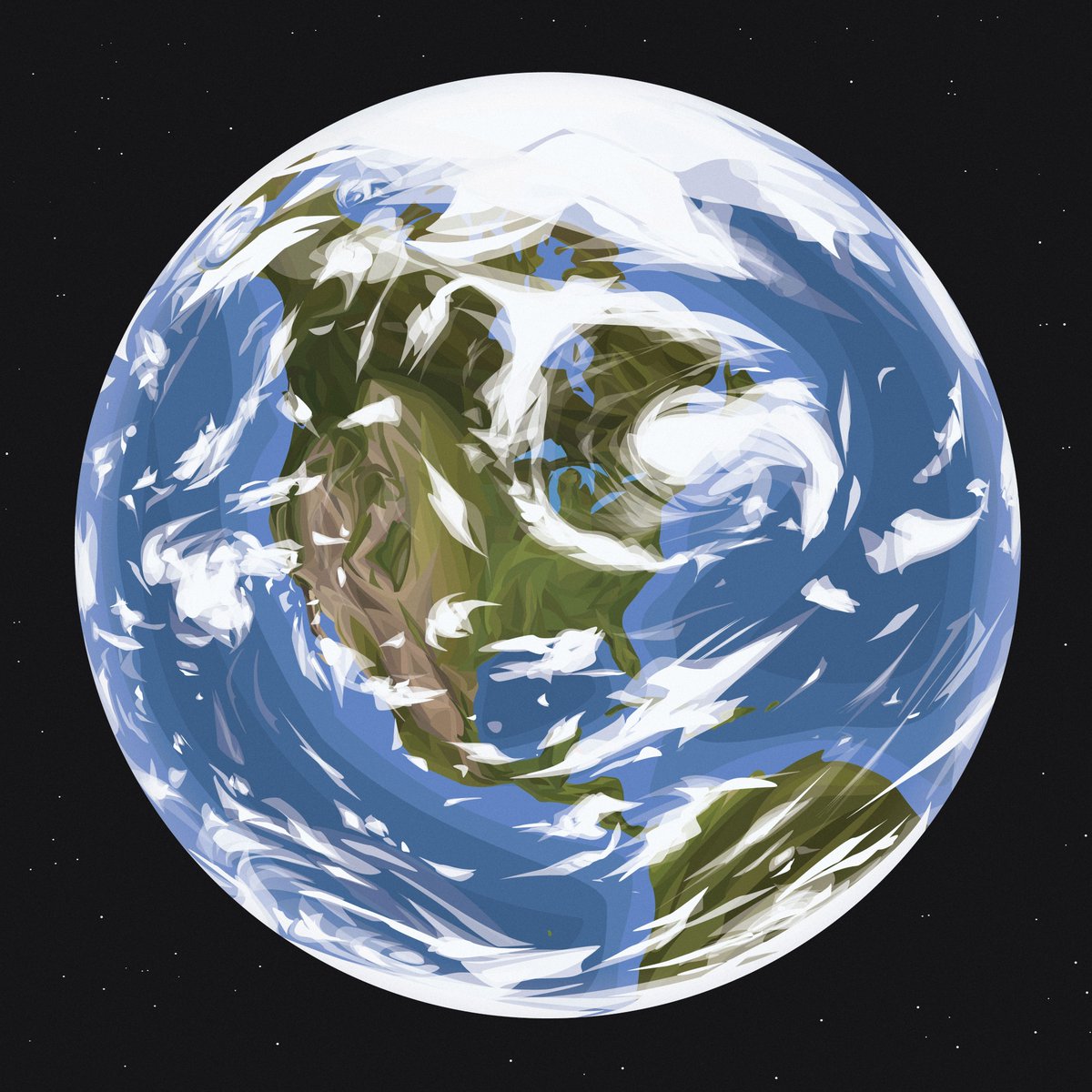
Working in healthcare now, my value for life has only grown. Caring for patients during times of critical illness, witnessing birth, witnessing death all continues to shape the way I view my own life. These reminders about the precious and transient nature of life are translated onto my digital canvases. Compositions sometimes take on the shape of different times of the day to remind the viewer while our lives are finite, around us the forces of space and nature such as the continual rotation of the Earth are eternal. Waves of the oceans have been crashing onto the shore long before our arrival and will continue to crash long after our departure.
Through my art I additionally hope to show that life is not a journey traveled alone and purpose is found in communal settings. At times I depict themes of solitude and emptiness in hopes to convince the viewers of just how important our relationships are. It is through communities that people are able to create things that are permanent, that transcends generations. All the while it is these very communities that allow people to form meaningful relationships and have a sense of purpose. Possibly to “live” beyond our limited liminal status is to pass on cultural value to generations that come after us. Gone but never forgotten.
In the greater context of visual and conceptual art, I see my work as a means to continue the visual language of realism from a 21st century point of view. Art partly remains important in today’s society because it provides a look back into history. I intend to use my work as a timestamp for generations to come and a patron for utilizing the contemporary tools at my disposal to showcase my creative expression. While previously discussed in other write-ups, I have self-named my style as Neo-Precisionism. In short, this visual approach combines the infinitely scalable and mathematically precise use of digital vector illustrating with themes and concepts reminiscent of 20th century Precisionism and Regionalism. It is a fluid term but just one for me to help orient my frame of mind.
Digital art and blockchain is at the core of my practice. Communities continue to evolve as technology continues to advance. The 21st century allows for the freedom to share ideas and information greater than any period in history prior. Utilizing this freedom has always been a vision for my art since the beginning. The frictionless opportunities to share my art provided by blockchain and digitally native platforms are ones I do not take for granted and are ones I actively incorporate into my practice. While our lives may be transient, I hope the future of blockchain remains permanent.
My practice is also selfish in nature. The art is for me. It is a way to remind myself of the places, moments, and people I should continue to be thankful for. While my views on life and the meaning of my existence may change as I grow older, today I find fulfillment from creating new memories whether it is by myself or with others. Taking the time to be thankful and to not take things for granted is what I try to live by. While these values may at times be difficult to remember on a day-to-day basis, I use my art as my anchor. Creating and viewing my works becomes increasingly therapeutic with each passing day.
We are but a tiny slice in what is the known universe and yet each one of our lives is just as important as the next. I hope that through my art people can appreciate each moment life and living has to offer from both a microscopic and macroscopic perspective. For many the grass will continue to be greener on the other side, but the visuals I create are intended to remind people to make the most out of the cards we are individually dealt.