@Ankittt410 writing to report an issue with the delivery of my shipment,
Despite the delivery date passing and making repeated calls over the last two days, the package has still not been delivered. I would appreciate it if you could look into this delay.
guys think before placing order
@DTDCIndia writing to report an issue with the delivery of my shipment, tracking number DTDC 7X113382079.
Despite the delivery date passing n making repeated calls over the last 2 days, the package has still not been delivered. I would appreciate it if you could look into this
@Ankittt410 writing to report an issue with the delivery of my shipment, tracking number DTDC 7X113382079.
Despite the delivery date passing and making repeated calls over the last 2 days, the package has still not been delivered. I would appreciate it if you cud look into this
Dear Creators,
Stop chasing views by showing the worst parts of India.
When you post content that makes us look "backwards," you make life harder for Indians living or traveling abroad.
You have a big platform. Use it to build India’s image, not to tear it down.
Be a creator.
Why it’s an Art Icon:
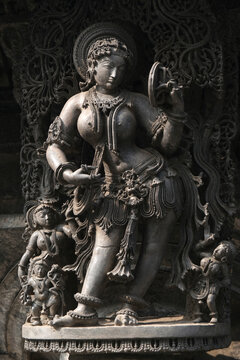
The Tribhanga Pose: Look at that "S" curve! This triple-bend posture became the gold standard for Indian classical dance and sculpture for the next 2,000 years.
Nature & Beauty: She represents the deep connection between feminine energy and the fertility.
The Original Symbol of Grace: The Shalabhanjika 🌿✨
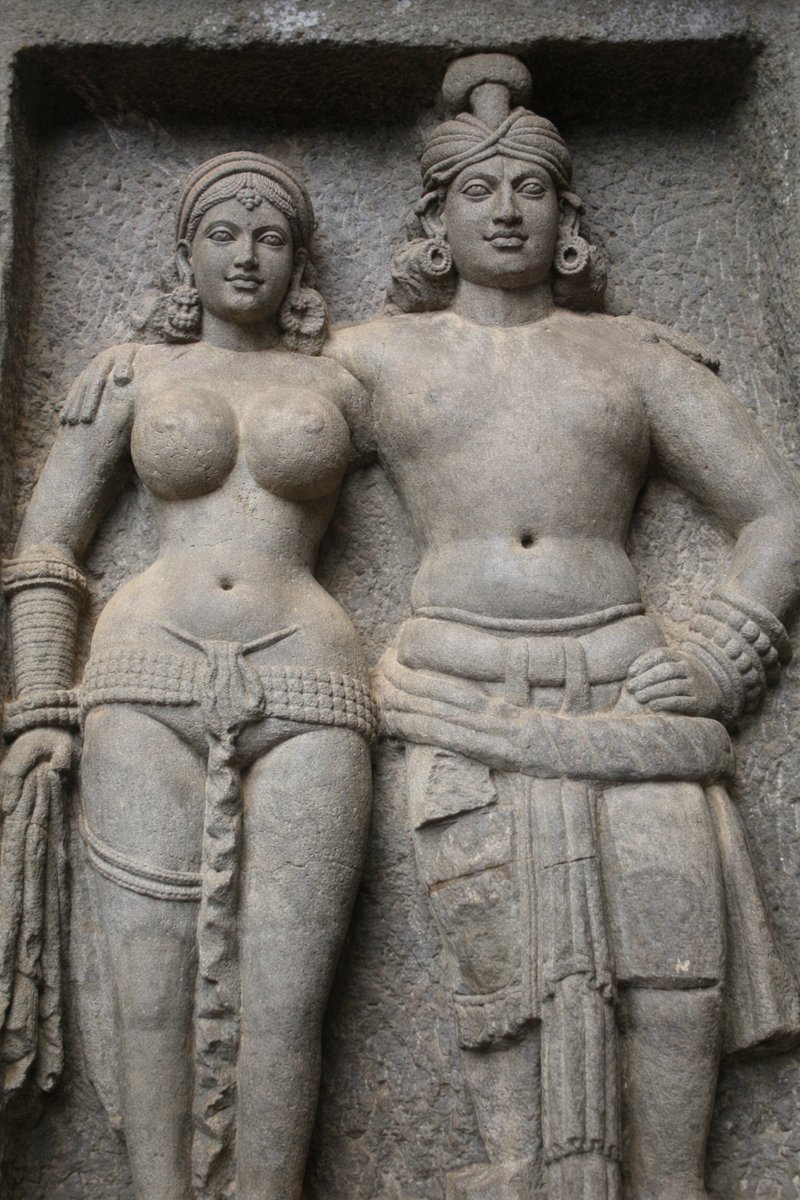
If you loved the Karla Caves couple, you have to meet the Shalabhanjika.
Found leaning gracefully from the gateways (Toranas) of the Great Stupa at Sanchi, these figures are more than just decoration.
they are a masterclass in ancient rhythm and symbolism.
What’s the story?
The term Shalabhanjika literally means "breaking a branch of a Shala tree." Ancient legend says that these celestial maidens were so pure that their touch alone could make a tree burst into flower. 🌸
vine
The Detail: Notice the intricate jewelry, heavy waistbands, and the naturalistic "Tribhanga" (triple-bend) posture.
The Symbolism: In early Buddhist art, these "loving couples" represented auspiciousness, harmony, and the celebration of life.
🏛️🇮🇳
Timeless Elegance in Stone 🗿✨
Captured here is the famous Mithuna couple from the Karla Caves. Carved nearly 2,000 years ago, these figures stand at the entrance of the Great Chaitya hall.
What makes them special?