Combining cinnamon and cloves together forms a powerful blood sugar reducing combo.
Boil the two spices in water for 10 mins. Take 3 tablespoonful in the morning and in the evening.
Nature heals.
No man should die from PROSTATE CANCER.
Soursop leaves + pigweed can cure it within three months.
Mix equal quantities of dried powdered plant and take two tablespoons as tea morning and evening before meals. You will be cured.
Nature heals.
Make a little fund an expense account. If you want things, you don't need... earn in profits to pay for it or don't buy it.
One account to help make ends meet.
One account for growth and wealth building, no withdrawals as you build it.
That is Trident Account Management Strategy.
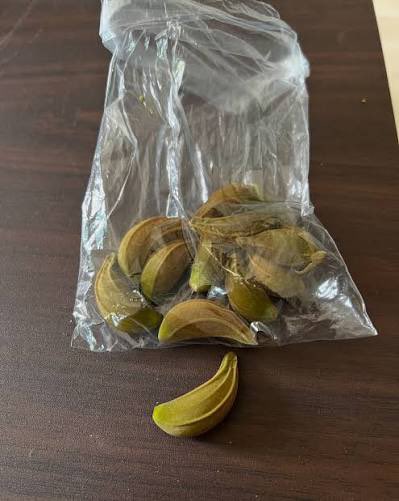
The flower bud of the African Tulip tree is a NATURAL EYE DROP from Mother Nature that treats cataracts, conjunctivitis and blurry vision.
Squeeze two drops of the watery sap onto the affected eye once daily.
Nature heals.
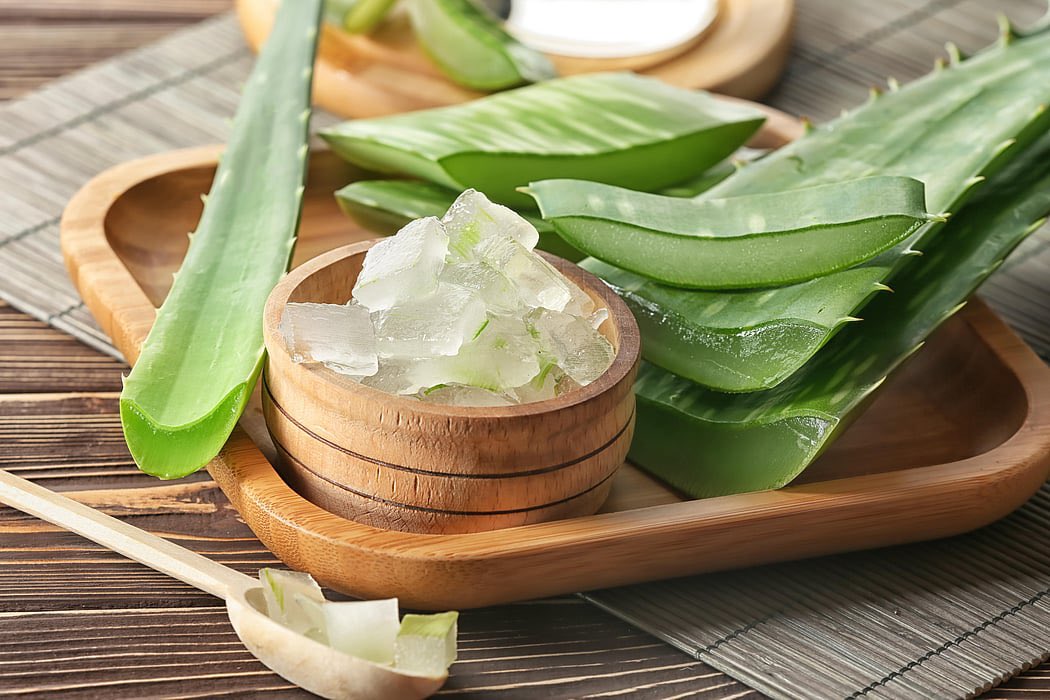
Charcoal and Aloe vera are fantastic in treating chronic wounds which have been there for MONTHS or YEARS.
Combine activated charcoal with aloe vera gel and mix both till it forms a uniform mixture. Apply mixture to the affected wound. Nature heals.
Let’s talk about Carrot Farming!
Carrots are one of the most nutritious and profitable root vegetables, rich in vitamin A, good for the eyes, and in high demand in markets. Many farmers are now turning to carrots because they grow fast and give good returns when managed well.
Carrots grow best in cool climates, but they can also perform well in warm areas if planted in the right season. They prefer light, loose, and sandy-loam soil that is deep and well-drained. Heavy or compacted soil leads to short, deformed roots, so proper soil preparation is very important.
💧 Water is key
Carrots need enough moisture especially during germination and root development. Water gently but consistently , too much water causes rotting, while lack of water causes hard, cracked carrots.
Planting
Carrots are grown from seeds (not seedlings). Sow the seeds directly in the field, spacing rows 20–30 cm apart, and thin seedlings later to give roots room to grow. Thinning is important, overcrowded carrots remain small and twisted.
Nutrition
Carrots respond well to organic manure, especially well-decomposed compost. If using inorganic fertilizers, apply small amounts of nitrogen and enough phosphorus & potassium for strong root development. Avoid fresh manure, it causes misshapen roots.
☀️ Weeding & Care
Weed early and gently, carrots have shallow roots and can be damaged easily. Mulching can help conserve moisture and control weeds.
🐛 Pests & Diseases
Common issues include aphids, root flies, and fungal diseases like leaf blight. Practice crop rotation, avoid water stress, and use safe pest control practices, organic methods like neem extract and soap solution work well for aphids.
⏳ Harvesting
Carrots are ready in 70–120 days depending on the variety. Harvest when the roots reach the right size and color, don’t leave them too long or they become woody.
💡 Market Advantage
Clean, well-shaped, and fresh carrots attract premium prices. Washing, grading, and proper packaging increase market value. Restaurants, supermarkets, and juice processors are good buyers.
Every farmer has their crop of passion, carrots can be one of the most rewarding if managed well. If you're planning to start carrot farming, begin small, learn the practices, and expand over time. Agriculture is about patience, knowledge, and persistence, and every crop teaches us something new.
✍️Follow my WhatsApp channel for more farming tips: https://t.co/5jTvK3fFLq
Coffee Farming: Growing Wealth From the Soil, One Bean at a Time
Coffee is not just a crop — it is a livelihood, a heritage, and a pathway to prosperity for many farming communities. But successful coffee farming doesn’t happen by chance; it requires knowledge, patience, and consistent management.
The journey begins with choosing the right location. Coffee grows best in high-altitude areas with moderate temperatures, reliable rainfall, and fertile, well-drained soils. Planting should be done using healthy, disease-free seedlings, preferably from certified nurseries, because quality starts with good planting material.
Before planting, farmers should prepare the soil by digging planting holes and mixing topsoil with well-decomposed manure or compost. Coffee roots love rich organic matter, and healthy soil leads to strong, vigorous plants. Spacing is important too — giving each plant enough room to grow improves sunlight penetration, airflow, and yields.
Once coffee is established, management becomes the key. Mulching helps keep moisture and improves soil fertility. Regular weeding keeps competition low and reduces pest pressure. Pruning is one of the most important practices in coffee — it renews the tree, removes old branches, opens up the canopy, and encourages new productive shoots. A well-managed coffee tree can stay productive for many years.
Feeding your coffee is essential. Organic manure is the foundation, but it should be supported with mineral fertilizers rich in nitrogen, phosphorus, and potassium. Nutrients help the coffee plant grow strong stems, healthy leaves, and well-filled cherries. A balanced nutrition plan means better yields, better bean size, and better coffee quality — which means better market prices for the farmer.
Coffee is naturally exposed to pests and diseases such as Coffee Berry Disease, Leaf Rust, and Stem Borers. Farmers should adopt preventive practices — field hygiene, pruning, sanitation, and regular scouting. When needed, use recommended agricultural chemicals responsibly and at the right time. Healthy trees are more productive and more resistant to disease pressure.
Harvesting is a critical stage. Coffee should be picked when cherries are fully ripe — bright red and firm. Selective picking, not stripping, leads to higher quality beans and higher value. After harvesting, processing must be done carefully — whether using the washed method or natural drying. Proper drying, sorting, and storage maintain quality and avoid spoilage.
Coffee farming is long-term, and it rewards patience. A well-managed plantation gives consistent yields season after season. With good agronomy, farmers can increase productivity, improve quality, and secure better market opportunities, whether selling locally or to exporters.
At the end of the day, coffee is more than a drink — it represents the hard work of thousands of farmers, the richness of our soils, and the potential of agriculture to build sustainable livelihoods. With the right practices, every coffee farmer can improve production, quality, and income, and take pride in contributing to a global product enjoyed in every corner of the world.
Take care of your coffee trees, and they will take care of your future.
STEP-BY-STEP GUIDE TO CLOVE CULTIVATION: A BEGINNER’S GUIDE TO GROWING THE GOLDEN SPICE
Clove, scientifically known as Syzygium aromaticum, is one of the most valuable spice crops in the world. Known for its strong aroma and medicinal properties, clove plays a major role in the global spice market. It is used in food flavoring, cosmetics, traditional medicine, and pharmaceuticals. Cultivating cloves may require patience — but once established, it can provide decades of consistent yield and income.
Here’s a detailed, step-by-step guide to help beginners grow cloves successfully from planting to harvesting.
1. Understanding the Clove Plant
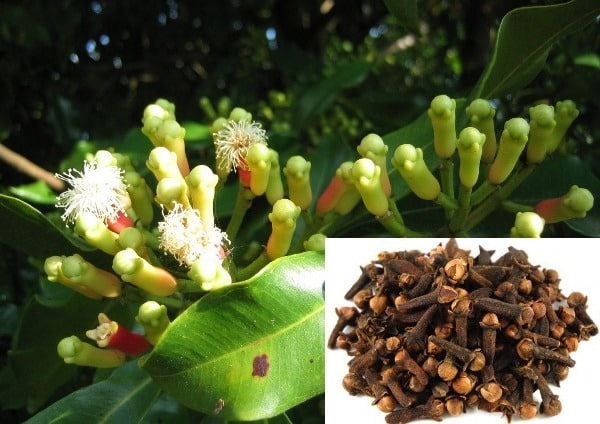
Clove is a tropical evergreen tree belonging to the Myrtaceae family. It can reach heights of 10–12 meters and thrives in warm, humid environments. The part we use as spice is the dried flower bud, which is harvested before opening.
A single clove tree can remain productive for over 50 years, making it a long-term investment for spice farmers.
2. Ideal Climate and Growing Conditions
Cloves grow best in warm, humid tropical climates with well-distributed rainfall throughout the year.
Temperature: 20°C – 35°C
Rainfall: 1,500 – 2,500 mm annually
Altitude: Up to 1000 meters above sea level
Humidity: High (70–80%)
They cannot tolerate frost or prolonged dry conditions. Coastal and island regions are perfect for clove cultivation.
3. Suitable Soil
Cloves prefer deep, rich loamy soils with good drainage and high organic matter content. Avoid waterlogged, saline, or rocky soils.
Ideal soil pH: 5.5 – 7.0
Before planting, the soil should be ploughed deeply and mixed with well-decomposed organic manure. Gentle slopes with good drainage are ideal for preventing root rot.
4. Propagation
Cloves are propagated mainly through seeds, although vegetative propagation (grafting or cuttings) can also be used.
Seed selection:
Select fully ripe fruits (deep red or purple).
Extract seeds and wash off the outer pulp.
Sow seeds immediately — they lose viability quickly if left to dry.
Nursery establishment:
Prepare nursery beds with rich, well-drained soil mixed with compost.
Sow seeds about 2 cm deep and cover lightly with soil or mulch.
Keep the nursery shaded and water regularly to maintain moisture.
Seedlings germinate in 15–20 days, and they remain in the nursery for about 12–18 months until they reach 25–30 cm in height.
5. Field Preparation and Planting
Before transplanting, prepare the field by digging pits about 60 cm × 60 cm × 60 cm in size.
Pit preparation steps:
Fill each pit with a mixture of topsoil, compost, and a small amount of wood ash.
Allow the pits to settle for 2–3 weeks before planting.
Spacing: 6 m × 6 m (approximately 275 trees per hectare).
Transplant the young seedlings during the onset of the rainy season. Provide temporary shade using banana leaves or palm fronds to protect them from direct sunlight during establishment.
6. Watering and Irrigation
Cloves need consistent moisture but should never be waterlogged.
During dry seasons, irrigate every 7–10 days to maintain soil moisture.
Mulching with dry leaves or grass helps conserve soil moisture and suppress weeds.
In areas with heavy rainfall, ensure proper drainage to prevent root diseases.
7. Fertilization
Clove trees respond well to organic fertilizers.
Recommended nutrient management:
Apply 10–15 kg of compost or farmyard manure per tree annually.
In addition, apply NPK (100:40:140 g/tree/year) — split into two doses, once before flowering and once after harvesting.
For organic farming, use compost tea or neem cake as natural nutrient sources.
8. Intercropping
Clove trees take several years (5–7) to start flowering. During this period, farmers can grow intercrops like bananas, coffee, ginger, or turmeric between the rows.
Intercropping provides shade and additional income while maintaining soil fertility.
9. Pest and Disease Management
Common pests:
Stem borers
Leaf miners
Termites
Diseases:
Leaf spot
Root rot (caused by waterlogging)
Dieback disease
Control measures:
Maintain good drainage to prevent root rot.
Prune diseased branches and destroy infected materials.
Apply neem oil or organic fungicides regularly.
Encourage natural predators like birds and beneficial insects.
10. Flowering and Harvesting
Clove trees begin to flower between 5–7 years after planting, depending on care and conditions.
Flowering process:
Flower buds form in clusters on terminal branches.
Harvest when buds are full-sized but still closed (before petals open).
If harvesting is delayed, buds open into flowers, reducing quality and value.
Harvesting method:
Pick buds carefully by hand or use ladders for tall trees.
Dry buds under shade until they turn dark brown. Avoid direct sunlight to preserve oil content and aroma.
Fully dried cloves should have a moisture content of 10–12% and emit a strong aroma when crushed.
11. Yield and Economic Returns
A well-maintained clove tree starts yielding 2–4 kg of dried buds annually from the eighth year onward.
By the fifteenth year, mature trees can produce up to 8 kg per tree, depending on soil fertility and management practices.
Given the high market price of cloves, even small plantations can generate substantial long-term income.
12. Post-Harvest Handling
After drying, store cloves in airtight containers away from moisture and sunlight. Properly dried and stored cloves can retain their aroma and oil content for over a year.
Cloves can also be processed into clove oil, a valuable product used in cosmetics, medicine, and food industries.
Conclusion
Clove cultivation may demand patience and initial care, but its long-term rewards make it one of the most profitable spice crops. With good management, a single clove plantation can provide harvests for decades.
If you’re looking for a sustainable, high-value crop with both local and export market potential — clove farming is an excellent choice.
#CloveFarming #SpiceCultivation #OrganicFarming #SustainableAgriculture #AgriBusiness
GARLIC FARMING FOR BEGINNERS: EVERYTHING YOU NEED TO KNOW TO GROW SUCCESSFULLY
Garlic farming is one of the most profitable and rewarding ventures in horticulture. It’s a high-value crop with steady demand both locally and internationally — used in cooking, medicine, and food processing. The good news is that garlic is relatively easy to grow, and with proper management, even a small plot can produce a great yield.
Here’s your complete step-by-step guide to growing garlic successfully:
Garlic grows best in cool to mild climates and needs well-drained, fertile soil with plenty of organic matter. The ideal soil pH should range between 6.0 and 7.5. Avoid waterlogged soils because excess moisture can lead to bulb rot.
Start by selecting quality planting material. Unlike other crops, garlic is propagated from cloves rather than seeds. Choose large, healthy, disease-free bulbs from a trusted source. Split the bulbs carefully into individual cloves, making sure the papery skin around each clove remains intact.
Before planting, prepare your land well. Plow and harrow to achieve a fine tilth. Incorporate well-decomposed compost or manure — about 10–15 tons per hectare — to boost soil fertility. Make raised beds or ridges for good drainage.
Planting is usually done at the beginning of the dry season when the soil is still moist. Each clove should be planted upright (with the pointed end facing up) about 2–3 cm deep, spaced 10 cm apart in rows that are 20–25 cm apart.
After planting, keep the field free from weeds, especially during the early growth stages. Garlic roots are shallow, so it’s important to weed gently to avoid disturbing the plants. Mulching with dry grass or crop residues helps retain moisture, control weeds, and regulate soil temperature.
Irrigation is crucial during bulb formation. Garlic requires consistent but moderate watering — too little causes small bulbs, while too much can cause rot. Use drip irrigation if possible, and reduce watering as the crop nears maturity to allow bulbs to harden and improve storage quality.
For nutrition, apply a balanced fertilizer during planting — NPK (20:20:20 or 15:15:15) works well. After one month, apply urea or CAN to promote leaf growth, followed by potassium-based fertilizer during bulb development. Always conduct a soil test to guide your fertilization plan.
Garlic is susceptible to pests and diseases such as thrips, onion maggots, and fungal infections like downy mildew or white rot. Practice crop rotation, avoid planting garlic where onions or leeks were previously grown, and use organic pesticides like neem extracts for control.
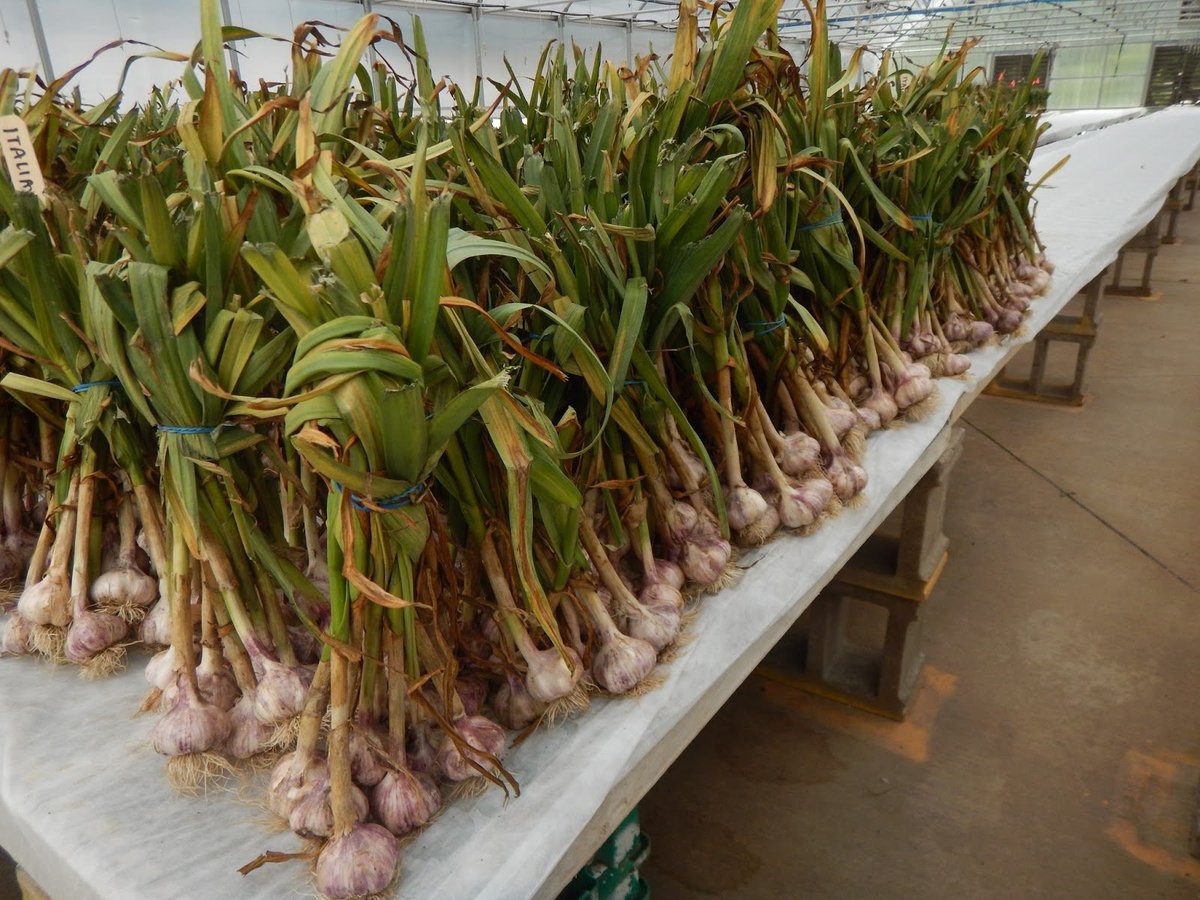
After about 4–5 months, your garlic will be ready for harvest. The best indicator is when most of the leaves turn yellow and start to dry. Gently loosen the soil and pull out the bulbs carefully to avoid bruising them. Shake off excess soil but don’t wash the bulbs immediately.
Cure (dry) the harvested bulbs by spreading them in a well-ventilated, shaded area for about 2–3 weeks. This process allows the outer skin to dry and the bulbs to store longer. After curing, trim the roots and stalks, sort according to size, and store in a cool, dry place.
Garlic can fetch high prices in both local and export markets, especially when well-cured and neatly packaged. You can sell it to markets, restaurants, supermarkets, or processors.
In short, garlic farming rewards patience and consistency. Start small, follow the right steps, and scale gradually as you gain experience. It’s a crop that doesn’t just spice up meals — it can also spice up your income!
#GarlicFarming #Agriculture #SmartFarming #AgriBusiness #Horticulture #FarmersGuide