Scientists have developed a new therapeutic approach that could reduce autism-related symptoms. Targeting SLC6A20 restored key brain signaling in preclinical models.
#Autism#Neuroscience#Science
A new immune mechanism has been discovered. In planarian flatworms, ruptoblasts sacrifice themselves to destroy bacteria and foreign cells within seconds.
Scientists have identified a new immune cell that destroys bacteria by exploding within seconds. The findings could inspire future therapies for infections and cancer.
#Science#Immunology#Biotechnology
The immune system may be even more fascinating than we thought. Stanford researchers identified a new immune cell, called a ruptoblast, that eliminates nearby targets by exploding.
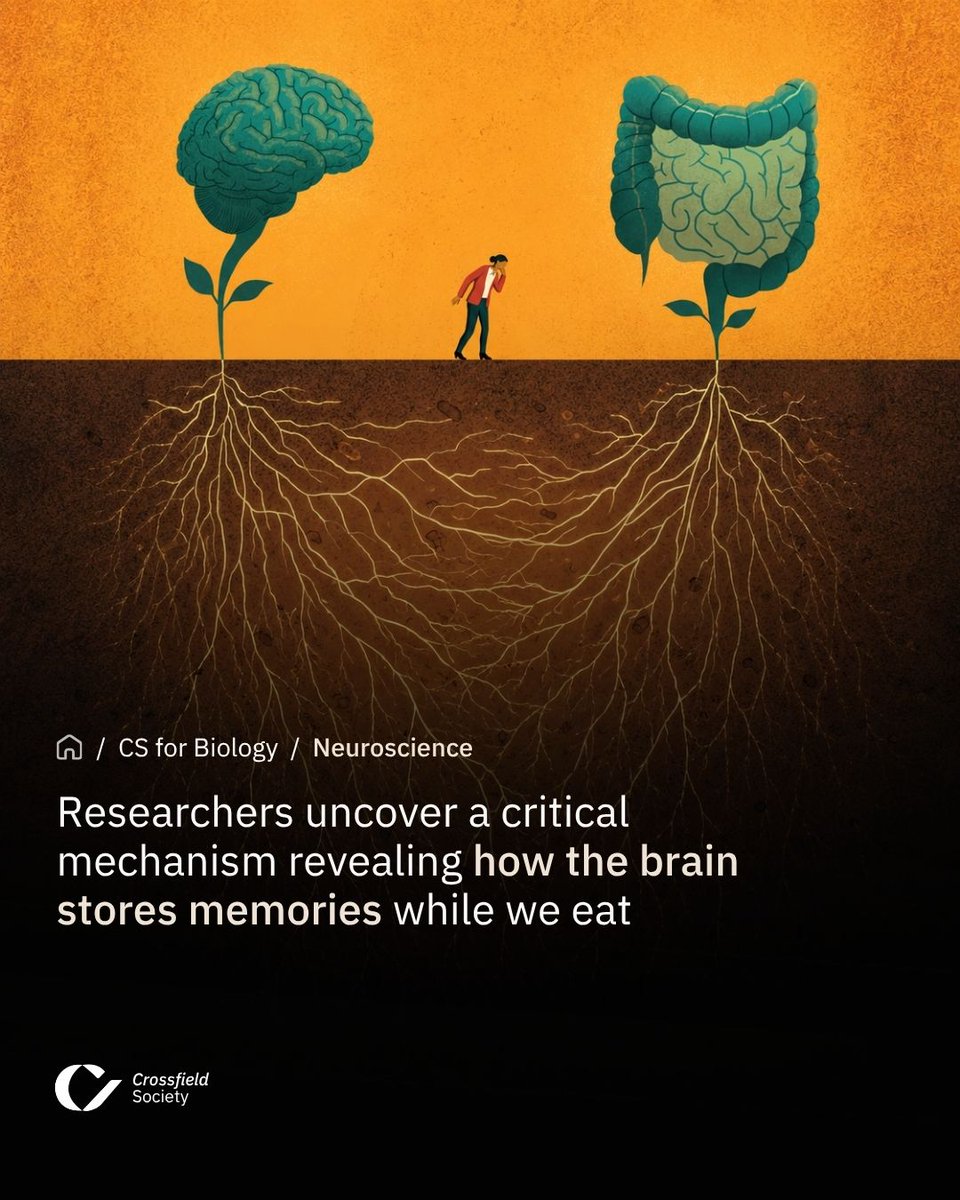
When researchers disrupted this pathway, subjects showed a significant decline in remembering food locations. The findings reveal that communication between the gut and the brain plays a direct role in memory, not just digestion.
Eating is about more than energy. A new study shows that signals traveling from the stomach to the brain directly support memory formation while we eat. #Neuroscience#Memory#Science
Logan Lauer and Scott Kanoski's team found that the vagus nerve triggers acetylcholine release in the hippocampus, helping the brain encode where and what we eat.
Developing new antibiotics takes years. But what if we could make existing drugs work again? That's exactly what they did: vancomycin + pghi-4 = a revived antibiotic.
Researchers from Sanford Burnham Prebys and University of Michigan uncovered a protein folding mechanism behind beta cell damage in diabetes. #Proteomics#DiabetesResearch#ProteinFolding
Chaperone protein BiP and its helper p58IPK must work together for proper proinsulin folding. Without p58IPK, misfolded proteins accumulate and insulin production drops.
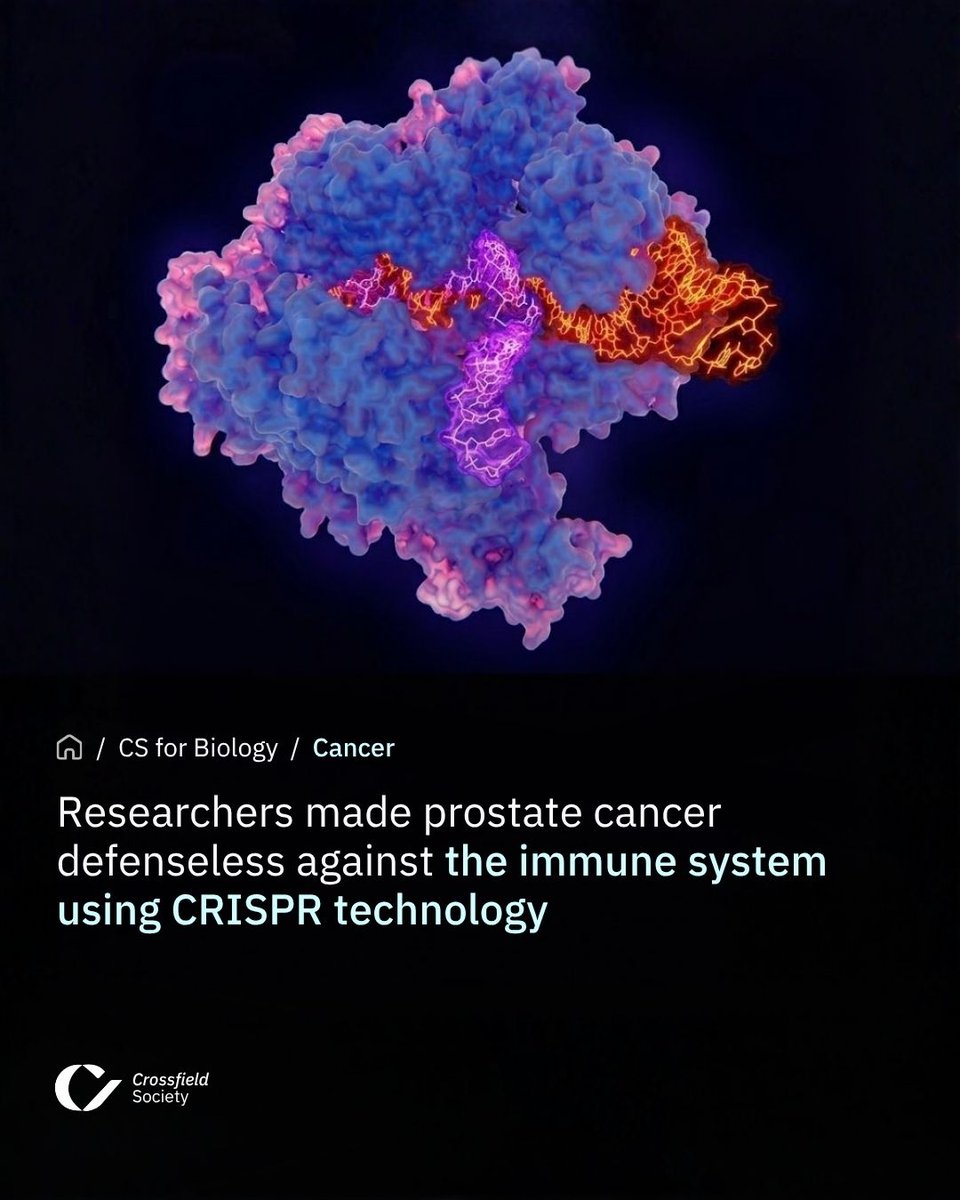
No off-target effects were detected. The team received pilot funding from Wilmot Cancer Institute and Roswell Park to test the approach in pancreatic cancer. A promising strategy for immune cold tumors.
Researchers at University of Rochester Medicine used CRISPR to make prostate cancer vulnerable to immunotherapy. Led by Eric J. Wagner, the team identified how tumors become invisible to the immune system. #CRISPR#ProstateCancer#Immunotherapy
Cancer cells shorten the mRNA for SPSB1 protein, destroying the MHC-1 complex. Tumors become undetectable by T cells. A CRISPR Cas13 system developed with Duke University re-lengthens those mRNAs and restores immune visibility.
The study, led by researchers at the University of Nottingham and published in BMC Biology, highlights how biodiversity can reveal unexpected clues for future cancer prevention and treatment.
A naturally cancer-prone leopard gecko may help scientists better understand human cancer. Researchers found that tumors in the "Lemon Frost" gecko share key genetic features with human cancers. #CancerResearch#Genetics#Science
Unlike laboratory mice, these geckos develop aggressive tumors naturally and at a young age. This gives researchers a unique opportunity to study how cancer starts, evolves, and spreads under real biological conditions.