Tonight they price the largest IPO in history.
$250 billion of orders for $75 billion of stock. One fixed price, $135 a share, take it or leave it. 555 million shares. Roughly 95 times sales. Five 2X leveraged SPCX ETFs launch the first morning it trades, and the passive index machine is forced to buy $15 to $30 billion more through a float under 5 percent.
This is not price discovery. It is queue discovery.
Nobody is being asked what SpaceX is worth. They are being asked to line up at a price the company already chose. Buyers compete for allocation, not for price. The book closes before the question is ever asked.
Look at what sits inside the queue.
Elon Musk keeps 82.4 percent of the votes after the sale, with founder shares that vest on a Mars colony and 100 terawatts of compute in orbit, milestones no shareholder can enforce. Starlink is real: $11.4 billion in revenue, a 63 percent margin, 10.3 million subscribers across 164 countries. But the same building houses an xAI that lost $6.4 billion in a single year, stacked on a Starship capex furnace that eats the cash engine many times over. The compute contract paying $1.25 billion a month can be cancelled in 90 days. The first public earnings report lands in November.
Elizabeth Warren asked the SEC to stop it. Jim Chanos is short and calls it hopes and dreams. Morningstar prices it at $780 billion, less than half. The queue does not care.
What the queue is buying is the next ninety days of forced flow. What the queue is not buying is what the public shareholder actually owns. Two different assets. Two different numbers. Not even close.
It is the cleanest forced-flow infrastructure listing ever executed, and the first true public market test of a brand new asset class.
Tonight they price the queue. The piece prices the gap.
What just happened?
The S&P 500 just erased nearly -$2 TRILLION of market cap just hours after 3rd strongest US jobs report in 18 months.
Meanwhile, Bitcoin is officially down over -50% from its record high in October 2025.
What's happening? Let us explain.
(a thread)
Bond yields take center stage this morning, and for good reason:
Driven by a 3–4% surge in oil prices, with Brent hitting $109, and hotter-than-expected Japanese PPI, inflation concerns are intensifying and, consequently, yields on advanced-economy government bonds are soaring this morning.
As illustrated in the Bloomberg chart below, these moves include the ultra-sensitive UK 10-year yield at 5.14%.
Also of note, the 30-year Japanese yield has traded this morning at 4%, its highest level since 1999.
#economy #markets #bonds #debt
Bloomberg:
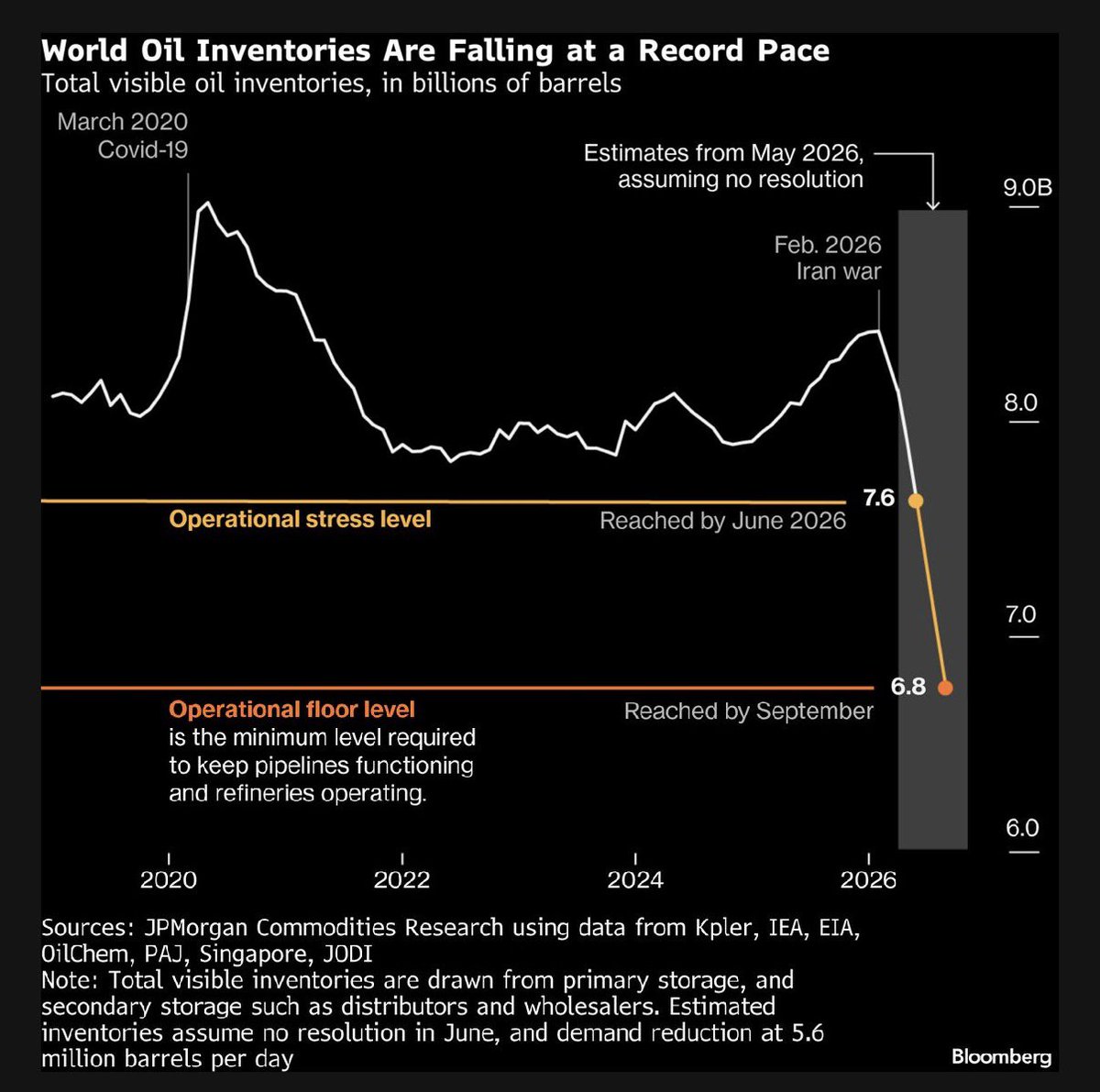
“The world has burned through oilinventories at a record speed as the Iran war throttles flows from the Persian Gulf…
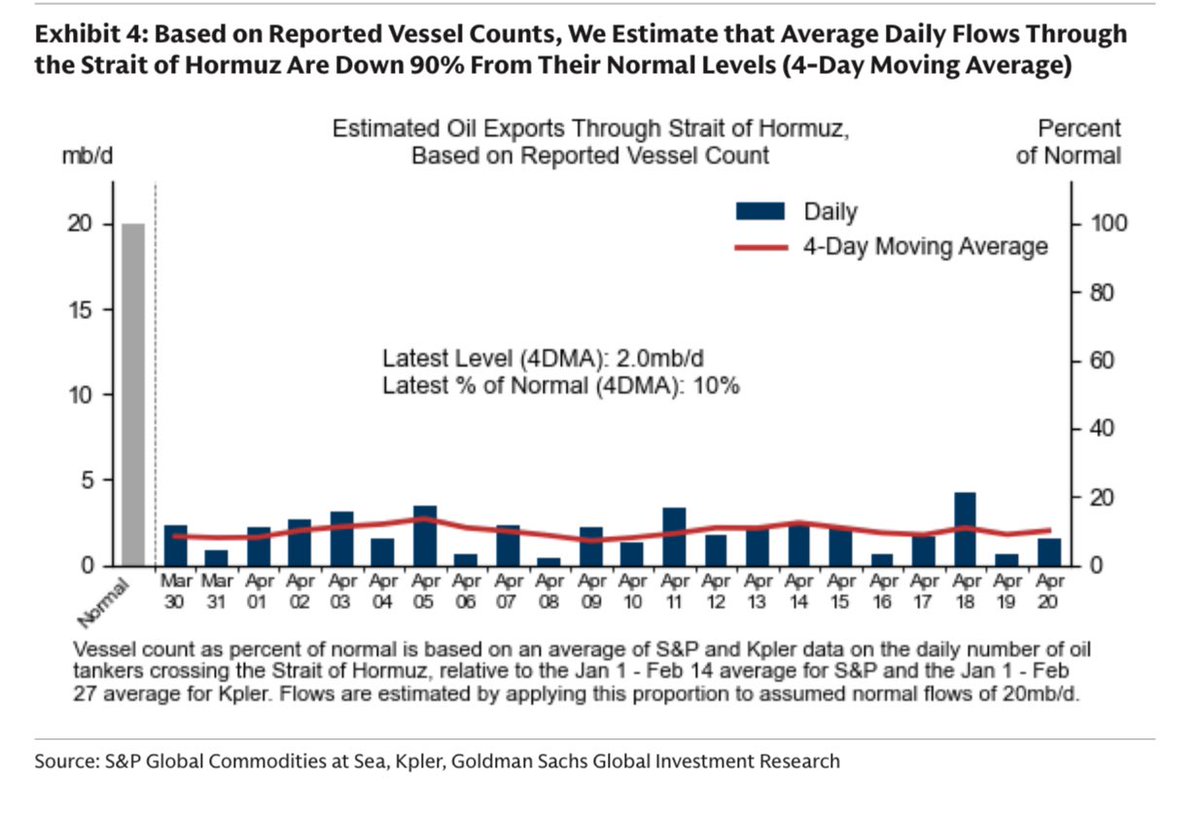
The rapidly shrinking stockpiles mean that the risk of even more extreme price spikes and shortages is getting ever-closer, leaving governments and industries with fewer options to cushion the impact of the loss of more than a billion barrels of supply, two months into the near-closure of the Strait of Hormuz.”
#economy #oil #markets #middleeastwar
The world’s oil buffers are rapidly being depleted, with crude inventories poised to reach the lowest levels on record even if the Strait of Hormuz reopens in full by the end of this month: GS’s Daan Struyven & team
“Europe has six weeks of aviation fuel left.”
Reopening the Strait of Hormuz is important to avoid “quantity rationing” that is in Asia’s future, and also Europe if the situation continues, says Egyptian-American economist and former CEO of PIMCO, @elerianm.
“This is the worst place we’ve been in 20 years,” or probably “longer than that,” for communal capacity to combat a widespread downturn: Harvard economist Carmen Reinhart. Global debt has surged by one third in the past 6 years, to $348 trillion. https://t.co/LceijvmKNU
This is absolutely insane:
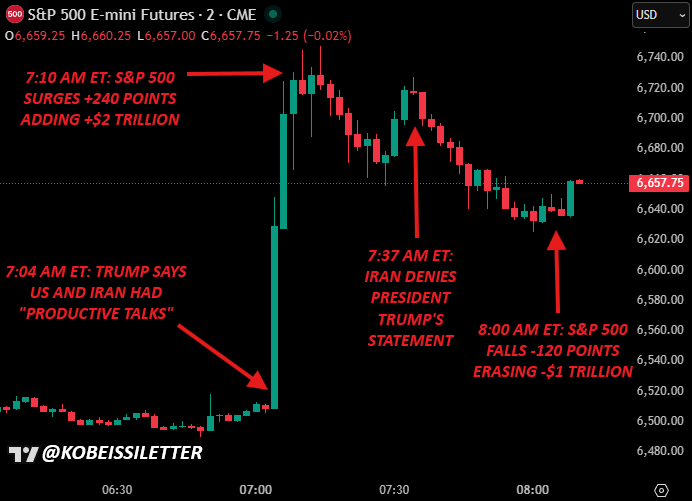
At 7:04 AM ET today, President Trump said “the US and Iran have had productive discussions" to end the Iran War.
By 7:10 AM ET, the S&P 500 surged +240 points adding +$2 TRILLION in market cap.
27 minutes later, Iran completely denied all of President Trump's claims and said there has been "no contact" with the US.
By 8:00 AM ET. the S&P 500 had fallen -120 points erasing -$1 trillion in market cap.
That's a $3 TRILLION swing market cap in 56 minutes, just in the S&P 500.
What is happening here?
Current situation:
1. US inflation expectations have surged to 5.2%, 3-year high
2. The Russell 2000 is officially in a technical correction
3. US gas prices have risen nearly +45% in four months
4. Interest rate futures are now pricing-in potential rate HIKES
5. Gold prices are down -$1,000/oz from their record high
6. Mortgage rates have risen 50+ bps to new 2026 highs
We are witnessing colossal economic change on a daily basis.
Default rates in direct lending will climb to 8% amid AI disruption, high leverage and looming maturity walls within the software sector: Morgan Stanley. https://t.co/9GeL184Hjd
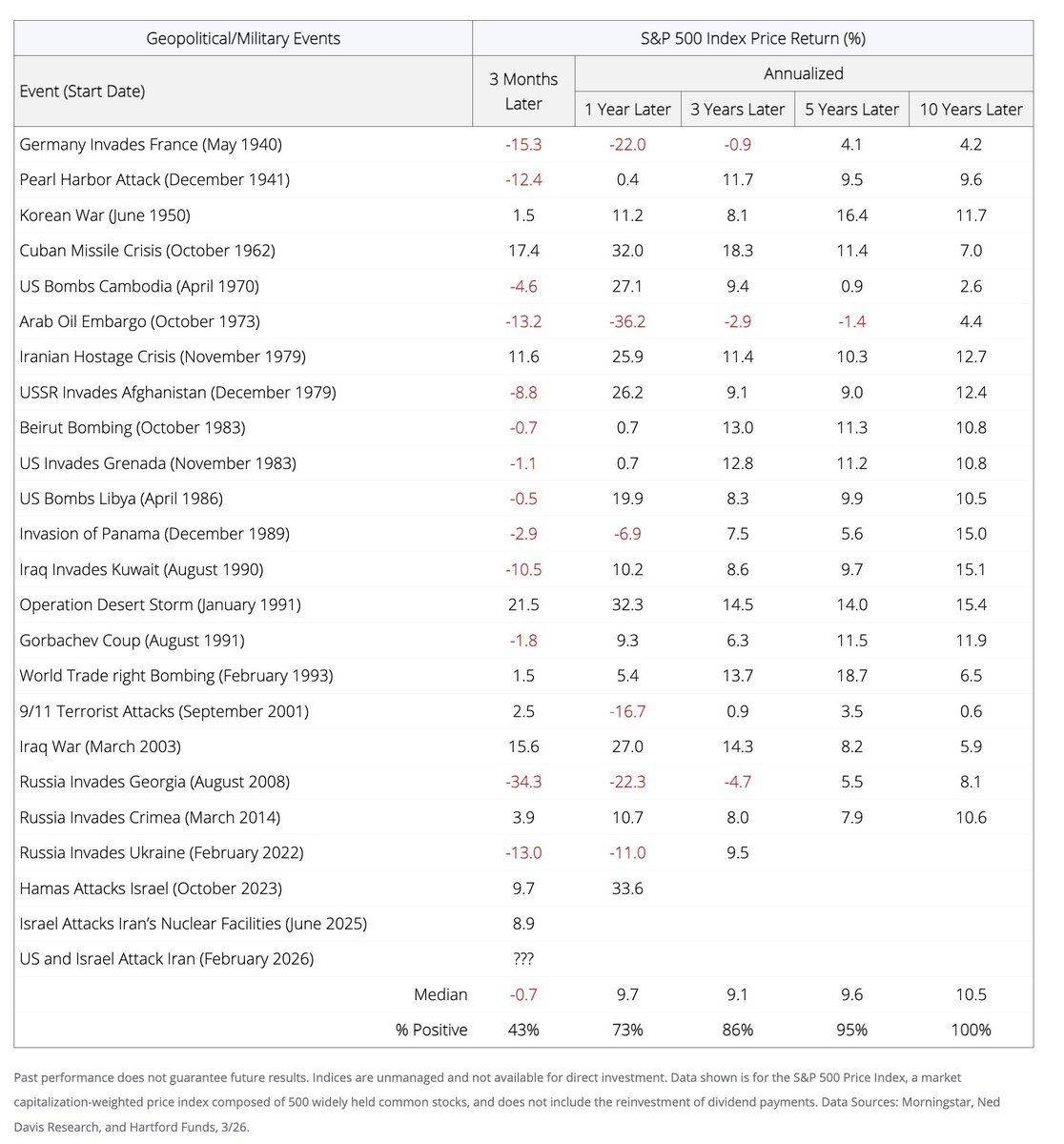
According to Hartford Funds, stocks generated positive performance one year after an act of aggression for 73% of the armed conflicts since World War II.
“It ain’t what you don’t know that gets you into trouble. It’s what you know for sure that just ain’t so. “ – Mark Twain
Statistics like these are not useless. They are dangerous.
Let me offer discussion points on why they decided to bomb Kharg Island.
The administration and military planners likely concluded that it would take weeks, if not months, to secure the Strait of Hormuz. During that time, oil prices could rise to levels that would suffocate the global economy.
This was unacceptable. They are desperate for immediate action. So, they needed a bold, decisive move to force Iran to relent quickly.
Trump was clear. They bombed Iranian military structures on Kharg but left the oil infrastructure unharmed (assuming this is accurate).
Recognizing that this could freak out oil markets, they announced it on Friday evening to give markets 48 hours to digest the news. Trump also made it explicit that oil infrastructure would be next if Iran did not allow ships to pass freely through the Strait of Hormuz.
In football terms, they're throwing a Hail Mary pass now, hoping it works. They don't have any more time on the clock. Oil markets and the world economy cannot wait weeks or months for the military to open the Strait.
Further, I could envision political advisors suggesting that if oil prices are destined to hit $200 without this action, it might as well happen next week, giving six months to bring them down before the midterm elections.
As I've argued in many other posts, Trump cannot simply declare victory and pull out (TACO). That would be worse. It would leave Iran in control of the world's economic jugular, allowing it to punish everyone by permanently holding oil at $200. So, they must force Iran to relent.
Again, these are just the thoughts running through my head as I try to explain to myself why they took this step.
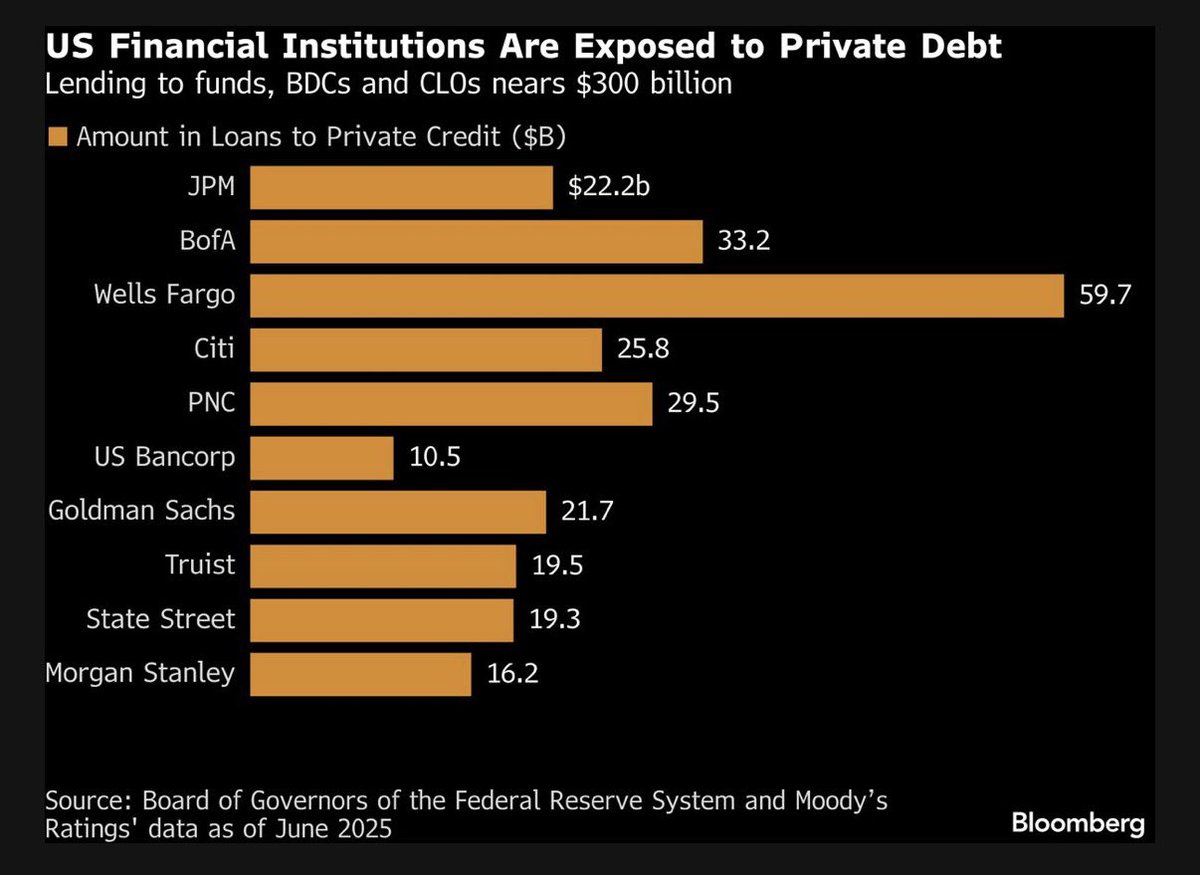
Following JPMorgan’s announcement earlier this week (please see earlier post), here’s Bloomberg on “back leverage:”
“Private credit funds, already on the defensive amid an unprecedented investor exodus and a number of defaulting borrowers, are now bracing for a battle with their go-to lenders: major banks.”
#economy #markets #privatecredit #banks
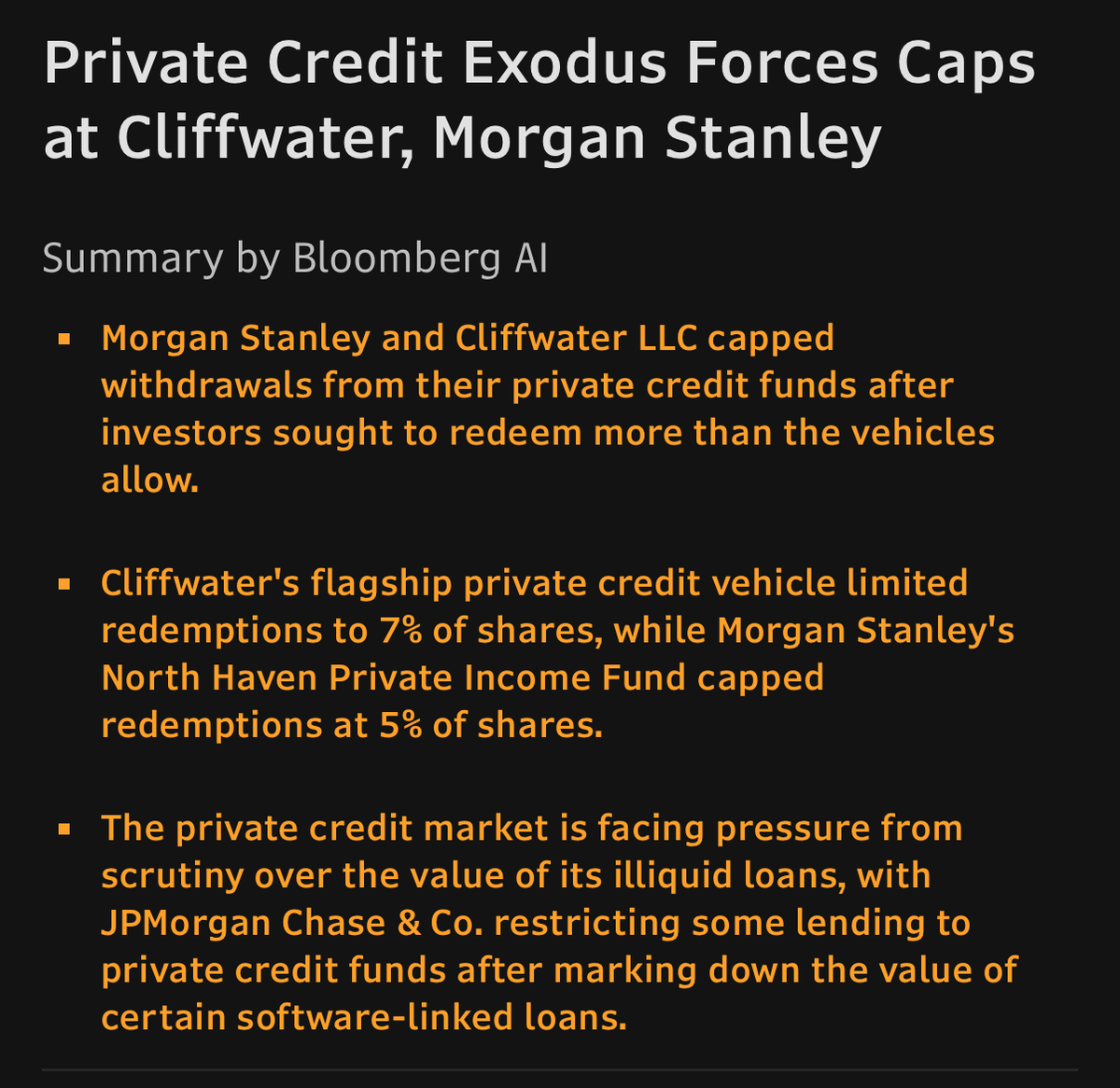
Meanwhile, on private credit in advanced economies, this headline from Bloomberg. Judging by the “most read” metrics, it's attracting significant attention this morning.
The proliferation of such headlines increases the risk of what I call the "ATM" scenario: investors forced to liquidate other healthy funds simply because they become the go-to source of available cash—even if those funds are fundamentally sound or operating in an entirely different asset class.
It’s a classic contagion phenomenon: "If you can’t sell what you want, you sell what you can."
While restricted liquidity tends to rank among the top five investor concerns, policymakers also recognize that, under extreme conditions, the line between liquidity and solvency can blur.
To be clear, we are not at that point--but it is worth watching given what else is happening in the global economy and finance (see earlier posts).
#economy #markets #privatecredit
🚨 BREAKING: President Trump says the "war is very complete" in Iran, and that Trump is considering "TAKING OVER" the Strait of Hormuz to accelerate oil tankers passing through
This has sent oil prices TANKING significantly, which should give Americans relief at the pump.
Major markets are now SPIKING into the green following President Trump's remarks
Trump told CBS he believes the US is "very far" ahead of the initial 4-5 week timeline.
🚨 BREAKING: CRACKS APPEARING IN THE FINANCIAL GIANTS
For the first time in its history, BlackRock’s $26 billion HPS Corporate Lending Fund is facing major withdrawal pressure.
Investors requested $1.2 billion in redemptions in a single quarter — more than 9% of the fund’s total assets.
That’s nearly double the 5% threshold where managers can begin restricting withdrawals.
BlackRock is only paying out $620 million, limiting the rest.
For years, private credit funds were sold as the “safe new frontier” of finance — massive returns, steady income, endless liquidity.
Now the first real test is beginning.
No one is calling it a crisis yet.
But when investors start rushing for the exit in markets that were supposedly “unshakable,” it raises a serious question:
Was this boom built on solid ground… or on too much money chasing too few real assets?