This account has been archived. Find us on our other channels to stay in touch:
👉 Bluesky: https://t.co/YQzPNx8jya
👉 LinkedIn: https://t.co/vR0emzXSI1
👉 Instagram: https://t.co/SPn1GCyIPo
👉 Facebook: https://t.co/PNH9WOFWFW
Or sign up for emails: https://t.co/ywfvMeZE83
#AusJChem speaker winner @_lisahua1 at #IC24 from @UNSWScience
"I research metal-organic frameworks as remediation materials to remove and lower detection limits of per- and polyfluoroalkyl substances (PFAS) from water, ensuring we can monitor these emerging contaminants."
@FierceDinosaur Yes, the fulltext article (currently free to read) includes photos of a selection of the fungi collected as part of this research, as well as example photos of collection sites, vegetation types and fauna interactions with fungi.
Read the latest #EditorChoice article published in #PacificConsBio:
'Macrofungi of Two Peoples Bay Nature Reserve, Western Australia' by K. Syme, T. Lebel and R. N. Hilton.
#FreeToRead for 1 month: https://t.co/yX97gGHsQw
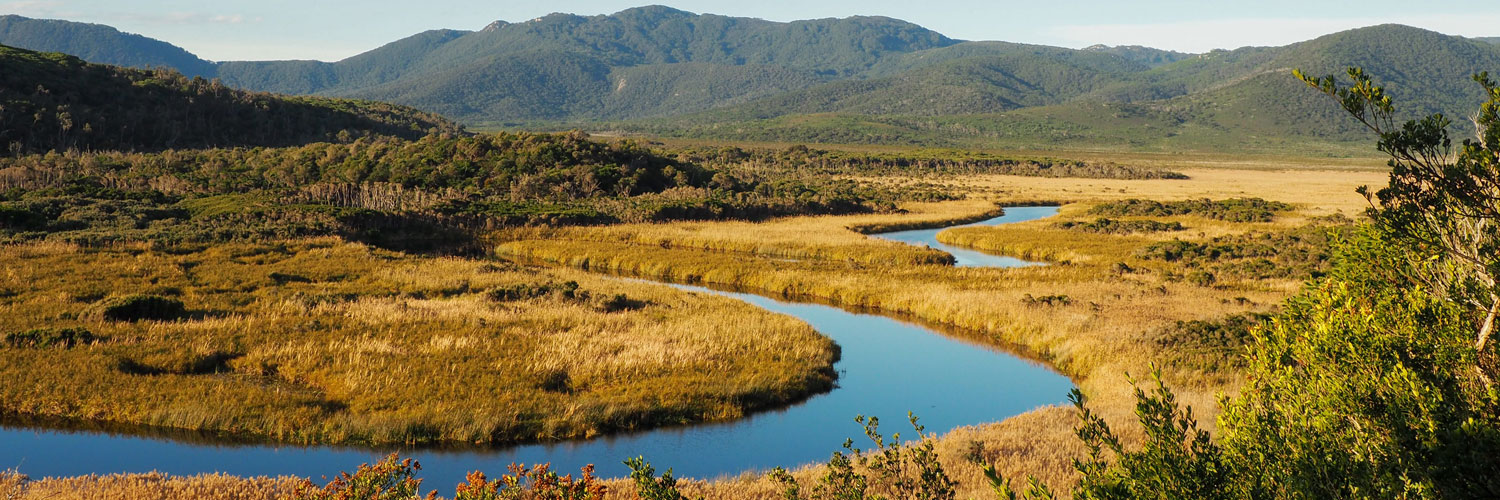
30 yrs since rediscovering #GilbertsPotoroo in Two Peoples Bay Nature Reserve, numbers have tripled. However, feral species, fire, and climate change remain ongoing threats for the world’s rarest marsupial. #CriticallyEndangered
📢New publication! AWMS member Trish Fleming and her colleagues recently published a paper documenting predation of endangered sawfish in Australia by red foxes. Read the paper: https://t.co/h2u5n6zdMP
Read the latest #AusHealthReview#EditorChoice article:
'Addressing unnecessary and avoidable transfers from residential aged care to emergency departments and hospitals' by Micah DJ Peters, Jarrod Clarke and Casey Marnie.
#FreeToRead for 1 month: https://t.co/luHkG2UFfb
📑 #NewStudy by Knott et al. looks at patterns of abundance for Eastern Blue #Groper along the #NSW coast, following trial rules prohibiting harvesting the species. This study will inform future management and regulations.
👀 https://t.co/RicbWIGV27
#Australia#fish#biology
#CallForPapers 📢
@envirochemistry invites submissions to the upcoming Collection 'Tire Road Wear Particles – Chemistry and Impacts'.
Guest Editors: Assoc. Prof. Barbara Beckingham and Dr. Cassandra Rauert
Submit your paper by 31 May 2025: https://t.co/cPSTqMkKPc
#EnviroChem
Just Published:
Finding Australian Birds, Second Edition, is a guide to 400+ birding locations in Australia, grouped into the best birding areas, and with details on target species, site access and facilities. The perfect travel companion for bird-lovers!
https://t.co/521HvOnTOR
Just Published:
Drought Country provides an exploration of Australia's harsh climate, weaving historical accounts with scientific theory. It also discusses how we can learn from our past to help our future on an increasingly water-scarce continent.
👉 https://t.co/4ZSS2vSbAb
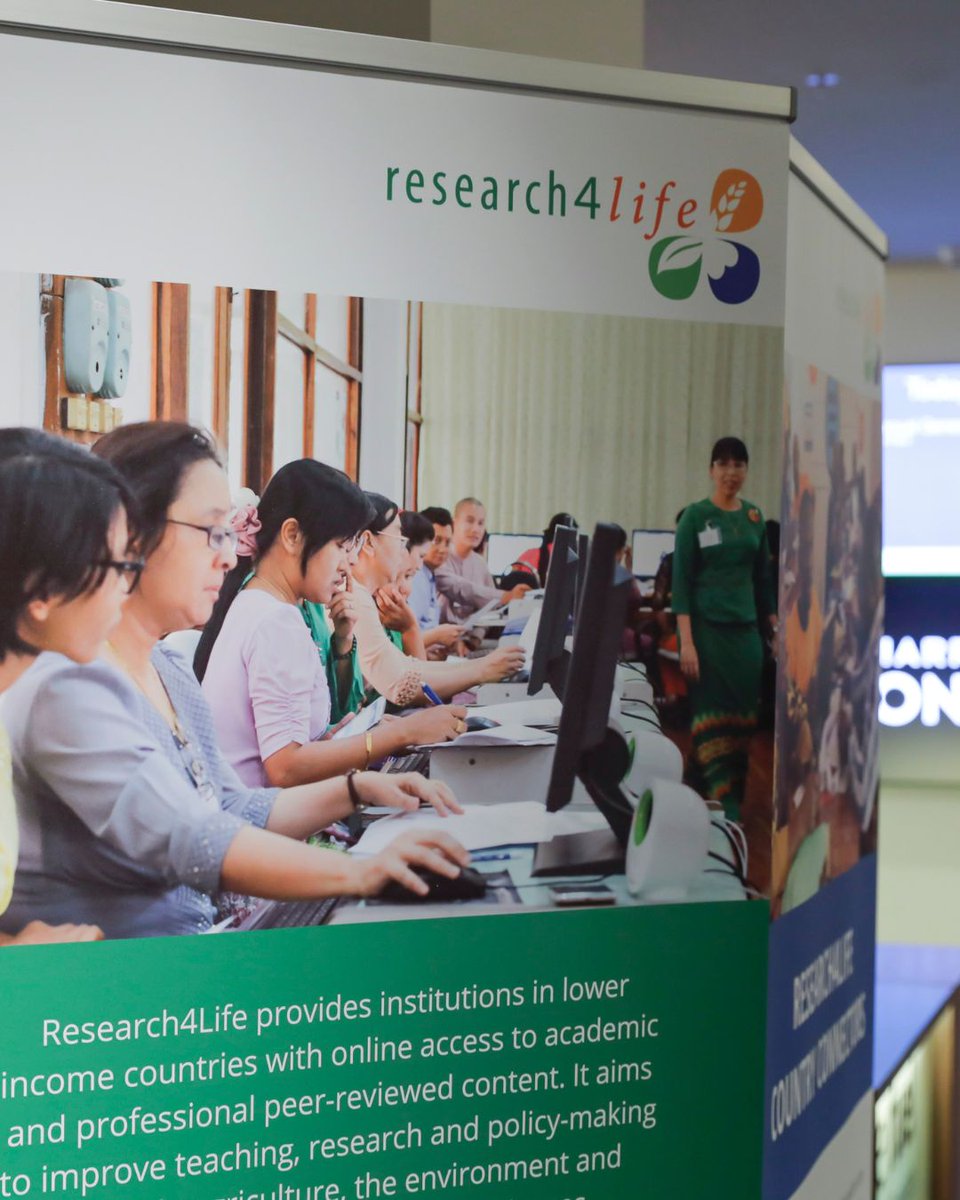
Good news for authors in lower income countries wishing to publish #OpenAccess.
Through our partnership with @R4LPartnership we are now able to waiver Author Processing Charges for authors from eligible regions for most of our journals.
Details: https://t.co/XRrVhq6IQ6
#CallForPapers 📢
@envirochemistry invites submissions to the upcoming Collection 'Sulphur- and Nitrogen-containing gases: emissions, oxidation, and impacts'.
Submit your paper by 1 April 2025: https://t.co/cPSTqMkKPc
#EnviroChem
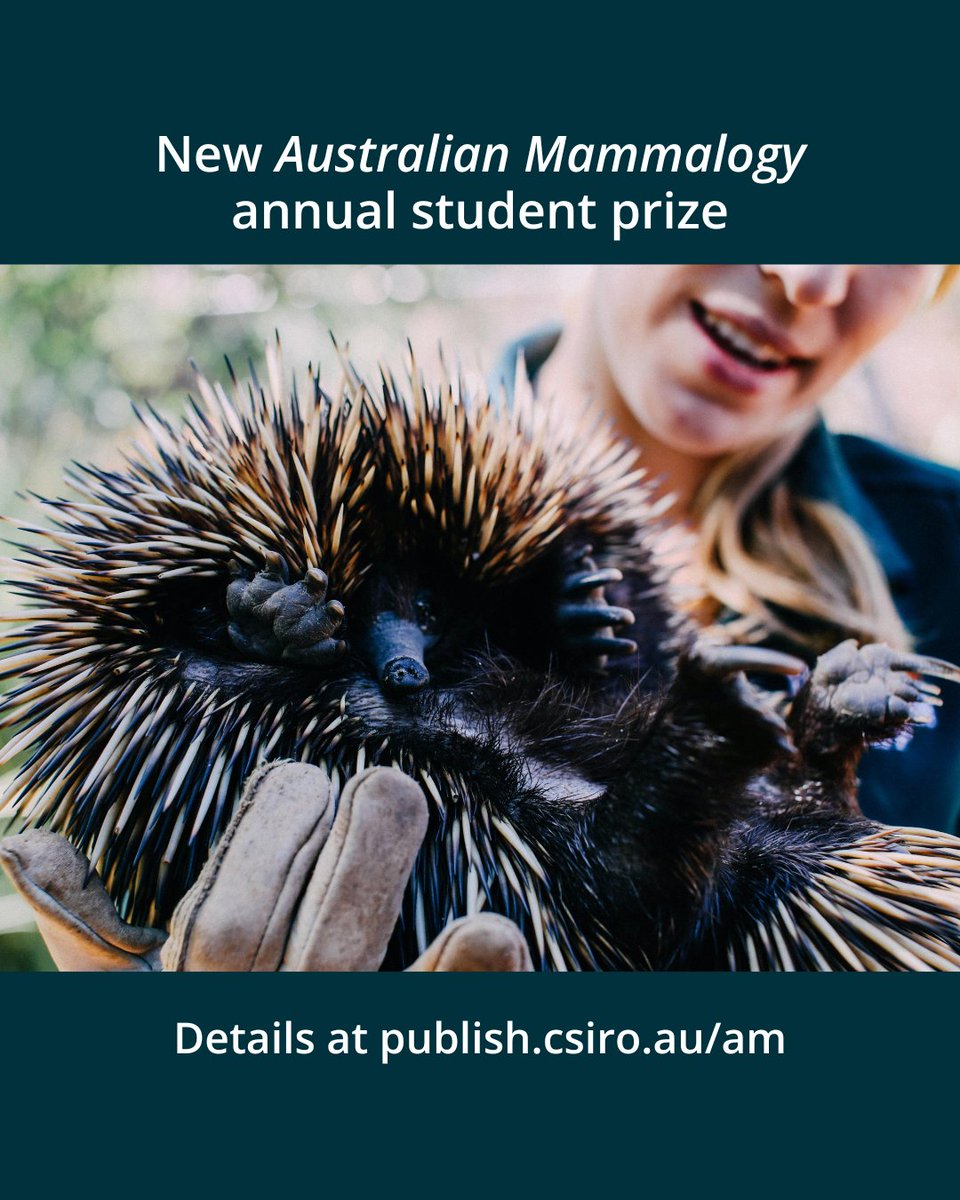
Calling mammalogy students 📣
Australian Mammalogy, the journal of @AusMammals, is now offering an annual Student Prize for the best student-authored paper published in the journal.
Details: https://t.co/obDgAPFSxQ
#AusMammalogy#StudentPrize
Many of us have been at the beach this summer, but have you considered using it as an opportunity to learn and nurture curiosity?
Our blog 'What Beaches Can Teach Us' has some tips based on content from a selection of our guides and children's books:
https://t.co/Qg1fJcsiaM
@AuspolVibeShift The study was to better understand where efficiency gains could be made, and the researchers identified a number of solutions. Read more about that in this article: https://t.co/OFWZfN3XGF
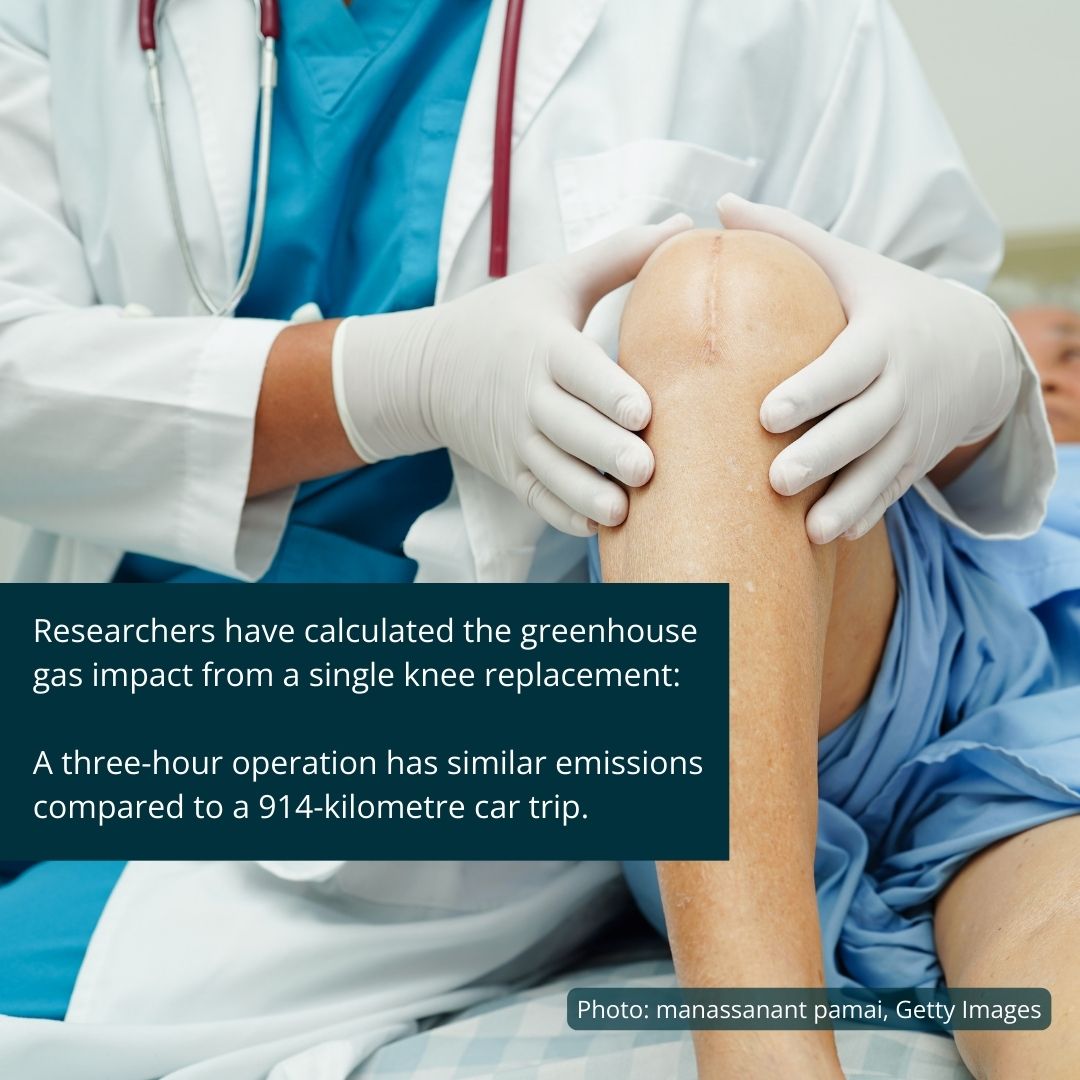
According to research published in Australian Health Review, a three-hour knee replacement operations has similar emissions compared to a 914-kilometre car trip - that's about the same as driving from Brisbane to Sydney.
https://t.co/OFWZfN3XGF
#AusHealthReview@western_health
@western_health Want to know more? Read the research article, 'The carbon footprint of total knee replacements', by Forbes McGain, Kasun Wickramarachchi, Lu Aye, Brandon G. Chan, Nicole Sheridan, Phong Tran & Scott McAlister in Australian Health Review:
https://t.co/jlkXp1KINe
#AusHealthReview