Attention university students! To celebrate World Soil Day 2026, FAO, GSP, ADEME, IUSS & the EU Soil Mission of the EC are holding a soil collage contest, ending 25 November 2026. https://t.co/aH3DCtDIAK
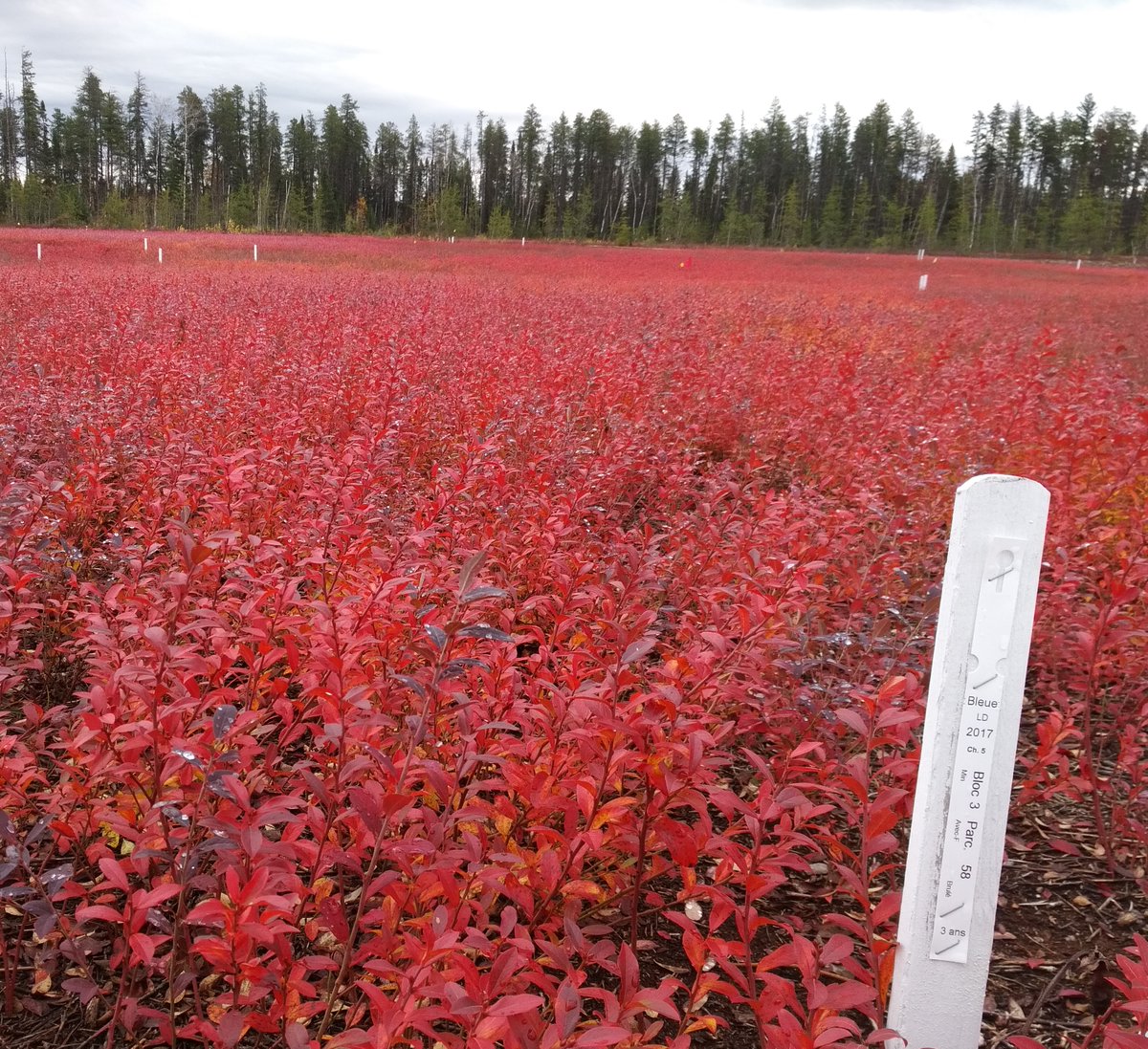
Researchers recently published results of a study on how the application of fungicides and fertilizers affected the soil fungi in the unique agroecosystems of lowbush blueberries. Shown: blueberry roots & mycorrhiza under a microscope. Learn more here: https://t.co/Qu7iVur3Dz
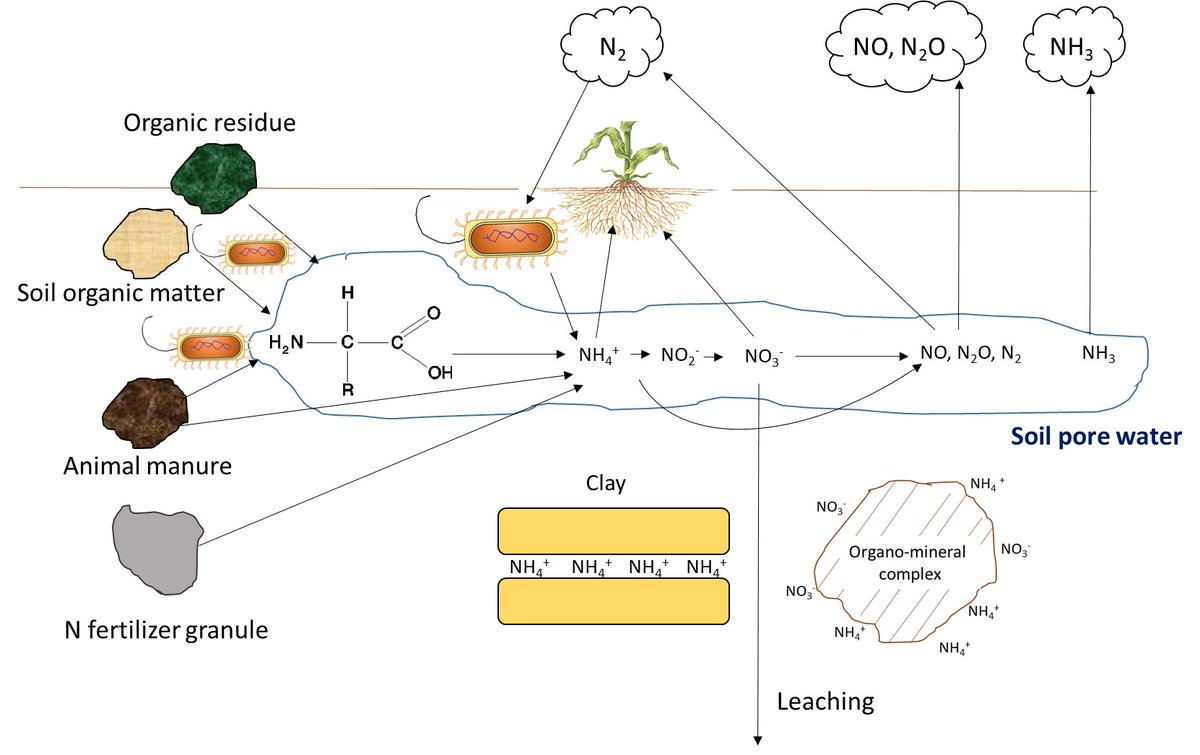
Predicting Growing-Season Soil Nitrogen Mineralization from Routine Soil Properties will be the 3rd CSSS Seminar Series with a presentation with Dr. Chedzer-Clarc Clément
When: Nov 26, 12:00-1:00 PM EST
Where: Online
Register here or with the QR code: https://t.co/vpNAoD0aih
Soil horizons differ from each other in colour, structure, texture, and many other properties. Studying the horizons in the #soil profile helps soil scientists create a picture of the #organic matter and minerals that make up soil in that location. https://t.co/aJmgg4KwoS
Mycorrhizal mycelial networks in soils can be pervasive and connect roots from multiple plants. They can facilitate energy and nutrient flow between them. A soil internet of sorts! Shown: mycelia of black spruce tree roots. Read more: https://t.co/WoNsKzqFZ4
“Soil is complex in its simplicity. Merely looking at soil, one can be forgiven for seeing just “dirt.” But a closer look reveals there is more to it than just that. That’s why Grace Gowera studied for her PhD in #soil science. Learn more: https://t.co/5V1fXo7Ylr @gowerag
Olatunbosun Ayetan will present Soil Structure under Contrasting Tractor Tire Pressures and Management Histories, October 30, 12:00-1:00 PM EST online. Use the QR code to learn more! @Tunbosunsol
Blueberries developed a symbiotic association with mycorrhizal fungi as a survival strategy. A paper from @CanJSoilSci looked at how fertilizer & fungicide applications affect lowbush blueberry cropping systems. Learn more: #GroundedInSoils blog post: https://t.co/Qu7iVur3Dz
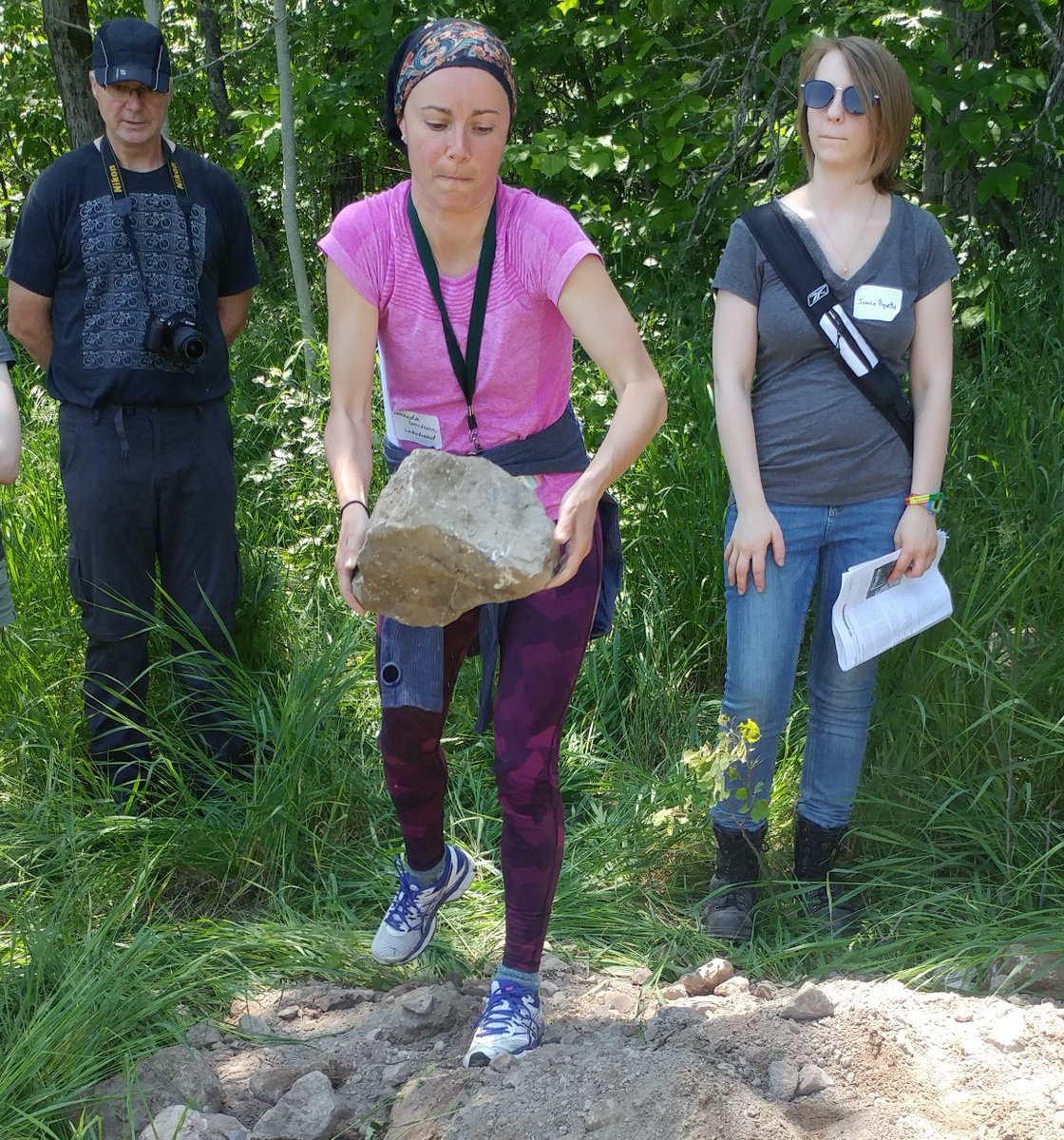
Soil scientist Amanda Diochon is “motivated by a desire for best management practises that achieve a balance of environmental quality, human health, and economic prosperity.” Read about her career here: https://t.co/J170K4y0ew
Join the CSSS leadership council! There are openings for President-Elect and Grad Student Reps (term starts March 2027). Learn more here: https://t.co/1bfpFLpaOt
The Canadian Society of Soil Science (CSSS) is pleased to announce the 2027 CSSS and Association québécoise de spécialistes en sciences du sol (AQSSS) Joint Annual Meeting. The conference will be held 4 – 9 July 2027 at Université Laval in Quebec City, Quebec. More info to come.
Soil supports plant growth. One way is providing a place for roots to anchor. Another way #soil supports #plant life is by being a resource for plant #nutrients. Read this #GroundedInSoils blog to learn more! https://t.co/1yfsWf3Wuf
Featuring #fungi in this new #GroundedInSoils blog! Fungi are an important part of the soil biome and an important part of the #nutrient cycle and #soil health. Fruiting bodies (mushrooms) are easy to see. Read more: https://t.co/WoNsKzqFZ4
Olatunbosun Ayetan will present Soil Structure under Contrasting Tractor Tire Pressures and Management Histories, October 30, 12:00-1:00 PM EST online. Use the QR code to learn more! @Tunbosunsol
Some bacteria call soil home. They influence soil matter as well as receive benefits from soil, too! Learn more by reading this CSSS #GroundedInSoils blog: Shown - bacterial colonies growing on a Petri dish) https://t.co/FjfeosS07i
Soils are now recognized as the most biodiverse habitat on Earth. Some biota in the soil can be seen, like ants and earthworms. Others can only be seen using a microscope. Learn more in this GroundedInSoils blog: https://t.co/GPSL3IMgCl
With 4R nutrient stewardship and soil and water conservation methods, farmers can grow crops in ways that protect the environment and are economically sound. They are easily adaptable to the home garden as well. Read this #GroundedInSoils blog: https://t.co/MNHHRhvVqz.
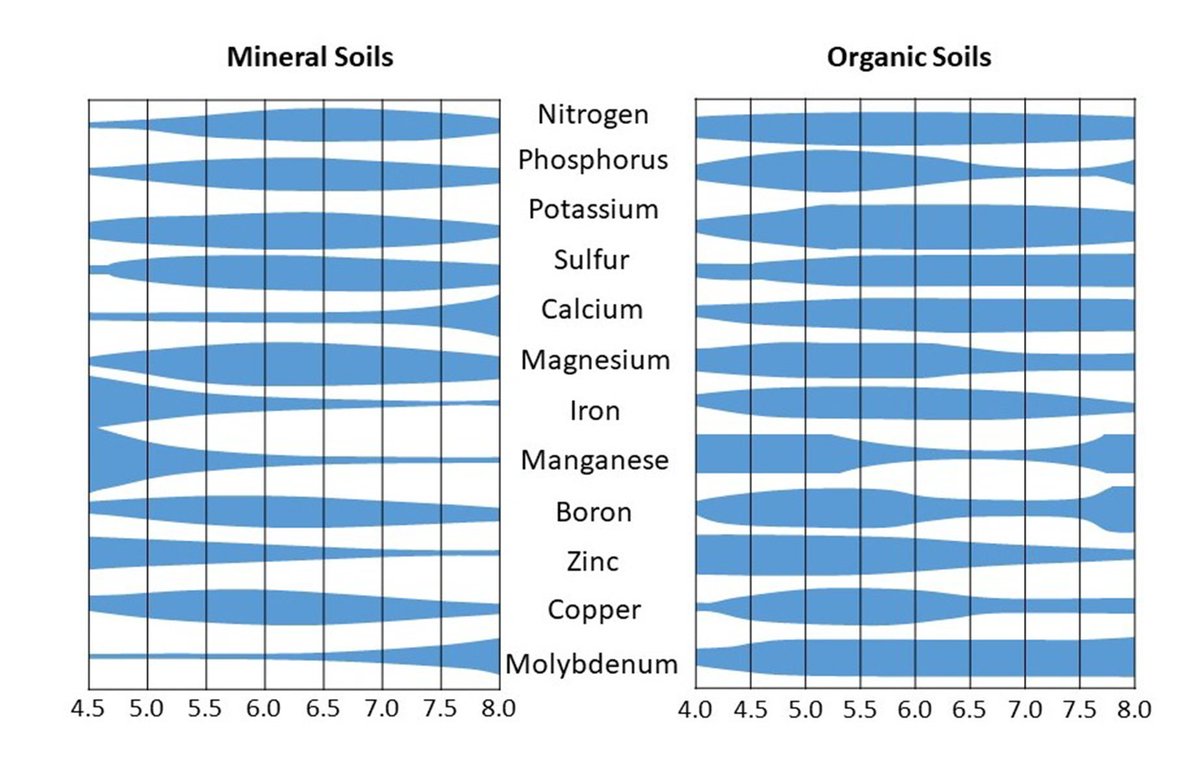
Soil pH matters because nutrients can be held or released by soil particles depending on soil pH. You can test and amend your soil so your garden has maximum potential, just like farmers do. Learn more in this #GroundedInSoils blog post: https://t.co/WPACCHrDOA
Soil pH matters because nutrients can be held or released by soil particles depending on soil pH. You can test and amend your soil so your garden has maximum potential, just like farmers do. Learn more in this #GroundedInSoils blog post: https://t.co/WPACCHr5Z2
Soil can capture and retain water for a substantial amount of time, depending on the type of soil particles present. By storing water, soil supports plant & soil microbe health & growth. Learn more about how soil holds water in this #GroundedInSoils blog: https://t.co/0LuqgLsMoW