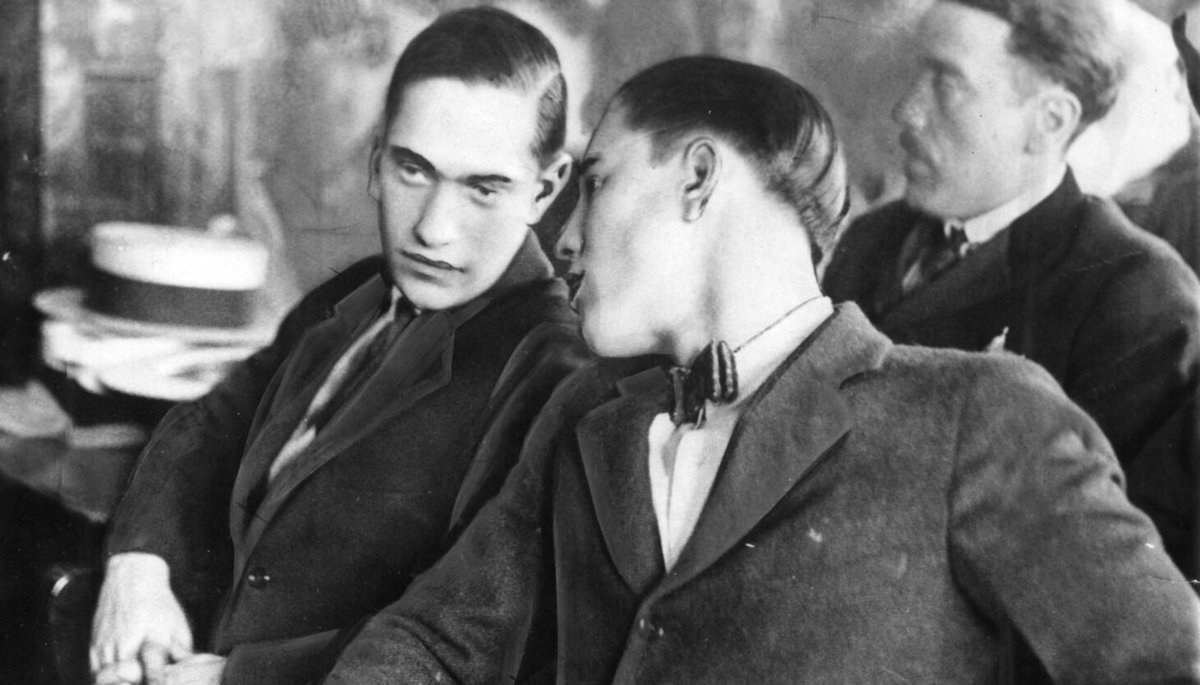
"He wrote on the will to power. Nathan Leopold is not the only boy who has read Nietzsche. He may be the only one who was influenced in the way that he was influenced."
"He wrote one book which was a criticism of all moral codes as the world understands them—a treatise holding that the intelligent man is beyond good and evil, that the laws for good and the laws for evil do not apply to those who approach the superman. . .
"[Nathan Leopold] became enamored of the philosophy of Nietzsche. Your Honor, I have read almost everything that Nietzsche ever wrote. He was a man of a wonderful intellect—the most original philosopher of the last century."
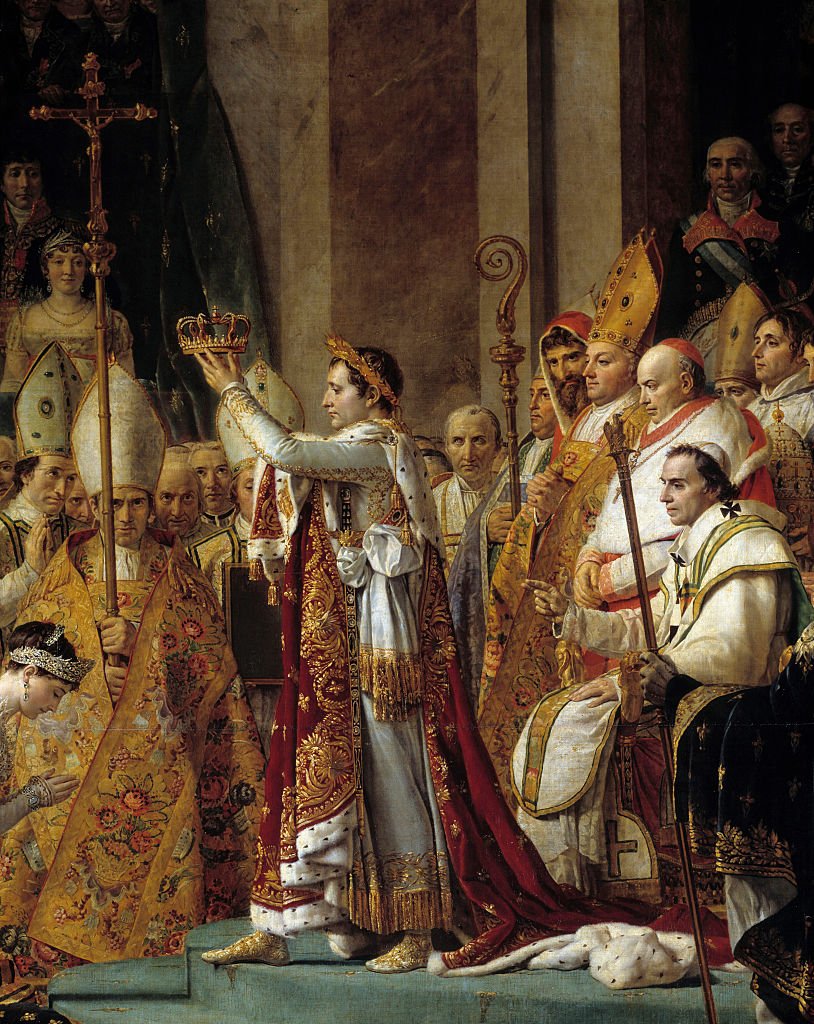
instinctive, and too early to be the Superman, who has yet to step onto history’s stage. The great man is at once memory and premonition: elemental, eruptive, standing apart from the civilization and the age from which he emerges.
For Nietzsche, the great man — “the genius,” the progenitor of the man of the future, the Übermensch, and in Napoleon the closest approximation the modern world had yet produced — is always untimely. He arrives too late to stand among the ancients, whose will to dominate was
saved up and preserved for their use, and that no explosion has taken place. When the tension in the bulk has become sufficiently excessive, the most fortuitous stimulus suffices in order to call 'genius,' 'great deeds,' and 'the momentous fate into the world.'"
"Great men, like great ages, are explosive material, in which a stupendous amount of power is accumulated; the first condition of their existence are always historical and physiological; they are the outcome of the fact that for long ages energy has been collected, hoarded up,
sovereignty of the populace' (antidemocratic), that he made 'playthings of ideas, people, religions, and governments' (that he was like Nietzsche's 'higher man') 'managing mankind with incomparable dexterity and brutality [...] a superior artist'.
From Nietzsche as Bonapartist
"Everything that offends Taine about Napoleon, though he marvels too, Nietzsche admires: that Napoleon 'subordinated the State to his personality' (autocratic), that he was not bewildered by democratic illusions and felt 'disgust for the [French] revolution and the
"When confronted by a member of the parole board with the trope he had most famously come to inhabit in the public’s imagination, Leopold denied knowing much of anything at all about Nietzsche. . .
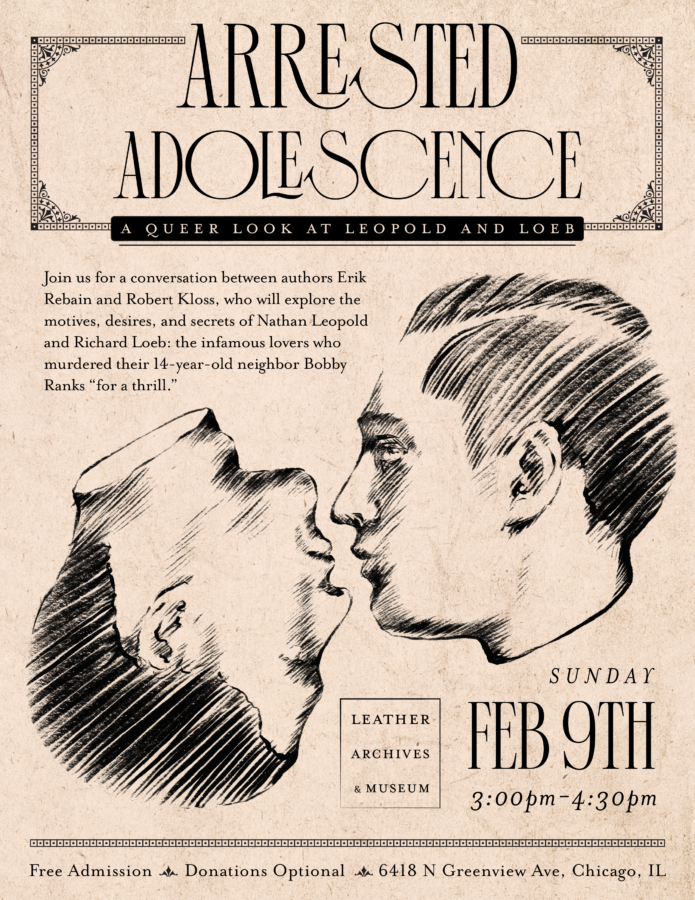
But beneath the clichés lies a complex structure. What appears “motiveless” is in fact saturated with fantasy; what is glossed as “thrill” only begs the question: the thrill of what?
The discourse around the Leopold and Loeb is saturated with two descriptors: motiveless and thrill. Journalists, criminologists, and even historians routinely deploy them.
(what structures of desire animate the subject beneath, or better, in the interstices of, discourse).
Here we encounter a set of asymmetrical but intersecting fantasies, spiraling upward in their bid for sovereignty before collapsing under their own contradictions.
Having described how Loeb’s crime becomes discourse — a “metaphysics of crime,” a bourgeois festival of illegality — we can now shift from the level of discourse (what crime means socially, aesthetically, historically) to the level of fantasy and drive





![CurtWolf12's tweet photo. "[Nathan Leopold] became enamored of the philosophy of Nietzsche. Your Honor, I have read almost everything that Nietzsche ever wrote. He was a man of a wonderful intellect—the most original philosopher of the last century." https://t.co/eXZfZ2DMSF](https://pbs.twimg.com/media/G1DcD2ZbQAA996-.jpg)


![CurtWolf12's tweet photo. sovereignty of the populace' (antidemocratic), that he made 'playthings of ideas, people, religions, and governments' (that he was like Nietzsche's 'higher man') 'managing mankind with incomparable dexterity and brutality [...] a superior artist'.
From Nietzsche as Bonapartist https://t.co/vNnf4rBmtJ](https://pbs.twimg.com/media/G00LZpwb0AALloX.jpg)
![CurtWolf12's tweet photo. "Everything that offends Taine about Napoleon, though he marvels too, Nietzsche admires: that Napoleon 'subordinated the State to his personality' (autocratic), that he was not bewildered by democratic illusions and felt 'disgust for the [French] revolution and the https://t.co/D8Qd4w3xMG](https://pbs.twimg.com/media/G00JGTKagAIc2Vt.jpg)