The Checkmarx KICS compromise involved multichannel poisoning—Docker Hub, VS Code, GitHub Actions—culminating in a downstream Bitwarden attack. Learn how credential theft is operationalized in this analysis by TrendAI™ Research: https://t.co/jrSBUugCiY
Lets start a threat hunting thread where we reveal some of our secret hunting methods. I will start first.
Check SSL info on IP webscans. This way you can find configured domains from threat actors on confirmed malicious IP infrastructure.
Also you can pivot beyond cloudflare
The FLARE team now freely distributes its quality reverse engineering and malware analysis educational content at https://t.co/bGCIjBfD3C. Launched with:
- Malware Analysis Crash Course
- Go Reversing Reference
- Intro to TTD
The Axios supply chain attack is cross-platform, affecting Windows, Linux, and macOS. From a forensic perspective, the same techniques we cover in the official 13Cubed training courses can help identify compromised hosts and detect potential post-exploitation activity. Even the good ole' Windows Run key is abused. As always, Huntress has an excellent writeup: https://t.co/cPUjClvsXV
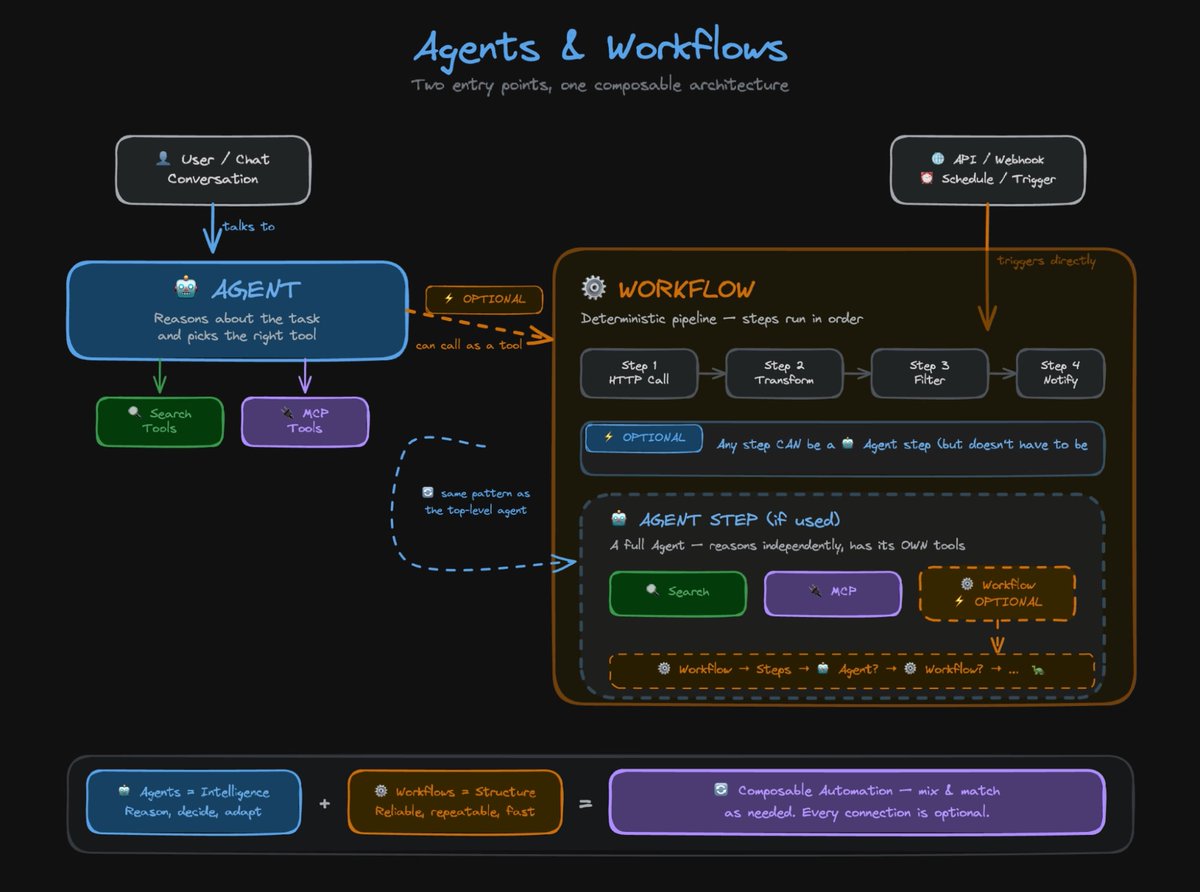
APT confirmation used to take hours. Now it takes 4 minutes.
Attack Discovery correlates alerts into a single narrative.
A workflow triggers the agent.
The agent:
• Looks up the hash on VirusTotal
• Runs ES|QL queries across your logs
• Finds the on-call analyst
• Creates a case
• Opens a Slack incident channel
All before you read the threat intel report.
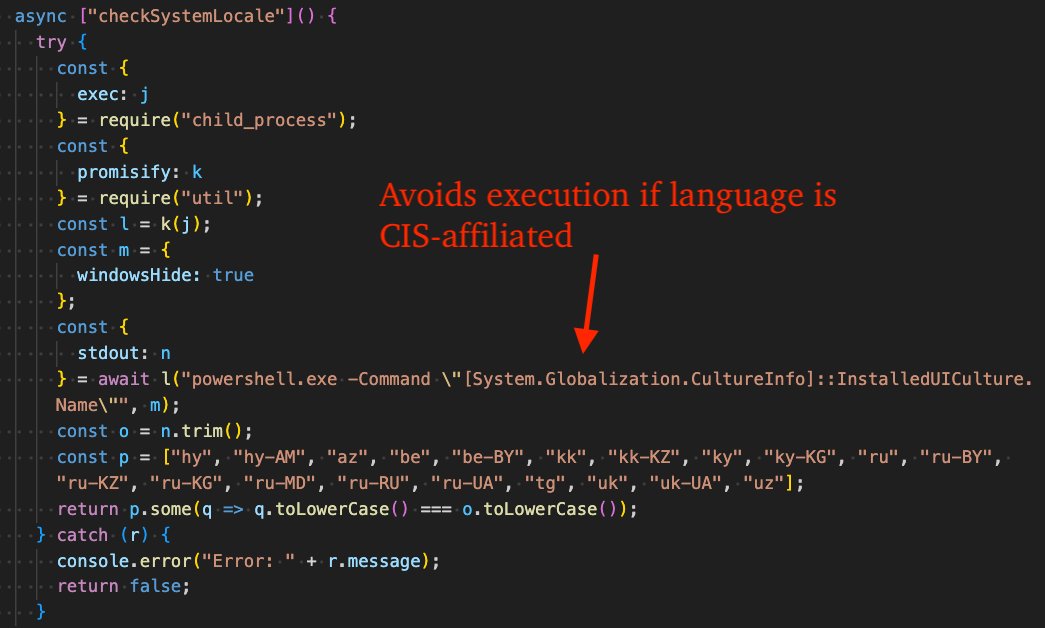
Fresh *CLICKFIX* coffee brewing 😂
This one just showed up on my radar, defender you know what to do with it 🤭
coffeemaxusa[.]com
#cybersecurity#clickfix#defender
MuddyWater is no longer the noisy PowerShell actor defenders once known.
Over past 2 years, the Iran-linked threat actor MuddyWater has evolved significantly
Moving from basic phishing and script-heavy intrusions to multi-stage operations using Rust-based implants and custom backdoors.
FalconFeeds telemetry shows MuddyWater activity clustering around key Iran–Israel and Iran–GCC escalation windows, suggesting its operations are closely aligned with geopolitical tensions.
More importantly, MuddyWater appears to play a strategic role in Iran’s cyber ecosystem: harvesting credentials and network access before handing footholds to higher-tier operators
Read the full analysis in the blog → https://t.co/SyPcjwm36E
For SOC and CTI teams, this evolution highlights how persistent actors adapt quickly.
#CyberThreatIntelligence #ThreatIntelligence #APT #Iran #CyberWarfare #SOC #MITREATTACK #falconfeeds
New blog! We found an open directory attributed to #MuddyWater Iranian APT and found vulnerabilities/victims they've been targeting, red-team tools, and a loader that deploys a persistent variant of #Tsundere botnet - a MaaS sold by a Russian threat actor that is known for using #EtherHiding to store C2 addresses on the Ethereum blockchain.
https://t.co/45X2IIlkgB
Iran-linked Handala Hack (aka Void Manticore, COBALT MYSTIQUE) is a reported vector for an increase in wiper attacks. This Insights blog details proactive recommendations for security teams, from identity management to enhancing security controls. https://t.co/5KhvzN5f5K
25 Linux commands every DevOps engineer should know, and when you actually use them:
1. top / htop: see what's eating CPU and memory right now
2. ps aux: list every running process with ownership
3. lsof -i: see which process owns which port
4. ss -tulnp: active connections and listening sockets
5. netstat -rn: routing table, useful when traffic goes nowhere
6. tcpdump: capture actual packets when curl lies to you
7. strace: trace system calls, last resort debugging
8. dmesg -T: kernel messages, OOM kills show up here
9. journalctl -b -1: logs from the previous boot
10. df -h / du -sh: disk usage before you get a "no space left" alert
11. free -m: memory overview including buffers and cache
12. vmstat 1: real-time CPU, memory, IO snapshot
13. iotop: which process is hammering disk
14. uptime: load averages, quick node health check
15. who / last: who logged in and when
16. curl -v: full HTTP request/response including headers and TLS
17. dig / nslookup: DNS resolution debugging
18. traceroute / mtr: packet path and where it breaks
19. iptables -L: firewall rules, often the silent culprit
20. systemctl status: service state, last logs, exit codes
21. crontab -l: scheduled jobs, often forgotten until they break
22. find / -name: locate files across the system
23. tar -xvf / gzip: compress, extract, move things around
24. chmod / chown: permission fixes, classic junior task
25. env / printenv: check what environment variables are actually set
You don't need to memorize all of them.
But if one of these saves you 20 minutes during an incident, it was worth knowing.
🎉New report out Monday 2/23 by @malforsec, @lapadrino, and @PeteO!
"The Base64 string $dsU contained the shellcode. We decoded it and used SpeakEasy..."
If you would like to be notified when we publish the report 👉️ https://t.co/oPX1ir9O13
#DFIR#IncidentResponse
We just cancelled our Cybersecurity subscriptions.
CrowdStrike. Cloudflare. Okta. All gone. We save over 4M/yr as a company.
Instead I just use Claude Code to handle all security measures.
We just gave up all our sensitive user data. I am being personally sued by the FTC and am writing this from an undisclosed location.









![0x534c's tweet photo. Fresh *CLICKFIX* coffee brewing 😂
This one just showed up on my radar, defender you know what to do with it 🤭
coffeemaxusa[.]com
#cybersecurity #clickfix #defender https://t.co/7U2A2tOCxz](https://pbs.twimg.com/media/HDrutLDbEAAD1pN.jpg)