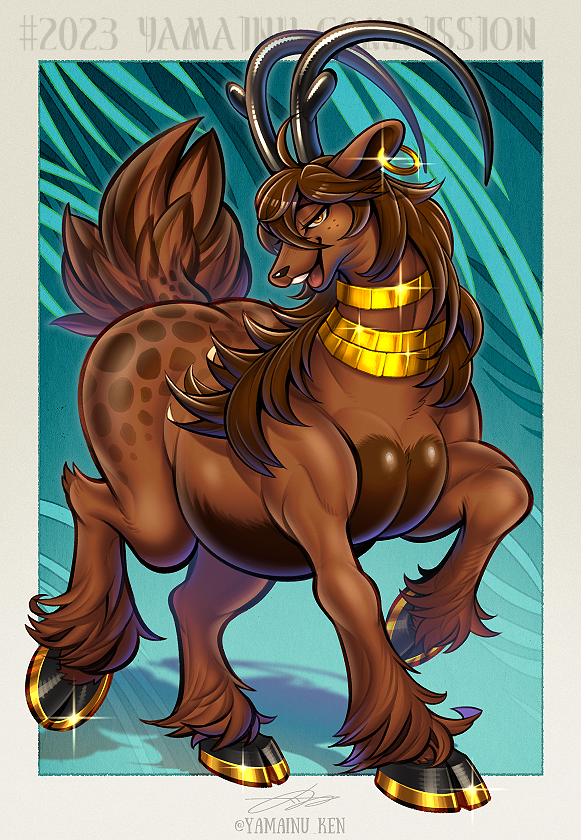
A lot of different artists inspired me to start drawing this funny stuff with their own art!
However, these 3 were the main culprits!
@/FluffyXai @/MrFurelli @/alostbell
If it were't for them, I wouldn't have started drawing jungle girls and swirly snakes!
God I feel so miserable, everyday i wake up feeling like I'm drowning. My head hurts, my face hurts. I can't even visit a doctor since i have no insurance rn, rent due and I don't even have enough for that. 2024 is starting out rough :c
Raising a stink to higher ups seems to be the ONLY way things get done here, so please try and help me get this rolling.
@Support@X The account for @/AyyTeeThreeDee has been compromised.
SPREAD THIS. TAG X AND ITS SUPPORT. Make a stink.
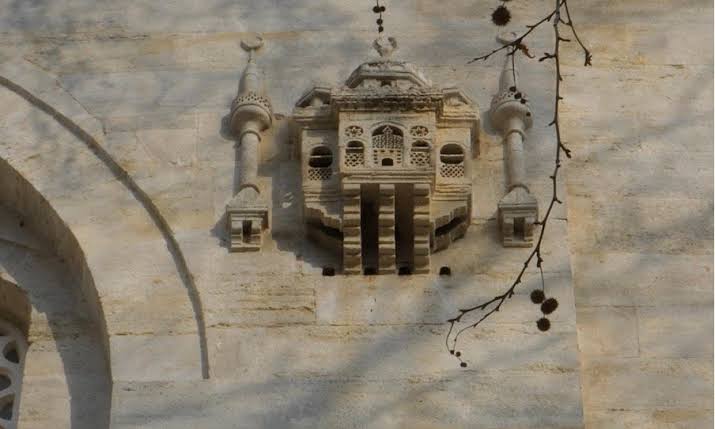
"Ottoman Bird Palace"
An important element of Ottoman architecture in Türkiye, was addition of birdhouses affixed to outer walls of significant city structures, a safe space for regular avian guests to nest outside of mosques, inns, bridges, libraries, schools, and fountains. Birdhouses were not simple concrete structures, but rather elaborate feats of miniature architecture that ranged from one-story homes to multiple-story bird mansions.
In addition to providing shelter, birdhouses fulfilled a religious vision. They were thought to grant good deeds to those that built tiny homes. Through their abundance and care, structures encouraged a love of animals in Turkish public.
It was designed to accommodate feathered friends welcomed with elaborate birdhouse designs. Birds, in their own unique way, were welcomed to ornate structures with their own avian-sized palaces that look just like miniature versions of larger thing: multi-story mansions complete with balconies on which to survey their world at large. Some of these homes even included water troughs or runways fit for takeoffs and landings.
Stunning birdhouses speak to overall attitude that Ottoman Turks had towards animals. Structures built during this time between 15th-19th Century CE, were designed with care and protection of creatures in mind. Avian homes, with nicknames like “kuş köşkü” (bird pavilions) and “serçe saray” (sparrow palace), are examples of this. While some stunningly detailed homes were simply for refuge, other birdhouses fed winged creatures in times of cold weather or could help take care of them while they were sick.
In their heyday, birdhouse designs were present in nearly every Turkish city. As time has worn on, but only a relatively small selection that remain today. Oldest example is 16th Century CE, iteration that's attached Istanbul's Büyükçekmece Bridge.
- Subscribe for Weekly Newsletter -
https://t.co/QSjn4yGpeh
#archaeohistories
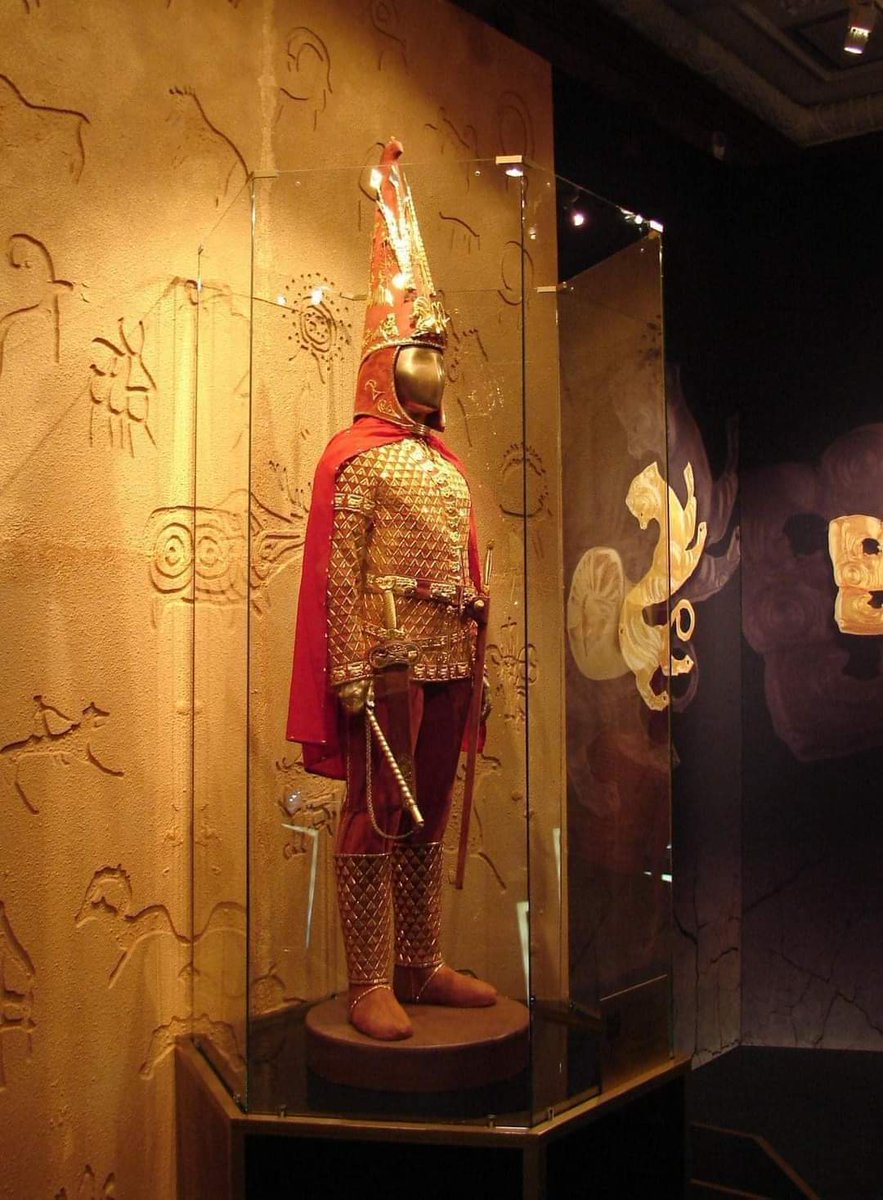
An unusually rich “Scythian” burial, dated around 3rd-2nd Century BC, was found in 1969 near Issik, near Alma Ata (Almaty), Kazakhstan.
It included a silver drinking bowl containing engraved “runic” writing, along with a sword and hundreds of golden decorations that were sewn onto clothes of deceased.
This was topped by a very tall conical headdress, a type that was similar to those worn by women in Asia on ceremonial occasions. Sex of person buried in Issik is not certain but may have been a princess, since among her possessions there were also sewing needles.
Some researchers considered that "Golden man of Issyk" was belonged to a Scythian (Saka) soldier, who possibly buried in this tomb or guarding Scythian princess in the after-world.
Kazak Museum of Archaeology, Almaty
- Subscribe for Weekly Newsletter -
https://t.co/QSjn4yGpeh
#archaeohistories
Advertise your account with one animation
I know why you're all here!!!
(and for those seeing this, yes i'm still the death by snu snu guy, i just changed my name)