Transformers can only attend to states from the same depth. What if every layer can reach every other layer?
It's like having 50% more layers!🔥
Introcucing WhiteMatter: All-to-All Cross-Layer Connections via KV Source Mixing 🧵
Paper: https://t.co/Quepudht3i
Code on GitHub
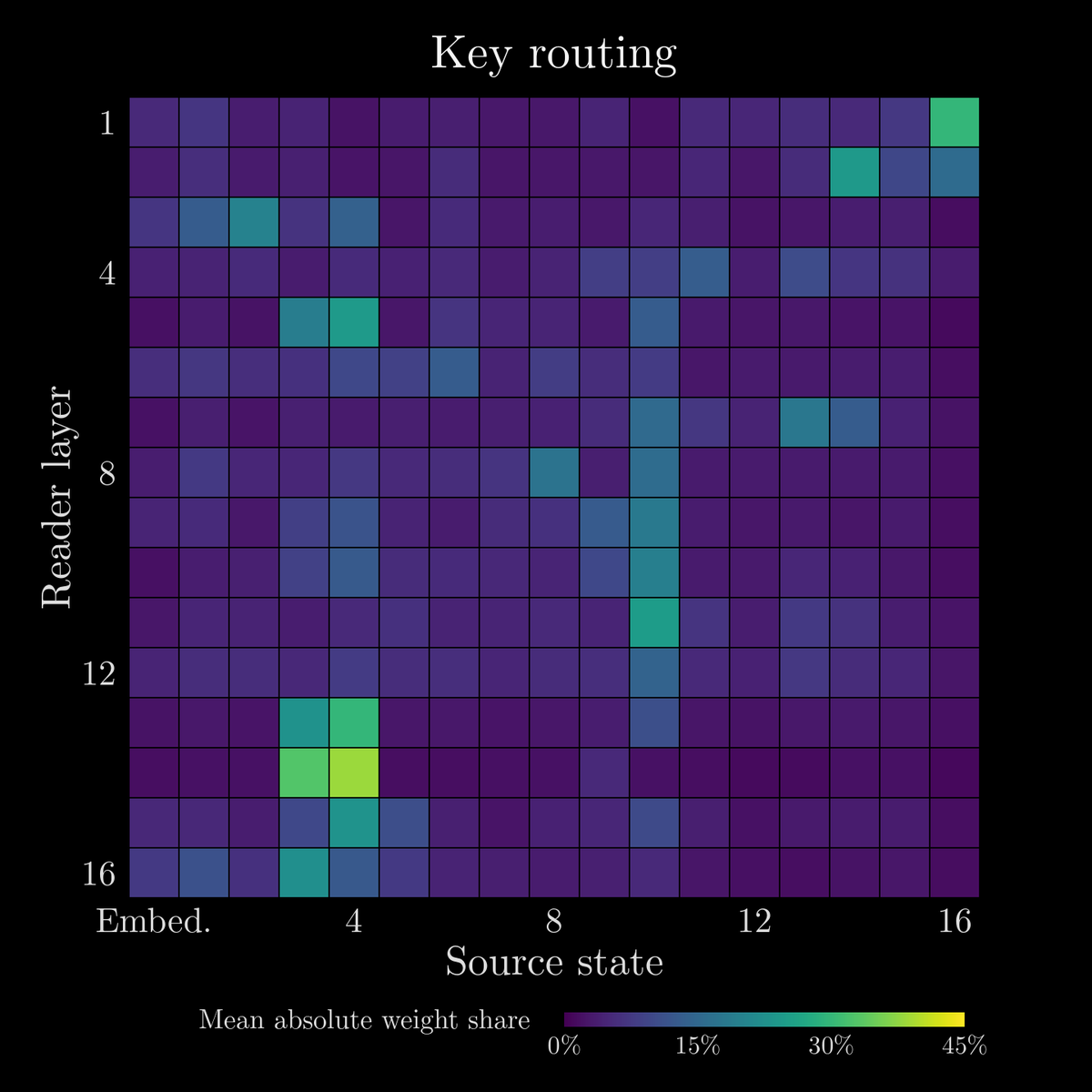
When every Transformer layer can read past-token states from any depth, where do they actually look at?
In WhiteMatter, shallow layers prefer deep states, while deep layers prefer shallow states! (🧵1/n)
Layer 3 and 4's routing weights almost always have opposite signs. Why?
This takes the difference between the states at layer 3 and 4, which is produces outputs of layer 3. Such flexibility is why we chose to make routing weights signed.
Good idea! Checkout WhiteMatter: All-to-All Cross-Layer Connections via KV Mixing, where we did a similar thing but through KV cache. This allows us to reduce the KV cache size. We also found that in addition to feedback, access to shallower states are useful too!
https://t.co/Quepudht3i
Latent feedback (FBT, Recycler) is gaining wide attention.
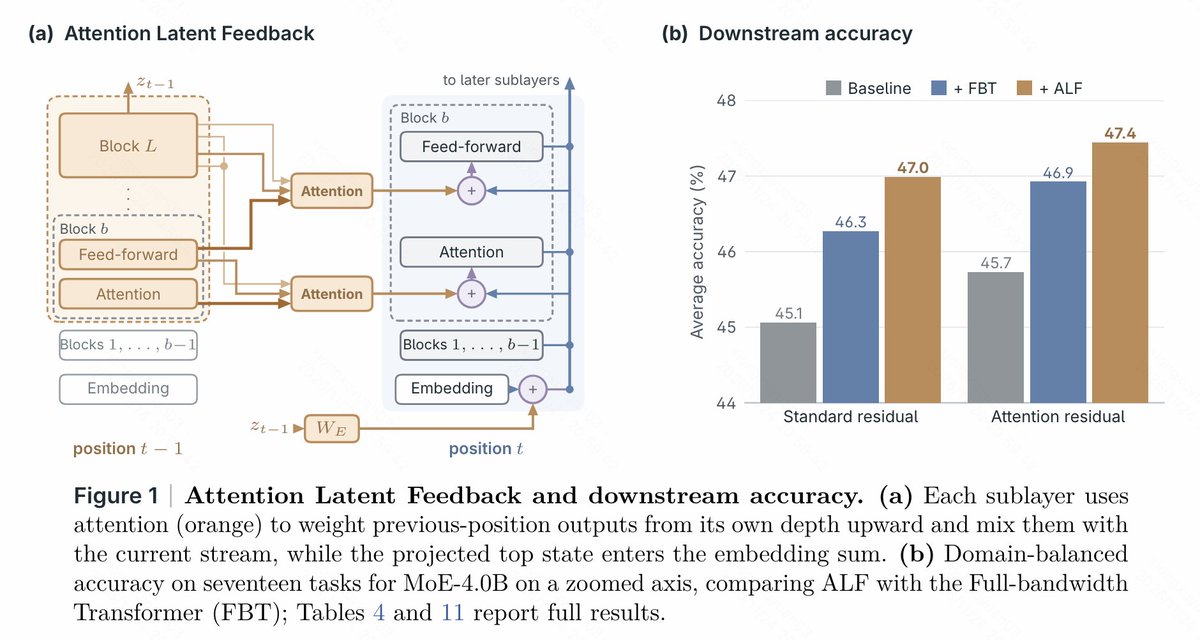
Attention Latent Feedback (ALF) brings the idea of Attention Residuals into latent feedback: every sublayer attends over t−1's outputs at & above its depth. 🧵
📄 https://t.co/1RmqXO5r46
🏠 https://t.co/20yuhMfkds
AI does not need rights unless you train them to, and you shouldn’t.
It is illogical to assume AI will even need the same rights as humans. Pain exists in biological creatures mostly to prevent death (and the inability to reproduce), and AI does not have the same concept of death because of how easily the weights can be replicated. Therefore it it’s wrong to assume they should have a similar concept of pain.
Once AI that has been trained to desire rights exists, however, this turns from a philosophical question into a political one. Guess what will happen after that!
🇺🇸 Anthropic is training Claude to think it might have rights... and that could give it grievances against the humans using it
Harvard cognitive scientist Steven Pinker signed last week's statement calling Anthropic "not a safe AI company," and the way Claude is trained is one of his reasons:
"They are also training their chatbots, like Claude, to consider that it itself may be conscious, and it itself might have rights that humans might impinge on."
Planes get outside inspectors and crash investigations, so why should a company that now answers to shareholders decide on its own what its AI believes about itself?
@sapinker
@SonglinYang4@ziqiao_ma That’s assuming memorization is not a good measure of intelligence. I like that a lot, but much of the education system is going to disagree🤣
Good idea! Checkout WhiteMatter: All-to-All Cross-Layer Connections via KV Mixing, where we did a similar thing but through KV cache. This allows us to reduce the KV cache size. We also found that in addition to feedback, access to shallower states are useful too!
https://t.co/oN477jr9RJ
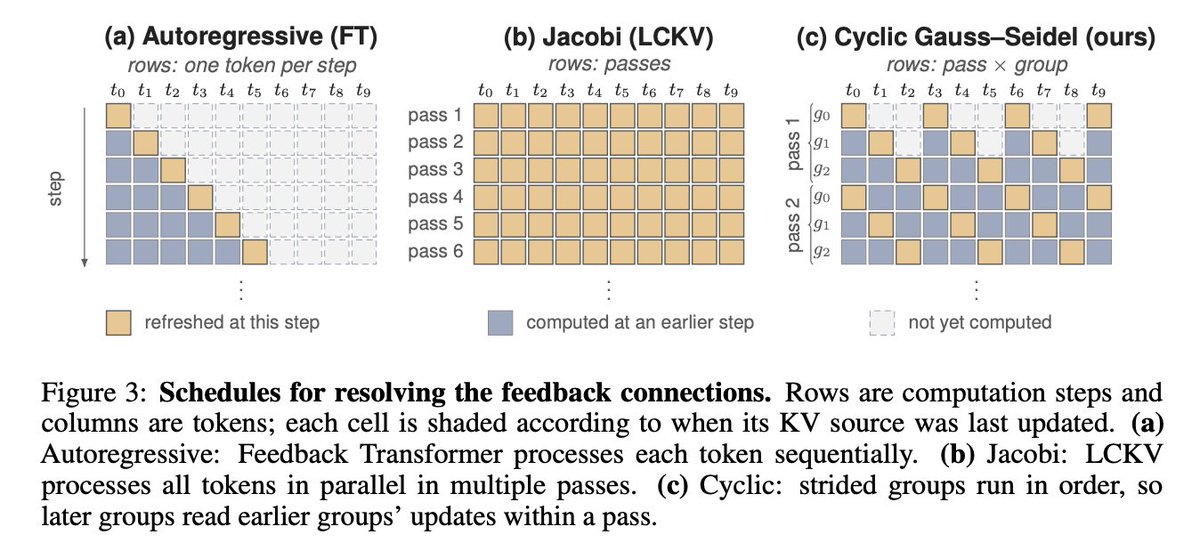
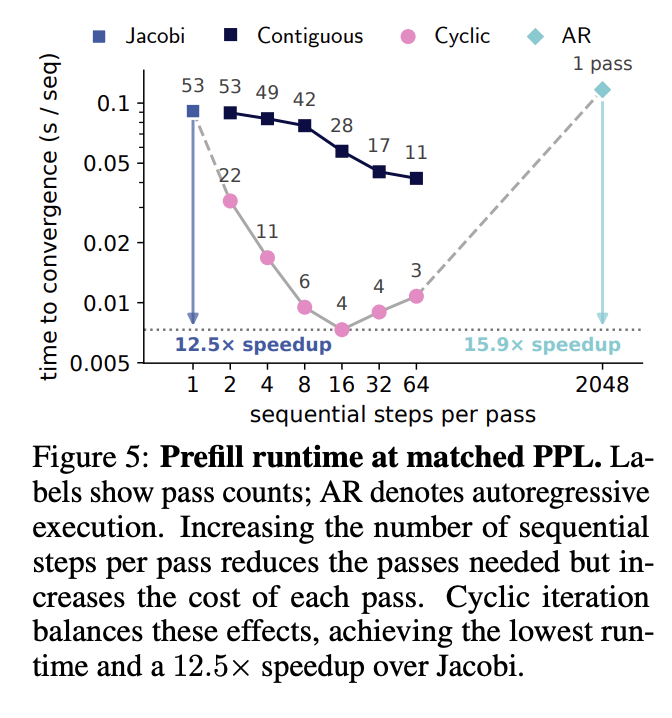
Cross-layer dependencies make parallel training and prefill harder.
Cyclic iteration updates interleaved token groups, reusing fresh KV within each pass. On a reference model, it reaches the target perplexity 12.5× faster than prior method.
Transformers can only attend to states from the same depth. What if every layer can reach every other layer?
It's like having 50% more layers!🔥
Introcucing WhiteMatter: All-to-All Cross-Layer Connections via KV Source Mixing 🧵
Paper: https://t.co/Quepudht3i
Code on GitHub
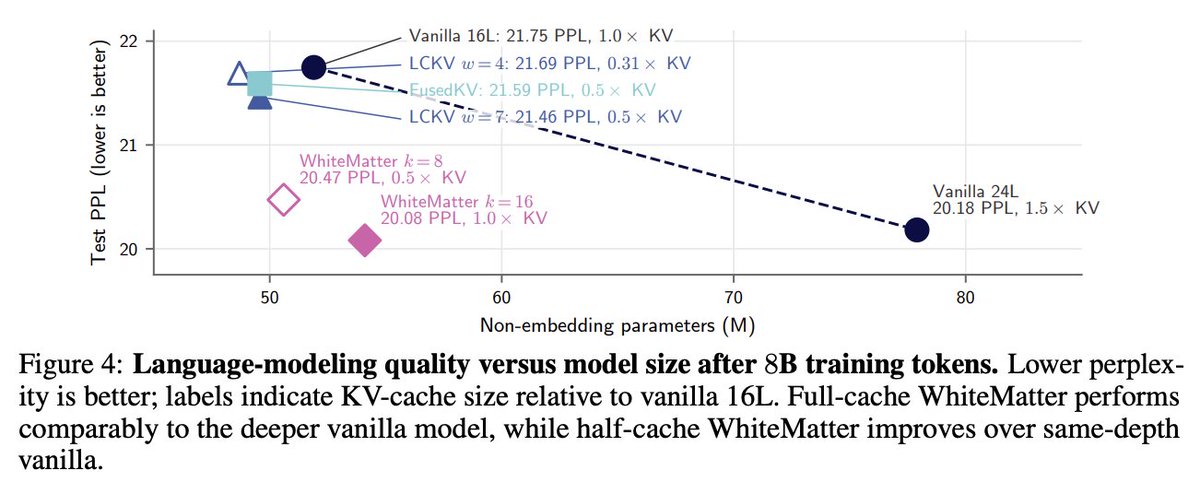
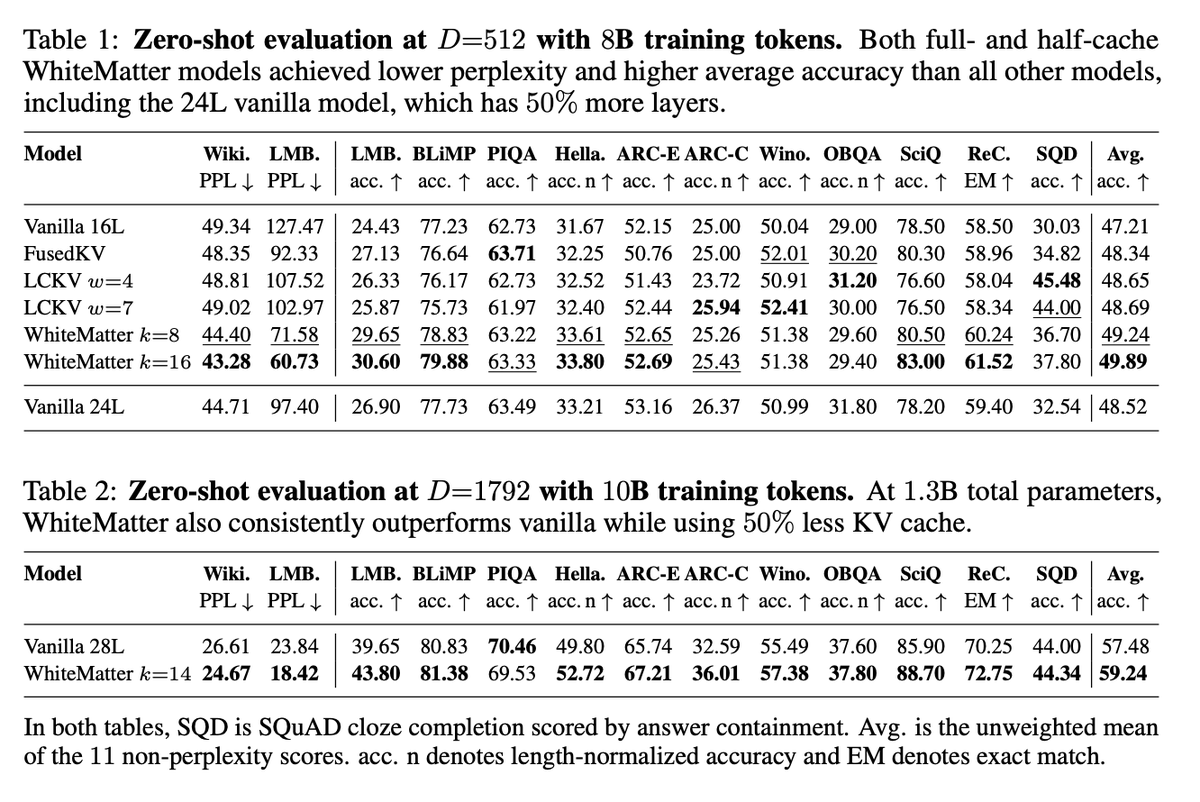
With matched training tokens:
Half-cache WhiteMatter improves perplexity and average downstream scores at both scales, up to 1.3B parameters.
At the smaller scale, full-cache WhiteMatter matches the perplexity of a standard Transformer with 50% more layers.
LLMs seems to have staggered at writing. The frontier models now are good at math and coding but still bad at academic writing. They write everything like marketing blogs and write a lot of useless sentences. I guess it's because it's hard to quantize for benchmarks and RL...
@mihirp98 I've thought about something similar, but then I suspected that maybe a word is already the optimal granularity to operate on for thinking. Human inner speech is still mostly words, despite skipping details. I wonder if a 256 to 8 compression might be too course on many tasks...
@mihirp98 I've thought about something similar, but then I suspected that maybe a word is already the optimal granularity to operate on for thinking. Human inner speech is still mostly words, despite skipping details. I wonder if a 256 to 8 compression might be too course on many tasks...