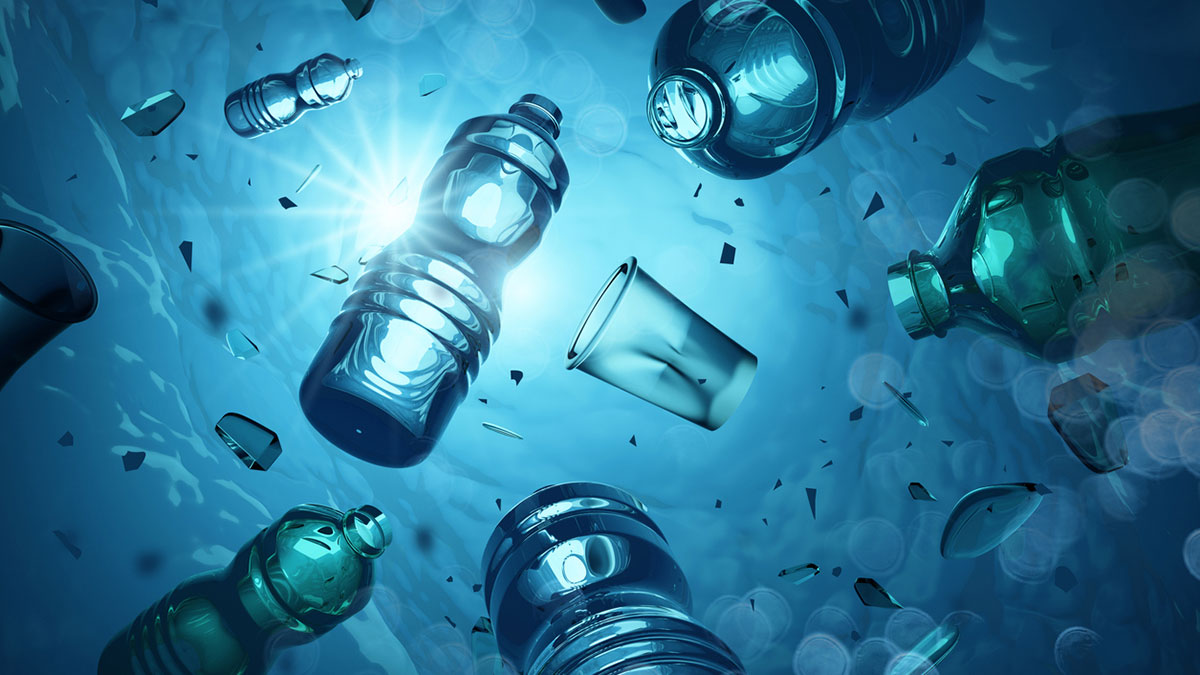
Our latest research highlighted by the BBC. This summer we conducted an experiment showing almost doubling respiration rates in slope sediments with warming ocean temperatures. More data are being worked up!
@ProfAKSweetman@alyciajsmith@GalletadeMar@AngBernardino@HWU_EGIS
Our colleagues from the Past Climates research group - Babette, Dharma, Tommaso and Sebastian - are taking part in the #EdinburghCanalFestival on Sat 18 June.
Come along from 12-4pm and say hello!
👋👋👋🌊🌊🌊
@tammy_horton @d_mj_anderson The gnathopods were lost in sampling unfortunately... Maybe a hunch and guidance to a key we can use to look at the detailed morphology?
Mystery amphipod!
We're looking at some beautiful beasties from the Tropical East Atlantic at 4000 m depth. Anyone has some guidance on what this amphipod might be?
@d_mj_anderson learned some great amphipod ID skills from @tammy_horton , but is lost with this one!
Great evening at the Celebrating Our People Awards this evening at @HeriotWattUni with @HWEngage - thank you so much for recognising our work with @ernscot 😊 Honoured to be shortlisted for the Societal Engagement Award #HWCelebration
VACANCY: Research Associate in #Environmental#Microbiology and #MolecularBiology of #DeepSea Sediments and Nodules (Grade 7, £33,309-36,383).
This lead role will involve significant fieldwork offshore of the Cook Islands.
https://t.co/R4E6IuRWwg
Closes: 7 June
#HEJobs
Awesome work by @AnaCarolMazzuco showing how seasonal @NOAA and #MBON#seascape dynamics is related to recruitment of marine organisms in the SW Atlantic and how #oceanwarming changes this process https://t.co/P0WIFl3c9h
New research: The abyssal voyage of the argonauts: #DeepSea in situ observations reveal the contribution of cephalopod egg cases to the carbon pump in the #Pacific!
@DeepStewardship
https://t.co/RWynYrmWvO
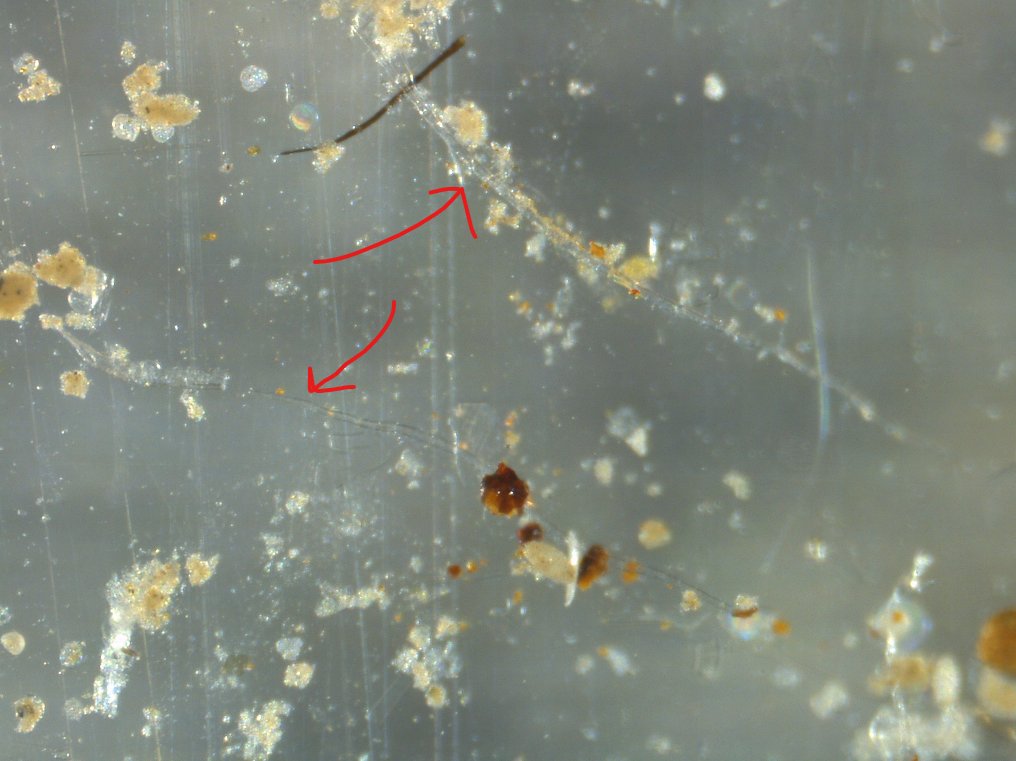
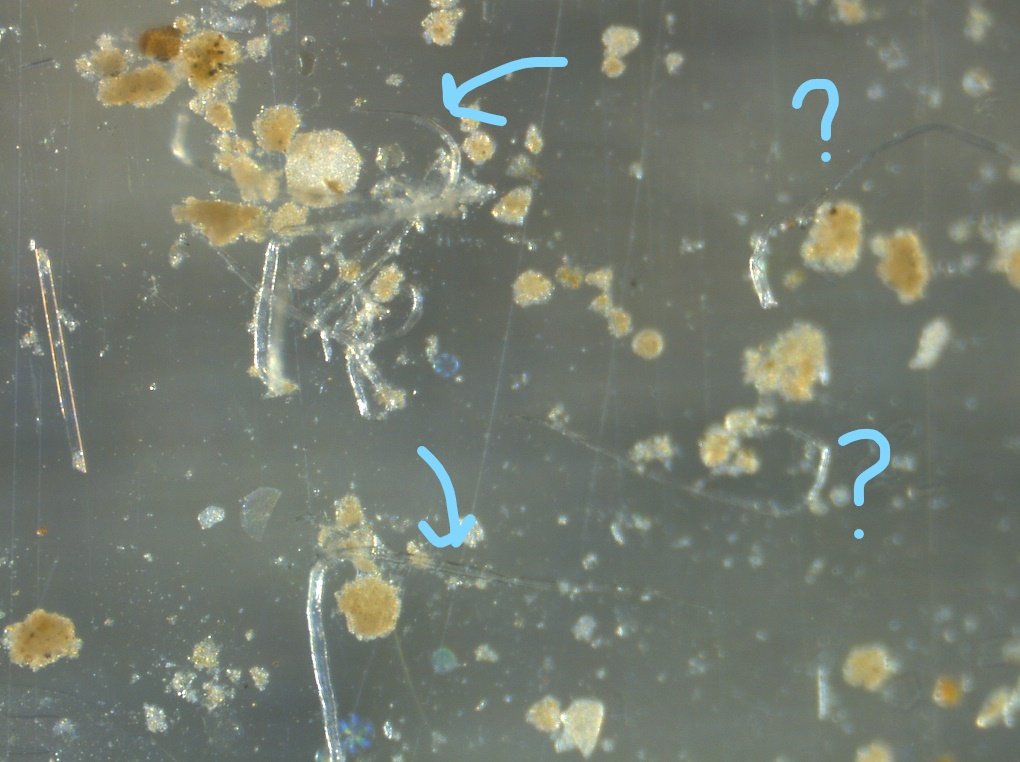
#Help#Meiofauna Twitter! Complete nematode newbie here - are these damaged Nematodes or just organic waste bits? Sample after Ludox centrifugation extraction, unstained.
JOB: PDRA Project Leader Interdisciplinary Marine #Microplastics (£33,309-£36,383).
The postholder will lead a multidisciplinary team of researchers and manage the project operations.
Apply by 26 April, immediate start: https://t.co/cAhBizyoMN
#MarineScience#SocialSciences
JOBS: Postdoctoral RAs (4 positions) - Sources, Sinks and Sustainable Solutions for Impacts of Plastic on Coastal Communities in Vietnam.
£33,309-36,383, fixed-term until 31 Dec 2024.
Apply before 26 April: https://t.co/NApxTMJiQw
#HEJobs#UniJobs#PostDocJobs#PlasticWaste
We spoke to Mairi Fenton, a PhD student in marine ecology, currently understanding the consequences of scallop dredging in relation to seabed habitat types, conservation features and other industry sectors.
Check out our Facebook and Instagram to see what Mairi had to say!🐚
We didn’t find them under a pineapple in the sea, but we did spot “real-life” @SpongeBob & Patrick at 1,885 m (1.2 mi) depth on Retriever Seamount during #Okeanos 2021 North Atlantic Stepping Stones.
Scientists suggest that IRL, these two aren't BFFs: https://t.co/irdvspLAAd
@nuniyoa@jeffday@Squidpastry Thank you for thinking along! I'm specifically looking for C. profundicolus, which is a different species. I found two pictures in Milligan et al. 2016 Sci.Rep. but that's about it. I thought perhaps crowd sourcing might help :) Next step is emailing specific people I think.
Deep-sea twitter: anyone know where to find a (good) picture of Coryphaenoides (Chalinura) profundicolus, preferably in the water? I’ve found exactly two in situ pictures, but I’m looking for some more reference material if it’s at all available.