@g_sanctuarysims@culturaltutor Interesting, I actually love this period.
Yes of course there was some variation, these things are never that binary. As you note sites, budgets and requirements drive variations but it was less of an explicit aim.
@elon_age@culturaltutor True and traditional architecture had more variation especially amongst regions. However, within regions also traditional architecture was often very strongly shaped by local climate, skills and available materials and would therefore have a strong homogeneous local character.
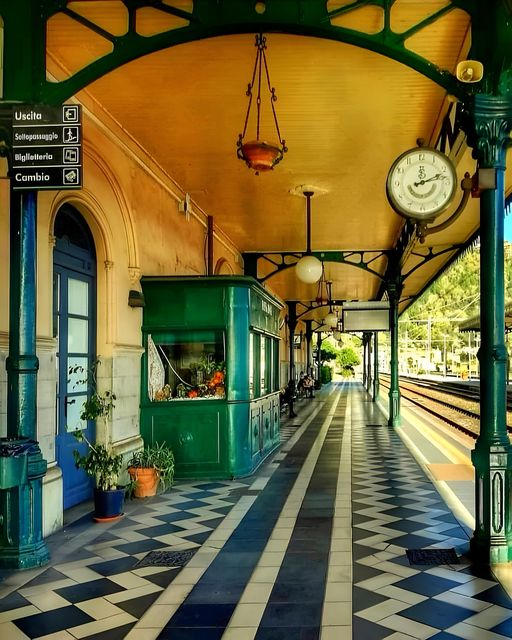
This is a great example of how to deal with new materials.
This arch you see here is efficient in stone but not iron. The columns are slender ancient Greek columns. Traditional but adjusted to new materials. That works better than a totally new style for a new material.
Ancient Greek design in a 1928 building in the center of Singapore.
I'm always amazed about how widespread the ancient orders used to be. I have seen them on every single continent, produced over a time span of more than 2000 year.
@Vincent82807141@archpng Agree, it's misleading. Although it's a common label for the style, so the original poster isn't to blame. However, I prefer the alternative name "Catalan Art Nouveau" for this style.
@archpng Real medieval Romanesque especially in Western/central Europe is often very dark and simple. So Gothic is much nicer.
Romanesque revival is as nice as gothic revival though.
@wthistwunderbar@HumbleFlow Dilution also plays a role as there is more knowledge that divides our attention but it's also easier to look things. Lastly, I think skepticism has made us less seriousness about knowledge.