Exploring historical events one day at a time. Discover fascinating moments from the past and see how they shape our present. Follow for daily echoes of history
I just did a test. I wanted to try and block all the replies that had nothing to do with the OP.
59 profiles blocked out of 85 comments.
X really is annoying. I wish there was some way for all the spam to end up at the bottom of the replies instead of always floating to the top.
🧵3/3
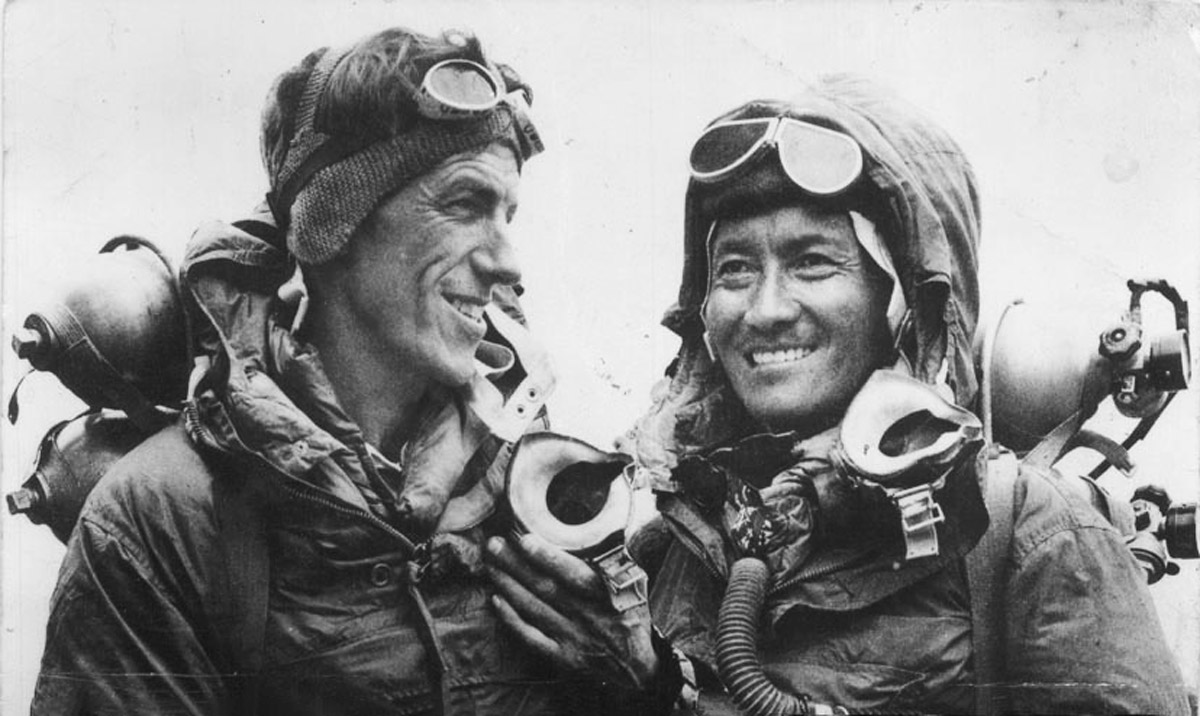
The triumphant ascent of Everest by Hillary and Norgay was celebrated globally, symbolizing the unyielding human spirit. Their legacy endures as Everest continues to draw climbers from all over the world, each driven by the same quest for discovery and excellence. Their accomplishment significantly advanced the understanding of high-altitude climbing and opened new frontiers in exploration.
They were both knighted for their feat, with Hillary becoming Sir Edmund Hillary and Norgay receiving the George Medal from the Queen of England. Today, the summit of Everest remains a beacon for adventurers, a testament to the courage and perseverance of those who dare to dream and push beyond their limits. Modern climbers benefit from the technological advances in gear and logistics, but the essence of the challenge remains the same. Hillary and Norgay's legacy lives on, reminding us that with courage, preparation, and resilience, the seemingly impossible can be achieved.
Mount Everest Summit: A Historic Feat
🧵1/3
🗓️ On this day, May 29, 1953:
Edmund Hillary of New Zealand and Tenzing Norgay, a Sherpa of Nepal, reached the summit of Mount Everest, the highest point on Earth at 29,032 feet (8,849 meters). Their achievement marked the first confirmed ascent of the world's tallest mountain, a historic milestone in human exploration. This momentous event came after several failed attempts by others, dating back to the early 1920s, including the ill-fated expedition of George Mallory and Andrew Irvine in 1924.
Hillary and Norgay's success was a testament to their determination, skill, and the spirit of adventure. The ascent was part of a British expedition, meticulously planned and executed, with a team of experienced climbers, sherpas, and support staff, who braved harsh conditions and perilous terrain. Their climb paved the way for future mountaineering endeavors and inspired countless individuals to pursue their own high-altitude dreams.
🧵2/3
Hillary and Norgay's journey was fraught with peril. They faced severe weather, dangerous icefalls, and the thin air of high altitudes, which tested their physical and mental endurance. At the Khumbu Icefall, they navigated through a treacherous maze of crevasses and towering ice seracs. The Lhotse Face, a steep, icy wall, posed another significant challenge, requiring precise ice climbing skills and incredible stamina. Supported by a robust team and a series of strategically placed camps, their climb demonstrated the importance of teamwork and preparation.
The final push to the summit began from Camp IX at the South Col, where they spent a freezing night before making their historic ascent. Their successful climb not only captivated the world but also highlighted the possibilities of human achievement against formidable odds. This landmark event inspired generations of climbers and adventurers, pushing the boundaries of what was thought possible and igniting a global fascination with the highest peaks.
🧵3/3
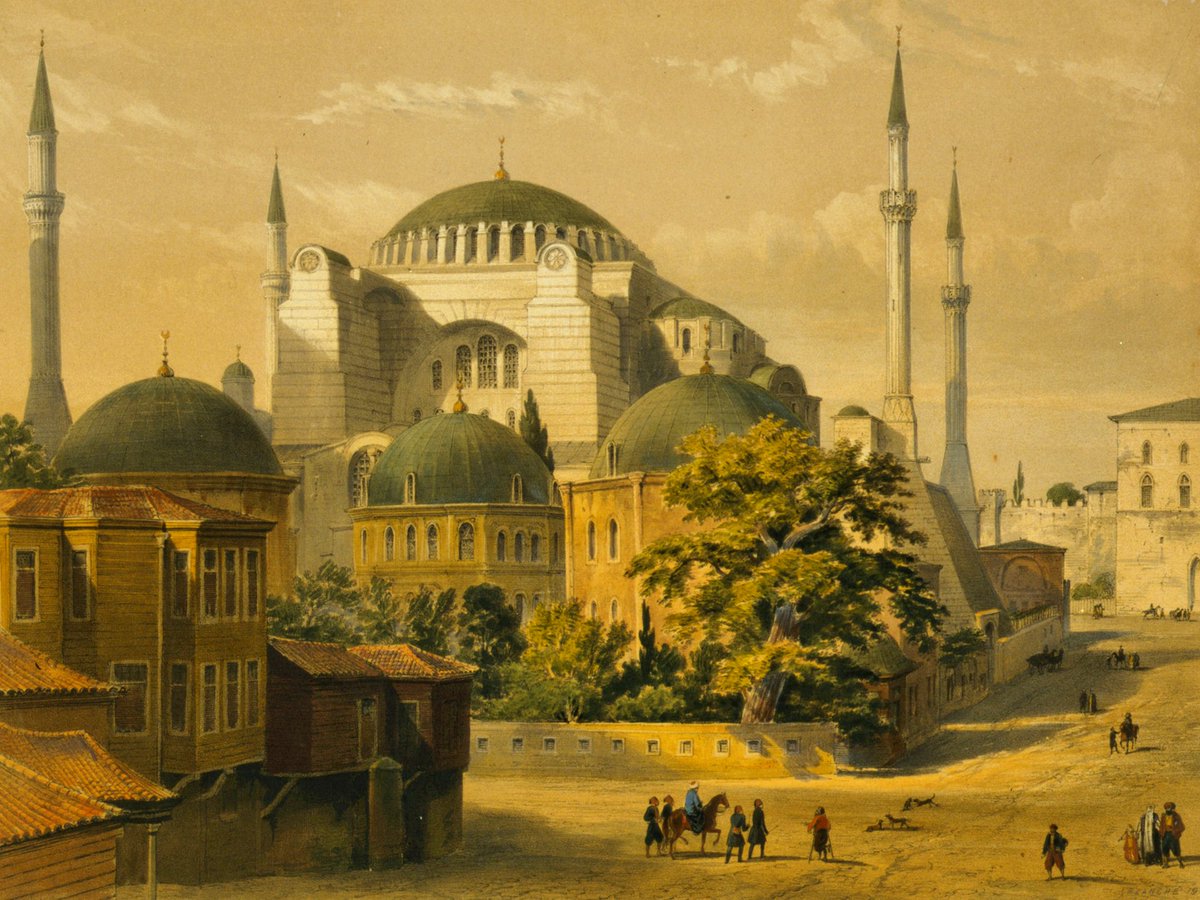
Religiously, the fall of Constantinople marked a significant shift. The iconic Hagia Sophia, a masterpiece of Christian architecture, was converted into a mosque, symbolizing the ascendancy of Islam in the former Byzantine heartland. This conversion reflected the deep cultural and religious transformations that accompanied the Ottoman conquest.
The fall deepened the divide between the Christian West and the Muslim East, shaping the geopolitical landscape for centuries. Today, the event is remembered as a turning point that ended medieval Byzantine civilization and heralded the rise of the Ottoman Empire, influencing the course of world history in profound ways.
Today, the fall of Constantinople is remembered as a turning point in world history. It serves as a reminder of the ever-changing nature of empires and the enduring impact of historical events on our modern world. The legacy of this event is still felt in the cultural, religious, and political landscapes of the contemporary world.
The Fall of Constantinople
🧵1/3
🗓️On this day, May 29, 1453:
The majestic city of Constantinople, the stronghold of the Byzantine Empire, succumbed to the might of the Ottoman Turks led by Sultan Mehmed II. The siege, which began on April 6, 1453, involved intense combat and strategic maneuvers. Despite the Byzantine defenders' brave resistance, they were vastly outnumbered and outgunned by the Ottomans' superior artillery and tactics.
Sultan Mehmed II, known for his military acumen and ambition, utilized massive cannons to bombard the city's impregnable walls. After weeks of relentless assault, the Ottomans breached the walls on May 29, leading to fierce street fighting and the eventual capture of the city. This pivotal event marked the end of the Byzantine Empire, which had been a beacon of Eastern Christianity for over a millennium
The fall of Constantinople not only symbolized the demise of Byzantine rule but also paved the way for the rise of the Ottoman Empire. Mehmed II declared Constantinople the new capital of his empire, transforming it into a vibrant center of Islamic culture and commerce. This transition marked the beginning of a new era in the region's history, characterized by Ottoman dominance and influence.
🧵2/3
The implications of Constantinople's fall were profound and far-reaching. The city's strategic location made it a crucial hub for trade and cultural exchange between Europe and Asia. By capturing Constantinople, the Ottomans gained control of critical trade routes, boosting their economic power and facilitating the spread of their influence across both continents.
Moreover, the fall of Constantinople had significant cultural and intellectual repercussions. As the city fell, many Greek scholars fled to Western Europe, carrying with them precious manuscripts and knowledge from ancient Greek and Roman civilizations. This migration significantly contributed to the Renaissance, igniting a revival of classical learning and artistic expression that profoundly shaped Western culture.
The event also marked a dramatic shift in religious dynamics. The iconic Hagia Sophia, a masterpiece of Byzantine architecture and a symbol of Orthodox Christianity, was converted into a mosque. This change reflected the cultural transformation brought about by the Ottoman conquest and the deepening divide between the Christian West and the Muslim East. The fall of Constantinople thus had lasting religious and cultural implications, shaping the geopolitical landscape for centuries.
🧵3/3
Despite the unusual and often challenging circumstances of their upbringing, the Dionne quintuplets grew up and eventually reunited with their family. However, their early separation and the public spectacle surrounding their childhood left lasting impacts on their lives. As adults, the quintuplets fought legal battles for compensation and recognition of the hardships they endured.
In 1998, the Ontario government formally acknowledged the exploitation they suffered and awarded the surviving quintuplets a financial settlement as compensation. This victory marked a significant moment in their lives, providing a measure of justice and recognition for the unique and difficult circumstances they faced.
The story of the Dionne quintuplets is a poignant reminder of the complexities and ethical considerations surrounding child welfare and media exploitation. Their legacy continues to prompt discussions about the balance between public interest and personal privacy, highlighting the importance of safeguarding the rights and dignity of individuals, especially those of children.
The Dionne Quintuplets: A Remarkable Birth
🧵1/3
🗓️On this day, May 28, 1934:
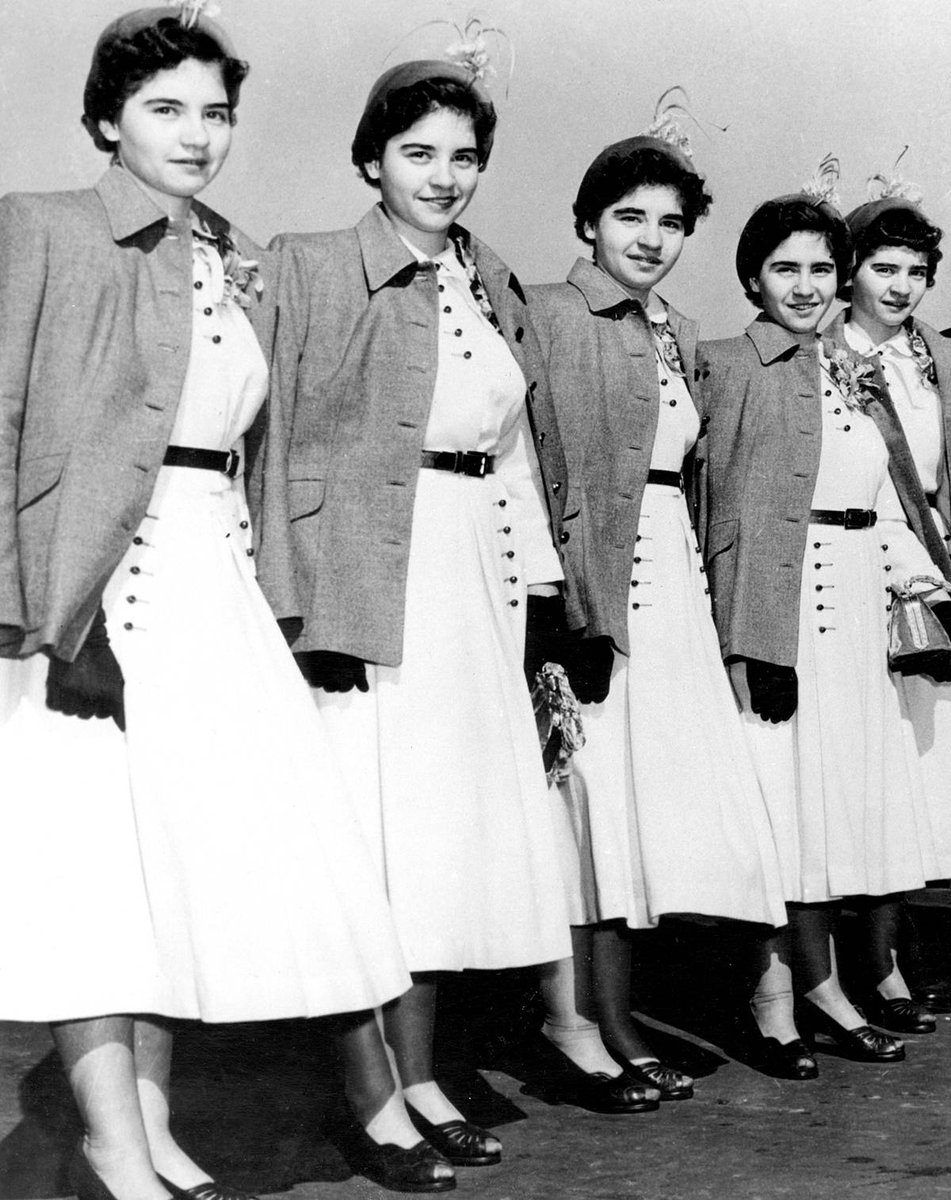
In a small farmhouse in Corbeil, Ontario, Canada, the world witnessed the unprecedented birth of the Dionne quintuplets. Born to Oliva and Elzire Dionne, the quintuplets - Annette, Émilie, Yvonne, Cécile, and Marie - were the first known set of quintuplets to survive infancy, capturing global attention and making headlines worldwide.
The birth was a medical marvel of the time, as multiple births of this nature were rarely seen and often fraught with complications. Against all odds, the five identical sisters, born prematurely and weighing a combined total of just 13 pounds, managed to survive, thanks to the dedicated care of Dr. Allan Roy Dafoe and a team of nurses who improvised an incubator and provided round-the-clock care.
🧵2/3
Following their birth, the Dionne quintuplets quickly became a sensation, drawing the interest of both the public and the media. Their home was soon overwhelmed by curious visitors and journalists eager to catch a glimpse of the miraculous babies. The Ontario government, citing concerns over their welfare and potential exploitation, took the quintuplets into protective custody and placed them in a specially built hospital across the street from their family home, known as "Quintland."
Quintland became a popular tourist attraction, drawing millions of visitors who came to observe the girls through a one-way screen as they went about their daily routines. The quintuplets were effectively raised in a fishbowl, their lives under constant scrutiny, and their likenesses used for commercial purposes without their consent. This led to significant ethical debates about the exploitation and rights of children.
🧵3/3
Ian Fleming's legacy extends far beyond his novels. The James Bond film series, starting with "Dr. No" in 1962, became a cultural phenomenon, with numerous actors portraying the iconic spy across more than two dozen films. Fleming's creation not only defined a genre but also influenced the depiction of spies and espionage in popular culture.
Fleming's work has left an indelible mark on literature and cinema, embodying the intrigue, glamour, and danger of the spy world. His contribution to the genre is celebrated and continues to inspire new generations of writers and filmmakers. Today, Ian Fleming's name is synonymous with adventure, sophistication, and the enduring allure of James Bond.
Ian Fleming: The Birth of a Spy Novelist
🧵1/3
🗓️On this day, May 28, 1908:
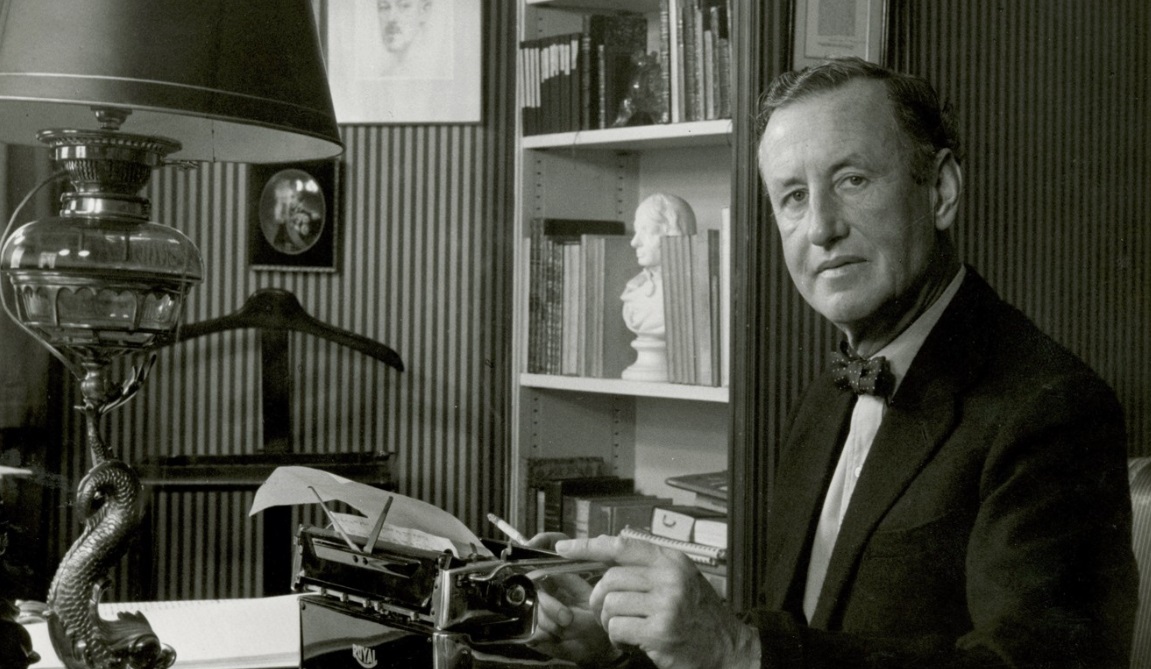
Ian Fleming, the creator of the iconic British spy James Bond, was born in London, England. Fleming's life and experiences significantly shaped his writing, leading to the creation of one of the most famous fictional characters in literature and film.
Fleming was educated at Eton College and later at the Royal Military Academy Sandhurst. His career took various turns, including a stint in journalism and banking, but it was his work during World War II as a naval intelligence officer that truly inspired his writing. His firsthand experience in espionage and covert operations laid the groundwork for the thrilling adventures of James Bond, also known by his code number, 007.
🧵2/3
In 1953, Fleming published his first James Bond novel, "Casino Royale," introducing readers to the suave and resourceful British secret agent. The novel was an instant success, praised for its gripping narrative, exotic locales, and sophisticated protagonist. Over the next decade, Fleming wrote a total of twelve Bond novels and two short story collections, each adding to the mystique and appeal of 007.
Fleming's portrayal of Bond as a charming, yet ruthless, spy resonated with audiences during the Cold War era, reflecting contemporary anxieties and the allure of espionage. His meticulous attention to detail, from Bond's gadgets to his preference for martinis "shaken, not stirred," created a rich and immersive world that captivated readers and later, film audiences.
🧵3/3
Since its opening, the Golden Gate Bridge has become one of the most photographed and recognizable structures in the world, attracting millions of visitors each year. It stands as a symbol of innovation and resilience, embodying the spirit of progress that defined the era of its construction.
The bridge's legacy extends beyond its architectural significance; it represents a pivotal moment in American history, where vision and perseverance overcame adversity. Today, the Golden Gate Bridge continues to inspire and captivate, serving as a reminder of the incredible achievements possible through human ingenuity and determination.
Golden Gate Bridge: Opening Day
🧵1/3
🗓️On this day, May 27, 1937:
The Golden Gate Bridge in San Francisco, California, was officially opened to vehicular traffic. This iconic suspension bridge, spanning the Golden Gate Strait, connected San Francisco to Marin County, revolutionizing transportation and becoming an enduring symbol of American engineering prowess.
At the time of its completion, the Golden Gate Bridge was the longest and tallest suspension bridge in the world, with a main span of 4,200 feet and towering 746 feet above the water. Its distinctive International Orange color and Art Deco design elements captured the public's imagination, making it an instant landmark and a testament to the ingenuity and determination of its creators.
🧵2/3
The construction of the Golden Gate Bridge was a monumental feat, taking over four years and involving thousands of workers. Despite the challenges posed by harsh weather conditions, strong ocean currents, and the Great Depression, the project was completed ahead of schedule and under budget. Chief engineer Joseph Strauss, along with a talented team of designers and engineers, overcame numerous obstacles to bring this ambitious vision to life.
The bridge's opening was celebrated with a week-long festival, starting with "Pedestrian Day," when nearly 200,000 people walked across the bridge, marveling at its grandeur. The following day, President Franklin D. Roosevelt announced the bridge's opening to vehicular traffic with the push of a telegraph button from the White House, marking a new era in San Francisco's connectivity and growth.
🧵3/3
The aftermath of Harambe's death led to significant changes at the Cincinnati Zoo and other zoos worldwide, with a renewed focus on improving safety measures for both animals and visitors. The incident prompted many facilities to re-evaluate their enclosure designs and emergency protocols to prevent similar occurrences. Harambe's story also inspired a broader movement advocating for the ethical treatment of animals and stronger conservation efforts.
His legacy continues to influence the dialogue on wildlife protection and zoo practices, reminding us of the delicate balance between education, conservation, and the humane treatment of the animals we share our planet with.
The Harambe Incident
🧵1/3
🗓️On this day, May 26, 2016:
The world was shocked by the tragic incident at the Cincinnati Zoo involving Harambe, a 17-year-old western lowland gorilla. Harambe was shot and killed by zoo officials after a three-year-old boy climbed into his enclosure, leading to a highly controversial and widely debated decision.
The incident quickly garnered global attention, with many questioning the actions taken by the zoo and the circumstances that led to the child entering the enclosure. This tragic event not only sparked intense debates over zoo safety and animal rights but also brought to light broader discussions about human responsibility in ensuring the safety and well-being of both animals and visitors in captivity.
🧵2/3
In the wake of his tragic death, Harambe was immortalized through a flood of memes created by fans around the world. These memes, often humorous and poignant, served to keep his memory alive and highlight the emotional impact of his loss. Harambe's image and story became a viral sensation, symbolizing not only the incident itself but also broader themes of justice, empathy, and the value of animal life.
The widespread sharing of Harambe memes turned him into a cultural icon, sparking discussions about the treatment of animals and the role of zoos. This phenomenon underscored the power of social media in shaping public perception and keeping important issues in the spotlight.