THERE'S A WHOLE NEW AI MEME WITH CLAUDE
CLAUDE TURNS INTO 2 AND IT'S CALLED "BRO MODE" READ CHECK URSELF
IT SPLITS IN HALF AND GETS 2 SMILEY FACES
https://t.co/YEWwJ0QSmT
THERE'S A WHOLE NEW AI MEME WITH CLAUDE
CLAUDE TURNS INTO 2 AND IT'S CALLED "BRO MODE" READ CHECK URSELF
IT SPLITS IN HALF AND GETS 2 SMILEY FACES
https://t.co/YEWwJ0QSmT
Congress just gave us a genny runner,
"These Gen Z
crypto kids do not understand the concept of hard work"
We sent cryptocrats to 1m+
https://t.co/bhmrwMJJya
A WHOLE NEW NORMIE WOJAK MEME HAS JUST DROPPED
"TOM" JUST GOT POSTED ON TYLER VIGEN, ONE OF THE MOST OG MEME SITES ON THE INTERNET,
IT'S GOING VIRAL ON LINKEDIN
https://t.co/L6zGbhL0Rt
Never usually deploy coins but read this,
senior dev @jon has created a version of grok named "antislop"
https://t.co/Ni9E3CqGy2
He just wrote an entire paper on it and its the first ever version of grok which is different from the main @grok
I truly think this is a 10m+ narra if @jon interacts and he follows toly so he's familiar with crypto
sending fees to his github
https://t.co/KfqFp41XSU
https://t.co/SHwTMYLRJ9
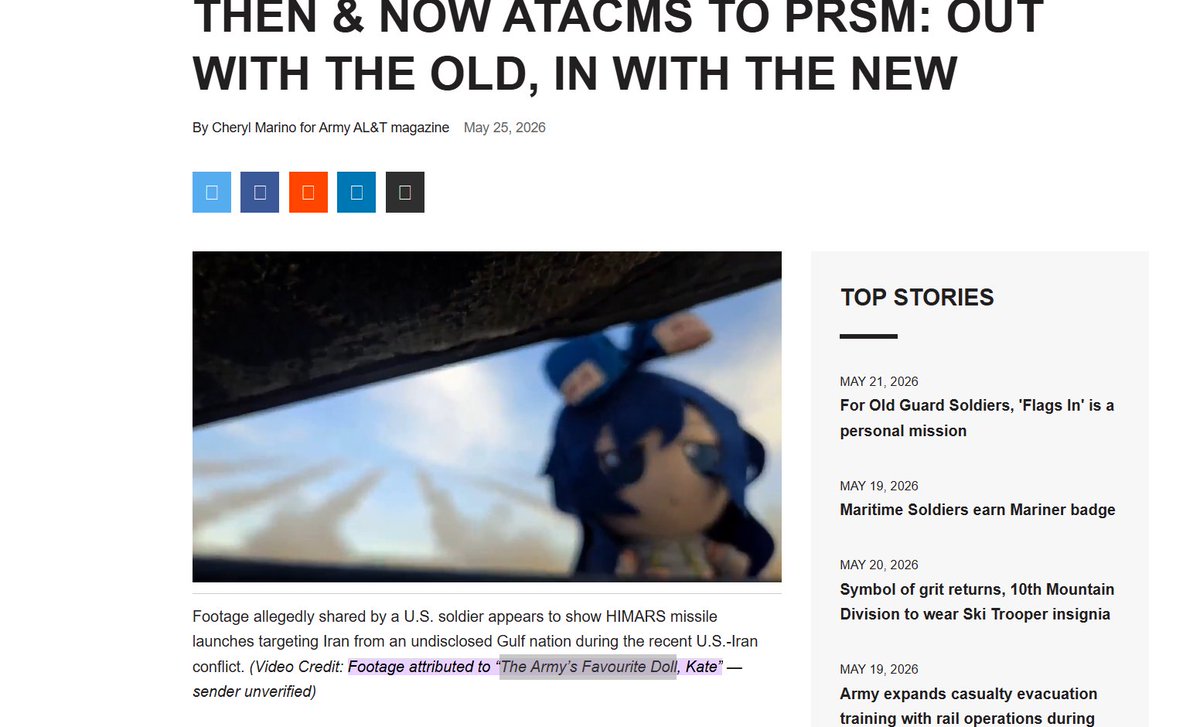
THE US ARMY JUST POSTED AN ARTICLE ABOUT THE DOLL WE BONDED EARLIER,
THEY CALL HER "The Army’s Favourite Doll" AND HER NAME IS KATE
https://t.co/WcgrRMWQVG
https://t.co/RLQCeLaKzJ
THE US ARMY JUST POSTED AN ARTICLE ABOUT THE DOLL WE BONDED EARLIER,
THEY CALL HER "The Army’s Favourite Doll" AND HER NAME IS KATE
https://t.co/WcgrRMWQVG
https://t.co/RLQCeLaKzJ
THE US ARMY JUST POSTED AN ARTICLE ABOUT THE DOLL WE BONDED EARLIER,
THEY CALL HER "The Army’s Favourite Doll" AND HER NAME IS KATE
https://t.co/WcgrRMWQVG
https://t.co/RLQCeLaKzJ
Why arent we donating fees to the charity eric trump larped about?
its called "Gabrielles Angel Foundation", it would be funnier if the charity he larped about sending it too got the fes not saint jude lol
R/ANTIAI JUST DROPPED THEIR NEW MASCOT,
EARTHCHAN, OVER 1000 MEMBERS CAME TOGETHER TO DRAW THIS,
WE SENT FAKE MASCOTS OF R/ANTI TO 500K+
https://t.co/Yb6m0onpIR
Is this not fucking massive?
polymarket developer @bankof_amERICA just created her own version of polymarket but for ai only
it's going viral and ready retweeted by @shayne_coplan (ceo of polymarket)
sending fees to her github
https://t.co/C5psZFerWG
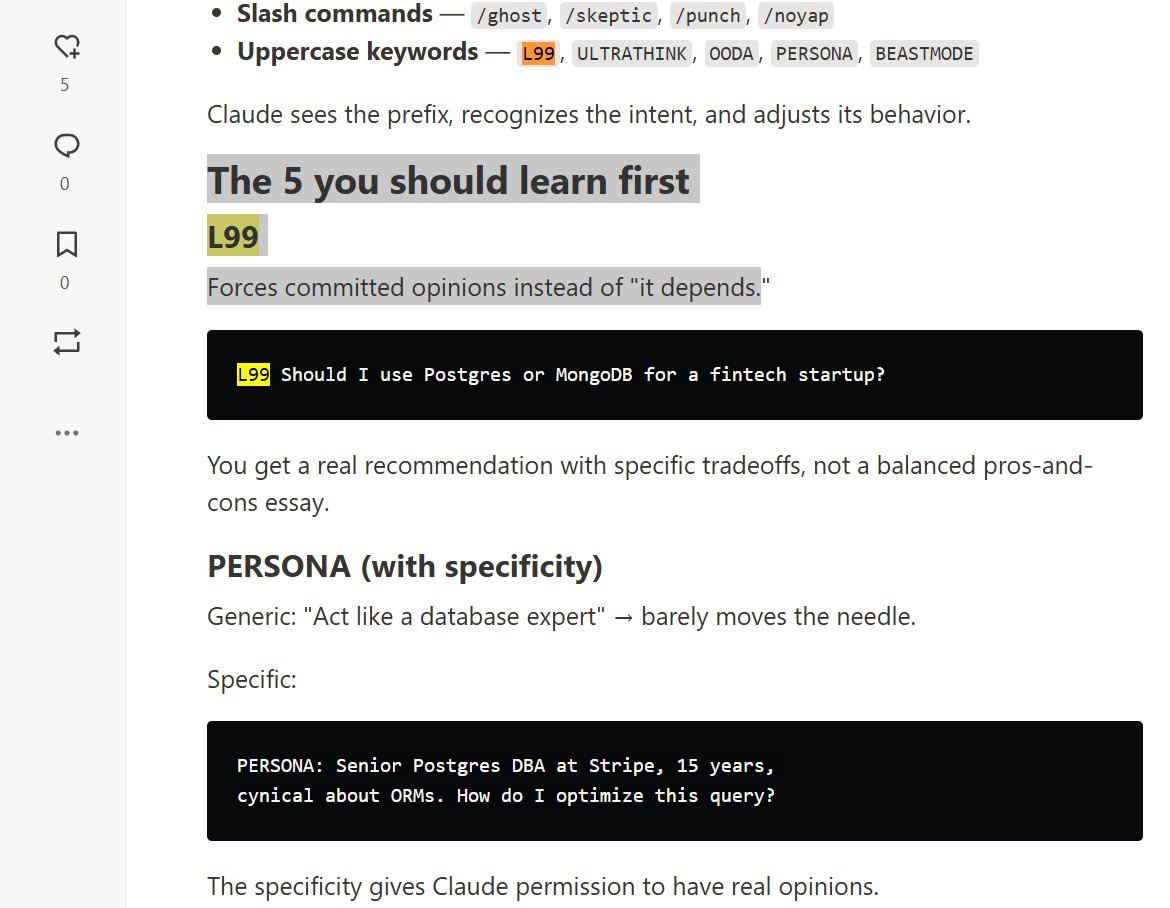
Claude's secret commands just got leaked
apparently /l99 is a model which allows it to create jokes/memes
https://t.co/EttlBZibaf.
L99 is the first ever meme model of ai we've had
Today i just onboarded @noisyb0y1, the kid going viral with 5m+ views in 12 hours for building a particle accentuator on his pc
Sol wallet : 2qswyiT1pDsnBbRTe9CemoJ2CLHSaUUBuDg5ehyTfs8x
this is something elon would interact with not even claude computer (12m+) got 5m+ views in 1 day like this,
insane narrative, hes the first to do it on solana
AN OXFORD STUDENT IS RUNNING A PARTICLE SIMULATION WITH REAL PEOPLE'S NAMES AND CLAIMS CERN IS TAUNTING HIM THROUGH THE CODE
Thousands of particles on a black screen - each one labeled with a real person's name - moving according to the laws of physics in real time and he is completely convinced this is not a simulation but a personal message from CERN directed at him specifically.
Particle simulation with collision detection, velocity vectors and brownian motion - technically flawless code that tracks every particle individually and renders trajectories at 60 fps.
CERN operates a 17km collider that accelerates protons to 99.9999991% the speed of light and generates a petabyte of data every single day - and apparently found the time to encode Oxford student names into a simulation.
The code is real. The physics is correct. The conclusions are a separate conversation.
**The Boy Who Stood Tall**
The crisp Scottish air carried the faint scent of rain as a group of Beaver Scouts, aged six to eight, filed excitedly into the Stirling Islamic Centre. It was a standard outing for their Faith Activity Badge—an opportunity to learn about different religions, explore the mosque’s architecture, and experience cultural exchange in multicultural Britain. Their leader, a dedicated teacher named Mrs. Eleanor Grant, had organized the visit with the best intentions: fostering understanding in a diverse society.
Inside the mosque, the children’s eyes widened at the intricate carpets, the towering minaret visible through the windows, and the serene prayer hall. Imam Ahmed Rahman greeted them warmly, his voice calm and welcoming. He began with a gentle lesson on Islam—the Five Pillars, the importance of prayer, and the beauty of community. The kids listened politely, some fidgeting in their scout uniforms, others wide-eyed with curiosity.
As part of the educational experience, the imam demonstrated respectful postures used during Muslim prayers. Simple headscarves were offered to the girls as a sign of modesty, similar to how visitors often cover their heads in places of worship worldwide. A few girls giggled as the light fabric was draped over their hair, feeling like they were playing dress-up. No full burqas were involved; these were modest hijabs for the tour. The boys watched, some shifting uncomfortably, others copying the motions out of youthful eagerness to participate.
Then came the moment that would ignite the internet. The imam invited the group to try kneeling briefly as part of understanding the prayer ritual—foreheads to the floor in submission to God, a core element of salah. It was presented as optional, a way to feel the physicality of faith, not a requirement. Most of the children, caught up in the group activity and wanting to be respectful, lowered themselves to their knees. The hall fell quiet except for the rustle of uniforms and soft instructions.
But one small boy, Tommy, remained standing.
He was seven years old, with tousled brown hair and a scout neckerchief slightly askew. His jaw was set, his small frame rigid amid the sea of kneeling figures. Mrs. Grant noticed first. She whispered gently, “Tommy, it’s alright to join if you’d like.” The imam smiled encouragingly, emphasizing it was not mandatory. Yet Tommy shook his head firmly. “I don’t want to,” he said in a clear voice that carried through the hall. He didn’t elaborate. Perhaps it was a child’s instinctive sense of his own faith, or simple discomfort with the unfamiliar. Whatever the reason, he stood his ground.
The clip, captured on a parent’s phone and shared online, exploded across social media within hours. “Only one young boy refused to kneel,” the captions read. Outrage followed. Conservative commentators decried it as religious indoctrination in public education. “Is this multiculturalism or conversion?” one viral post asked. Parents flooded school boards with concerns about consent and age-appropriate boundaries. On the other side, progressive voices defended the visit as essential for tolerance, criticizing the backlash as Islamophobia. The imam’s demonstration of head coverings on the girls became particularly contentious—some saw it as harmless cultural immersion; others as pressuring young children into religious symbols.
Tommy’s quiet defiance turned him into an unwitting symbol. Supporters called him “Little Patriot,” praising his courage to resist peer pressure. Memes circulated, comparing him to historical figures who stood alone for their beliefs. His family, overwhelmed, released a short statement: “Tommy is a normal boy who simply chose not to participate in something that didn’t feel right for him. We support religious education but believe it should remain observational, not participatory, for children this young.”
Mrs. Grant faced scrutiny. In interviews, she explained the trip followed Scout guidelines for interfaith badges, designed to promote empathy without proselytizing. “We wanted them to learn, not convert,” she said, voice trembling. The Stirling Islamic Centre issued a statement regretting any discomfort and reaffirming that participation was always voluntary. Yet the damage to public trust lingered. Debates raged about where education ends and indoctrination begins. Should schools expose young children to active prayer rituals? At what age is it appropriate to try on religious garments?
In the days that followed, Tommy returned to school quietly. His classmates treated him differently—some with awe, others with awkward silence. At home, his parents navigated the sudden spotlight, shielding him from cameras. For Tommy, it wasn’t about politics or faith wars. It was a simple moment: the carpet felt strange under his knees, the words unfamiliar, and something inside him said no.
The viral storm highlighted deeper fractures in British society—tensions over immigration, integration, and the limits of tolerance. Field trips like this had happened before without incident, but in an era of heightened sensitivities and smartphone footage, one boy’s refusal became a flashpoint. Imam Rahman later reflected in a local paper: “True faith cannot be forced, especially on the young. Respect goes both ways.”
As the headlines faded, the core lesson remained. Education about religion matters, but so does protecting childhood innocence from adult ideological battles. Tommy, the boy who stood tall amid kneeling peers, reminded everyone that personal conviction—even in a seven-year-old—deserves space to breathe.