I started in this business 18 years ago, at age 14. I didn’t make enough money to support myself until I was 24. I never did it for the money. I did it because I love this game with every fiber of my being.
🧵 1/6
At the Weave NIL Summit, we heard from college 🏀 coach turned CEO, Yanni Hufnagel, the founder of “Lemon Perfect” and “POPWTR.”
His message was clear: the choices we make daily compound to shape our future.
Yanni emphasized the importance of considering life beyond sports and encouraged our players to think about how the relationships they build today can support them in the future. 🧶
Dan Hurley optimism amid CBB chaos:
"The level of professionalism with the players has increased.
“There was a fear that if you give these players this type of money, they'd become lazy. And actually, it's the opposite.”
https://t.co/JavDy8jMjj
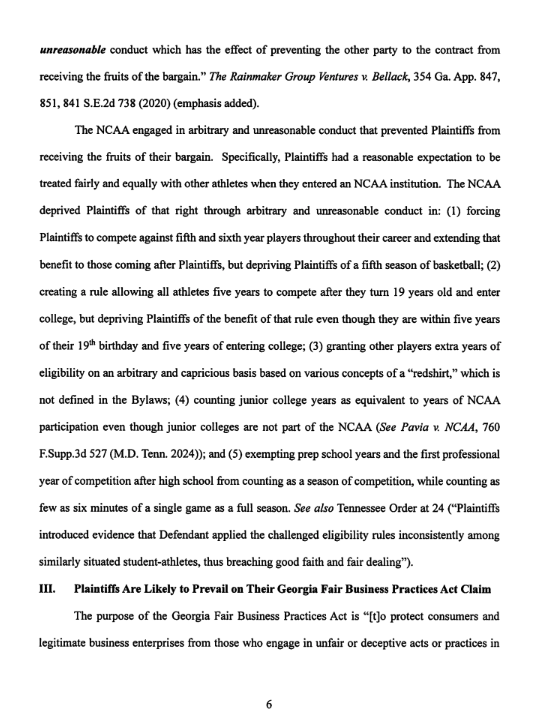
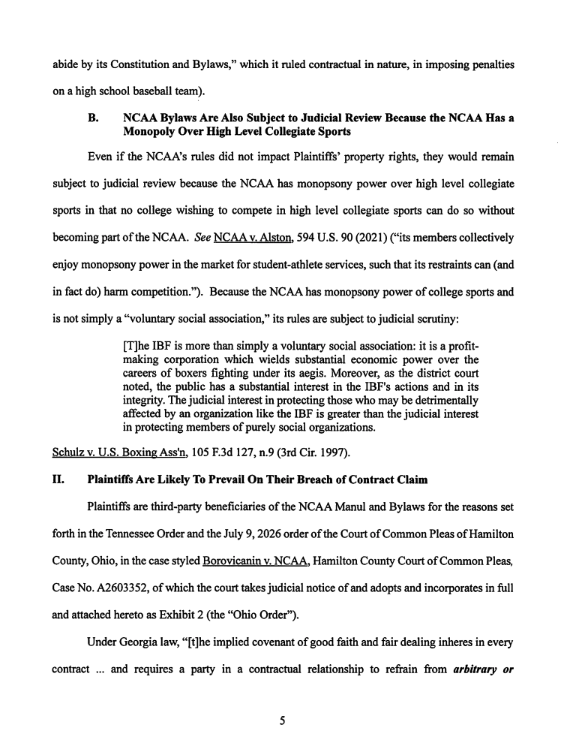
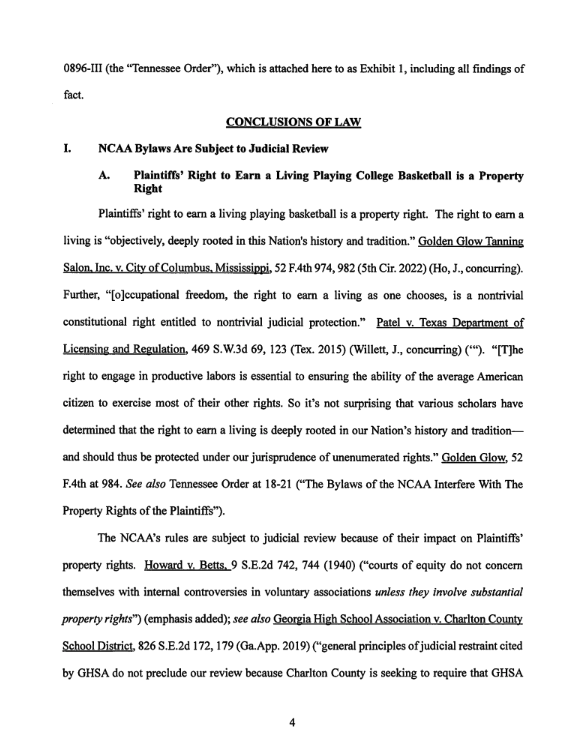
BREAKING: Georgia just handed the NCAA another sweeping 5-for-5 loss.
The order grants fifth-year eligibility, overrides missed portal deadlines, protects qualifying players who signed pro contracts while ineligible, and blocks ghost-transfer, Rule of Restitution, school and coach penalties.
One of the most consequential parts of the Georgia ruling is the reasoning behind it.
The court did not simply say the players would be harmed if they missed another season. It found that their ability to earn a living through college basketball is a protectable property interest, that NCAA rules are subject to judicial review because of the NCAA’s control over high-level college sports, and that the players are likely third-party beneficiaries of the NCAA’s own bylaws.
The judge also found the NCAA likely acted arbitrarily by forcing the 2022 class to compete against fifth- and sixth-year players, then excluding that same class when five-for-five became permanent, while also giving favorable treatment to younger athletes and former professionals.
That reasoning matters far beyond this one group of players. It attacks the NCAA’s position at its foundation, not just the application of one eligibility rule.
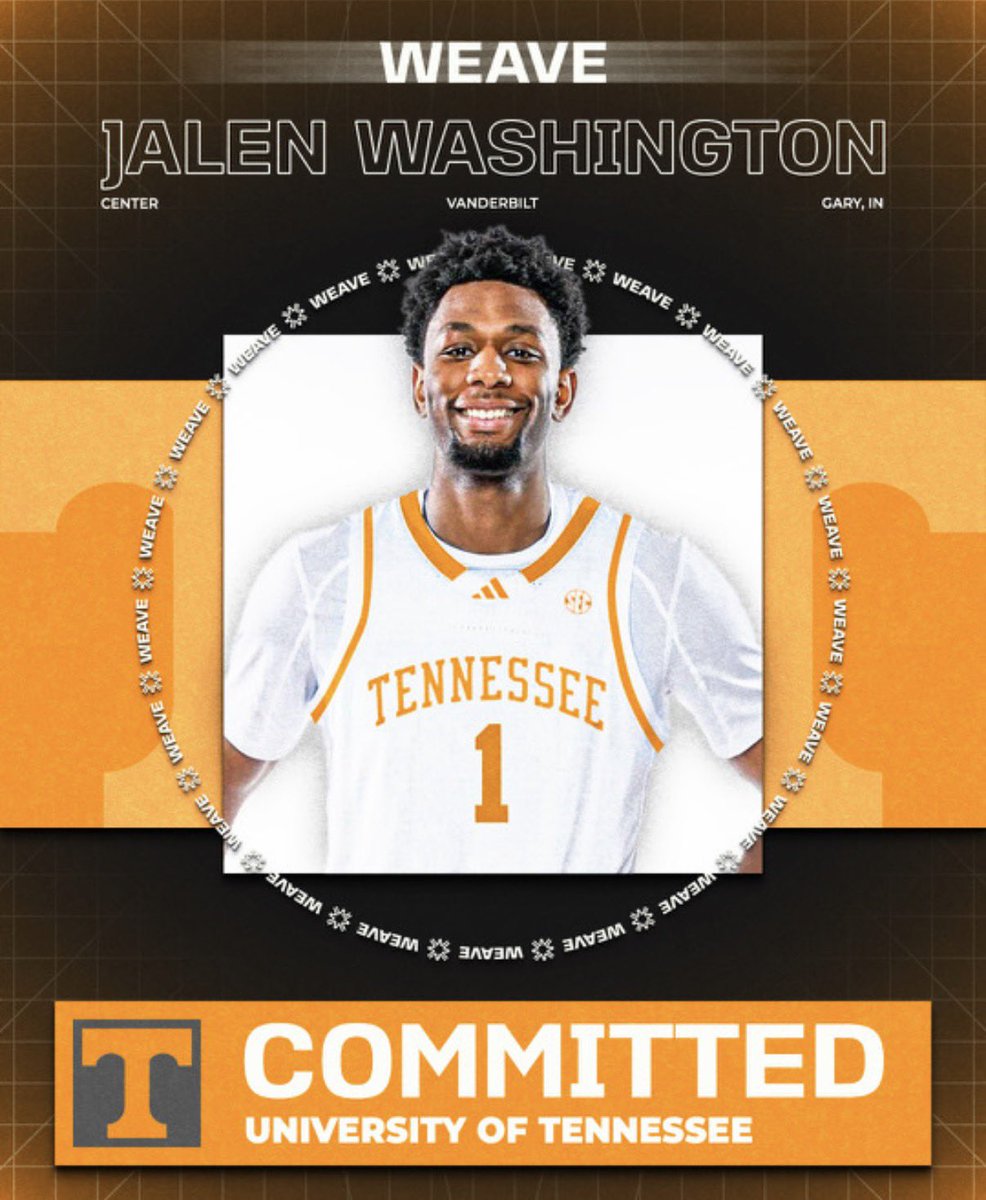
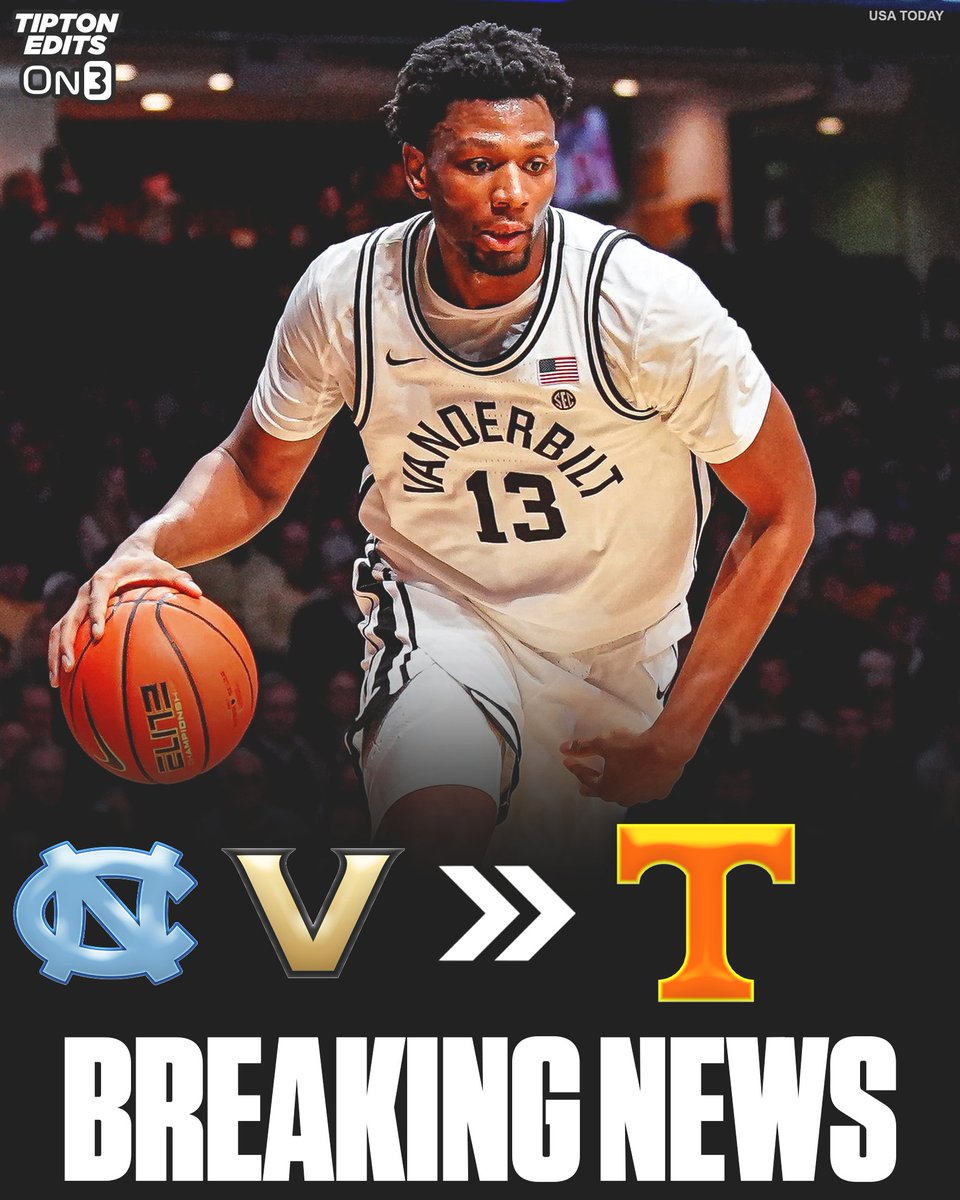
NEWS: Vanderbilt transfer center Jalen Washington has committed to Tennessee, agent @DanielPoneman of @WEAVE told @On3.
The 6-10 senior averaged 8.9 points and 5.6 rebounds per game this past season. He was recently granted an additional year of eligibility through a preliminary injunction.
https://t.co/hoYoqZwiiD
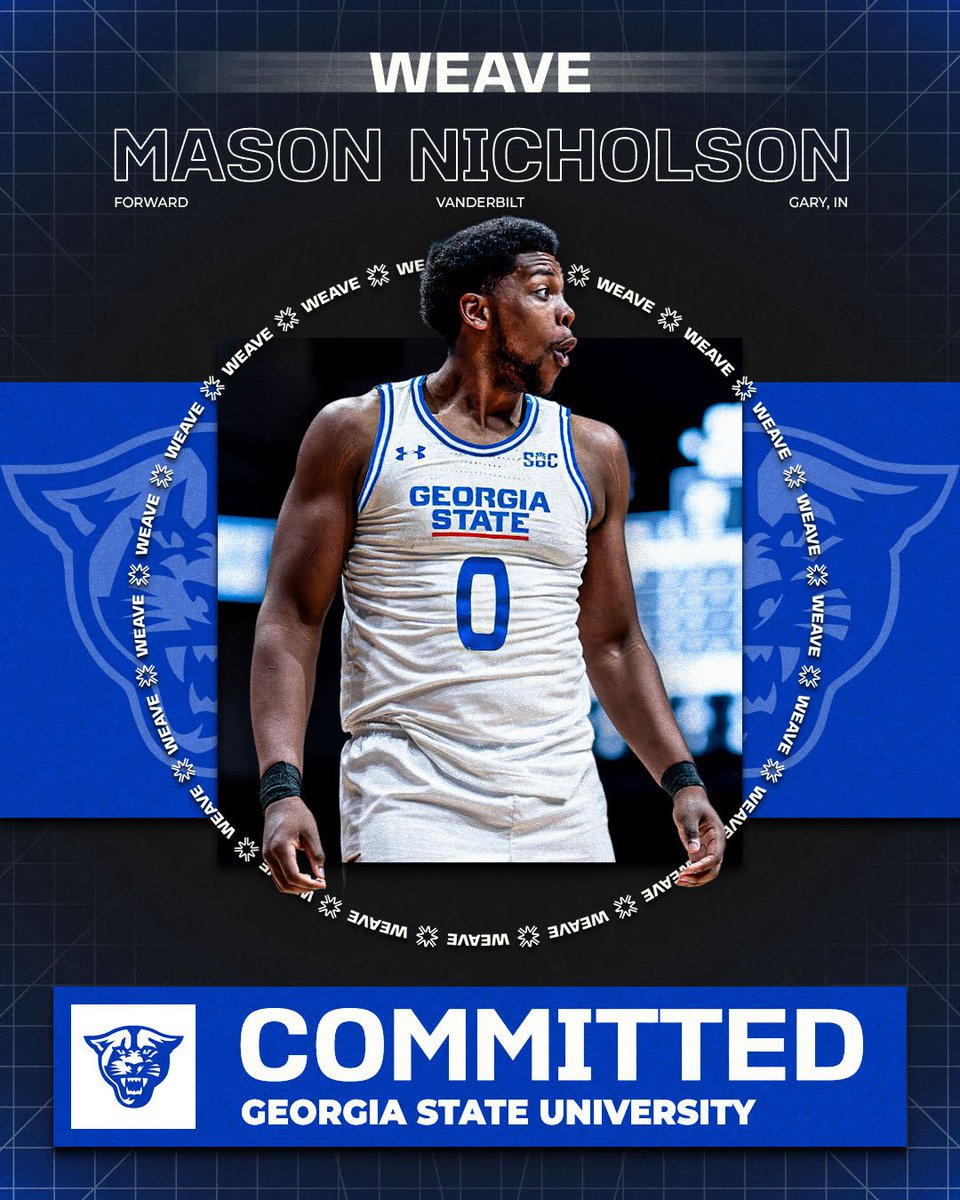
Vanderbilt transfer forward Mason Nicholson has committed to Georgia State, agent @DanielPoneman of WEAVE told @On3.
The 6-9 senior was recently granted a waiver for an additional year of eligibility. He played sparingly for the Commodores this past season, but averaged 7.5 points and 7.4 rebounds per game during the 2024-25 season at Jacksonville State.
https://t.co/aJPsuifPwZ
This is a good account to check out to follow along on preliminary injunction hearings for eligibility rule lawsuits against the NCAA.
Provides a good look at how the NCAA is operating behind the scenes to try and prevent schools/coaches from supporting the lawsuits.
Cruz says, "We used to have a system that worked."
The system “worked” for the institutions, the coaches collecting 8-figure contracts, the conferences, the networks, and the NCAA. It extracted enormous value from athletes while denying them compensation and meaningful mobility.
Longing for the pre-NIL cartel model is not an argument for new federal limits on athlete rights. The Protect College Sports Act re-centers power with the same entities that spent decades suppressing the market and then spent years resisting the correction.
College sports are not in chaos. What Ted Cruz is calling chaos is the predictable and overdue market correction after the NCAA spent decades suppressing athlete compensation, restricting mobility, and operating as a cartel. The real instability came from the amateurism rules that courts continue to dismantle. Athletes finally have leverage. That's not chaos.
Also, programs are not going broke. They choose to pay coaches 8-figure salaries, construct lavish facilities, and run an arms race while using accounting that treats scholarships and facilities as “expenses” and then cries poverty. The same departments that claim insolvency somehow find tens of millions for the next head coach and the next weight room. Fuzzy math does not make voluntary spending a crisis that requires federal intervention.
Professional leagues have long treated college sports as a free minor-league system. The NFL and NBA in particular have avoided the full cost of player development. That does not create an obligation for Congress to now reimpose restraints on the athletes who generate the value.
Finally, Congress did not create this mess. The NCAA did. Decades of anti-competitive rules, aggressive enforcement against athletes, and refusal to adapt produced the legal losses and the patchwork of state NIL laws. The current environment is the consequence of that failure, not of congressional inaction.
The Protect College Sports Act is not a solution. It grants limited antitrust immunity to the same entities that caused the problems, imposes artificial limits on transfers that restrict athlete mobility, creates mechanisms that tilt leverage back toward schools, and preempts stronger state protections. Very little in the bill prioritizes the athletes who built the product. Passing it would not “fix” college sports. It would simply re-entrench the power structure that athletes have finally begun to challenge.
Thanks for reading my op-ed.
My 2026 College Basketball Transfer Portal Rankings are here.
Every qualified D-I to D-I portal move is graded with notes, comps, and projected roles, + full team and conference rankings using a new formula.
Enjoy, and please share if you find useful!
https://t.co/E6XbRGAyap
@GoodmanHoops I remember him well. I reconnected with him maybe 6-8 years later, he was playing for a semi pro team in central illinois I think. Really nice guy. Hope he’s doing well.
You went to @NBASummerLeague .
You left Vegas with an expanded network but you didn’t leave with a job.
Now what?
Join the “SL Recap” call to discuss best practices & strategy post-Vegas.
Live Q&A, NBA front office guests, and more.
Register ⬇️
https://t.co/fMAo1doGRR
We had a problem at A-LIST.
OpenClaw made AI way better, so we gave one to every user.
It almost bankrupted us.
It cost $100K a month. We needed it to be $2000.
Today we share the solution. It's called Chariot.
Elastic claws that cut costs by 98%—while they get smarter.