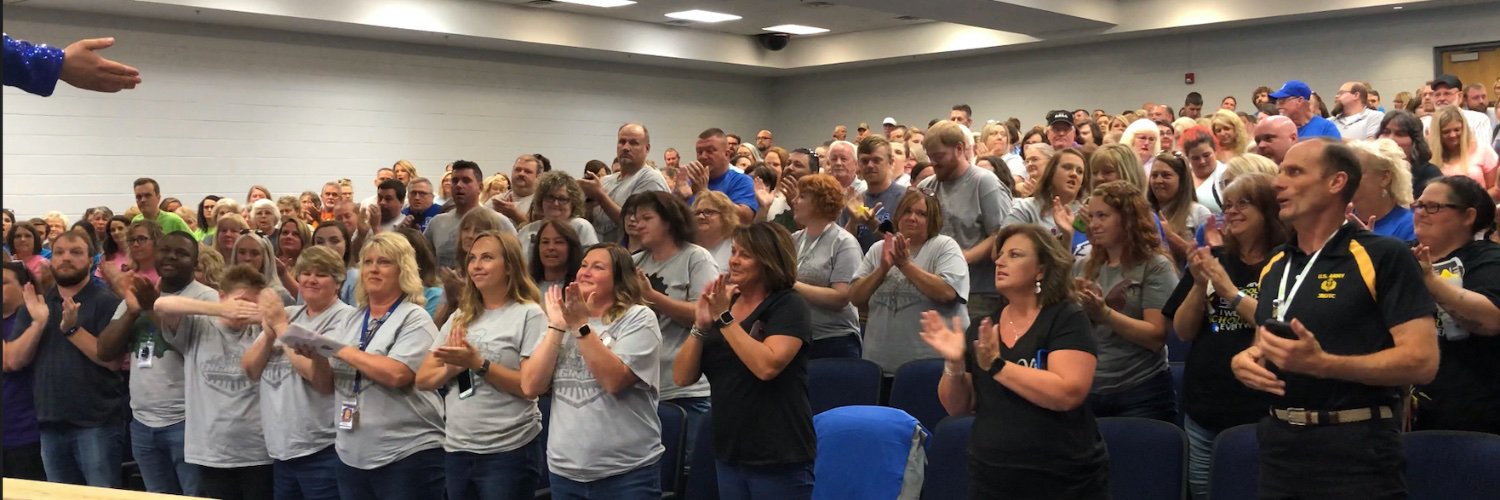
A few months later, they voted me in as Executive Director.
I did not earn that by caring more than everyone. I earned it the first time I stopped assuming I did.
https://t.co/XzqkHc5qud
I'm going to tell on myself.
I was VP of a nonprofit I loved. Board went quiet in a meeting. My first reaction was not wonder.
It was, "people just don't care."
I caught it a couple of days later. Reached out to each board member. Asked what they wanted for the organization, instead of telling them what they weren't doing.
The curiosity re-engaged the board.
Leadership move, resist the urge to close your team's open questions just because you're senior enough to close them. Your certainty ends their exploration.
https://t.co/XzqkHc5qud
The Solver on your team says "maybe it's a special metal."
They're not threatened. They're having fun.
A puzzle is a game and they want to play with it.
Solvers are your hypothesis engine.
The warning, they need the loop closed. Which means a Solver in a hurry will shut a rich open question before it's done doing its work.
I signed a quarter at a cocktail hour. Someone watched it bend an inch from their face.
Their first reaction, in the half-second before composure caught up, told me how they'd handle a bad number in Monday's board meeting.
I include the story of the time I was the Debunker on a board I loved.
I read the room wrong, I almost destroyed a relationship I cared about, and I caught it a couple of days later.
That pause is the entire difference.
One move for your next meeting: make confidence the trigger for evidence, not the substitute for it. Test the claim wrapped in the most certainty first.
There's a name for knowing where the doors are: deception literacy. It belongs on the executive competency list, right next to finance. Almost nowhere is it taught.