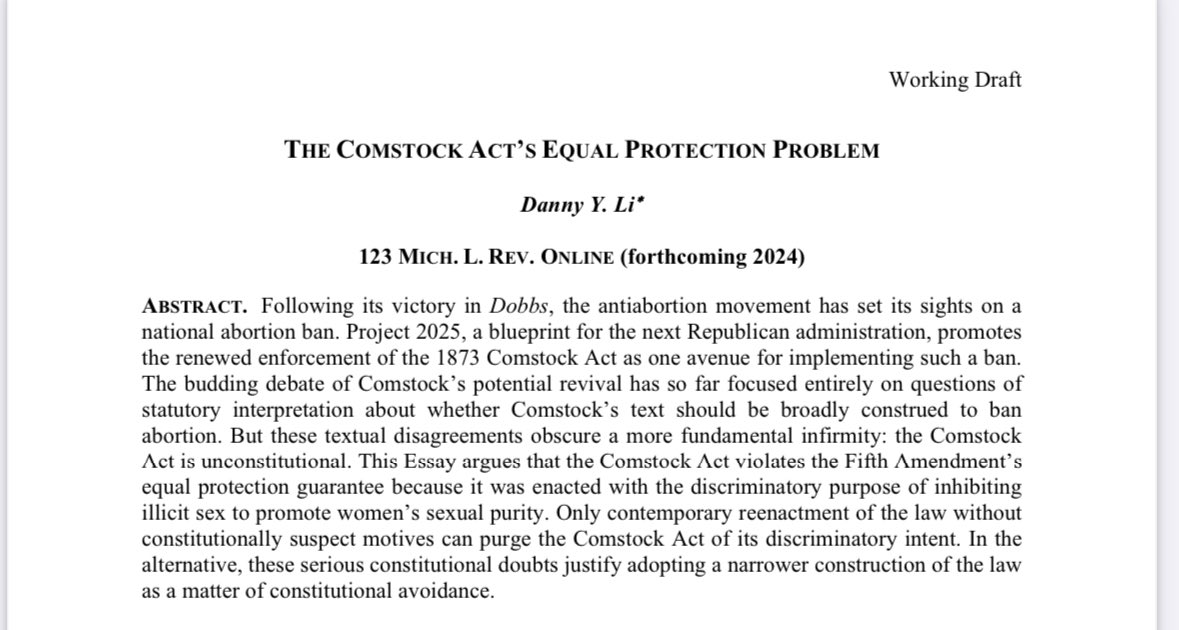
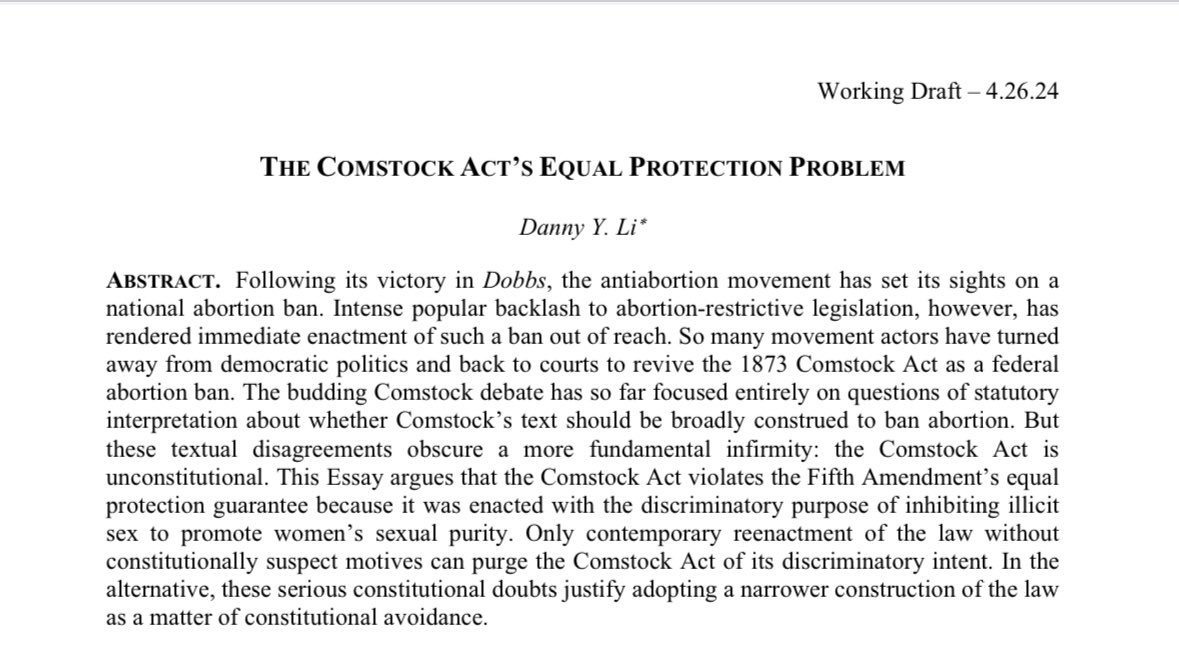
My Essay about the constitutionality of enforcing the Comstock Act as a national abortion ban is forthcoming in @michlawreview
Abstract/link below, feedback welcome!
My Essay about the constitutionality of enforcing the Comstock Act as a national abortion ban is forthcoming in @michlawreview
Abstract/link below, feedback welcome!
Given the live nature of the issue, I’ve posted an early draft of an essay, The Comstock Act’s Equal Protection Problem, arguing that the law’s abortion provision is unconstitutional under equal protection bc it was enacted in 1873 with discriminatory animus against women.
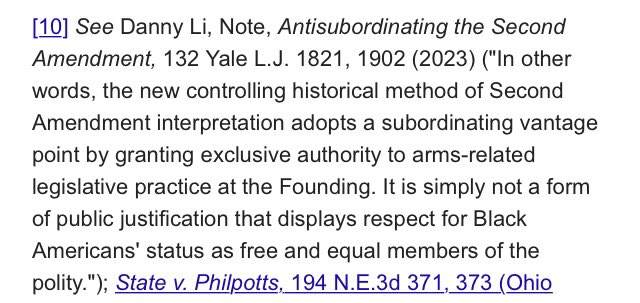
Learned that 2 weeks ago, a district court, upholding the law at issue in Rahimi, cited the @YaleLJournal piece for this exact proposition: https://t.co/FrTtG9E1yj
As I argue in @YaleLJournal (https://t.co/x6u1C3vKYC), cases like Rahimi exemplify how the Bruen's history and tradition method is subordinating. Unsurprisingly, founding era laws did not disarm domestic abusers.
Bruen's history-and-tradition method encourages supporters of regulation to boast these repugnant histories to lend authority to their claims.
What an impoverished form of legal justification... totally indifferent to the present-day interests of dom violence victims
As I argue in @YaleLJournal (https://t.co/x6u1C3vKYC), cases like Rahimi exemplify how the Bruen's history and tradition method is subordinating. Unsurprisingly, founding era laws did not disarm domestic abusers.
In the briefing to come, expect widespread reference to the repugnant history and tradition of disarming groups deemed "dangerous" - e.g., Native Americans and Black people - as support for the measure's constitutionality.
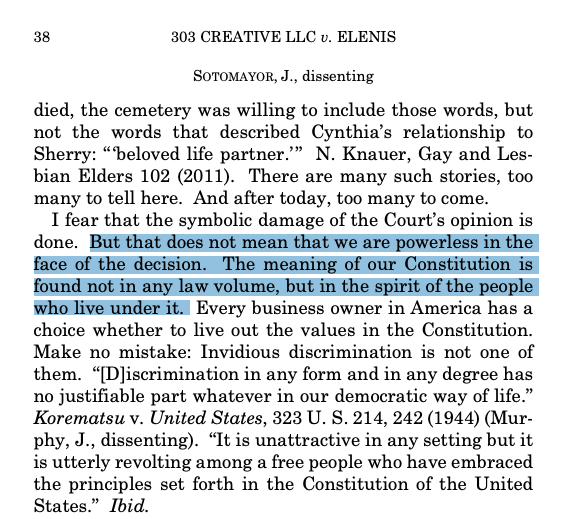
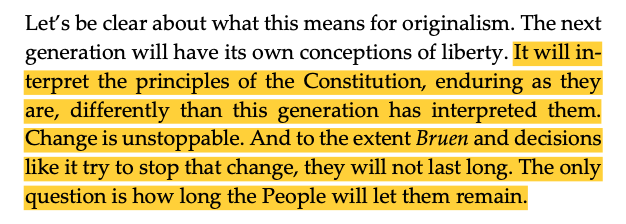
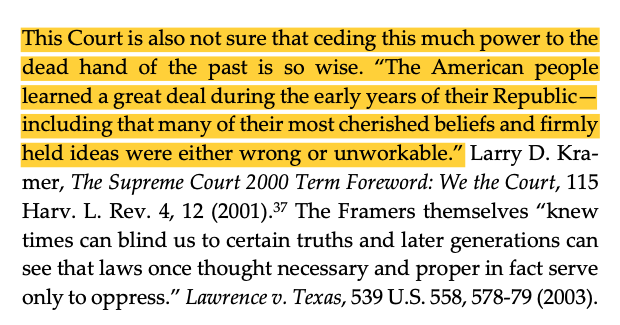
The decision's conclusion expressly sounds in popular/political constitutionalism, emphasizing that interpretive authority ultimately lies with the People.
Judge Reeves's should be read not only as challenging modern 2A law, but as a wide-ranging and public-facing challenge to the Roberts Court (and arguably judicial supremacy more broadly). A 🧵/