When an AI coding agent runs in CI, nobody is there to answer the approval prompt. The ask rule either blocks the job or gets swapped for a skip-permissions flag. How do you govern agents that run unattended, and who reviews what they're allowed to do?
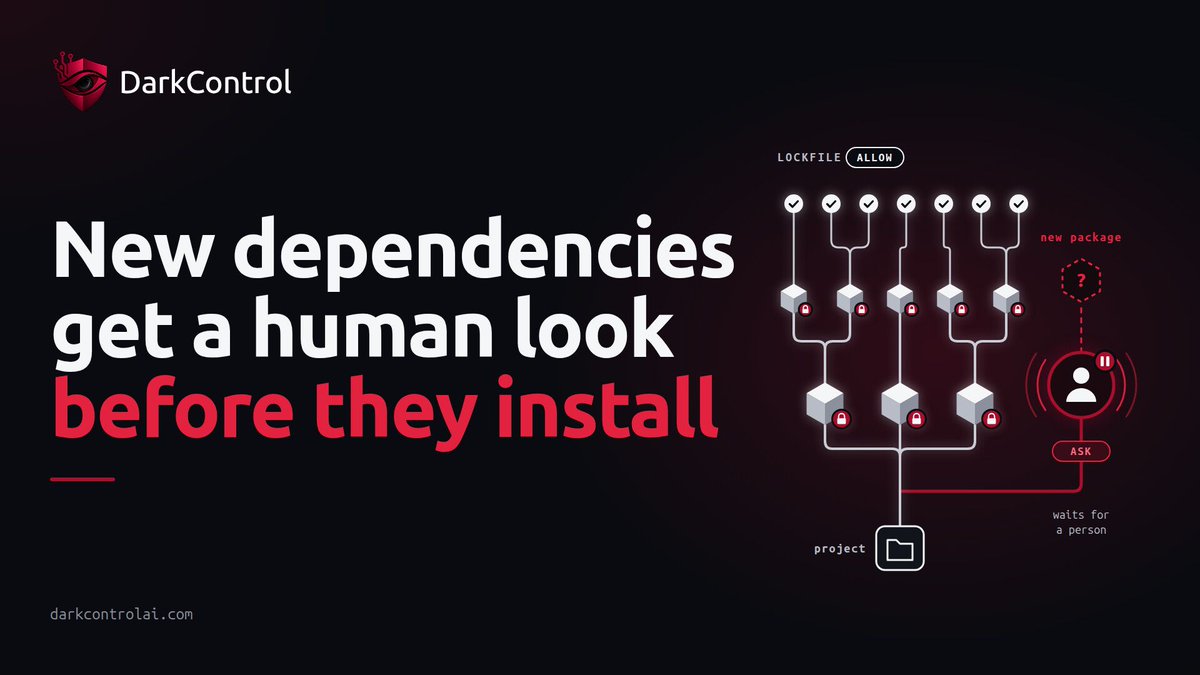
When an AI coding agent installs a package, its install scripts run with the developer's credentials. A sensible default: allow installs that reproduce the lockfile, ask before any new package so someone sees the exact name, and deny installs straight from URLs.
If an auditor asked what your AI coding agents did last month, what would you show? A usage policy states intent. Evidence means knowing which commands agents ran or tried, which were blocked, and who approved the rest. Where does your team keep that record?
In a proof of concept, Proofpoint showed how one consented Entra agent blueprint can create up to 250 agent identities. Permissions inherited via user consent don't show in the portal or Graph, so watch audit logs for blueprint and agent creation.
What an AI coding agent prints in a terminal can end up in its stored transcript. Cursor says agent traces an attacker copied held unredacted credentials. A narrow rule: deny printing .env, ~/.aws/credentials or ~/.ssh files, and ask before commands with inline tokens.
Running AI coding agents with prompts off inside a container is a fair compromise. Then check what the container holds: push rights, registry tokens, cloud keys, open egress. Which of those would you let an agent use with nobody watching?
Microsoft's Ignite news brings local coding agents into Entra and Intune, with discovery and Agent IDs for Claude Code and Copilot CLI in preview. Before switching it on, agree which agents are sanctioned and check your consent settings for agent blueprints.
An AI coding agent shouldn't edit the files that define its own permissions. Put agent writes to settings, MCP config and instruction files like AGENTS.md behind approval, and deny changes to user-level config outright. It rarely needs to touch either.
Who owns the rules for your AI coding agents? Rules written only by security stay too strict, and team-owned ones drift permissive. One split: security sets a few org-wide denies, teams own allows inside them, and someone outside the team reviews them quarterly.
France's Assemblée adopted its NIS2 transposition on 17 Nov, 464 votes to 64. A joint committee and decrees still come before it applies. Worth doing now: put AI coding agents in your incident runbook, with an owner, a log source and a way to revoke their credentials.
Let AI coding agents read infrastructure state (kubectl get, terraform plan). Put anything that changes it behind approval, and deny changes aimed at production so they go through your pipeline. The agent still helps diagnose, and prod keeps its review.
If your developers almost never refuse an AI agent's approval prompt, check whether anyone still reads them. Prompts approved every time belong in Allow, ones nobody should approve in Deny. What's left behind Ask should be rare enough to make people stop.
Two hijacked releases of Microsoft's agent-framework (1.26.1, 1.26.2) reached PyPI on 17 Nov with a credential stealer that runs on every Python start, per Wiz. Check lockfiles and images, pin 1.26.0 with hashes, rotate secrets. https://t.co/bqPHlww6dC
Let AI coding agents reinstall what's in the lockfile without asking. Put any new package or version change behind an approval, so someone sees the exact name before install scripts run with the developer's access. Deny installs from arbitrary URLs.
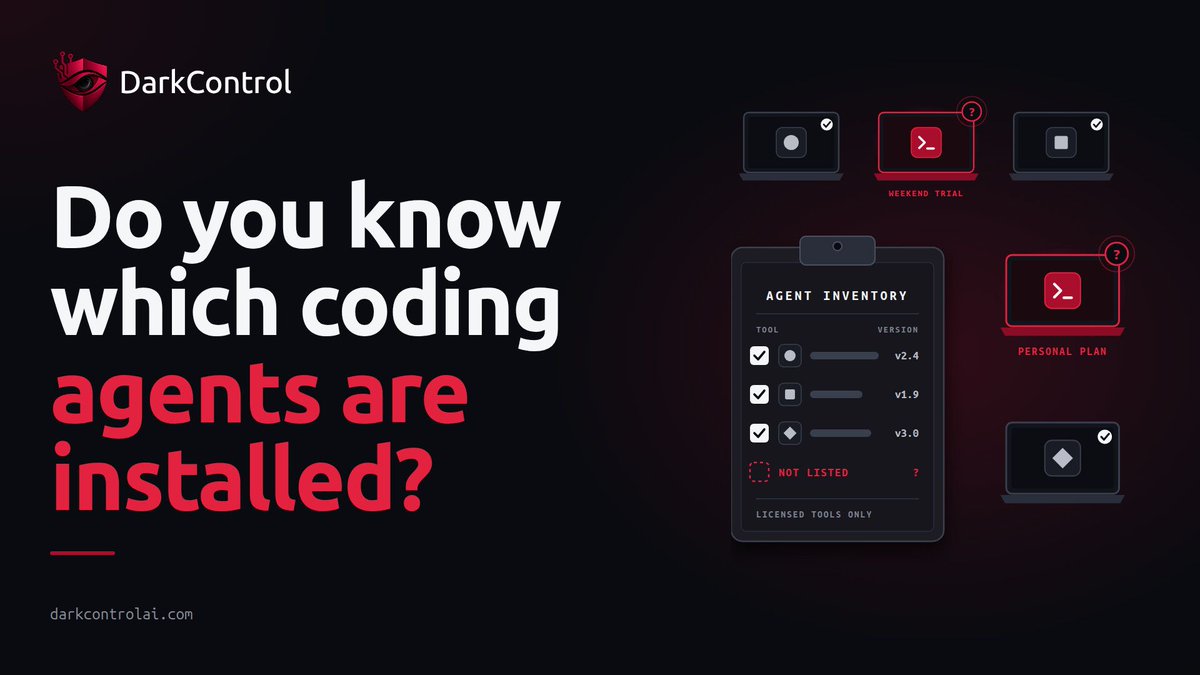
Could you list every AI coding agent on your developer machines, with versions? Licence reports only show what you bought. Hard blocks push trials onto personal laptops; allowing everything leaves you guessing when an advisory drops. How does your team spot a new agent?
Proofpoint showed a proof-of-concept consent phish against Entra agent blueprints: one approved blueprint can create up to 250 agent identities, and permissions inherited via user consent don't show in the portal or Graph. Put blueprints under your consent policy.
AI coding agents keep what they read in their session history. Deny shell reads of .env, ~/.aws/credentials and ~/.ssh keys, block printenv dumps, and ask before commands with inline tokens. The app still gets its config; the agent never sees the values.
If an auditor asked what your AI coding agents tried to run last month, and which commands someone approved or refused, what could you show? Full logs need protecting, since commands can carry secrets. Thin logs leave gaps. Where has your team drawn the line?