I wish some of us were and are on a planet somewhere in deep space, tuning into the radio waves from planet Earth from bygone days and years.
That would be the BEST box set ever.
And likewise, if we could tune into another civilisation, I’d watch it, but some capitalist here
bluedot complete! 💙
Revealing your full day and stage splits for our return in less than fifty days...
Final day and weekend tickets now available – don't miss a truly unique experience at Cheshire's iconic Jodrell Bank ✨
https://t.co/0UZHVJUnKV
NASA has found a floating reservoir of water in space that holds the equivalent of 140 trillion times all the water that's in Earth's oceans
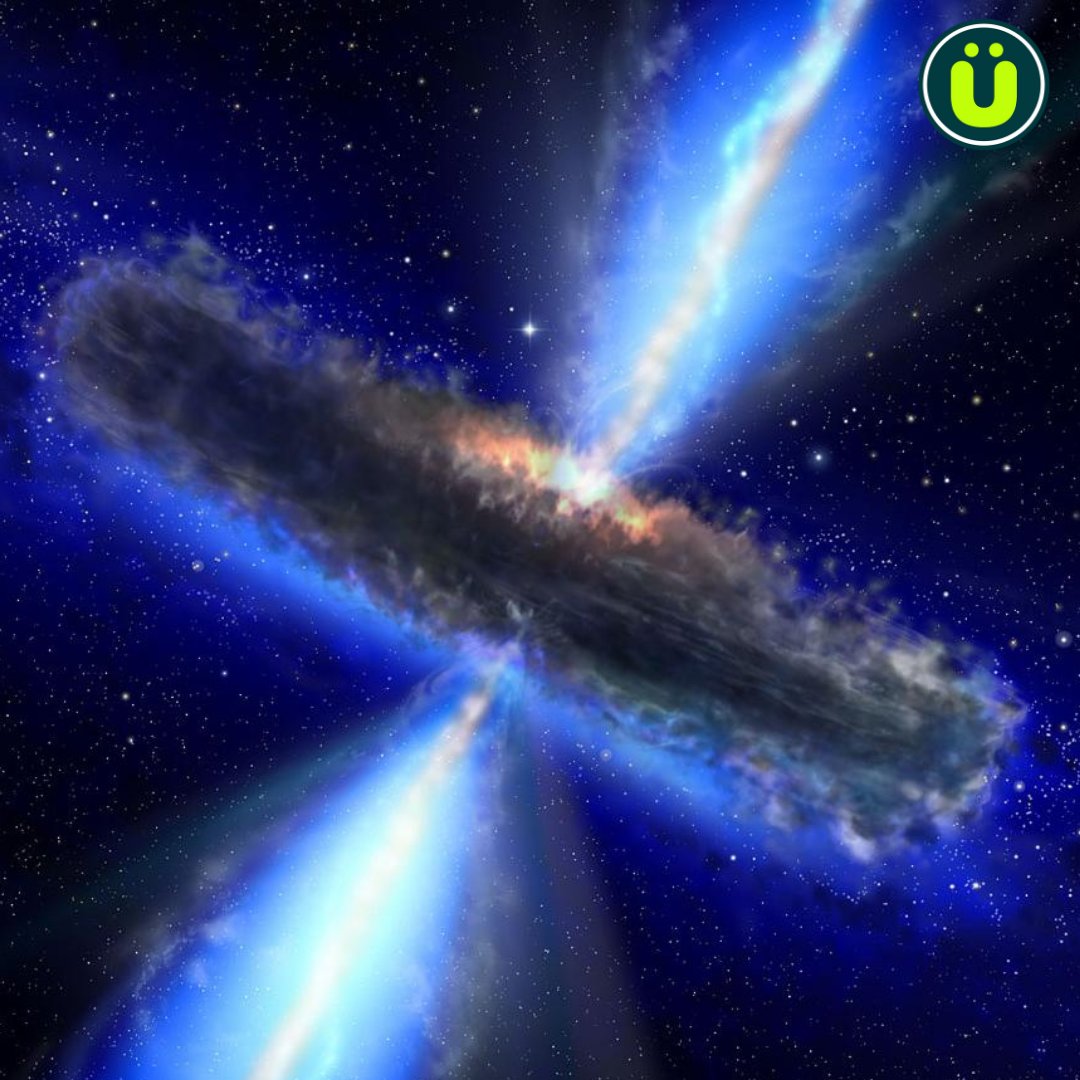
Estimated to be equivalent to 140 trillion times all the water in Earth's oceans, this cosmic ocean surrounds a gigantic quasar over 12 billion light-years away. The discovery by the astronomers, who observed a quasar named APM 08279+5255, highlights the incredible pervasiveness of water in the universe
Quasars, astronomical phenomena driven by black holes consuming surrounding gas and dust, are known for releasing enormous energy. Remarkably, the quasar under study is home to a black hole that's 20 billion times more massive than the sun and radiates energy comparable to a thousand trillion suns
The detection of water vapor in this distant quasar provides crucial insight into its nature. Despite the frigid conditions and low density compared to Earth's atmosphere, the water vapor reveals an unusually warm and dense environment for astronomical standards.
Not only is this water reservoir a fascinating discovery in itself, but its existence also implies that there's enough gas to feed the black hole until it becomes six times its current size
However, the future of this gas isn't clear, as it might eventually condense into stars or be expelled from the quasar