@realDonaldTrump 🇺🇸 This is BS you get when you elect a narcissist criminal to run your country. An unjust, unfair and illegal trade war with your closest alliance and friend. Congratulations!
Region offers to share information with landowners in Wilmot regarding plans to build #industrial site on farmland #WaterlooRegion https://t.co/FhMdvgdDOs via @newhamburgindy
Question posed to the panel at the #SWOREF: What is a healthy or balanced market vacancy rate in the #industrial market in Southwestern Ontario market? #CRE
Are you attending the Southwestern Ontario Real Estate Forum tomorrow?
It's going to a great day filled with important insights for Southwestern Ontario real estate!
Sign up here>> https://t.co/nhV4bD0esb
#SWOREF#realestate#canadianrealestate#development#southontario
@ChadGriffiths When I started in the business, we had a huge wave of manufacturing buildings “crane and drain”buildings closing. Now 30 years later we are seeing the demand for these kinds of space increase again in southwestern Ontario and Canada which is great to see.
Here are the 3️⃣ most common cranes I see in industrial buildings:
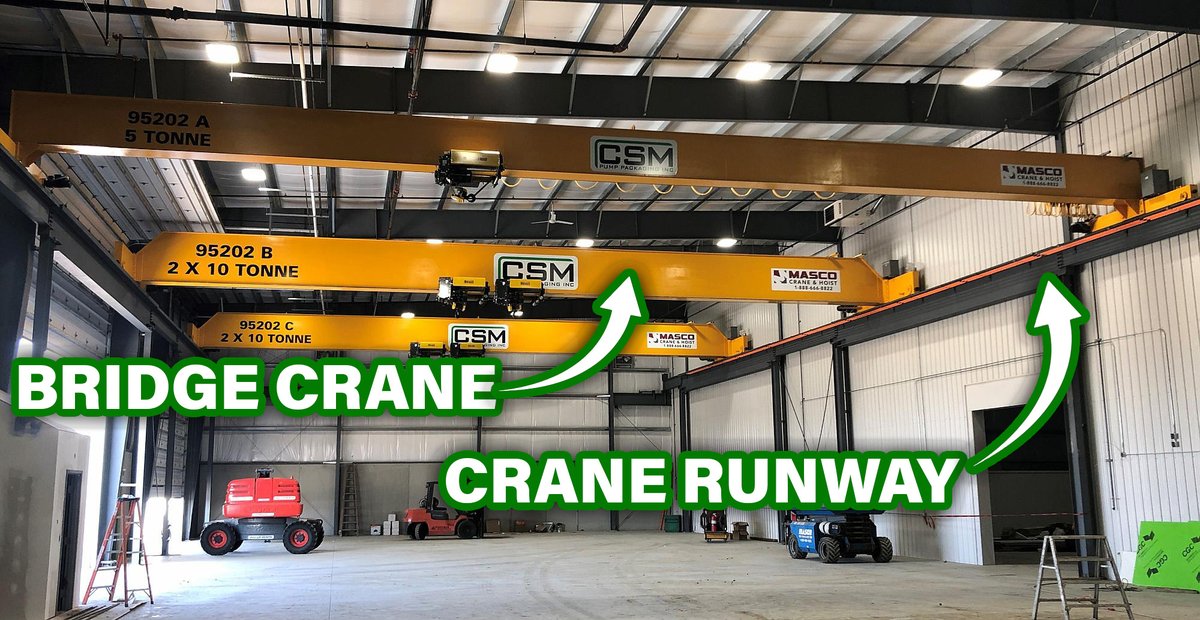
Bridge Cranes
A bridge crane is an overhead crane that move on a fixed rail system (I've heard the rails called all sorts of things including bridge way, runway, railway or crane way).
The key feature of a bridge crane is that it can travel long distances and handle a lot of weight.
These are the most expensive to install and it's not uncommon for structural improvements needed to be made to the building.
There are also different variations (ie/ single or double girder, top or bottom running) but once you get to that level of detail you should already have a bridge specialist involved.
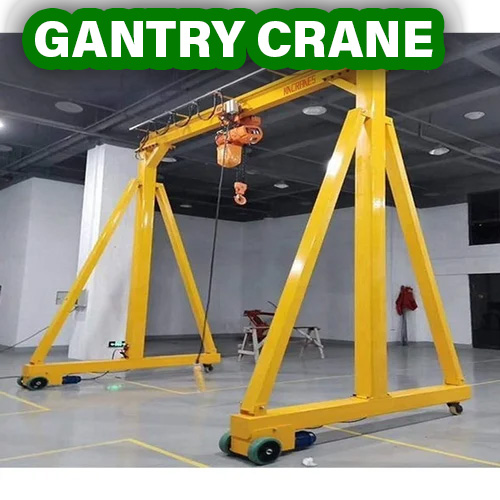
Gantry Cranes
Very similar to bridge cranes except they're on wheels. Makes them much more versatile but they also tend to be much smaller and thus support much less weight.
Jib Cranes
These types of cranes are fixed to the building (either to the floor, column or wall) and essentially rotate around the fixed point.
They don't have nearly the versatility but still quite handy for certain applications.
~~
Here are a few other important considerations:
Companies that need cranes will often have few main specs:
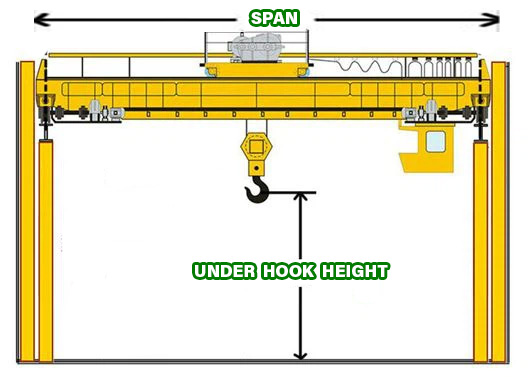
🏗️ The capacity of the crane (measured it either tons or pounds)
🏗️ The under/below hook height (the distance between the floor and the center point of the hook at its highest point)
🏗️ The span of the crane (ie/ how wide it is)
Next, who owns the cranes? If a lease is silent on the topic a gantry crane will likely be owned by whoever paid for it whereas a jib or bridge crane will likely be considered a fixture and thus part of the building.
Best practice is to put anything relevant to the cranes into the lease or a separate agreement.
It's also imperative to note that cranes need to be regularly maintained and certified.
If you see an old crane in a building which looks like it's been poorly maintained it might be worth very little.
By contrast, a new 20 ton double girder bridge crane that covers a long span of the building can be very valuable.
I'd highly recommend to always keep safety in mind and have a specialist inspect and certify the crane is suitable for use before giving any assurance or warranties.
If a building doesn't have a crane and you want to explore the potential of adding one, be prepared to bring on a structural engineer and a crane specialist.
Do not make any assumptions here, know enough to know what questions to ask but always bring in a professional!
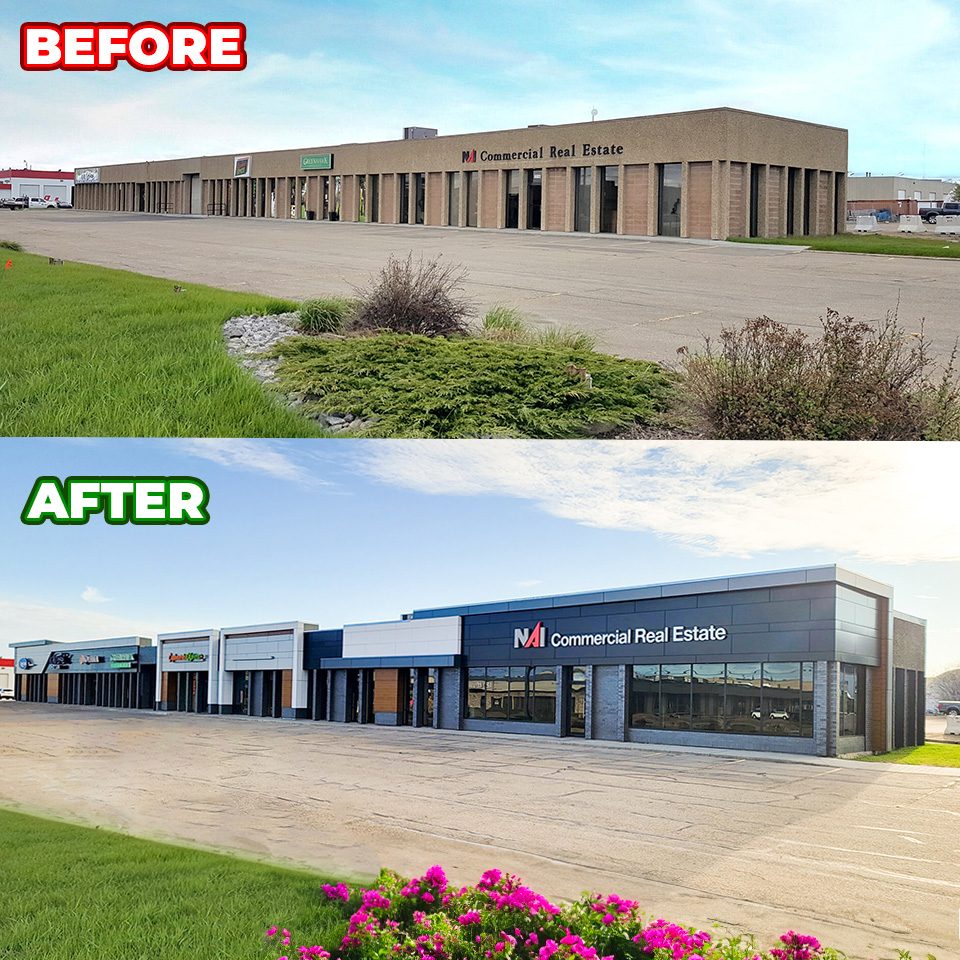
My partners and I took this old flex industrial building and gave it a complete overhaul.
It wasn't without it's challenges but very happy with how it turned out!