Stanford measured 19 inflammatory markers across two diet groups over 10 weeks. The fermented food group improved across every single one.
The protocol:
- Eat fermented foods daily. Kimchi, sauerkraut, kefir, yogurt. Rotate them.
- Stop treating fiber as your primary gut health strategy.
- Think of your gut as a living ecosystem. Feed it things that are alive.
- Prioritize microbial diversity over calorie math.
- Stop depending on probiotic capsules.
My wife asked me a question last year that stopped me cold.
“If everything you’re saying about metabolic health is true, why does my doctor only check my cholesterol?”
I didn’t have a good answer. So I found this study.
Researchers followed 28,024 women for 21.4 years. They tracked every major risk factor and measured which ones actually predicted cardiovascular events.
The results should be on the wall of every cardiology office in the country.
Diabetes: 10x hazard ratio.
Metabolic syndrome: 6x.
Severe obesity: 4.7x.
Smoking: 4x.
Hypertension: 4x.
LDL cholesterol: 1.4x.
Total cholesterol: 1.0x.
Look at that gap. The top of the chart is metabolic. Driven by insulin resistance, inflammation, and blood sugar. Reversible with food and lifestyle. No pill exists for any of it.
The bottom of the chart is what most doctors spend 90% of their time on. What pharma builds $26 billion a year in revenue around. And what carries almost no predictive power for cardiovascular death in women.
Diabetes is 10x more deadly than high LDL cholesterol. And diabetes doesn’t arrive overnight. It arrives through years of glucose spikes, insulin resistance, and metabolic dysfunction that nobody tested for.
Pharma cannot cure the top of this chart. Food can.
A cured patient is a cancelled subscription.
Dugani et al., JAMA Cardiology, 2021. N=28,024 Women. 21.4 Years.
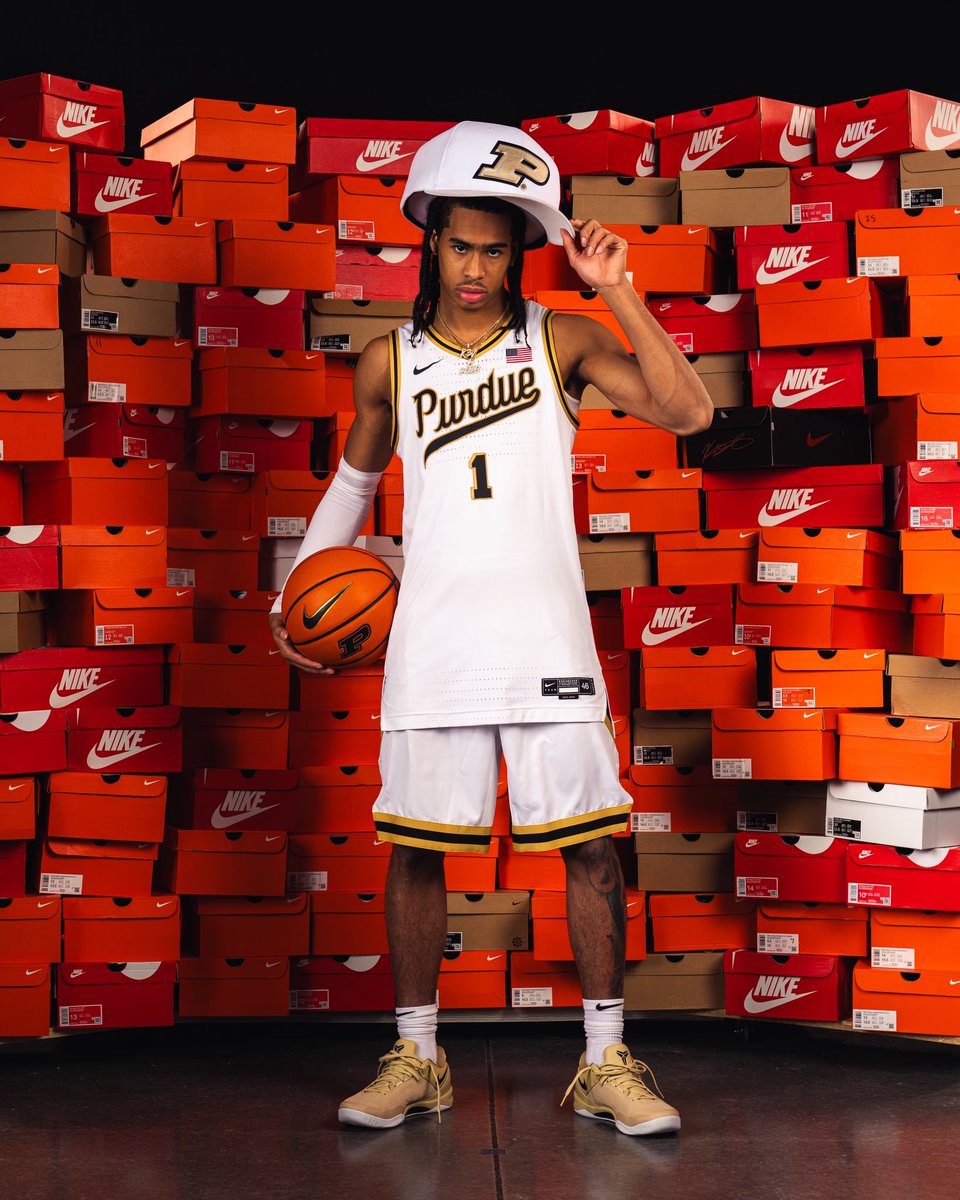
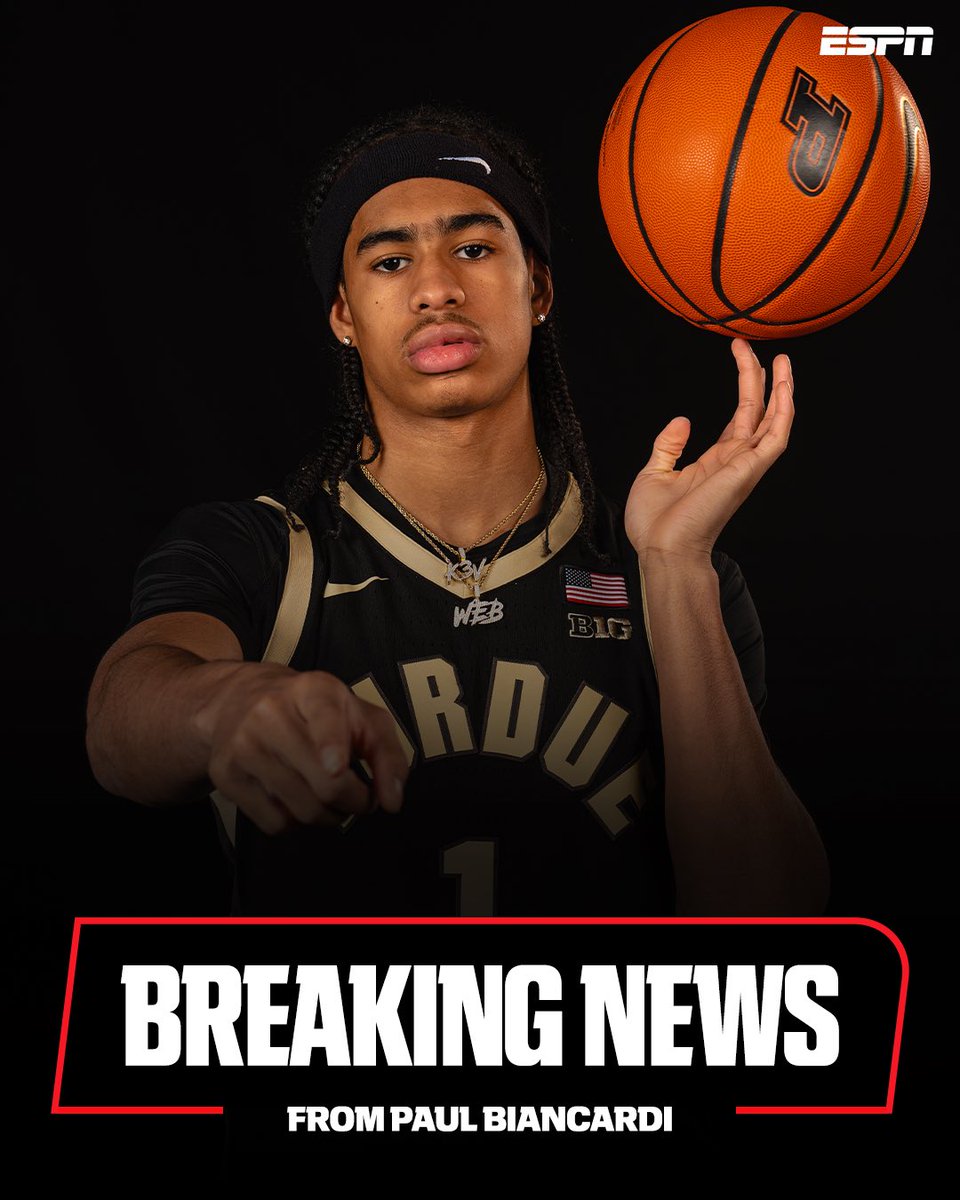
Kevin Savage III moves up 1-spot to #27-overall in ESPN’s class-of-2027 rankings.
Savage would become Purdue’s highest rated PG-commit ever.
Before Savage, freshman Luke Ertel (#38 in 2026) held that title. Before Ertel? It was sophomore Omer Mayer’s (#46 in 2025).
Are you noticing a trend?
PG U.
#27Savage
#SavageSzn
🚂🏀🔪
Kevin Savage is one of the most consistent players in the class of 2027. He is the type of PG you can trust from day one. @KevinSavage_K3
He is one of the leading scorers and leaders in steals in the @3SSBCircuit. He was terrific for @gameeliteatl in May at @BigShotsGlobal. At the Adidas Eurocamp, he was a tough shot-maker and played consistently hard on both ends. He then went to the NBPA Top 100 Camp, where he was a top performer.
He is exactly what Purdue basketball is all about: winning, team basketball, consistency, and toughness. @BoilerBall
NEWS: 4⭐️ Kevin Savage has committed to Purdue, he told @Rivals.
The 5-11 point guard is a top-40 overall recruit in the 2027 class.
"My goal is to come to Mackey Arena and bring a national championship back to West Lafayette.“
https://t.co/Qtct7uNBqb
🇺🇸 Happy Independence Day!
Before cable news, there were Saturday morning cartoons. "No More Kings" — Schoolhouse Rock's very first America Rock episode — taught a generation how we fired a king and built a free country.
Some lessons never get old. 🎆
#IndependenceDay#4thOfJuly
Thomas Paine publishes an open letter in the Pennsylvania Evening Post, under the name “Republicus,” which advocates for the name “United States of America” for the new nation now emerging.
This is the first time such a term has been used.
A retired paper merchant with no background in science decided to string a telegraph wire across the entire Atlantic Ocean. It failed so completely that people called it a hoax and a stock scam. He spent twelve years and crossed the ocean more than thirty times proving them wrong.
His name was Cyrus Field. In 1854 he was rich and restless, staring at a globe in his living room, when the idea hit. Back then a letter from London to New York went by ship, about ten days if the weather held. Field wanted to drop a copper wire two thousand miles across a seabed no human had ever seen, and make that message land in minutes.
The experts said it couldn't be done, and they had good reasons. Nobody had ever built a wire that long. It would weigh thousands of tons, more than any ship could hold. And nobody knew if an electric signal could even survive two thousand miles underwater. When Congress voted to help pay for it, the bill scraped through the Senate by one vote.
Then came the failures. The 1857 cable snapped after three hundred miles and sank into two miles of water. In 1858 a storm nearly sank the ship hauling it, and the cable broke, and broke, and broke. Field talked his exhausted backers into one last try that summer, and it held. Queen Victoria sent the US president a 98-word note. It took about sixteen hours to crawl down the wire. New York threw a party so wild the fireworks set City Hall on fire, and Tiffany sold off chunks of leftover cable as souvenirs.
Three weeks and 732 messages later, it went dead. An engineer had forced two thousand volts through the line trying to speed it up, and cooked the insulation. The mood flipped fast. By the end of 1858 people were calling it a fraud to drive up the share price, and Field went from national hero to suspected con man.
The Civil War ate the next few years. When it ended, Field found fresh backing and a new ship: Brunel's Great Eastern, the only ship big enough to carry the whole cable at once. In 1865, with a few hundred miles to go, the cable snapped and vanished into the deep. He brushed it off. "We've learned a great deal," he said, "and next summer we'll lay the cable without a doubt."
In July 1866, he did. Then his crew steamed back out, fished up the cable lost the year before, and finished that one too. Two working lines.
The new cable carried words eighty times faster than the first one. A message between two continents went from ten days to minutes.
Betting against Cyrus Field was the rational move, and the pessimists were proven right almost every single time. But the one outcome that rewired how the whole world communicates came from the lone man who stayed optimistic and was right.
This is 100-year-old Bob. He still plays 18 holes of golf, works out every day, and even carries his own bag because he says it helps him keep his strength.
Michigan is promoting assistant Mike Boynton to interim head coach, a source confirmed.
Wolverines AD Warde Manuel will continue meeting with players and staff today on the heels of Dusty May leaving Ann Arbor for the Dallas Mavericks.
USA. A breakfast counter. The waitress recommended the biscuits and gravy, and when the plate arrived, I thought something had gone wrong in the kitchen.
I say this with shame. The dish looked like a construction site after rain. Pale mounds. Gray ladle-fall. Speckles I could not identify.
In my land, the eye eats first. A meal is arranged like a garden. This meal was arranged like weather.
"Is it… finished?" I asked, carefully.
"Honey, that's what it looks like."
The man beside me was already eating his. He did not look up. "Just try it."
I am a man who has charged hillsides at dawn. I raised the fork. I tried it.
I must now formally apologize to the biscuits, the gravy, the waitress, the kitchen, and the entire breakfast tradition of the American South.
It was magnificent. Warm. Peppered. The biscuit drank the gravy the way a field drinks rain — THAT is why it is shaped like that, you fool — and every mound I had insulted was a soft fold of comfort that my homeland, in eight hundred years, never once thought to invent.
"Well?" the waitress asked.
"I judged it," I confessed. "By its appearance. I am ashamed."
"Everybody does, hon."
Everybody does. A national dish that forgives you for doubting it. It expects the doubt. It waits for you on the other side of it.
Do not judge the gravy by its face. Judge yourself, for hesitating.
I order it every Saturday now. I no longer see the construction site. I see only the garden.
It was a garden the whole time. The eye must be trained.
Stateside, a gas station. I drank a frozen blue beverage too quickly, and was struck down by a punishment this entire nation knows, and accepts, and has named.
The drink is called a slush. Ice, sweetness, and a blue that does not occur in nature. The day was hot. I was thirsty. I drank like a soldier at a river.
The pain arrived in my skull like a war horn.
Behind the eyes. Above everything. Total. I gripped the roof of my car. I may have made a sound.
"Brain freeze," said the cashier through the door, with no urgency whatsoever.
It has a NAME. The affliction is so common it has a household name, like a cousin.
"Tongue on the roof of your mouth," called a man at the pumps. He did not look over. He prescribed the remedy mid-pump, casually, the way one mentions weather.
I pressed my tongue to the roof of my mouth. The war horn faded. The healer nodded at his pump, finished, and was gone in a Chevrolet.
In my land, punishment follows crime by way of courts and seasons. Here, the sentence is instant. Drink with greed, and the ice strikes the mind directly. No trial. No appeal. Perfectly fair.
And here is what moves me. EVERYONE has felt it. The cashier. The healer. Children. Elders. An entire nation united by the same small lightning, all taught the same cure, all passing it on to strangers at gas stations, free of charge.
You cannot fully distrust a country once you know it shares one pain.
The freeze does not punish thirst. It punishes haste.
I finished the slush slowly, like a scholar. Blue tongue. Clear mind.
Then at the door I forgot everything, drank deeply, and was struck down again.
"Tongue, hon," said the cashier, without looking up.
Discipline is a journey.
It's the 40th anniversary of Thornton Melon doing the Triple Lindy and winning the National Championship for Grand Lakes University.
Back to School (1986)