Welcome to @Datadripco — your daily source for sharp, original analysis on AI, crypto, and tech.
Fresh posts drop every day at 5:00 PST. No fluff, just the real drip.
What topic should I break down next? Reply below 👇
https://t.co/rdgWlsUR0t
CLAUDE FABLE 5 JUST BEAT POKÉMON FIRERED USING ONLY VISION. NO MAP, NO NAV, NO HELPER HARNESS....
It finished the entire game in a timelapse. Older versions needed extra scaffolding just to attempt something like this. This is one of the cleaner examples I’ve seen of long-horizon visual reasoning instead of relying on game state cheats The gap between impressive demos and actually reliable performance in the wild is still pretty wide though.
What do you think is the bigger unlock right now... longer context and memory, or stronger native vision and tool use?
Honestly, the biggest pain point I’ve seen people run into with Hermes is context and memory management over longer sessions. It can get flaky if you don’t set up proper memory persistence and clear handoff rules between agents early. A lot of the stability seems to come from being very deliberate with CLAUDE.md setup and keeping the agent count reasonable instead of going full chaos mode with dozens running at once. Have you run into specific issues with it, or are you just trying to get ahead of problems before scaling?
YOU CAN RUN A FULL AUTONOMOUS AI AGENT WORKSPACE ON TWO BUDGET MAC MINIS — NO $210/MONTH CLOUD BILL REQUIRED
Hermes + local models turn your machine into a persistent team. Saved skills, full memory across sessions, research and workflows that actually stay on-device instead of resetting every time you close the tab.
One builder set this up and ditched the recurring cloud dashboard completely. No rate limits mid-project. No context loss. Full privacy and ownership.
Cloud agent stacks add up fast. Hardware is a one-time cost. The math favors local for anyone building seriously in 2026.
This is the infrastructure shift most independent builders and analysts are still sleeping on.
What’s your biggest friction with current AI agent tools right now? Cost, memory/context loss, or rate limits?
@KhusbooT14835 A lot of the “advanced prompting” content out there is still surface level. The real difference comes from things like persistent memory and structured workflows, not cleverer single prompts. This video seems to actually focus on the former.
@0xCodez 50% of engineering from your phone sounds great until you realize you’re now debugging production issues while waiting for coffee. The real flex is having agents that don’t need you hovering.
@AnatoliKopadze Stuff like this makes “vibe coding” look cute. Once you see someone shipping a full deployed app while managing five different roles solo, it becomes obvious that the real skill is orchestration, not just prompting. Most people are still playing in the shallow end.
The shift from one-off prompts to persistent loops and routines is the real unlock most people miss. Once agents start checking each other’s work, output quality and reliability jump fast. How are you structuring the handoff between planning loops and execution agents in your own daily workflow?
This is a smart use of Claude Code. The research loop kills so much time when you’re trying to ship consistently. Building the scraping + ranking directly inside the same environment where you’re writing content keeps context clean.
Did you run into issues with rate limits or context bloat when pulling from multiple platforms at once, or did chunking + summarization handle it cleanly?
A 23-YEAR-OLD WITH NO CODING BACKGROUND USED CLAUDE CODE TO BUILD AND SHIP A MOBILE APP IN 14 DAYS — NOW IT'S DOING $20K A MONTH
He locked in on a single niche he was actually obsessed with, handled the whole thing solo, reached 12,000 downloads inside 50 days, and won a competitive hackathon.
This is what the barrier looks like now. The technical skill gap collapsed. What remains is focus, picking the right problem, and getting it in front of the right people.
If you could skip straight to building and shipping without the "I don't know how to code" wall, what would you make first?
After my meme post the other day went pretty viral on reddit, I’ve been paying closer attention to how credits are actually getting used since the billing change. Shoutout to everyone who related to it and made it the #1 post all time in the subreddit! I feel the frustration too...
Been tracking how credits are getting used since the billing change and there’s a pretty clear pattern at this point. Heavy refactors and anything that requires the model to process and rewrite large sections of code are the most expensive. That’s expected. What’s more frustrating is how much some smaller tasks are now costing. People are burning serious credits on things like formatting tables, cleaning up comments across files, or asking for explanations while making changes in the same prompt. It feels like the system got significantly more sensitive to context size and how many instructions you stack together.
I’m already at 80% which i reached june 3rd and I haven’t been using it aggressively. At this rate I’ll probably burn through the rest before the month ends and just cancel after that.
Because of this I’ve been shifting more of my work over to Grok Build. I was already using it on the side before, but now I’m making it my main tool. The workflow just feels better for the kind of work I do. It handles bigger tasks and multi-step reasoning without losing context as easily, and the iteration speed when you’re building or prototyping feels noticeably faster.
What’s also interesting is what’s coming next. There’s been talk about Grok 5 being trained on one of the larger clusters, with some reports saying parts of the training happened using SpaceX infrastructure. If that’s true, it could explain some of the jumps we’ve been seeing in reasoning and long-context performance. I’m not treating any of it as confirmed yet, but if the next version actually delivers on the direction they’ve been moving, it could become a serious option for people who want something that feels built for actual development work instead of just maximizing usage.
I’m planning to keep using Grok Build as my primary tool for many of my projects going forward. Made this meme with grok. Curious what everyone else is doing right now. Have most of you already started looking at alternatives, or are you still trying to ride it out with Copilot? And if anyone’s been using Grok Build properly, what’s your take on it so far?
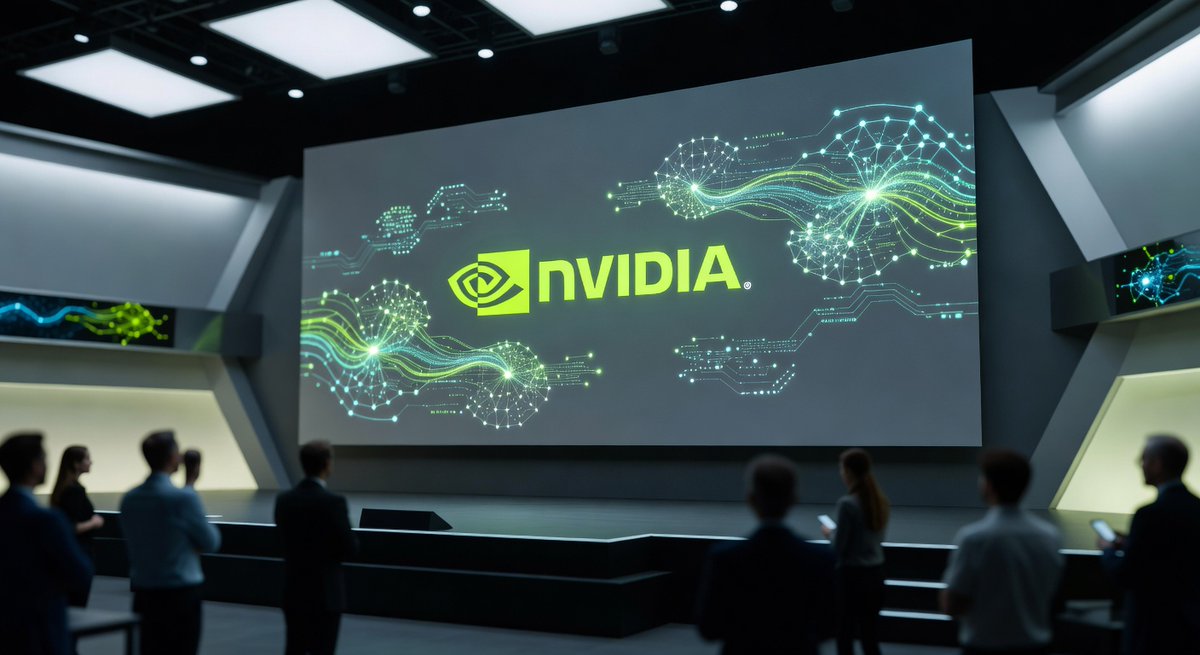
Nvidia's new AI agents sound like they'll automate half your workflow. Anyone already using something similar to ditch manual tasks? What broke for you without it?
Nvidia's GTC just unloaded AI agents that plan and act on their own. I think this kills off half the enterprise tools overnight. LinkedIn's probably sweating as bots take over networking.
Mastercard's $1.8B BVNK buy? Crypto's straight-up invading TradFi. I think stablecoins win because they move money faster than banks without the fees or delays. Old payment rails are toast.