Learning data analytics in public has taught me something deeper than Excel or SQL. 📊
You can start from somewhere completely different and still build something meaningful.
I studied Animal Science.
I taught in classrooms.
I worked in customer service and sales.
Now, I'm learning data analytics.
And honestly, starting over isn't always easy.
There are days when you feel behind.
Days when you wonder if you're learning fast enough.
Days when the people around you seem miles ahead.
But I'm learning that progress doesn't require you to have everything figured out.
It starts with asking better questions.
1. Start with the question, not the tool.
Before opening Excel, ask:
What decision will this analysis help someone make?
2. Understand your data.
Where did it come from?
What does it leave out?
Can you trust it?
3. Learn the fundamentals.
Tools will change.
AI will get better.
But the ability to think clearly will always matter.
4. Learn to communicate.
Finding an insight is one thing.
Explaining it clearly enough for someone to act on it is another.
5. Build by solving real problems.
Don't just learn formulas.
Don't just watch tutorials.
Take a messy problem.
Work through it.
Make mistakes.
Figure it out.
Share what you learned.
AI can write a formula or SQL query in seconds.
But knowing what to ask, what to investigate, and what the answer actually means is the skill I'm building.
I'm Obinna.
I'm learning data analytics in public, one real problem at a time.
If you're learning a new skill, changing careers, or starting over too, you're not alone.
We're building from where we are.
What are you currently learning that could change your career?
Big goal, but these roles need different skill sets and timelines. If you’re starting out, picking one path and building a small project around it may be more useful than trying to prepare for all six at once. Which role would you recommend beginners start with?
Let me make this clear.
You CAN become ANY of these roles THIS year and earn big:
📍Data analyst
📍Data engineer
📍Data scientist
📍BI developer
📍Business analyst
📍ML engineer
Don't let anything tell you otherwise.
Welcome, Bukola. I’m learning data analytics too and sharing practical examples for beginners. I’m especially interested in how small businesses can use simple data to make better decisions. Looking forward to your tips.
If you’re learning Data Analytics or trying to build a career in tech, you’re in the right place.
I’m Bukola, a Data Analyst who works with data to uncover insights, solve problems and support better decisions.
I work with data cleaning, validation, analysis, reporting, dashboards and performance tracking.
Beyond my work, I share practical tips on Data Analytics, career growth, job hunting, learning and navigating the early stages of a tech career.
Follow me if you’re building your career in data or tech.
Let’s learn and grow together.
Before SQL, ask: What does one row represent?
CustomerID | Product | Quantity | Price
A row could be one product a customer bought. Each column describes it. Is Price per item or the total? That changes how you calculate sales.
Understand the table first, then write the query.
Absolutely. A sales drop is a signal, not the diagnosis. I’d first ask when it began and which products, customers or sales channels changed, then compare that with pricing, stock and distribution before building a dashboard. The question should come before the chart.
One easy example would be declining sales. It’s easy to jump straight into analyzing sales trends and building dashboards, but without understanding the business, you might miss the real questions, is it a pricing issue, lower demand, poor distribution, seasonality, or losing customers to competitors?
The same data can tell very different stories depending on the business context.
Reflection:
I’m learning analytics, and I’m trying not to learn everything at once.
For now, I’m focusing on Excel, SQL and Power BI. It’s tempting to add Python, statistics, data engineering and AI, but collecting topics isn’t the same as being able to use them.
I’d rather finish a small project that answers a real business question, then decide what I need to learn next.
What are you choosing to set aside while you build depth?
Interesting way to describe SpaceX. From a data mindset, I’m curious how you’d measure that: what capabilities would make a company a ‘superintelligence company’ rather than a company applying AI to its work?
Career insight
Knowing SQL isn't enough if you can't explain what the result means.
Imagine you write a query and find that Product A has more sales than Product B.
That's a result.
But the business may immediately ask:
"Why?"
"Did we sell more units, or is the price different?"
"Has this always been the case?"
"What should we do about it?"
Answering those means going back to the data with better questions. Split sales into units and price. Compare against previous months. Then think about what the business can actually change.
That's where business understanding and communication come in.
Before I share a result now, I try to ask what someone will want to know next.
Newton’s story is a reminder that learning doesn’t happen only inside institutions. When Cambridge closed, time at Woolsthorpe gave him room to investigate big questions from first principles. I’m curious what you’ll notice about the institutions and communities that helped shape these discoveries on the rest of your journey.
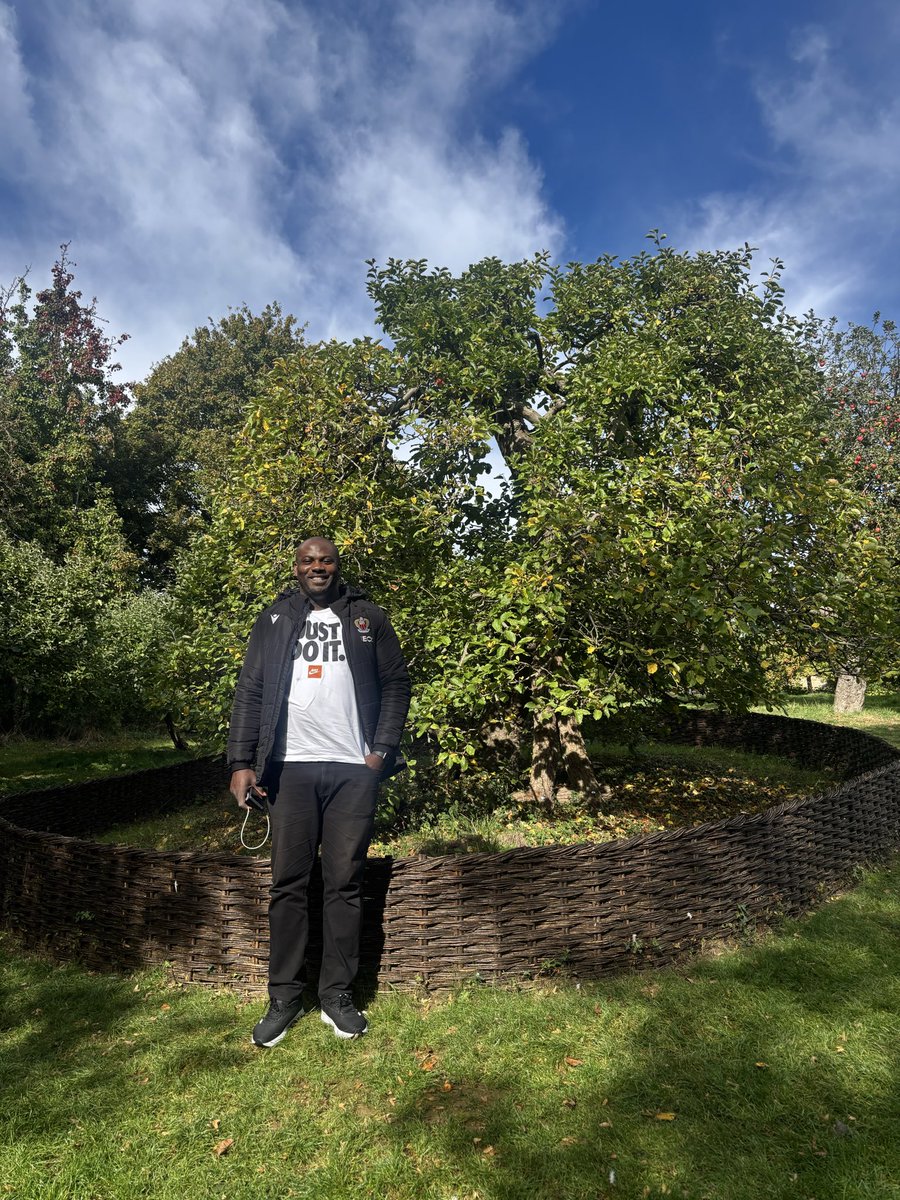
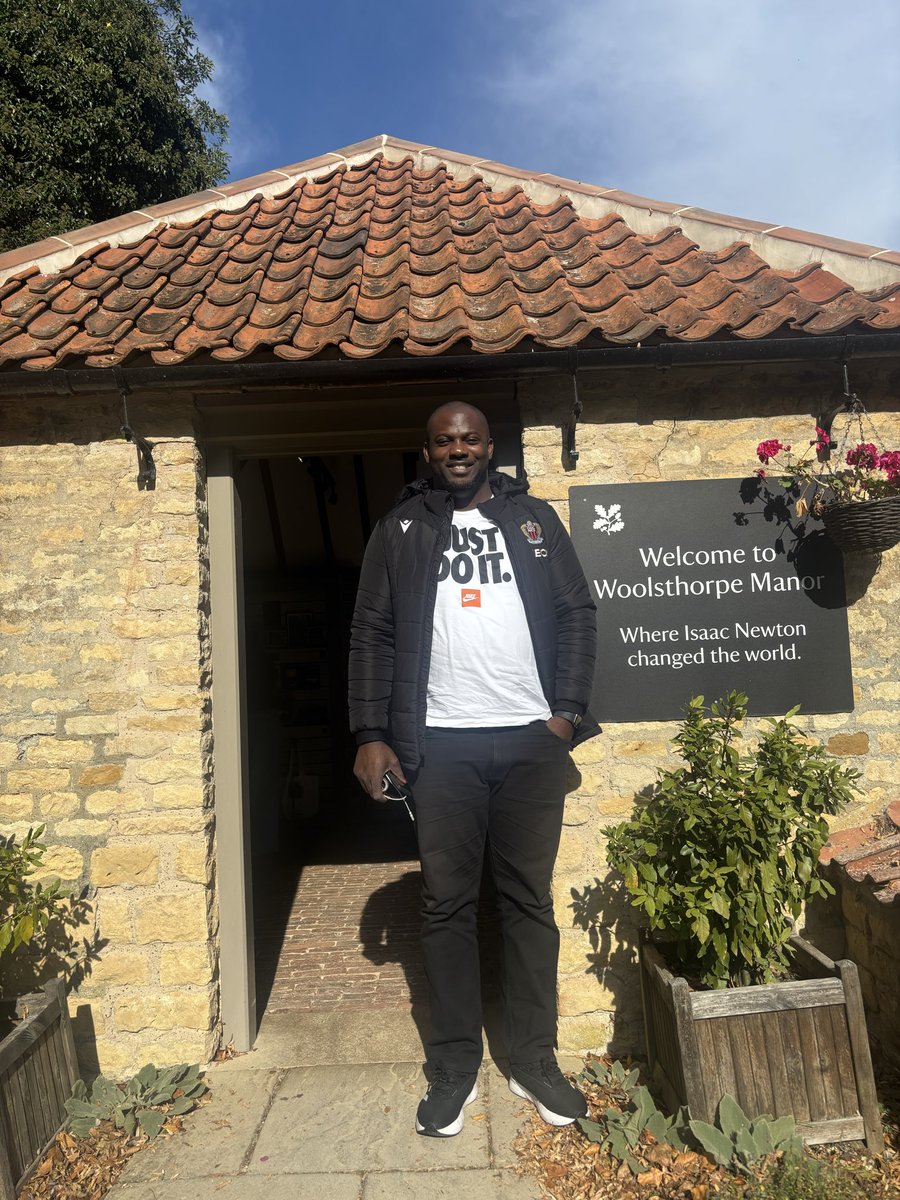
Today, I visited Isaac Newton’s birthplace at Woolsthorpe Manor in England.
This was where Newton did some of his most important work, developing his ideas on gravity, calculus, and optics.
The famous apple tree still stands behind me, and right in front of me, an apple from that very tree fell.
Newton made these breakthroughs during a period when Cambridge University was closed because of the Great Plague, forcing him to return home to Woolsthorpe. That period became one of the most remarkable chapters in the history of science.
My focus on this journey is to understand, from first principles, how civilization was built. how ideas, discoveries, institutions, and individuals transformed human society.
I will also be visiting Albert Einstein’s birthplace in Ulm, Germany.
The journey continues.
Helpful reference. I’m learning to start with the question I need to answer, then choose the visual that makes the comparison or pattern easiest to see. The chart should serve the insight.
Improving a process matters, but ‘that’s all that matters’ feels too narrow. The best improvements make work easier for people and build trust with the team using them.
Nobody cares about you as a person in Corporate. What people care about is the improvement you bring on board to make processes better and provide relief to those you are supporting, and that's all that matters at the end of the day.
Learning outside the classroom is a big one. After a lesson, try explaining the concept in plain language or applying it to a tiny project. It quickly shows what’s clicked and what needs another explanation.
Things I wish I knew before choosing Computer Science:
1. You really need a laptop:
Without one, you’ll struggle because there are things you simply can’t wait until you get to school or a cyber café to do.
2. There’s always something to buy:
Manual, handout, textbook, course material… just when you think you’re done spending, another one comes up. 😭
3. Don’t miss practicals:
You can’t afford to keep missing practical classes. Miss them once or twice and you’ll start struggling when exams come around. Your CGPA won’t have mercy. 😂
4. You need your coursemates:
Even if you’re naturally an introvert, try to connect with people in your class. Sometimes that’s how you find out about an assignment, a change in timetable, a test or something important happening in school.
5. There will always be an urgent assignment:
Somehow, there’s always that assignment you’re given today and told to submit tomorrow
6. Prepare to learn different programming languages :
Don’t get too comfortable with one language. You’ll most likely have to learn another one just when you’re starting to understand the first.
7. You’ll have to learn outside the classroom:
Sometimes the lecturer will explain something and you’ll still go home and search for another explanation before it finally makes sense.
8. There will be days you genuinely wonder if you chose the right course. 😂
9. You can’t afford to be too relaxed:
There’s always another practical,assignment, test or course waiting for you
10. You have to stay updated:
If you disconnect from what’s happening in your department , you might come back and realize everyone has moved ahead without you.
Computer Science is interesting, but struggle that comes with it 😭