Cardoso reaffirmed the CBN’s commitment to preserving public confidence, safeguarding financial and monetary stability, and fulfilling its mandate with integrity, professionalism, and accountability.
Cardoso attributed the gains to the support of the Federal Government, market participants, development partners, and, most importantly, the resilience and confidence of the Nigerian people.
While acknowledging that significant work remains ahead, Cardoso expressed optimism about the progress made so far and the renewed confidence emerging across the economy.
According to the Governor, the Bank’s reform agenda has been guided by a clear objective: restoring confidence, strengthening institutional resilience and policy credibility, and laying a solid foundation for sustainable economic growth.
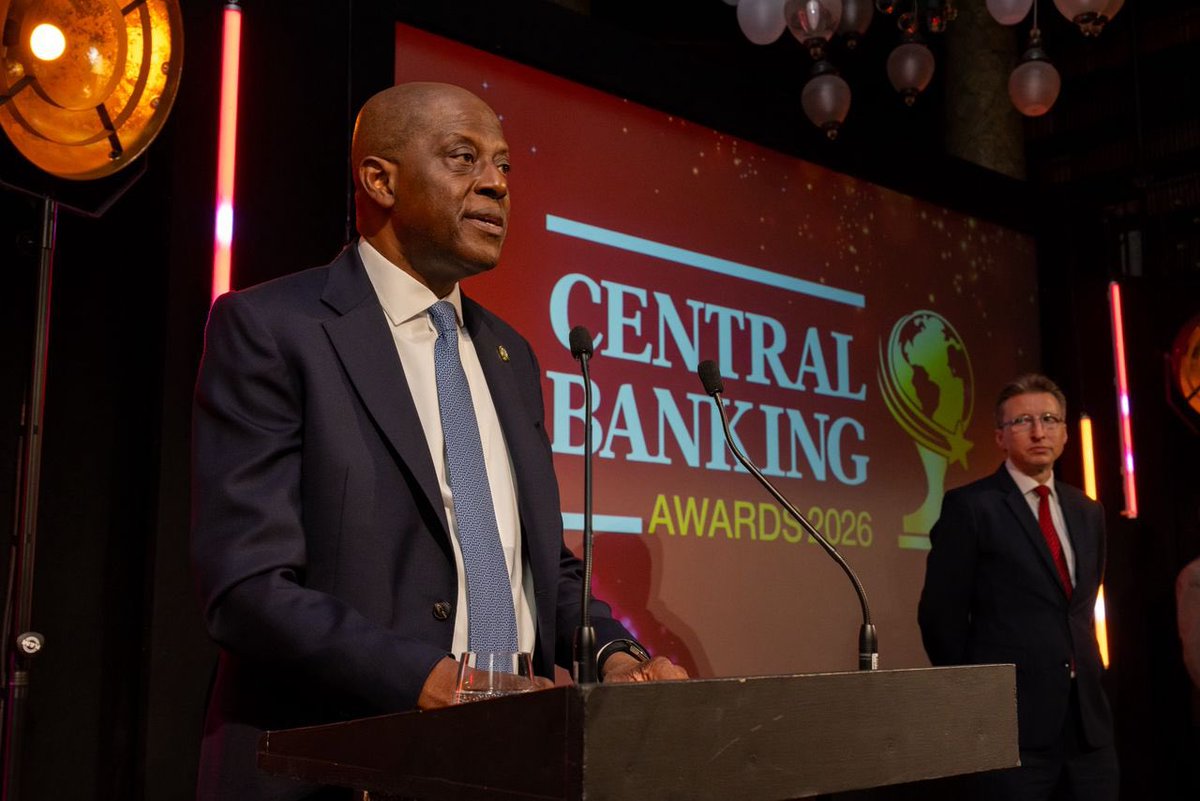
Cardoso stressed that the award was not a personal achievement but a testament to the collective efforts of the Central Bank of Nigeria, particularly professionals whose dedication, integrity, and expertise have strengthened the Bank and reinforced confidence in Nigeria’s economy
Governor Cardoso dedicated the 2026 Central Banking Central Bank of the Year Award to the Board, management, and staff of the Bank for their steadfast commitment to institutional reform and economic stability.
April and May were defined by consolidating reforms, strengthening institutions, and translating policy gains into durable economic outcomes. Following the successful completion of the banking-sector recapitalisation programme in March, our focus shifted to sustaining momentum and reinforcing the foundations of long-term macroeconomic stability.
The recapitalisation programme remains one of the most significant achievements of this reform period. Through this exercise, Nigerian banks raised over ₦4.65 trillion, strengthening capital buffers, enhancing resilience, and expanding the sector's capacity to support economic growth and financial intermediation. The strong participation of both domestic and international investors reflected growing confidence in Nigeria's financial system and reform trajectory.
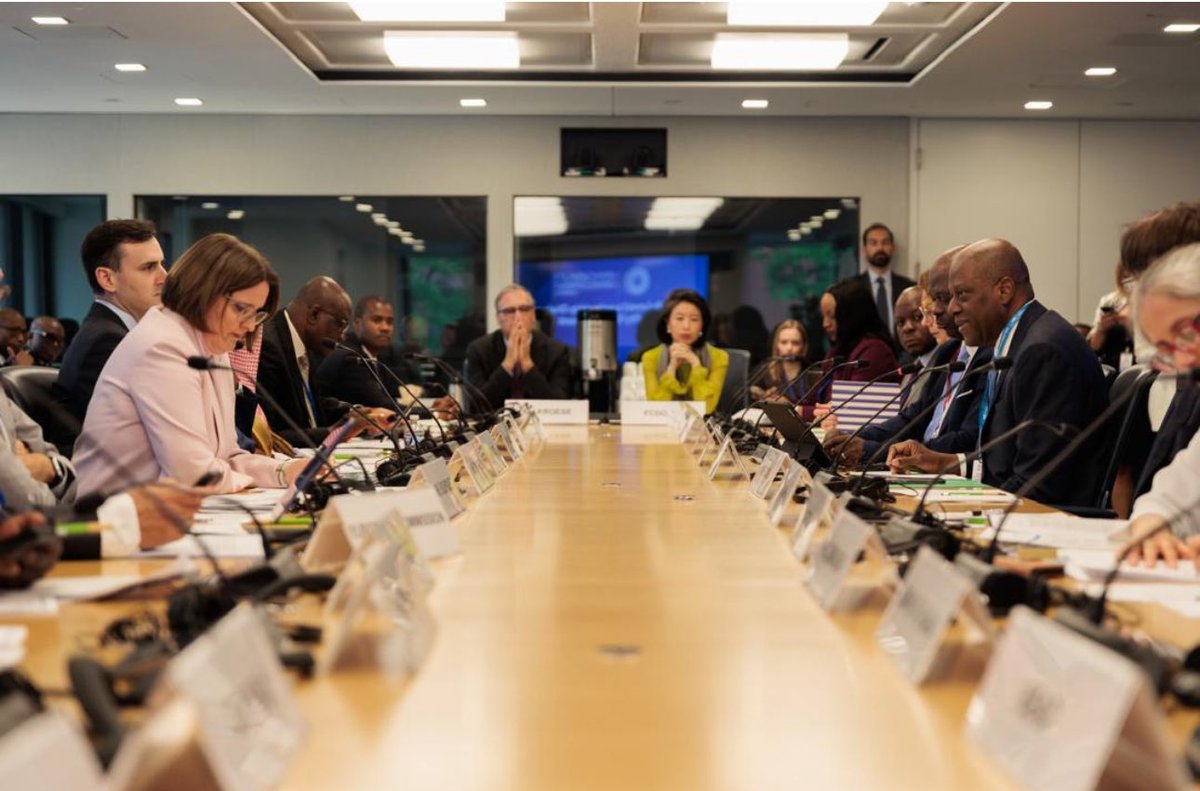
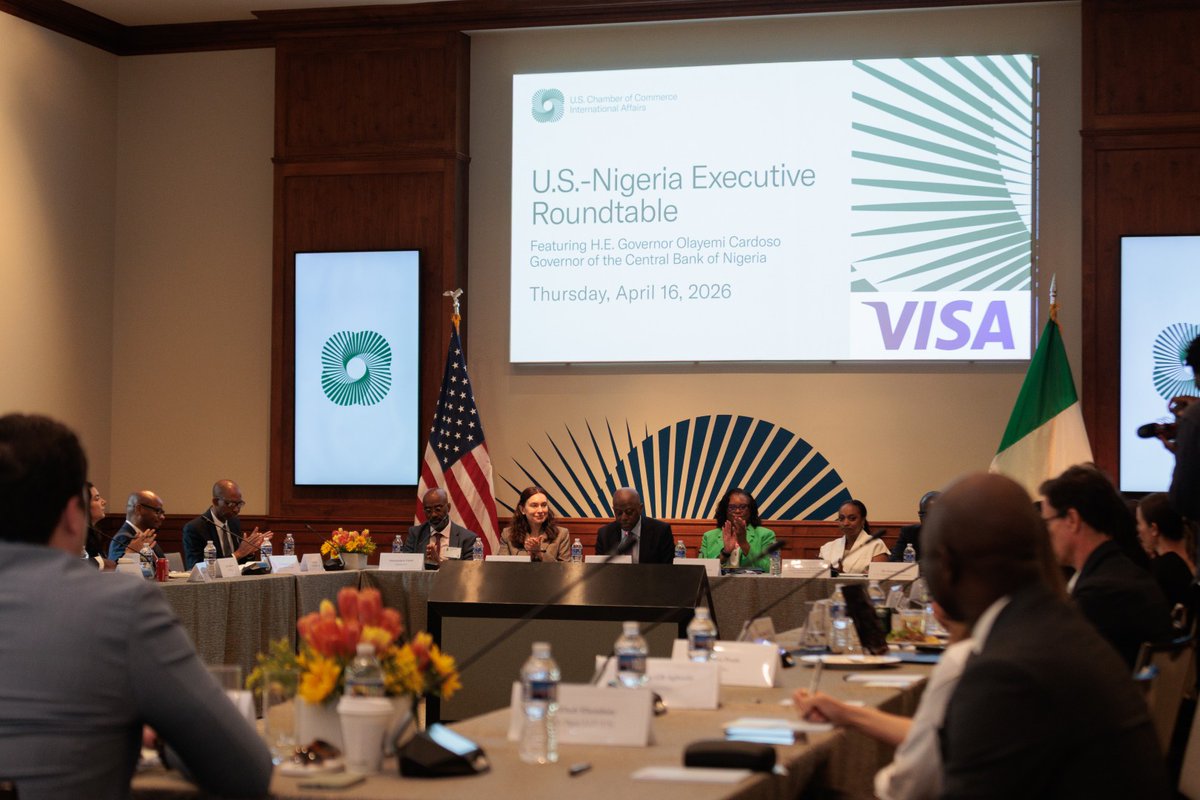
Against this backdrop, Nigeria participated in the IMF and World Bank Spring Meetings in Washington at a time of heightened global uncertainty, marked by tighter financial conditions, persistent geopolitical pressures, and subdued growth across many economies. The Meetings provided an opportunity to present Nigeria's reform progress, engage key partners, and reinforce confidence in the country's economic direction.
One of the most important engagements was with World Bank President Ajay Banga, where discussions focused on institutional reform, long-term development priorities, and the partnerships required to support sustainable growth. As Chair of the G-24, Nigeria also helped advance discussions on mobilising development finance, reforming the global financial architecture, and promoting job-rich growth across developing economies.
The Nigeria Payments System Vision (PSV) 2028 outlines the roadmap for a secure, innovative, and inclusive payments ecosystem in Nigeria.
Read the document here:
https://t.co/4uHH22xEwz
#CBN#PSV2028
“Today, we don’t just unveil a payments strategy; we unveil a vision for how Nigerians will transact, trade, save, invest, and fully participate in a digital economy.” #PSV2028
“Today, we don’t just unveil a payments strategy; we unveil a vision for how Nigerians will transact, trade, save, invest, and fully participate in a digital economy.” #PSV2028
The CBN Governor, Mr Olayemi Cardoso, has unveiled the Nigeria Payments Systems Vision 2028, noting that the vision aims to deepen infrastructure, expand inclusion, accelerate innovation, and enhance Nigeria’s integration with regional and global payment systems.
“Gross external reserves rose to $49.49 billion as of May 15, 2026, providing import cover of over nine months and reinforcing investor confidence as well as exchange rate stability”- Cardoso.
Cardoso has said that Nigeria’s economy remains resilient, with Q4 2025 GDP growth at 4.0% driven by stronger industrial and agricultural output and improved performance in ICT, transport and storage.
The MPC expressed confidence that the conditions necessary for price stability remain firmly in place. The Committee also welcomed Nigeria’s recent sovereign rating upgrade, describing it as a reflection of improving macroeconomic fundamentals and growing confidence in the country’s reform trajectory.
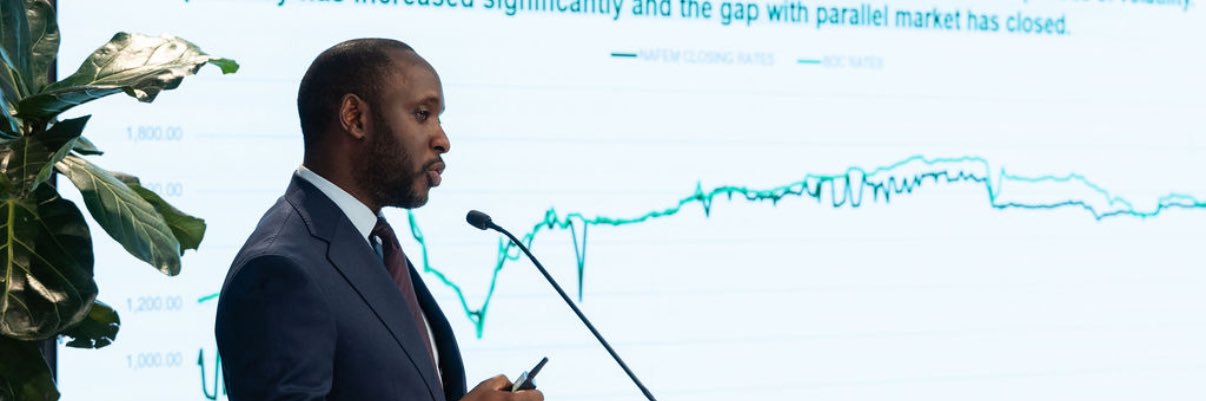
According to Governor Cardoso, exchange rate stability, stronger external reserves, improved monetary policy transmission, fiscal consolidation and a more resilient banking sector have strengthened the economy’s capacity to absorb external pressures.
The Monetary Policy Committee at its 305th meeting voted unanimously to retain the Monetary Policy Rate at 26.5%, while also retaining all other monetary parameters. The Committee said its decision reflected a cautious and vigilant stance aimed at anchoring inflation expectations and preserving macroeconomic stability.
#CBN
#MPC
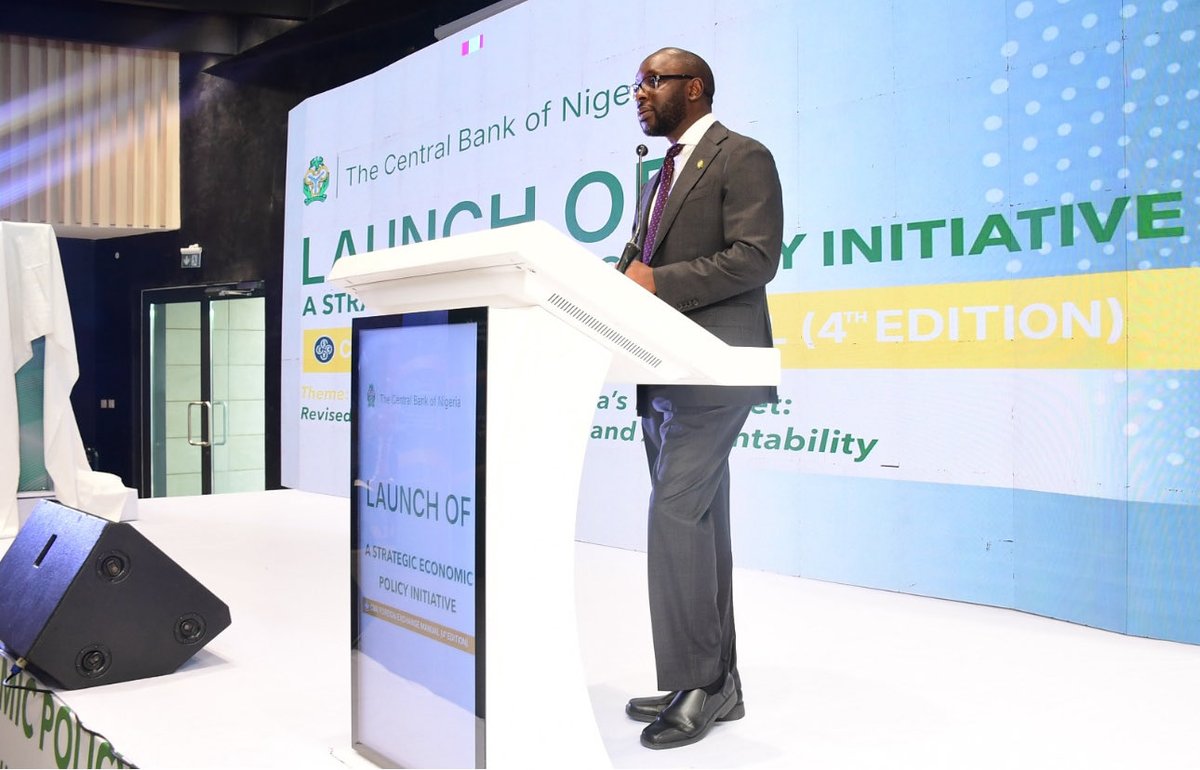
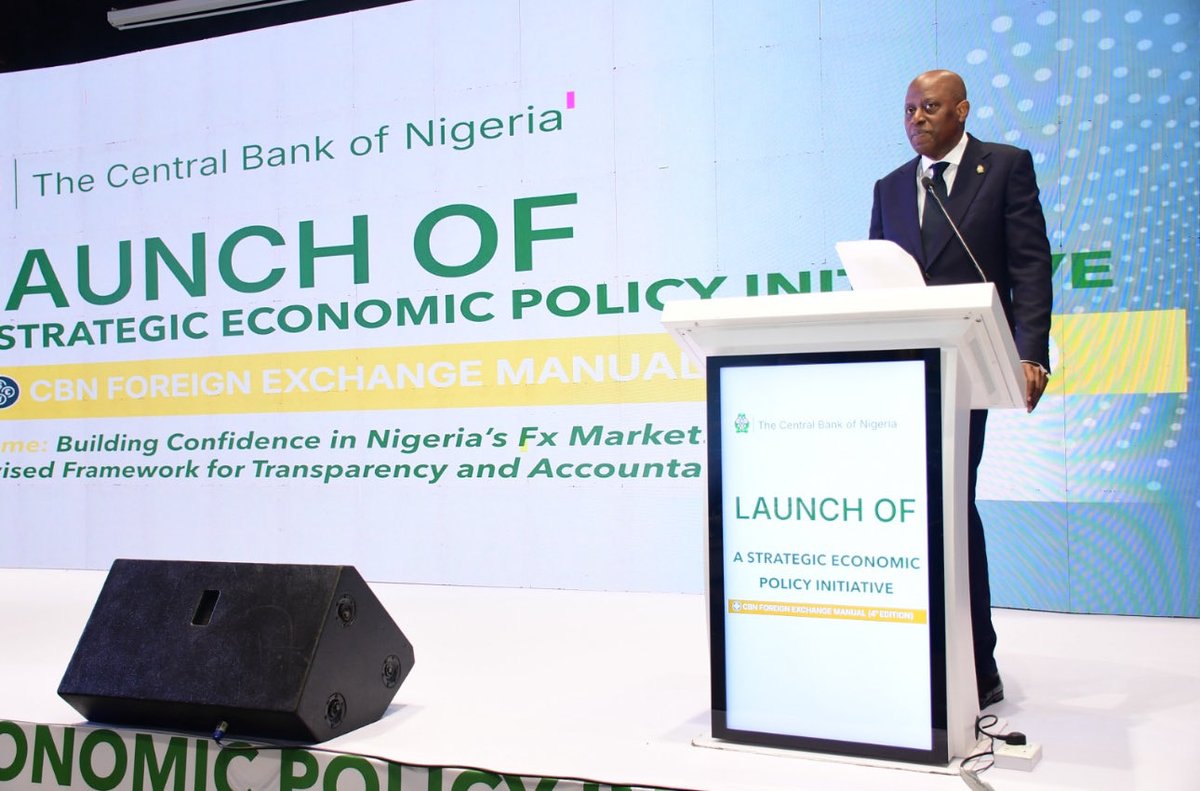
Gov. Cardoso said the revised FX Manual will take effect from June 1, 2026, and will be made available to authorised dealers at no cost to support seamless adoption and compliance. #FXManual#CBN 2/8
The Governor of the Central Bank of Nigeria, Mr. Olayemi Cardoso has unveiled the 4th Edition of the CBN Foreign Exchange Manual, reinforcing efforts to deepen transparency and strengthen Nigeria’s FX market framework. #CBN#FXManual 1/8