16 YAŞINDA 7,5 KİLOYA DÜŞTÜ
İsrail’in saldırıları ve ablukası altındaki Gazze’de ağır serebral palsi hastası 16 yaşındaki çocuk, açlık ve ilaç yetersizliği nedeniyle 7,5 kiloya düştü.
🆘 Urgente⚠
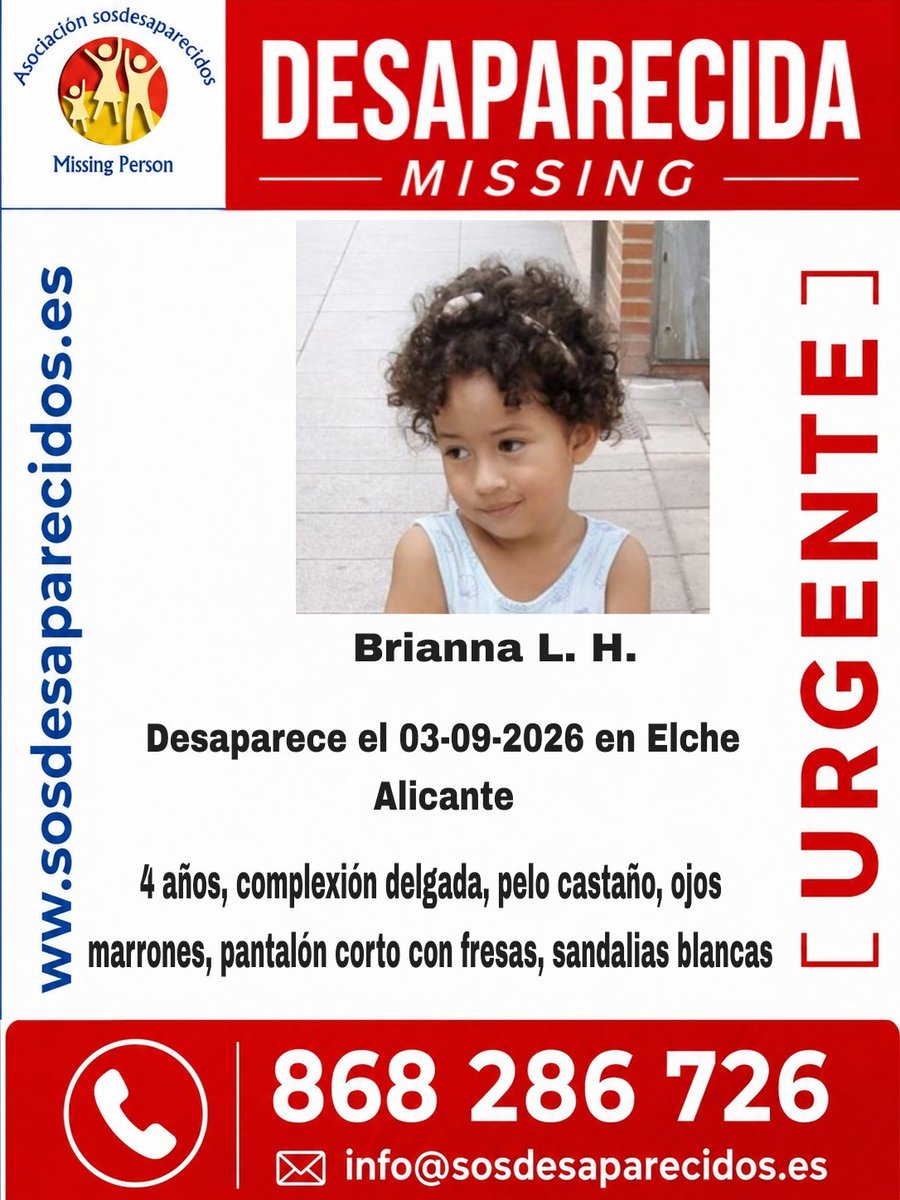
Esta es Wafaa y ha #desaparecido en #Carcaixent#Valencia.
¿La has visto? Si es así 🤙...
☎️ 062
☎️ 091
☎️ 112
Tu RT no cuesta nada y puede ayudar mucho.
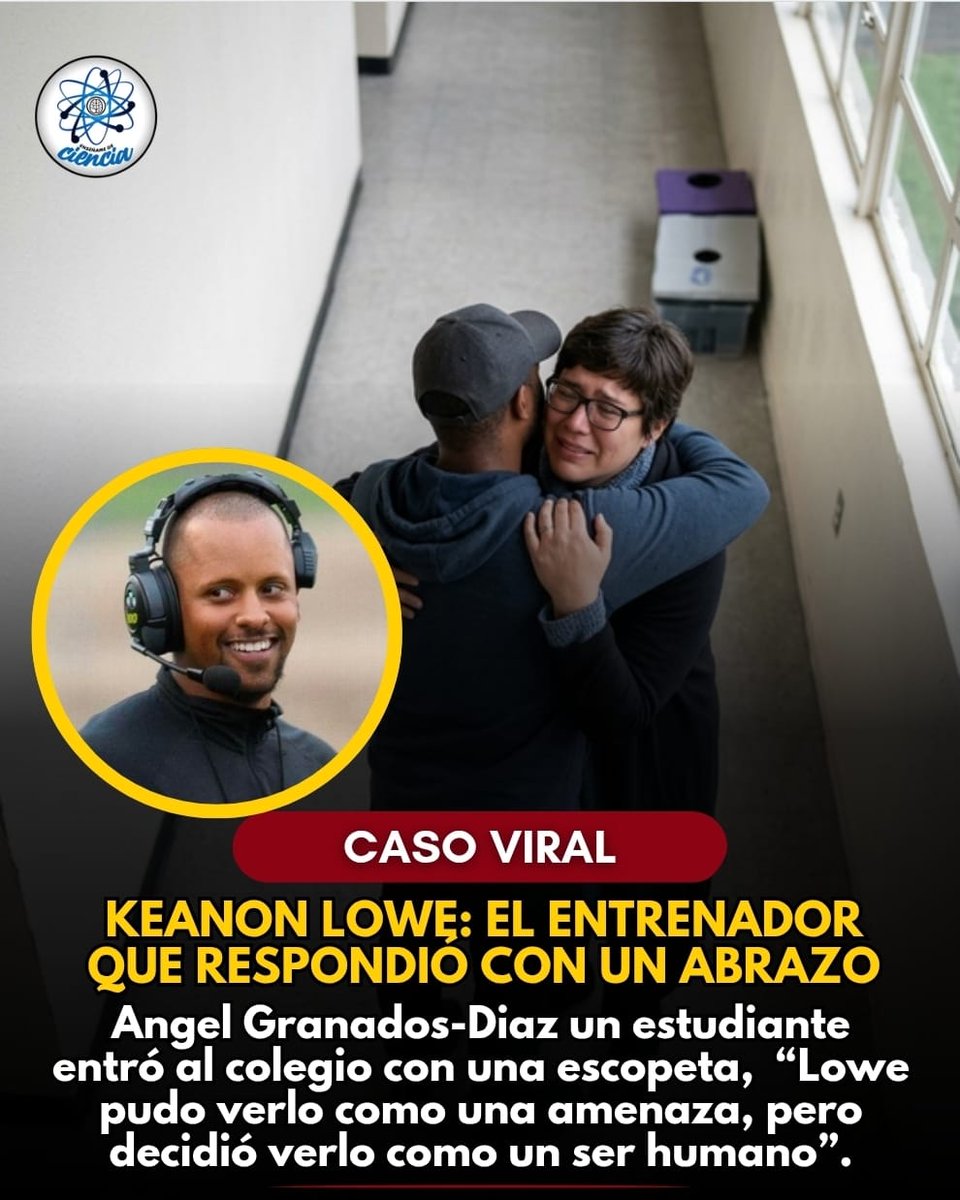
ENTRÓ A LA ESCUELA CON UNA ESCOPETA… Y TERMINÓ LLORANDO EN LOS BRAZOS DE SU ENTRENADOR
En 2019, Keanon Lowe, entrenador de una escuela en Oregon, logró quitarle una escopeta cargada a un estudiante que se encontraba en una fuerte crisis emocional. El joven había llegado armado, pero las autoridades determinaron posteriormente que su intención era quitarse la vida, no atacar a sus compañeros.
Después de desarmarlo, Lowe pudo haberse alejado… pero hizo algo que conmovió al mundo: lo abrazó y no lo soltó. El estudiante comenzó a llorar mientras el entrenador permanecía junto a él, en una escena que se convirtió en un poderoso ejemplo de cómo, en medio de una crisis, la empatía también puede salvar una vida.
This kitten with cerebral palsy relied entirely on his owner for food and survival. One day, while eating, he couldn't help but cry... As if expressing gratitude for all the love and care he had received over the years.
Remember this young French Catholic who carried a 35kg cross for 14 hours to replace the vandalized Aneto cross at the top of the Pyrénées?
Someone vandalized his cross, so he made an even bigger one and took it again to the peak of the mountain.
Christ is King 🇫🇷
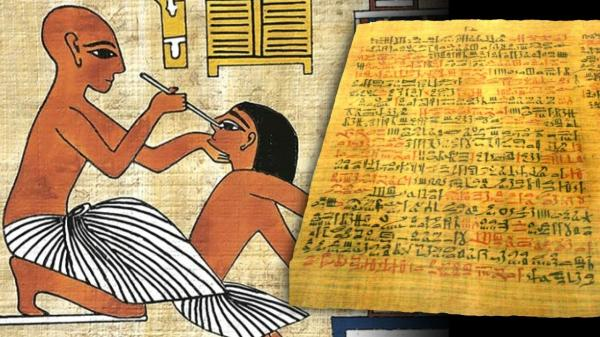
A 3,500 year old Egyptian medical scroll prescribed honey for open wounds. Hospitals are stocking the same thing in sterile packets right now.
The scroll is called the Ebers Papyrus, and it's one of the oldest medical documents on Earth.
Egyptian doctors were using honey as a wound dressing around 1550 BC. Doctors in ancient Sumer were writing it into prescriptions even earlier, around 2100 BC. Aristotle later wrote about using it on sore eyes. Then antibiotics showed up in the 1940s, honey got filed under old folk remedy, and it sat there ignored for half a century while modern medicine assumed the ancients had just gotten lucky.
One man spent thirty years proving they hadn't.
His name was Peter Molan.
He taught biochemistry at the University of Waikato in New Zealand and spent most of his career studying antibacterial compounds that had nothing to do with food.
Then in 1981, a beekeeping friend kept telling him to take a closer look at manuka honey, made from the nectar of a scraggly little tree that grows wild across the country. Maori communities had been putting it on cuts and burns for generations.
Molan was skeptical. Honey was something you put in tea, not something you put on a wound.
He ran the tests anyway.
Ordinary honey kills bacteria two ways. The first is almost embarrassingly simple. Honey is nearly pure sugar with very little water in it, so when you put it on a wound, it pulls water straight out of every bacterial cell nearby. The bacteria dry out and die. The second mechanism comes from the bees themselves.
While they make the honey, they add an enzyme called glucose oxidase, which slowly leaks out tiny amounts of hydrogen peroxide, the same stuff sitting in a brown bottle in your medicine cabinet.
That part was already known before Molan started.
What he found was stranger. When he neutralized the hydrogen peroxide in manuka honey, the antibacterial activity didn't go away. Something else in it was doing the killing, and it wasn't fragile the way peroxide is. It didn't break down under heat or light.
Molan chased that mystery compound for years and never fully nailed it down himself. It took until 2006, over two decades after his first experiment, for another team of researchers to isolate it. It's called methylglyoxal, and manuka honey holds far more of it than any ordinary honey does.
Here's the detail that should actually stop you.
Labs have tried for years to grow a strain of bacteria that can survive manuka honey. With antibiotics, resistance is basically inevitable if you wait long enough. The bacteria mutate around one weak point in the drug and the drug stops working.
Nobody has managed to breed a strain resistant to manuka honey. Not MRSA, the staph infection that shrugs off most antibiotics. Not the drug resistant strains of Pseudomonas that make surgeons nervous. The honey doesn't hit one single target the way a drug does. It attacks the whole cell from a dozen directions at once, and there's no single mutation that dodges all of them.
Hospitals noticed.
There's a case from a UK wound clinic that keeps getting cited in the medical literature. An 80 year old man had a skin graft on his arm that got infected with MRSA and refused to heal for months, even with antibiotics running the whole time.
Doctors switched him to a manuka honey dressing, changed every two to three days. The infection cleared and the wound closed. It's one story among dozens just like it, which is exactly why manuka honey dressings now sit in hospital supply rooms around the world, cleared by the FDA for treating wounds and burns.
Molan spent most of his career being politely dismissed by people who assumed he was studying a kitchen ingredient.
He retired in 2014 and died the following year, having built an entire research unit around a jar of honey a beekeeper once handed him on a whim.
The Egyptians never knew why honey worked. They just knew that it did, and they wrote it down anyway.
It took three and a half thousand years, one stubborn biochemist, and a compound nobody could pronounce to finally prove they were right the whole time.
It looks like an astronaut tumbling silently away from the International Space Station—arms outstretched, visor dark, no tether in sight. There is no one inside.
On 3 February 2006 the Expedition 12 crew pushed an obsolete Russian Orlan spacesuit out the airlock. Stuffed with old clothes and fitted with a small radio transmitter, the empty suit became SuitSat-1, a makeshift satellite that circled Earth every 90 minutes until it burned up in the atmosphere weeks later.
Credit: NASA / ISS Expedition 12 crew
“Ayuden a Valentino”: claman por traslado para niño de Nueva EPS con grave problema pulmonar; necesitaría terapia ECMO
@AnaVesga_G@ABDELAESPRIELLA
Detalles >> https://t.co/WiM3tueKB7
A soldier forms a special bond with a beautiful puppy in a war zone. He feeds him, looks after him, and eventually adopts him, giving him a safe new life. 🐶❤️